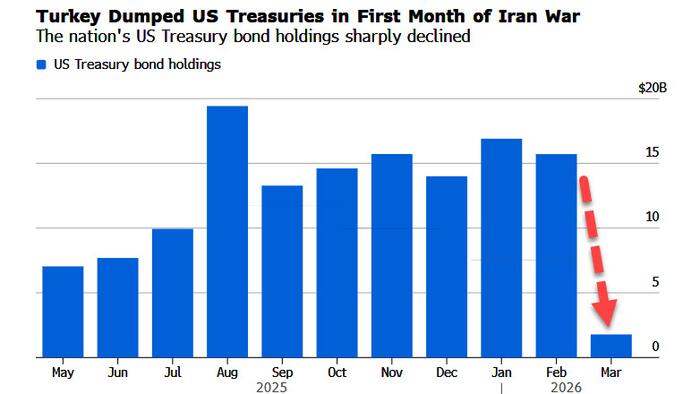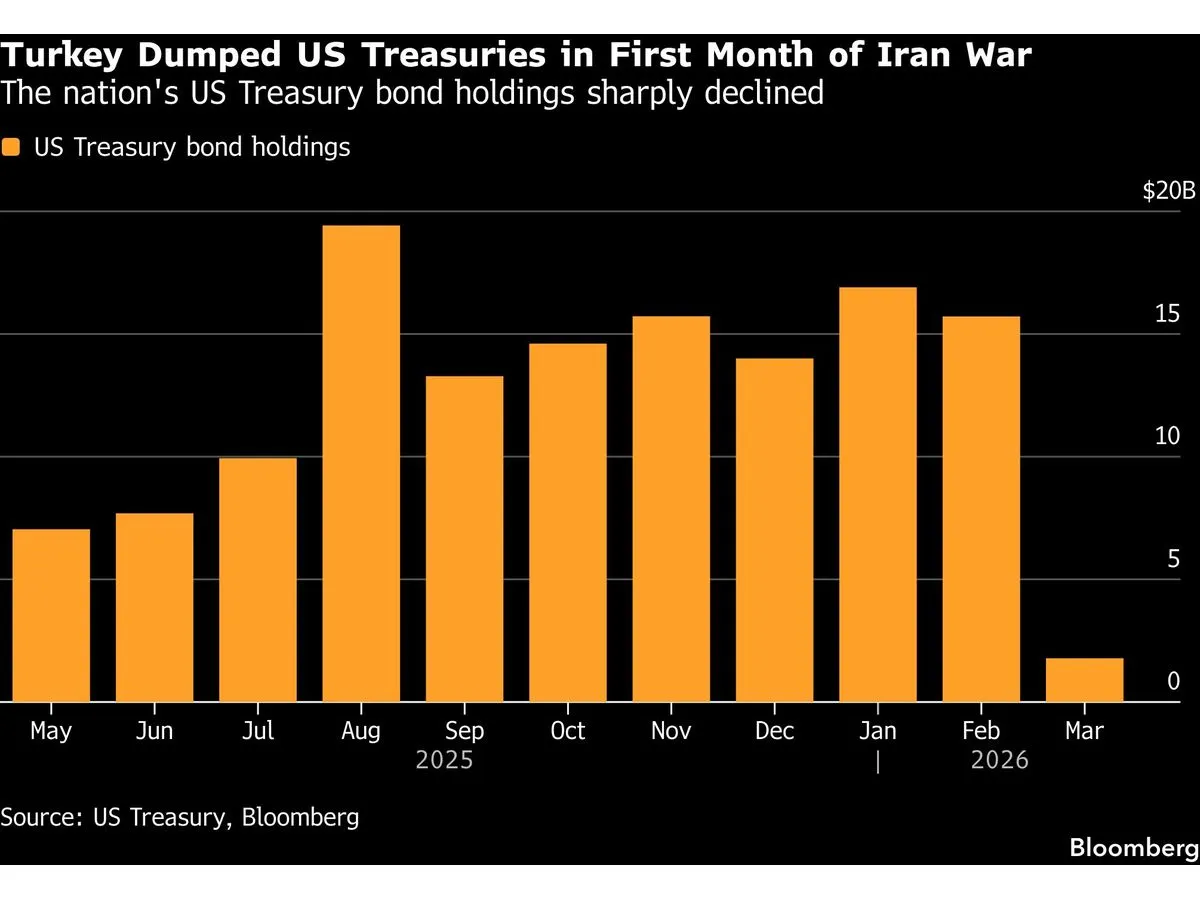
Turkey’s central bank went from holding $15.7 billion in US Treasuries in February to just $1.8 billion by the end of March. That’s an 89% reduction in a single month, roughly $14 billion in liquidated American government debt, all to keep the lira from going into freefall.
What forced Ankara’s hand
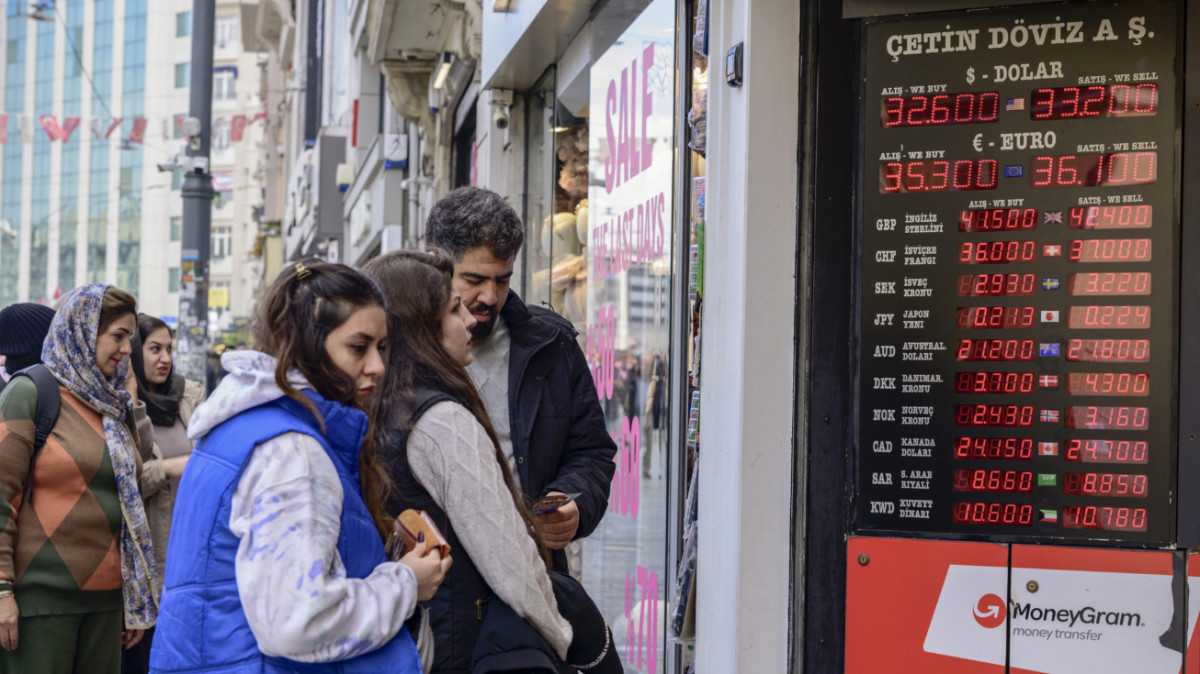
The Iran war, which began on February 28, 2026, sent shockwaves through Turkey’s economy almost immediately. Capital outflows accelerated, energy prices spiked, and the lira came under intense selling pressure.
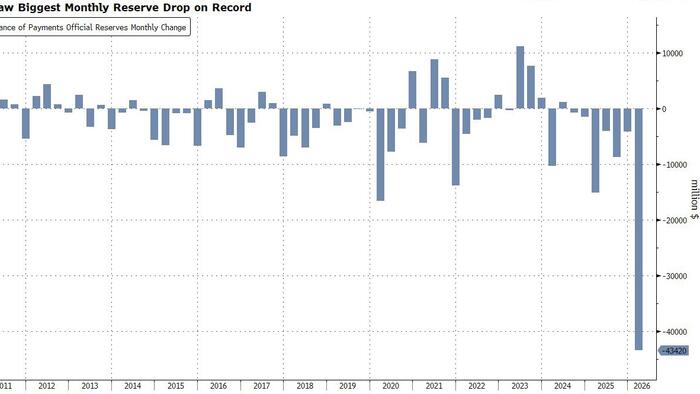
The Central Bank of the Republic of Turkey didn’t stop at Treasuries. From late February onward, the CBRT sold approximately $22 billion in foreign government securities to stabilize the currency. It also drew down over 127 tonnes of gold reserves, the largest gold drawdown in the country’s history.
On the domestic side, the CBRT deployed equally aggressive tools. Daily securities purchases hit TRY 1,174 billion, and overnight interest rates were hiked to 40% to stem the bleeding. The USD/TRY pair traded as high as 44.5 to 45.6 from late March through May, a brutal depreciation from pre-war levels.