Foreign governments cut U.S. Treasuries in March as the Middle East war forced central banks to liquidate dollar reserves, defending local currencies against an energy shock that sent exchange rates tumbling.
China reduced its holdings to $652.3 billion, down roughly 6% from February to the lowest level since September 2008, according to U.S. Treasury data released late Monday stateside.
Japan, the single largest foreign holder of U.S. government debt, shed approximately $47 billion to $1.191 trillion. Overall foreign holdings fell to $9.25 trillion in March from $9.49 trillion in February.
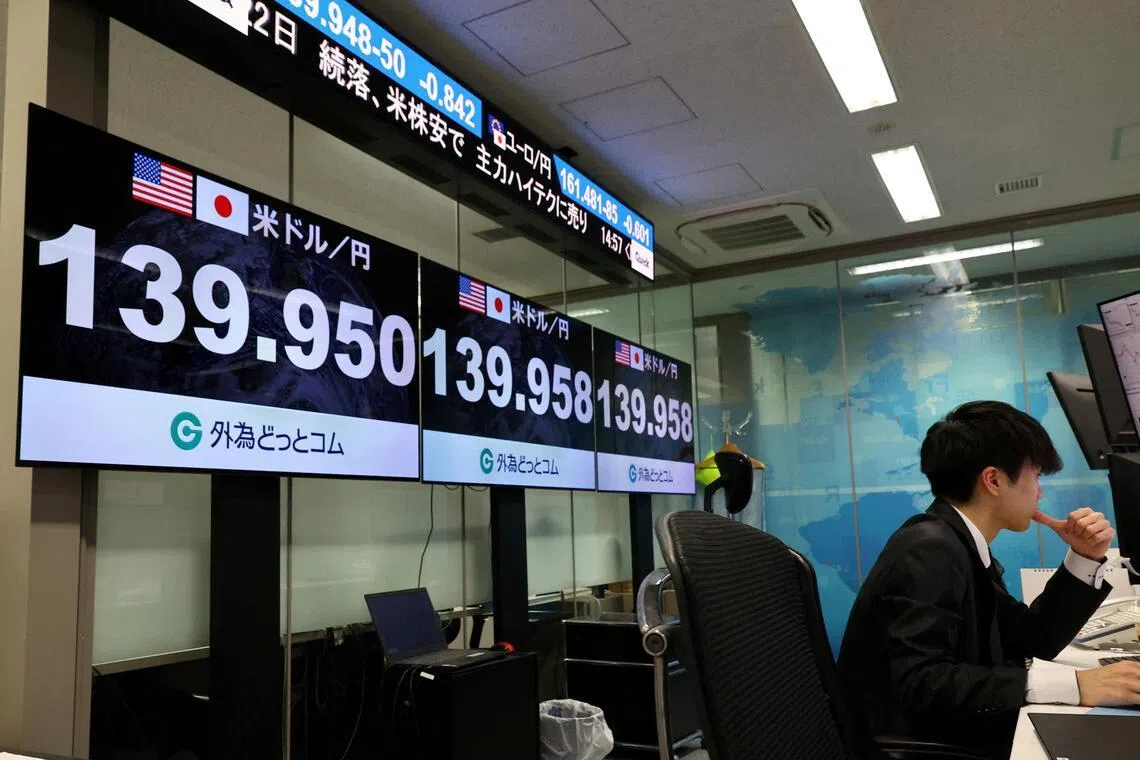
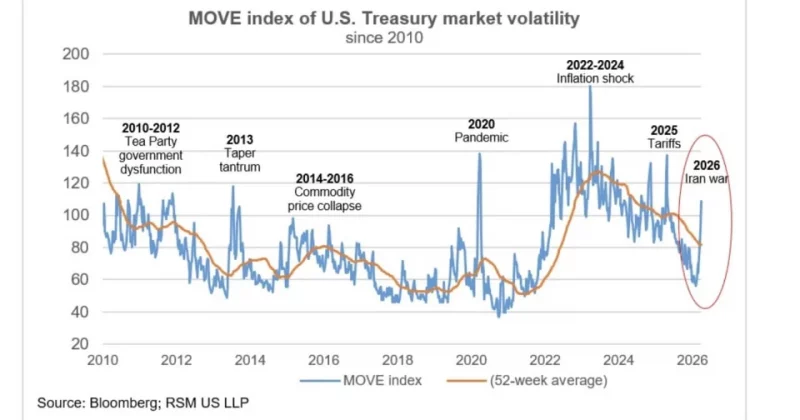
The selloff came as the outbreak of the U.S.-Iran conflict and a subsequent surge in crude oil prices sent the Japanese yen and other Asian currencies tumbling. Regional economies reliant on Gulf oil imports, including Japan, faced the largest energy shock in decades, prompting policymakers to sell part of their dollar-denominated assets to fund currency intervention.
“Given increased financial volatility since the start of the war in the Gulf, and resultant pressure on exchange rates, especially in Asia, it is not a surprise that U.S. Treasury holdings by central banks have fallen,” said Frederic Neumann, chief Asia economist at HSBC.