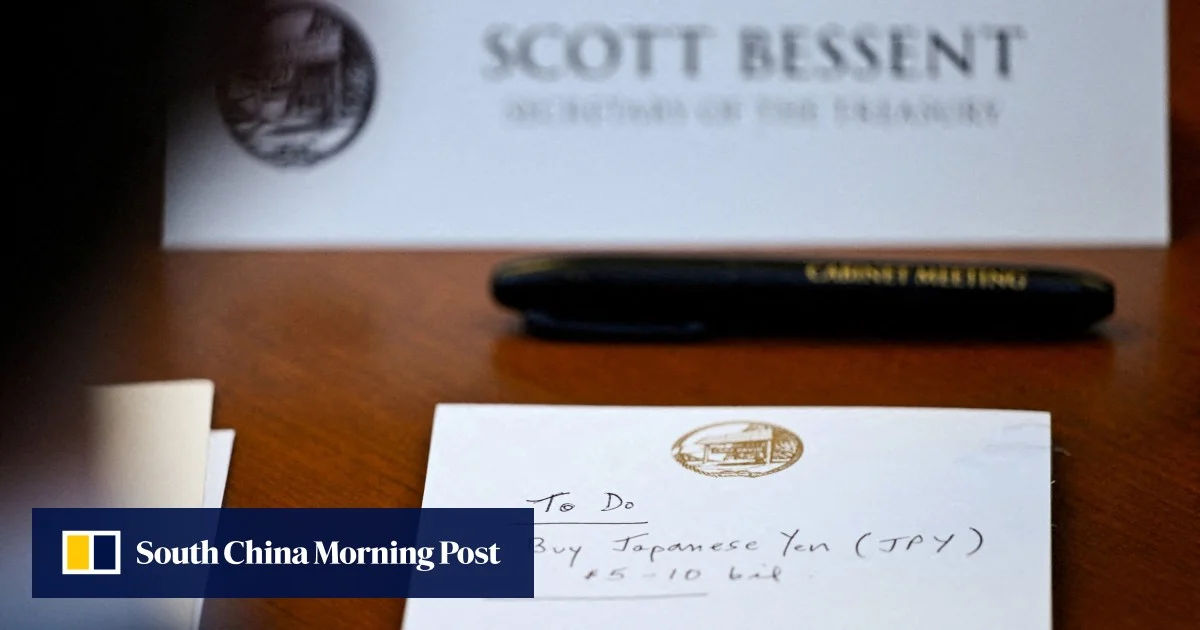
The U.S. dollar has been in relative free fall since late Friday after it emerged that the New York Federal Reserve had conducted a rare “rate check” with currency traders on the dollar/Japanese yen exchange rate.
The purpose of the move implies that the U.S. Federal Reserve may be considering coordinated action with the Bank of Japan to support the latter’s currency.
As a result, traders began selling the dollar, which is now down more than 2.26% over the past five days against a standard basket of international currencies—an unusually steep decline given the gargantuan scale of the dollar in the global economy. Over the last day alone it lost 0.46%. The yen is up more than 3% against the dollar over the same time period. (ING has a detailed blog post on the rate check controversy here.)
The Nikkei 225 stock index fell 1.79% this morning. That’s a sign that traders feared equities exposed to Japan’s export trade would be hurt by a rising yen.
The price of gold surged to a new record, over $5,000 per troy ounce. That has added to the anti-dollar narrative on Wall Street. The dollar used to be a safe-haven asset, but as the U.S. becomes more politically volatile, investors are going elsewhere.