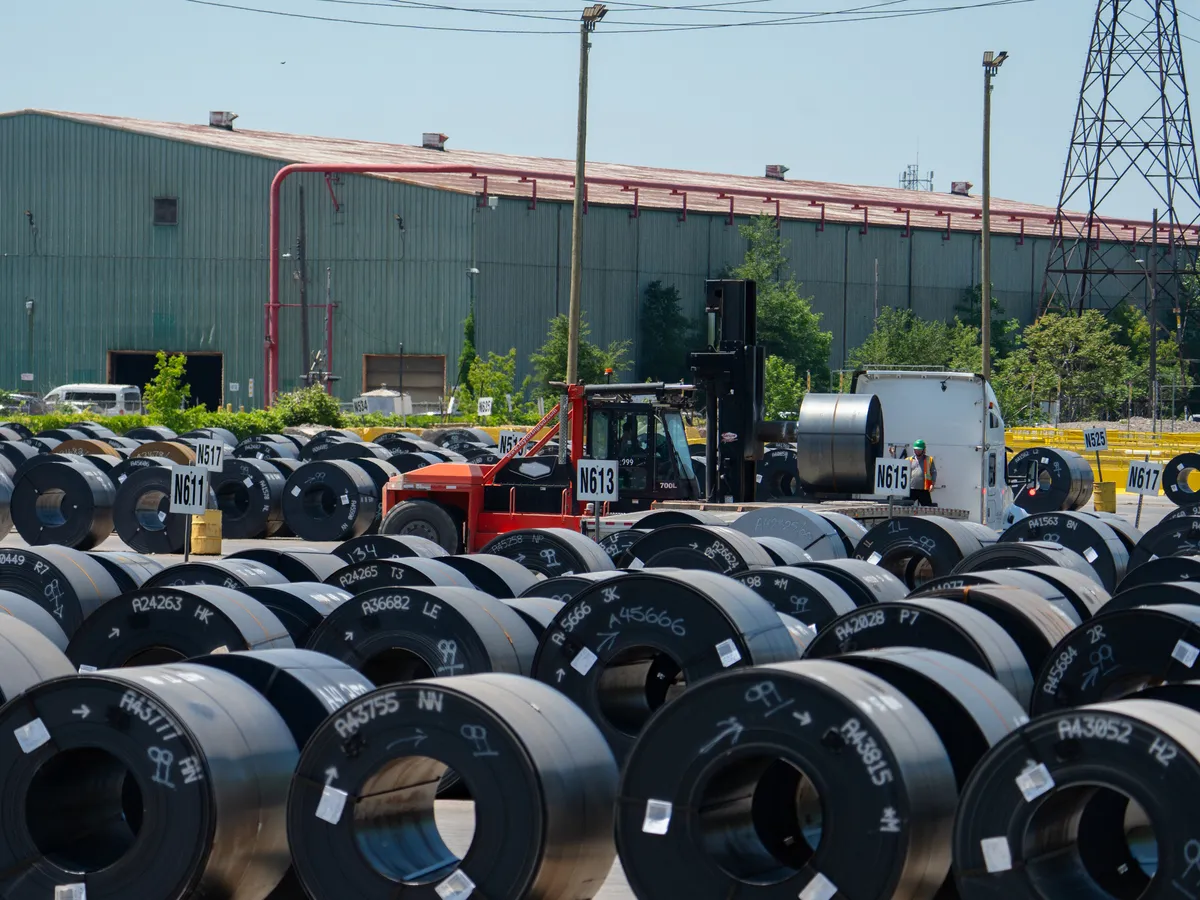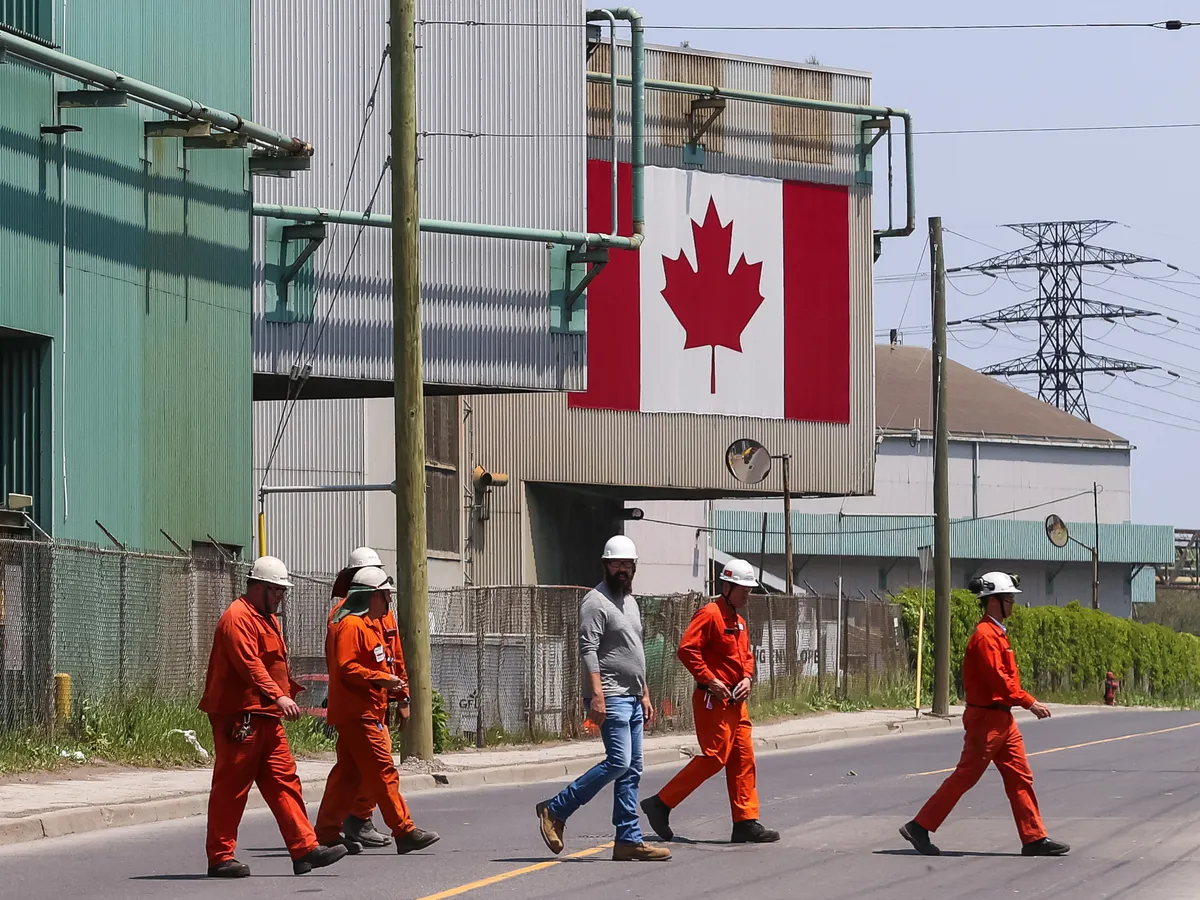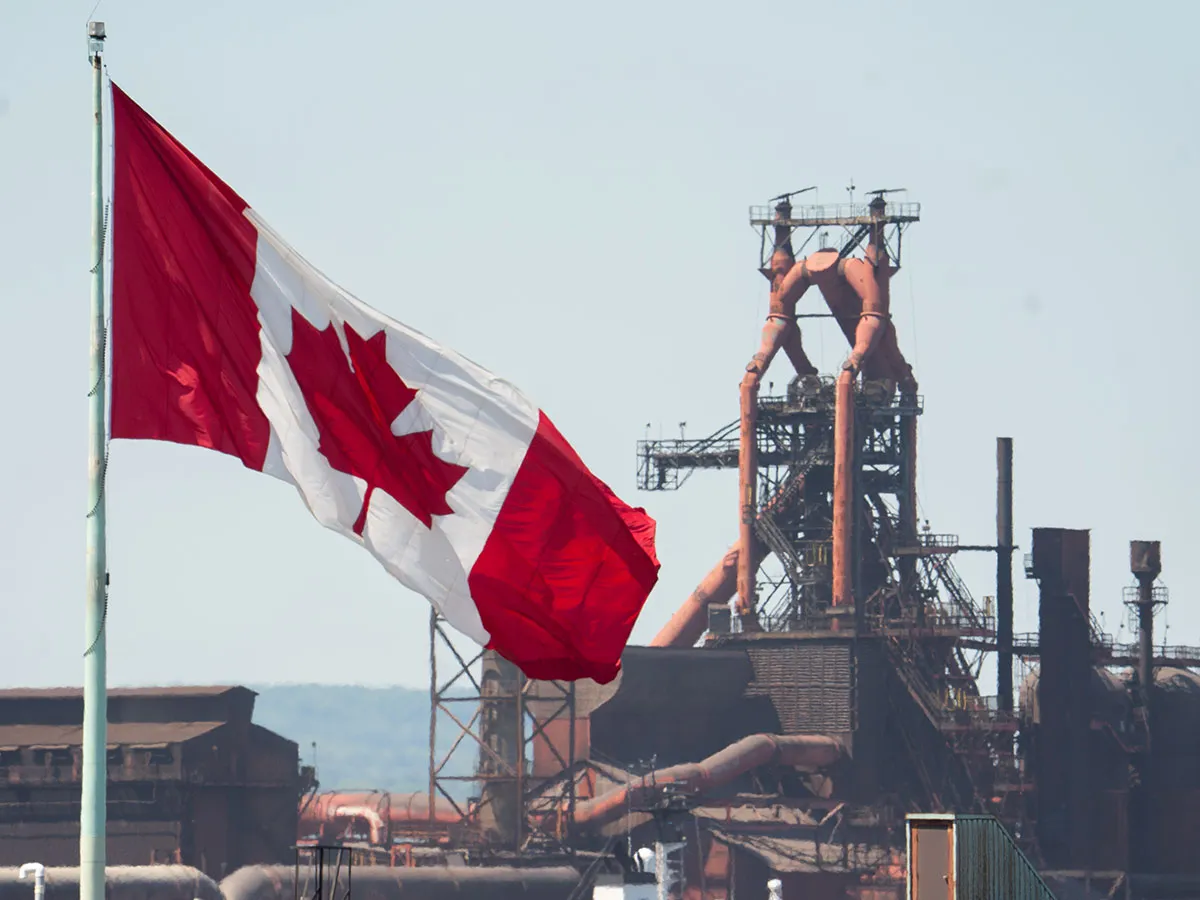
Skip to Content News Archives Economy Energy Oil & Gas Renewables Electric Vehicles Mining Commodities Agriculture Real Estate Mortgages Mortgage Rates Finance Banking Insurance Fintech Cryptocurrency Work Wealth Smart Money Wealth Management Investor Personal Finance Family Finance Retirement Taxes High Net Worth FP Comment Executive Women Puzzmo Newsletters Financial Times Business Essentials More Innovation Information Technology FP500 Podcasts Small Business Lives Told Tails Told Shopping Financial Post Store Obituaries Place a Notice Advertising Advertising With Us Advertising Solutions Postmedia Ad Manager Sponsorship Requests Classifieds Place a Classifieds ad Working Profile Settings My Subscriptions Saved Articles My Offers Newsletters Customer Service FAQ News Economy Energy Mining Real Estate Finance Work Wealth Investor FP Comment Executive Women Puzzmo Newsletters Financial Times Business Essentials HomeCommoditiesCanadian steel companies pay US$19 million to settle allegations they lied about their steel shipmentsU.S. steel companies have long complained that Canada has acted as a backdoor for cheaper, unfairly subsidized steelLast updated 2 days ago You can save this article by registering for free here. Or sign-in if you have an account.Canada's steel import regulations are too lax, say U.S. trade representatives, which allows other countries to transship their steel through Canada and then into the U.S. Photo by Luke Hendry/PostmediaTwo Canadian steel companies and one of their part owners agreed to pay US$19 million as part of a settlement with the United States Department of Justice (DOJ) that they illegally circumvented duties on steel from China, Indonesia, Italy, Turkey and Vietnam.Subscribe now to read the latest news in your city and across Canada.Exclusive articles from Barbara Shecter, Joe O'Connor, Gabriel Friedman, and others.Daily content from Financial Times, the world's leading global business publication.Unlimited online access to read articles from Financial Post, National Post and 15 news sites across Canada with one account.National Post ePaper, an electronic replica of the print edition to view on any device, share and comment on.Daily puzzles, including the New York Times Crossword.Subscribe now to read the latest news in your city and across Canada.Exclusive articles from Barbara Shecter, Joe O'Connor, Gabriel Friedman and others.Daily content from Financial Times, the world's leading global business publication.Unlimited online access to read articles from Financial Post, National Post and 15 news sites across Canada with one account.National Post ePaper, an electronic replica of the print edition to view on any device, share and comment on.Daily puzzles, including the New York Times Crossword.Create an account or sign in to continue with your reading experience.Access articles from across Canada with one account.Share your thoughts and join the conversation in the comments.Enjoy additional articles per month.Get email updates from your favourite authors.Create an account or sign in to continue with your reading experience.Access articles from across Canada with one accountShare your thoughts and join the conversation in the commentsEnjoy additional articles per monthGet email updates from your favourite authorsSign In or Create an AccountorBrampton, Ont.-based Royal Canadian Steel Inc., Farjess Inc. and Feroz Jessani, president and part-owner of the two companies, allegedly misrepresented the steel as being from Canada or the U.S., according to the DOJ.Jessani did not respond to emails and the person who picked up the phone at Royal Canadian Steel said he is currently on vacation outside of Canada.Royal Canadian Steel has a processing plant in Brampton and other facilities in China, Pakistan and India, according to its LinkedIn page.In the U.S., companies must declare the country of origin and value of the goods being imported to U.S. Customs and Border Protection (CBP).Between May 2019 and January 2025, Royal Canadian Steel, Farjess and Jessani avoided duties by “knowingly misrepresenting … the country of origin of certain flat-rolled steel,” the DOJ said.Shamsh Dhala, a broker who worked with Farjess, tipped the government off by filing a civil suit in the U.S. under the False Claims Act, which allows whistleblowers to receive a portion of any money recovered by the government. The DOJ said Dhala would receive US$3.61 million of the settlement.“Our border is the frontline of American industry. Approximately half of all U.S.-Canada land trade flows through our district.” Jerome Gorgon Jr., U.S. attorney for the Eastern District of Michigan, where the case was filed, said in a press release. “And we will continue to protect our businesses from foreign fraudsters.”U.S. steel companies have long complained that Canada has acted as a backdoor for cheaper, unfairly subsidized steel to enter the U.S. They, along with U.S. trade representatives, said Canada’s steel import regulations are too lax, which allows other countries to transship their steel through Canada and then into the U.S.Last year, U.S. President Donald Trump placed 25 per cent tariffs on Canadian steel, which he eventually doubled to 50 per cent under section 232 of the Fair Trade Act. That has affected all steel exports, including those that comply with the Canada-U.S.-Mexico Agreement, and devastated domestic steel producers, many of whom relied on the U.S. for a major portion of their sales.Sault Ste. Marie, Ont.-based Algoma Inc., the only independently owned domestic mill in Canada, said the U.S. accounted for more than half of its revenues before the tariffs. It accepted a $400-million federal loan last year, and former chief executive Michael Garcia said the company could have faced insolvency without the support.The Organization for Economic Co-operation and Development has said there is a worsening global overcapacity of steel that is depressing prices and it has blamed China for not cutting back production even as its domestic demand has declined.The Canadian Steel Producers Association, an industry trade group, has long lobbied for more protections to block foreign steel, which they say is often unfairly subsidized.In response, Prime Minister Mark Carney has created progressively more stringent restrictions on foreign steel imports. Now, countries that lack a free trade agreement with Canada are limited to importing 25 per cent of the steel volumes they imported in 2024. Any steel imports in excess of that volume trigger a 50 per cent tariff.Similarly, even countries that have free trade agreements with Canada are limited to 75 per cent of the volume they sent here in 2024, above which they face a 50 per cent tariff.Eric Miller, president of the Washington, D.C.-based Rideau Potomac Strategy Group, a trade and government affairs consultant with a focus on Canada-U.S. policies, said the case should serve as a warning for Canada.“We should be taking it seriously,” he said. “One, we don’t want dumped steel coming into the market. Also, you don’t want a perception to grow, say, if seven cases came out, that Canada is a bad actor.” Get the latest from Gabriel Friedman straight to your inbox Join the Conversation This website uses cookies to personalize your content (including ads), and allows us to analyze our traffic. Read more about cookies here. By continuing to use our site, you agree to our Terms of Use and Privacy Policy.
Canadian steel companies pay US$19 million to settle allegations they lied about their steel shipments
DOJ alleged that Canadian companies lied and said steel from Asia, Europe was from Canada and the U.S. to avoid duties. Find out more here
1,135 words~5 min read