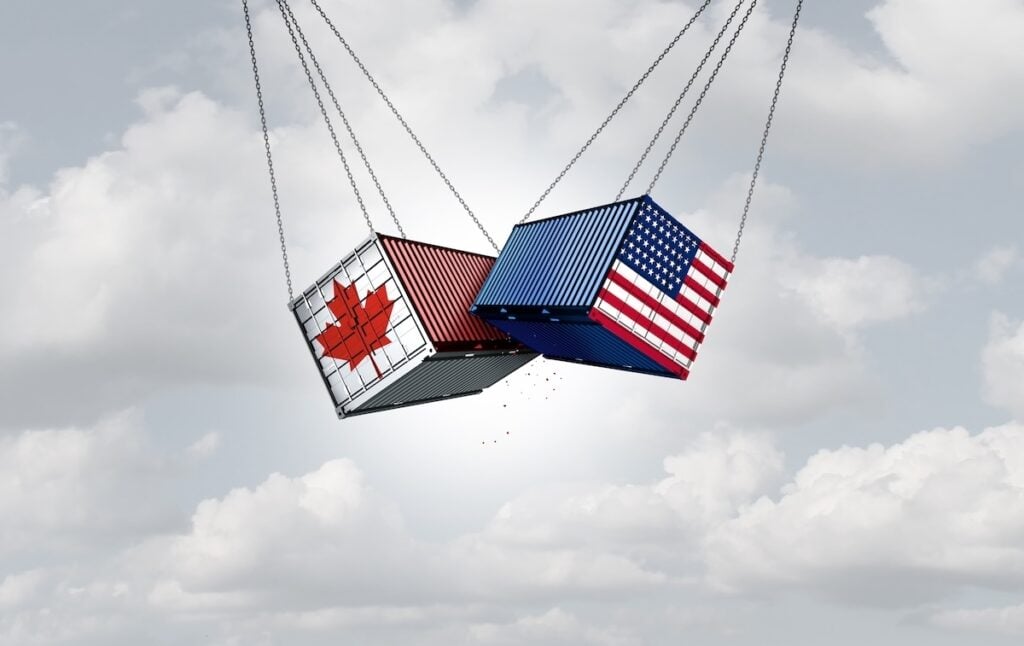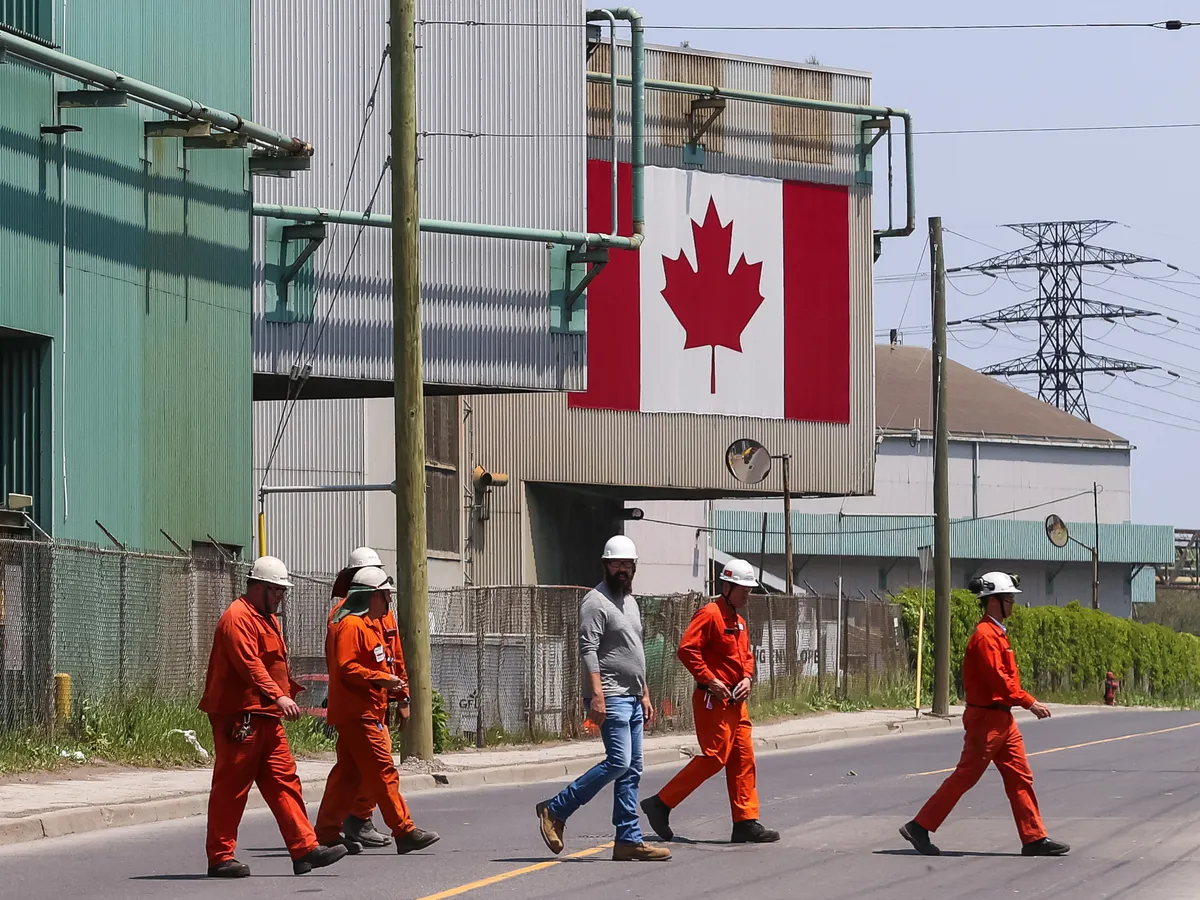
Skip to Content News Archives Economy Energy Oil & Gas Renewables Electric Vehicles Mining Commodities Agriculture Real Estate Mortgages Mortgage Rates Finance Banking Insurance Fintech Cryptocurrency Work Wealth Smart Money Wealth Management Investor Personal Finance Family Finance Retirement Taxes High Net Worth FP Comment Executive Women Puzzmo Newsletters Financial Times Business Essentials More Innovation Information Technology FP500 Podcasts Small Business Lives Told Tails Told Shopping Financial Post Store Obituaries Place a Notice Advertising Advertising With Us Advertising Solutions Postmedia Ad Manager Sponsorship Requests Classifieds Place a Classifieds ad Working Profile Settings My Subscriptions My Offers Newsletters Customer Service FAQ News Economy Energy Mining Real Estate Finance Work Wealth Investor FP Comment Executive Women Puzzmo Newsletters Financial Times Business Essentials HomeCommoditiesNewsU.S. and Canada aluminum groups slam tariffs and point to ChinaRather than putting up barriers against each other, the U.S. and Canada should 'work together to grow the pie'Author of the article:Last updated 5 minutes ago The trade dispute risks diverting attention from what the industry views as a bigger threat: Chinese metal reaching North America through third countries. Photo by CN-STR/AFP via Getty ImagesThe United States and Canada should stop targeting each other with aluminum tariffs, according to industry groups representing producers of the metal in both countries, and instead forge a common front against Chinese competition.Subscribe now to read the latest news in your city and across Canada.Exclusive articles from Barbara Shecter, Joe O'Connor, Gabriel Friedman, and others.Daily content from Financial Times, the world's leading global business publication.Unlimited online access to read articles from Financial Post, National Post and 15 news sites across Canada with one account.National Post ePaper, an electronic replica of the print edition to view on any device, share and comment on.Daily puzzles, including the New York Times Crossword.Subscribe now to read the latest news in your city and across Canada.Exclusive articles from Barbara Shecter, Joe O'Connor, Gabriel Friedman and others.Daily content from Financial Times, the world's leading global business publication.Unlimited online access to read articles from Financial Post, National Post and 15 news sites across Canada with one account.National Post ePaper, an electronic replica of the print edition to view on any device, share and comment on.Daily puzzles, including the New York Times Crossword.Create an account or sign in to continue with your reading experience.Access articles from across Canada with one account.Share your thoughts and join the conversation in the comments.Enjoy additional articles per month.Get email updates from your favourite authors.Create an account or sign in to continue with your reading experience.Access articles from across Canada with one accountShare your thoughts and join the conversation in the commentsEnjoy additional articles per monthGet email updates from your favourite authorsSign In or Create an AccountorTheir comments came as the U.S. and Canada escalated a trade dispute, with Washington maintaining a 50 per cent tariff on Canadian aluminum and Ottawa retaliating with a 50 per cent duty on U.S. imports. The two countries had been negotiating a trade deal that could have lowered U.S. tariffs on Canadian metal, but the talks collapsed at the 11th hour.The groups warned that the fight risks undermining investment and disrupting one of North America’s most integrated supply chains. The U.S. relies on imports for roughly 60 per cent of its primary aluminum needs and Canada is by far its biggest foreign supplier.Breaking business news, incisive views, must-reads and market signals. Weekdays by 9 a.m.By signing up you consent to receive the above newsletter from Postmedia Network Inc.A welcome email is on its way. If you don't see it, please check your junk folder.The next issue of Posthaste will soon be in your inbox.We encountered an issue signing you up. Please try againJean Simard, head of the Aluminium Association of Canada, called for a “Fortress North America” that would preserve free trade in aluminum within the region while erecting barriers against metal from non-market economies and cracking down on transshipment.Even with new smelters and restarts, the U.S. will remain dependent on imported primary aluminum, he said. “America cannot do it alone,” Simard said during a panel discussion at the CRU/AMU Aluminum Summit in Atlanta, Georgia, on Tuesday.Chuck Johnson, chief executive officer of the U.S. Aluminum Association, also backed a regional solution, while acknowledging that President Donald Trump’s 50 per cent Section 232 tariff has created winners as well as losers at home.U.S. tariffs have been “very good” for U.S. aluminum producers in the short term, he said, while hurting businesses that pass the additional cost on to customers, such as makers of aluminum foil. Those competing interests have divided the aluminum sector over what should come next. “The industry is fatigued because it’s a moving target,” Johnson said.The shifting trade regime is also making companies reluctant to commit capital, potentially complicating Washington’s push to rebuild domestic manufacturing. The uncertainty is making it harder for aluminum producers to commit to long-term investments, Johnson said.The U.S. may ultimately need to compromise as it seeks preferential trading arrangements with Canada and Mexico, he said. “We’ve got to find a collective path forward as a region.”Simard said that the dispute risks diverting attention from what the industry views as a bigger threat: Chinese overcapacity and metal potentially reaching North America through third countries. Canada is scrutinizing its free-trade agreements for transshipment risks as Chinese companies expand production abroad, including in Indonesia.Rather than putting up barriers against each other, the U.S. and Canada should “work together to grow the pie,” Simard said. Join the Conversation This website uses cookies to personalize your content (including ads), and allows us to analyze our traffic. Read more about cookies here. By continuing to use our site, you agree to our Terms of Use and Privacy Policy.
U.S. and Canada aluminum groups slam tariffs and point to China
U.S. and Canada should stop hitting each other with aluminum tariffs, said industry groups, and forge a common front against China. Read on
945 words~4 min read