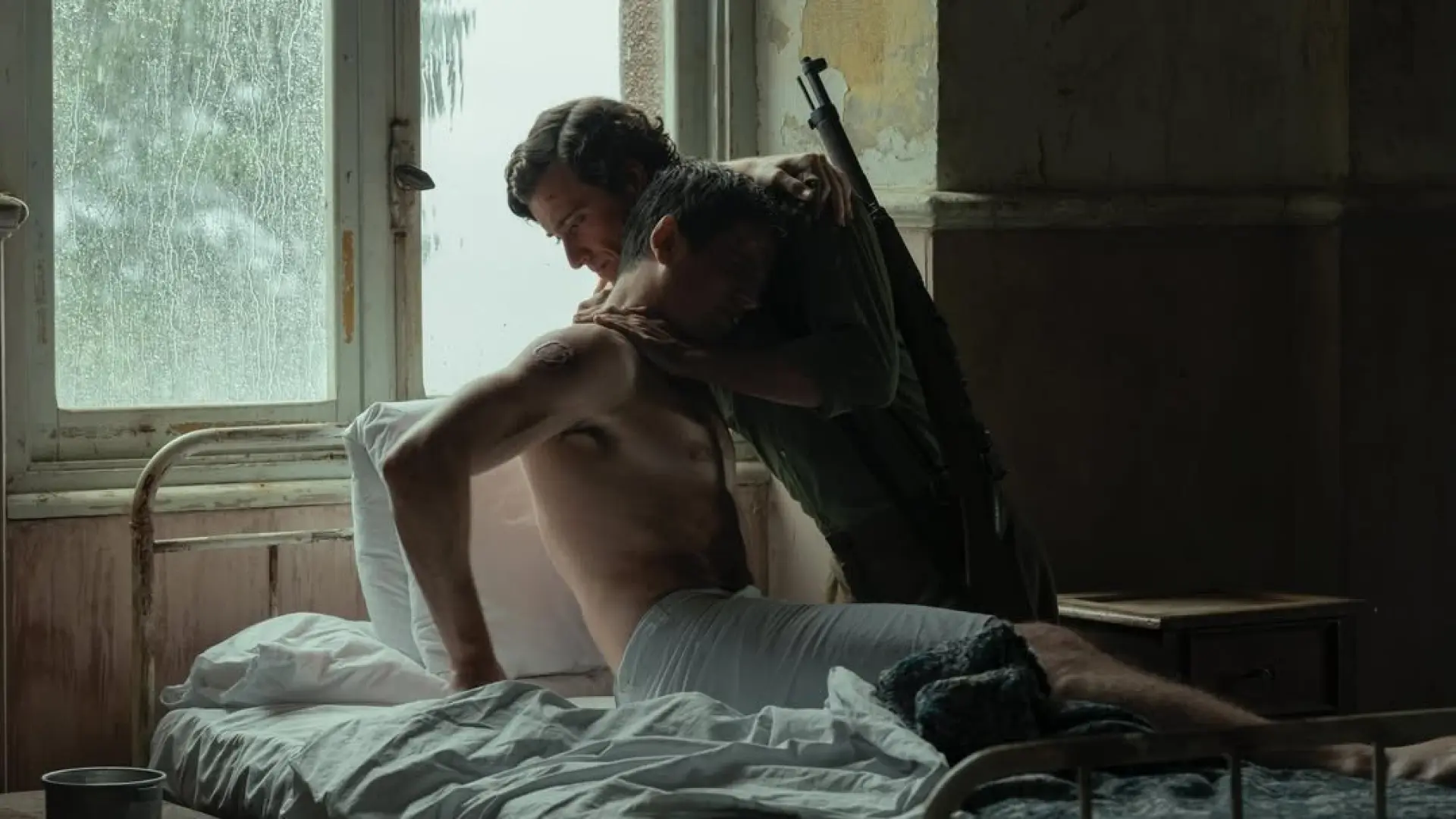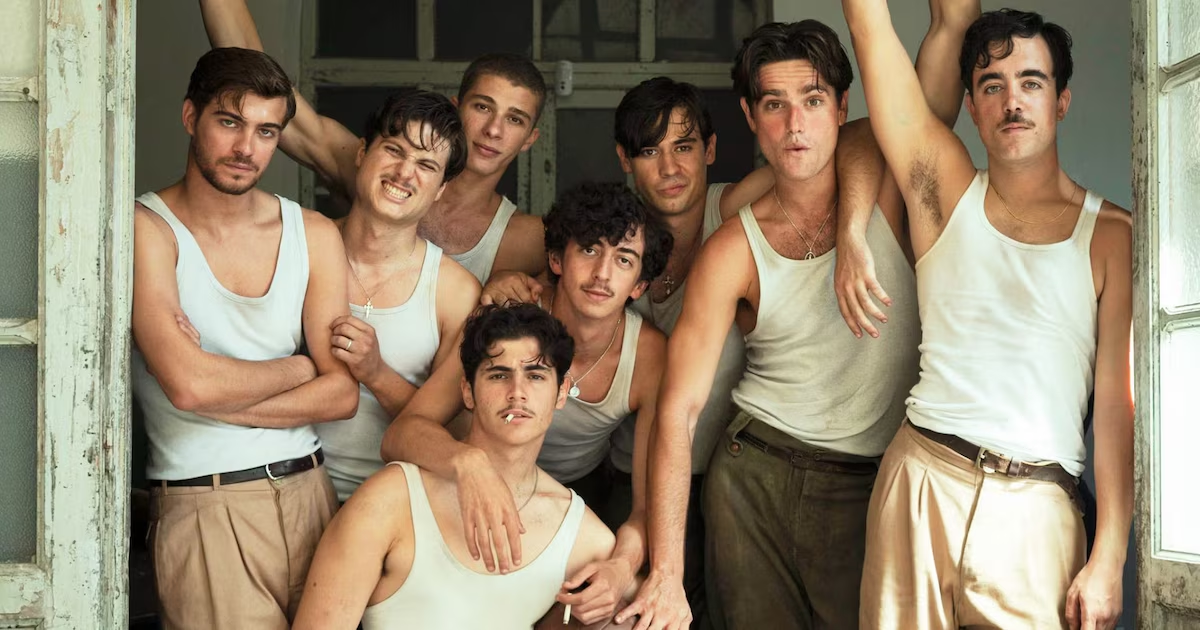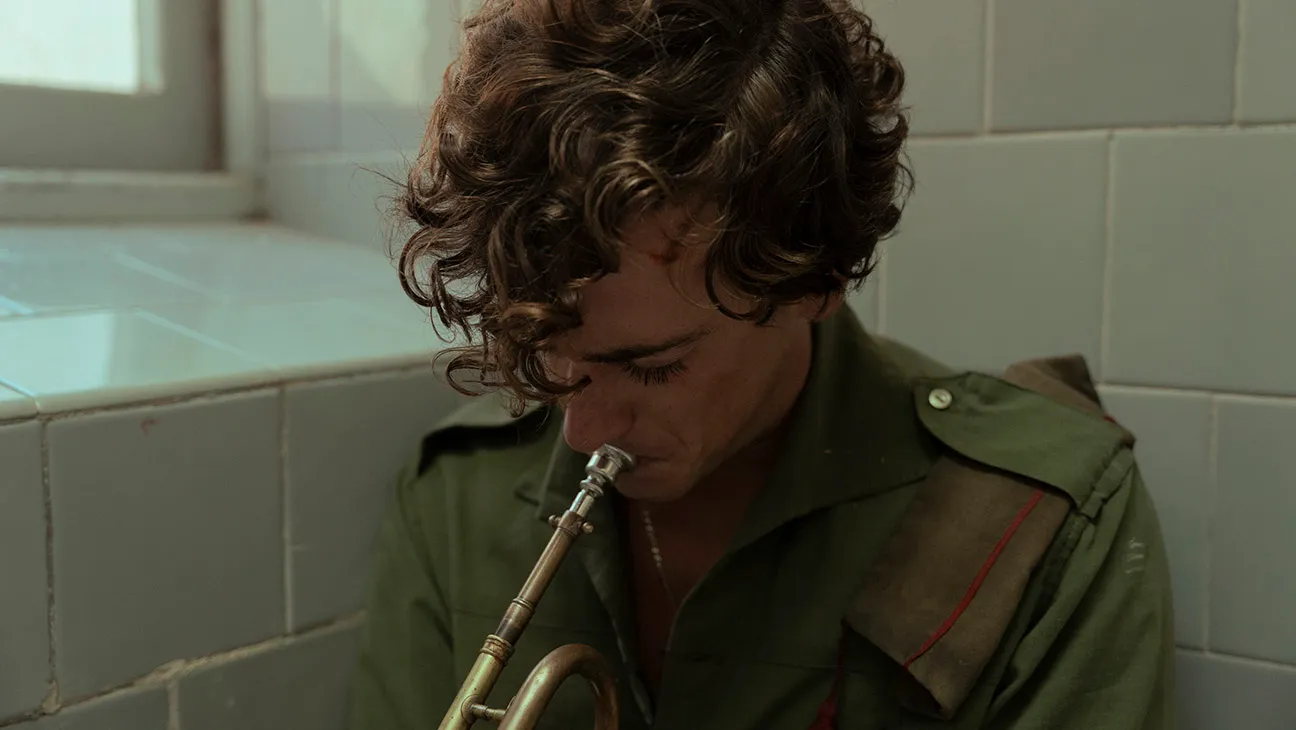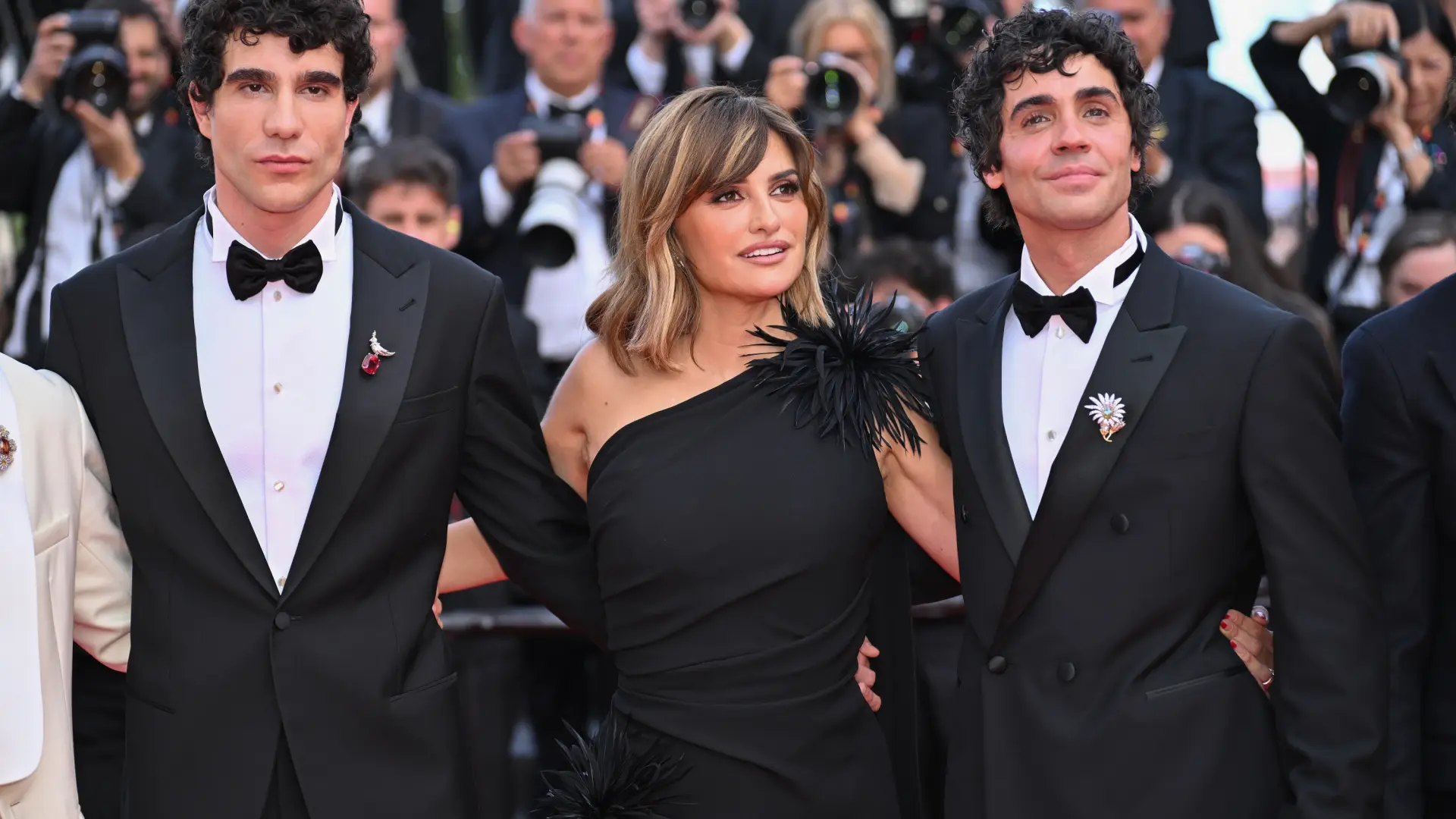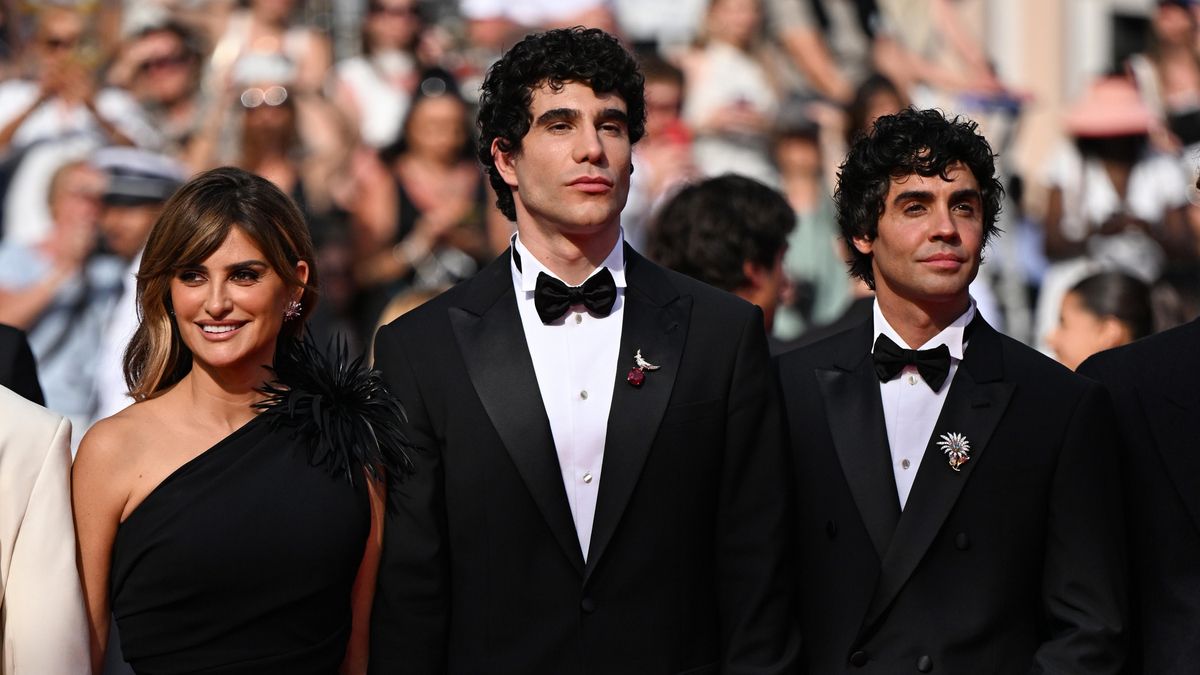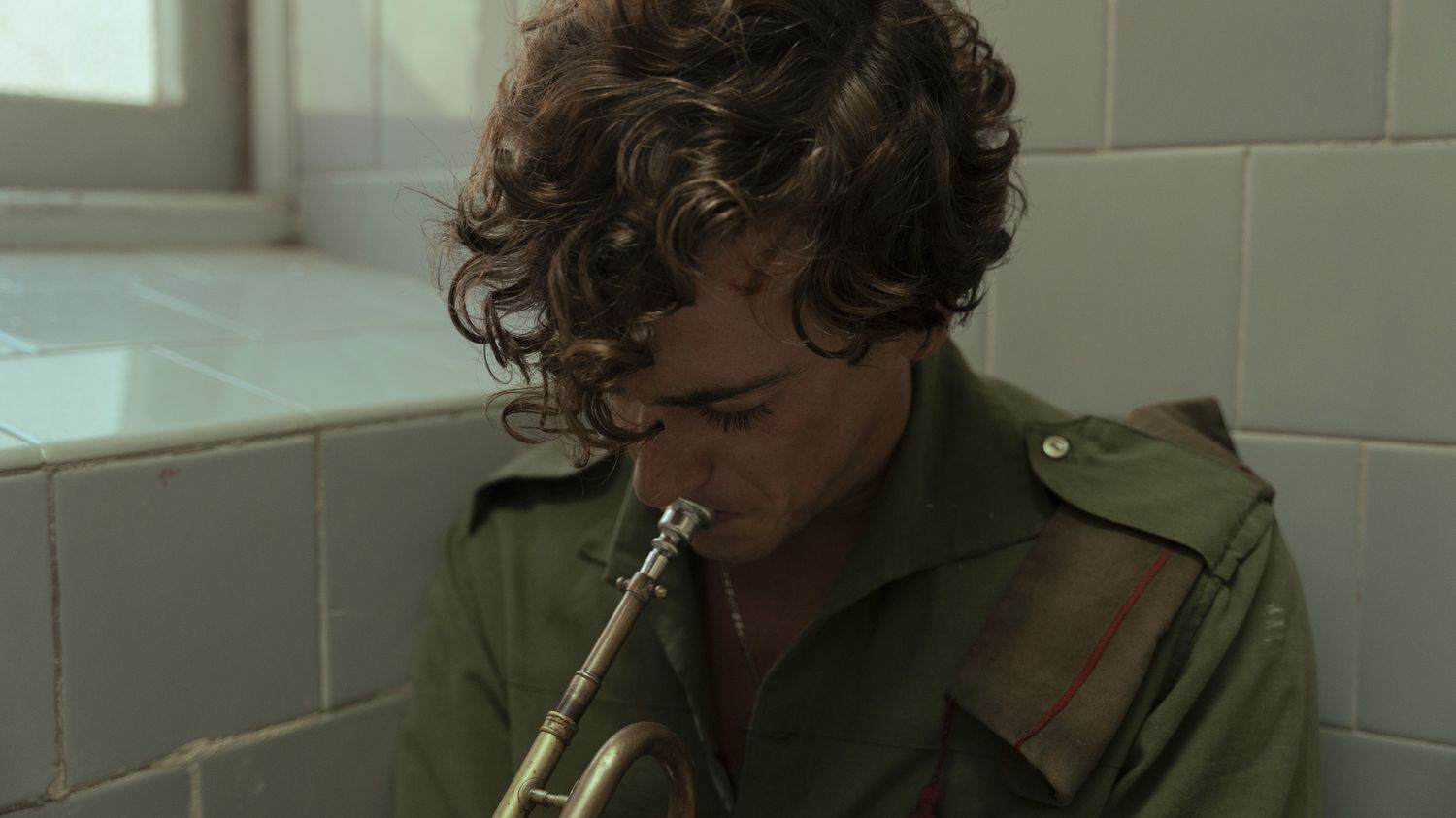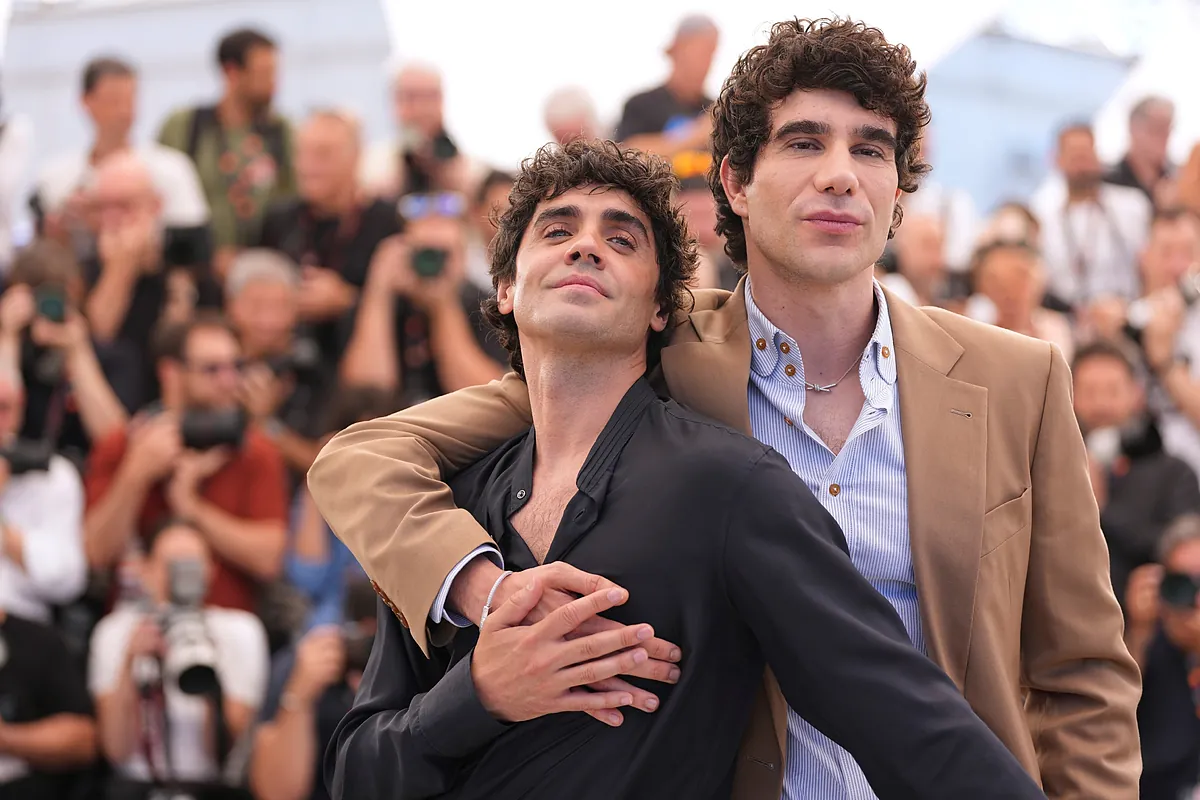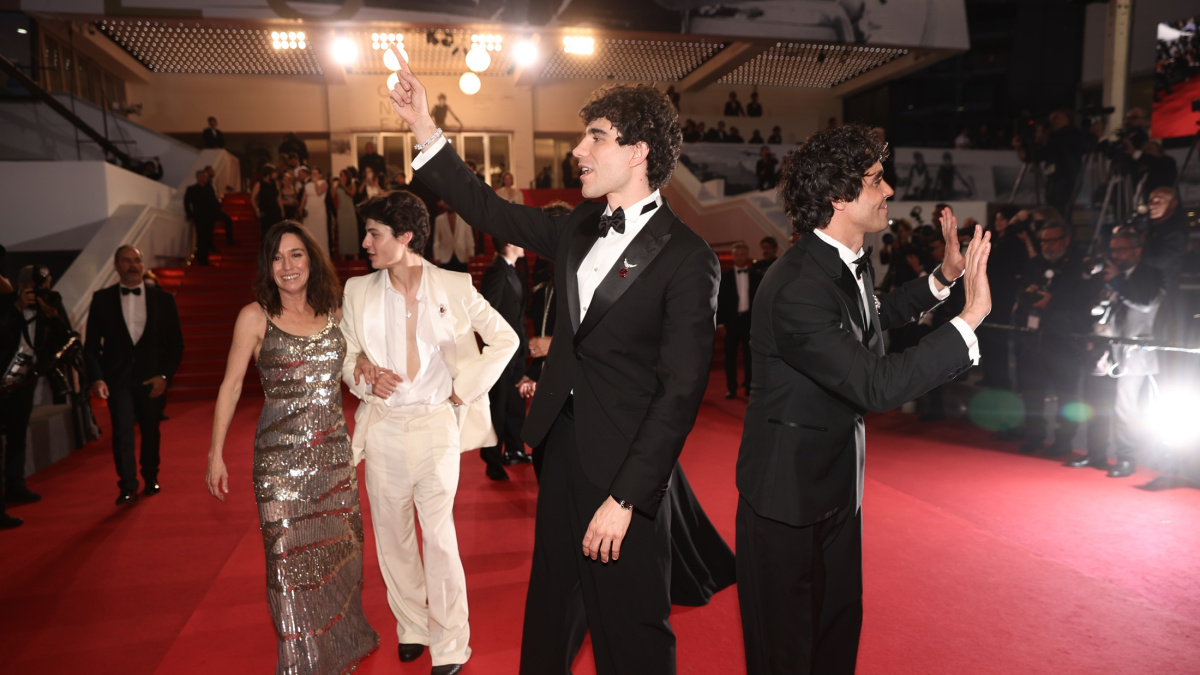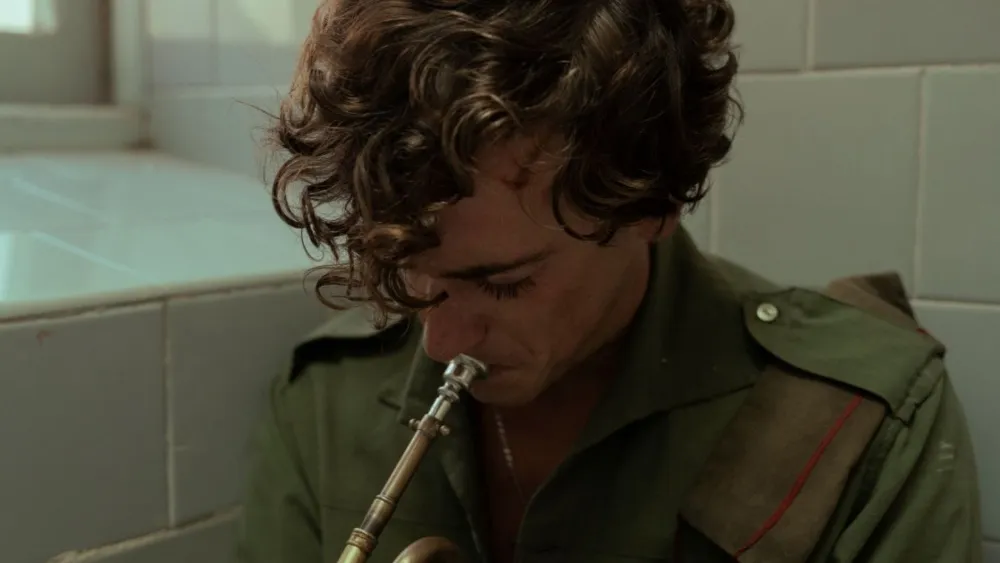
“This land has too many love stories buried in its fields,” says the Spanish poet Federico García Lorca in a brief dramatized appearance at the tail end of “The Black Ball” — a film otherwise content just to channel his spirit as it exhumes the suppressed inner lives of gay men across generations. The second feature by Spanish duo Javier Calvo and Javier Ambrossi — a two-man queer entertainment empire in their home country — is nothing if not ambitious as it fuses both real and imagined Lorca lore to connect the lives of three men variously adrift, in the years 1932, 1937 and 2017 respectively. But if “The Black Ball” occasionally strikes a poetic note worthy of its historical muse, it more often plays as turgidly overblown melodrama, its themes writ large through schematically intersecting narrative strands.
Something of a wild card entry in this year’s Cannes competition — few would have guessed that’s where the Javiers were headed after their 2017 debut, the dippy musical comedy “Holy Camp!” — “The Black Ball” has a florid formal approach and heart-on-sleeve emotionalism that will win it fans at home and abroad, both in and outside of the LGBT arthouse market. But it’s also something of a slog: Nearly 160 minutes is rather a long time to spend around the filmmakers’ brashly symphonic style, in the company of characters who, as neatly as their paths collide over time, remain fairly two-dimensional throughout, played with serviceable sincerity but not much granular detail by an attractive ensemble.