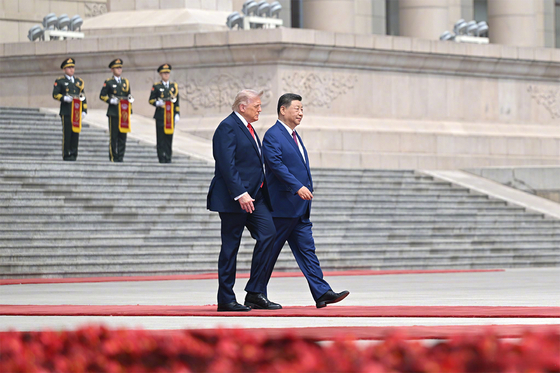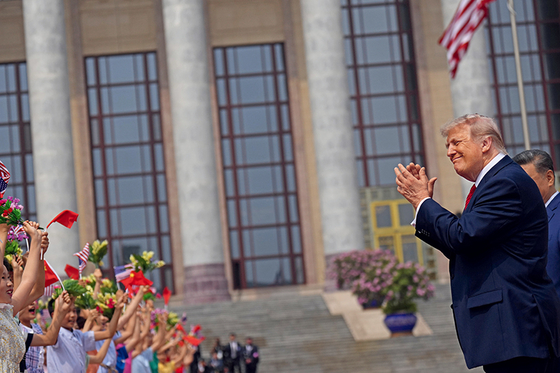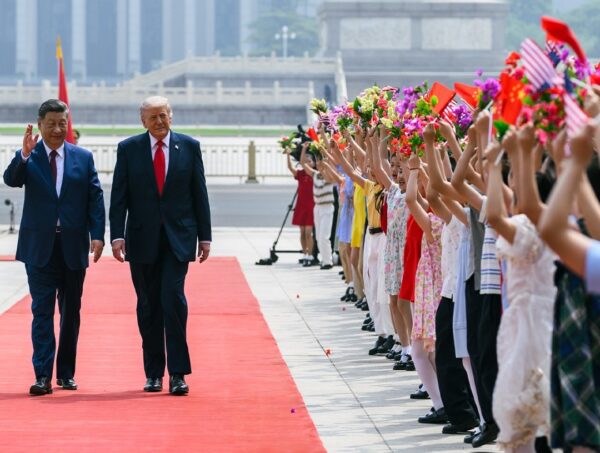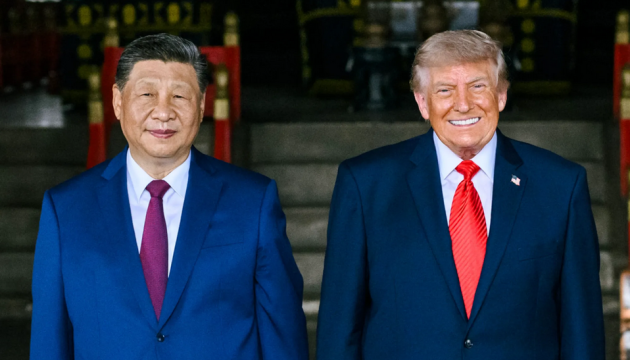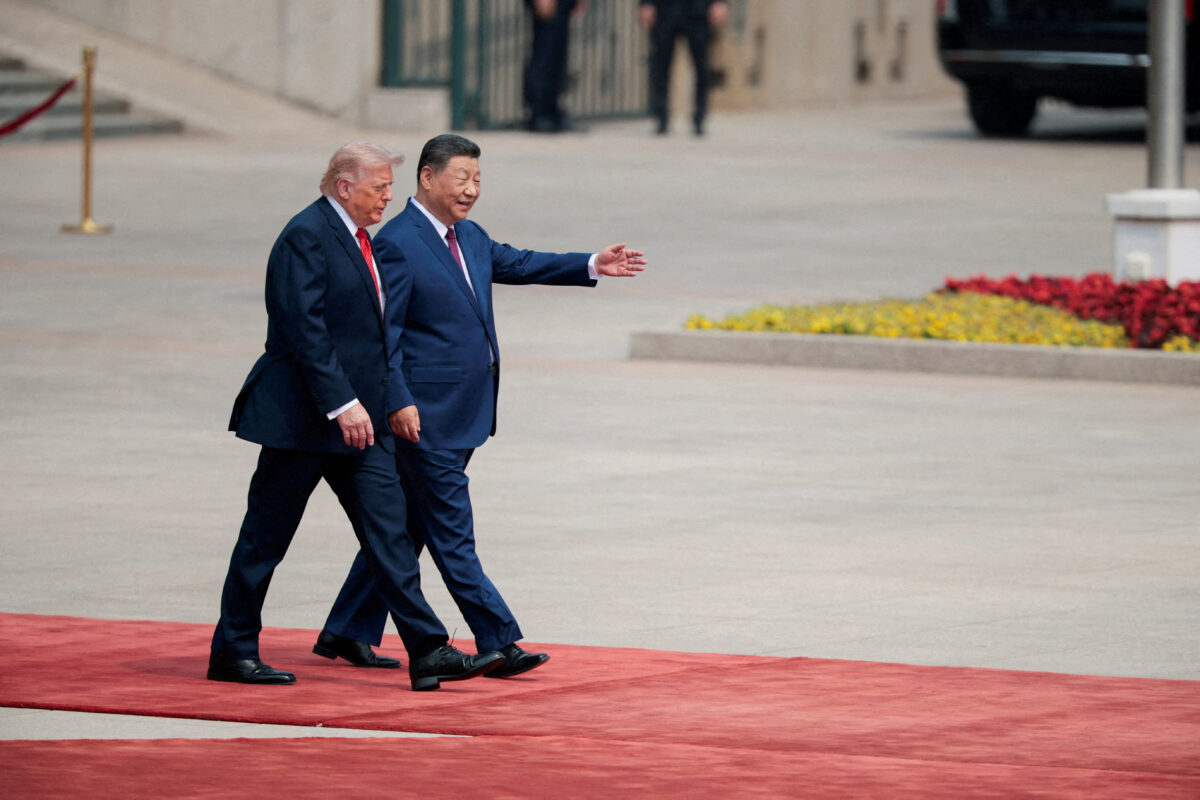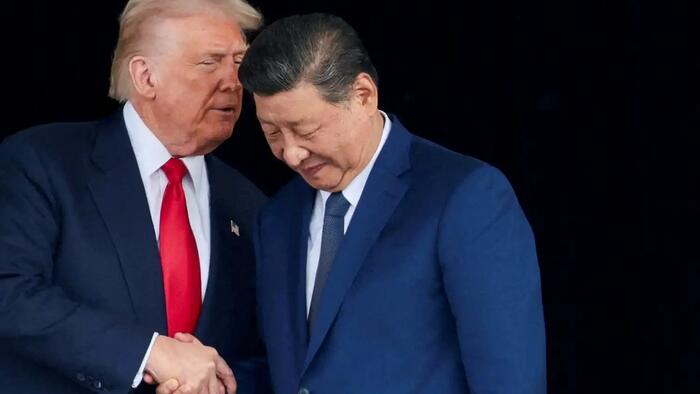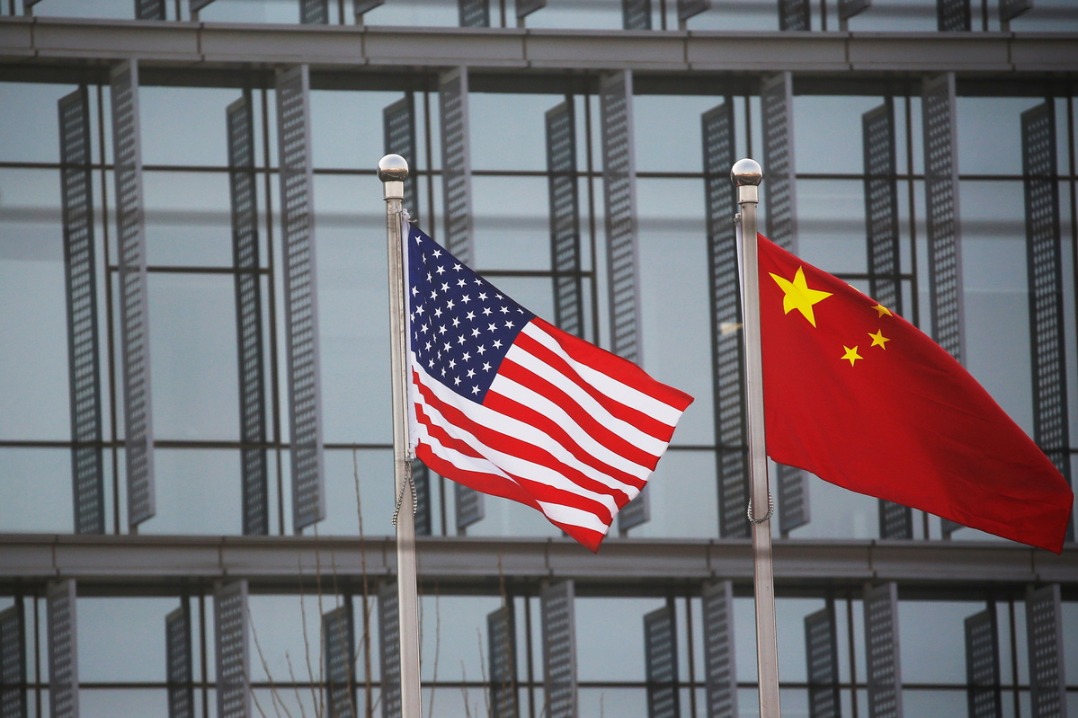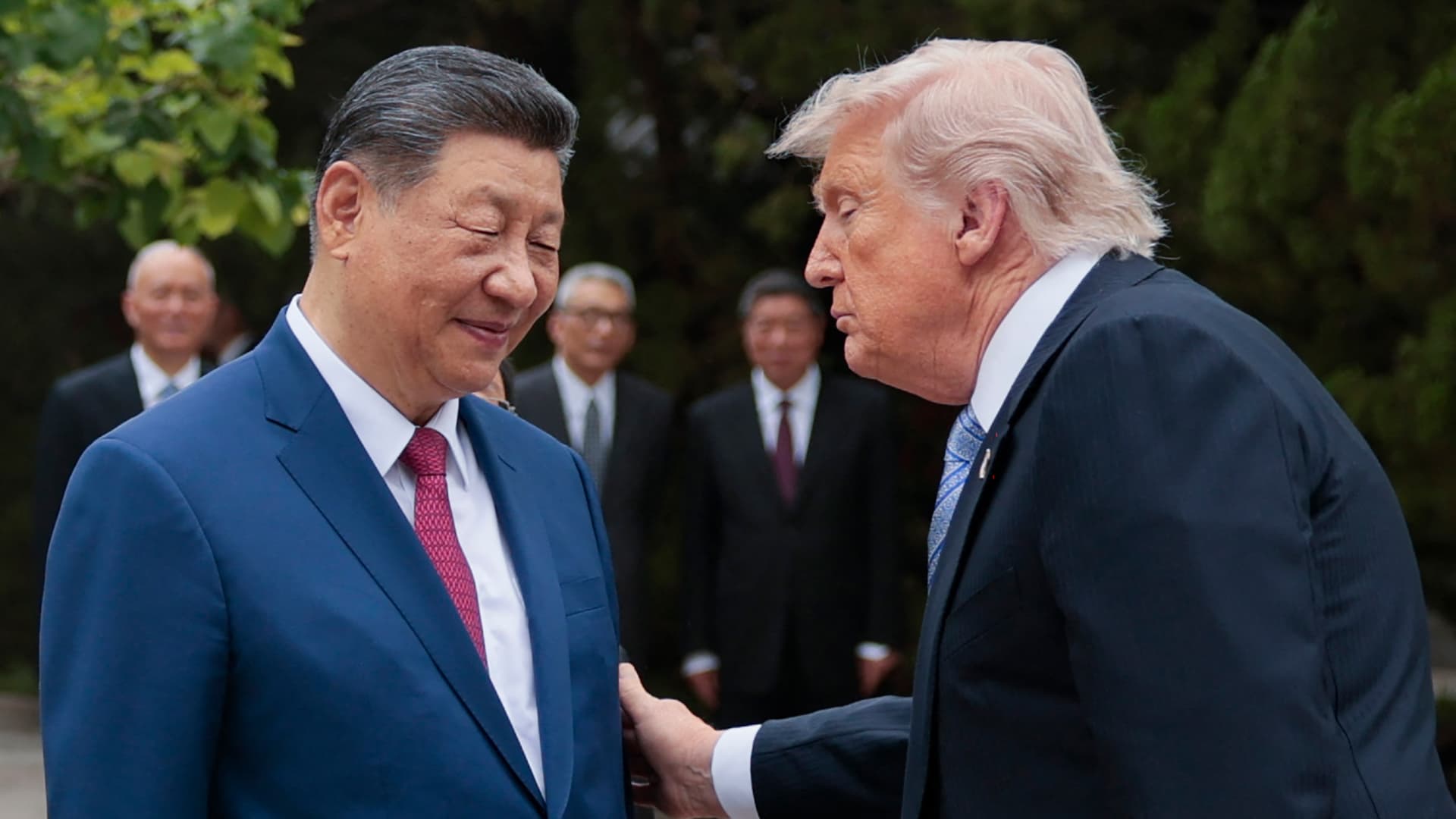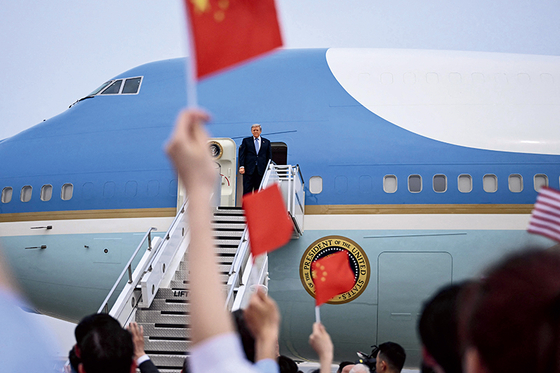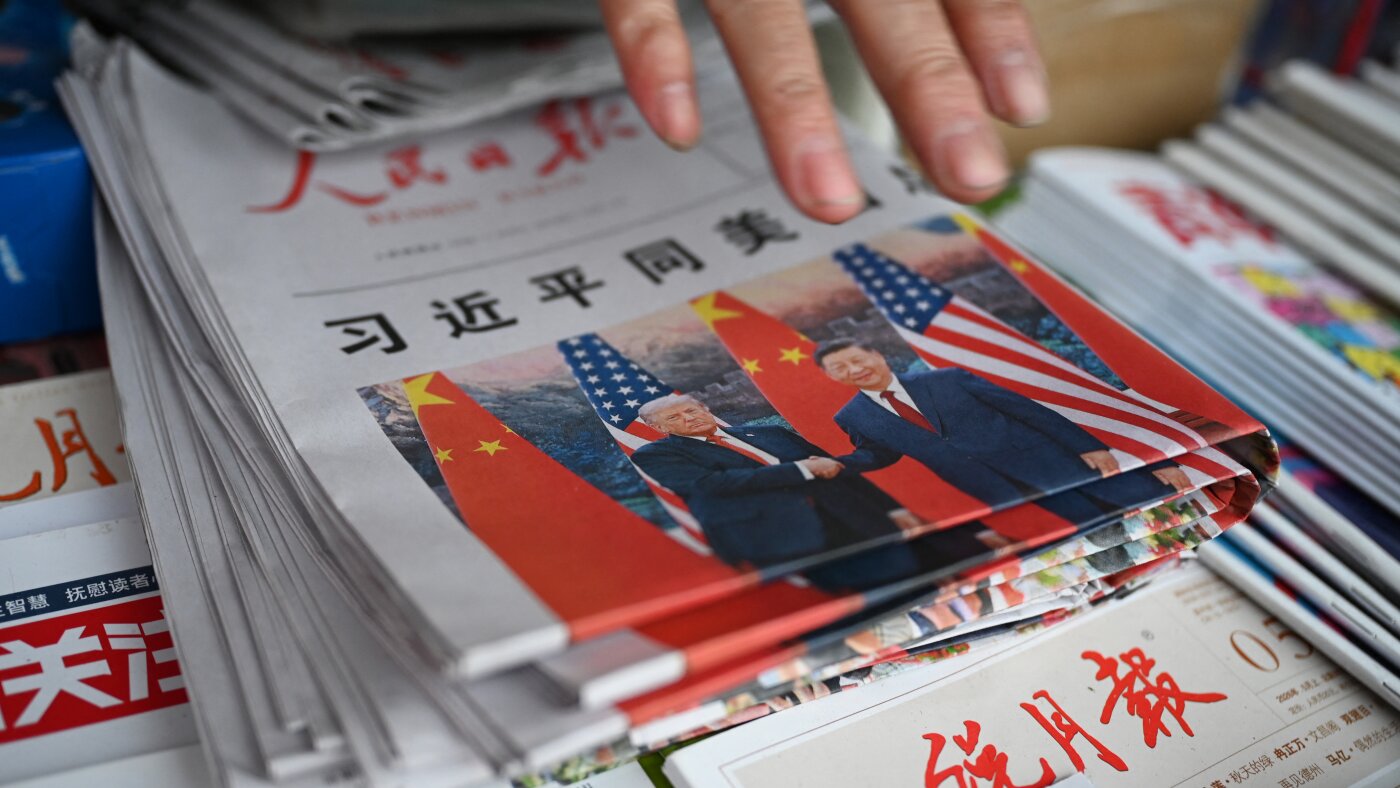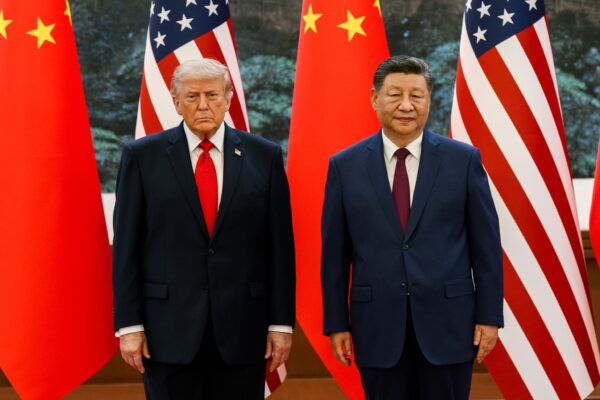
When China’s leader Xi Jinping welcomed U.S. President Donald Trump to Beijing on May 13, he framed the agreement to build “a constructive China-U.S. relationship of strategic stability” as the opening of a possible “new paradigm” in bilateral relations. Chinese commentators have embraced that framing with an enthusiasm that goes well beyond ritual endorsement of Xi Jinping Thought.
A survey of 50 Chinese-language commentaries published around the summit shows the trip being described variously as a possible “turning point in the current phase,” an “important conceptual innovation and policy breakthrough,” an event of “milestone historical significance,” and a “rewriting of the underlying logic of international relations.” Zheng Yongnian, author of that last phrase, speculated that the meeting “may prove to have more far-reaching historical significance than Nixon’s visit to China.”
State media have cautioned that “positioning is not crystallization, and planning is not arrival,” but many experts appear to treat the summit itself as a paradigmatic shift. Several authors engage openly with the G-2 concept that Beijing has formally rejected: Sun Liping, for instance, wrote that the G-2 is “taking shape” and constitutes the “thickest beam” in an emerging new world order.