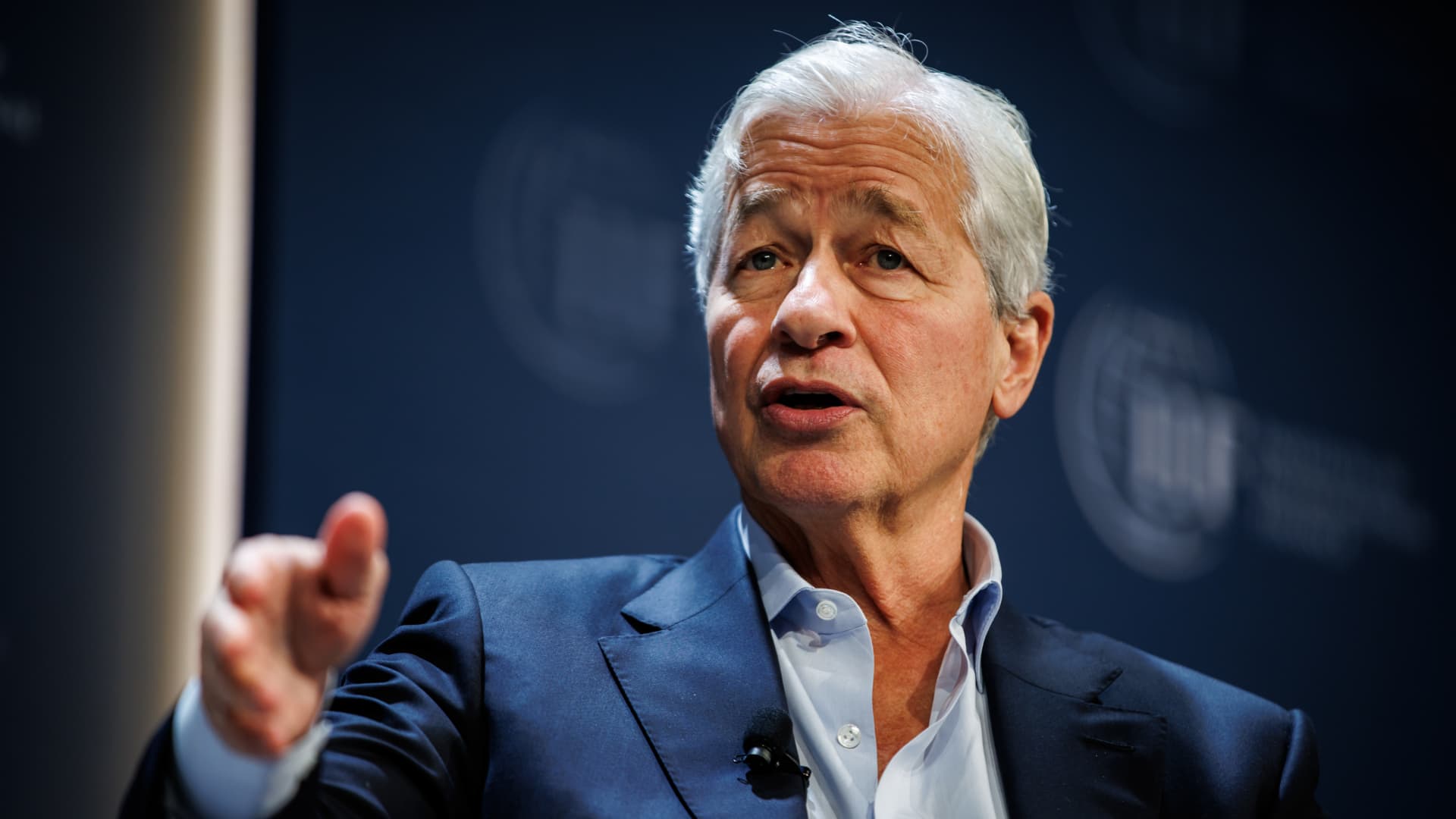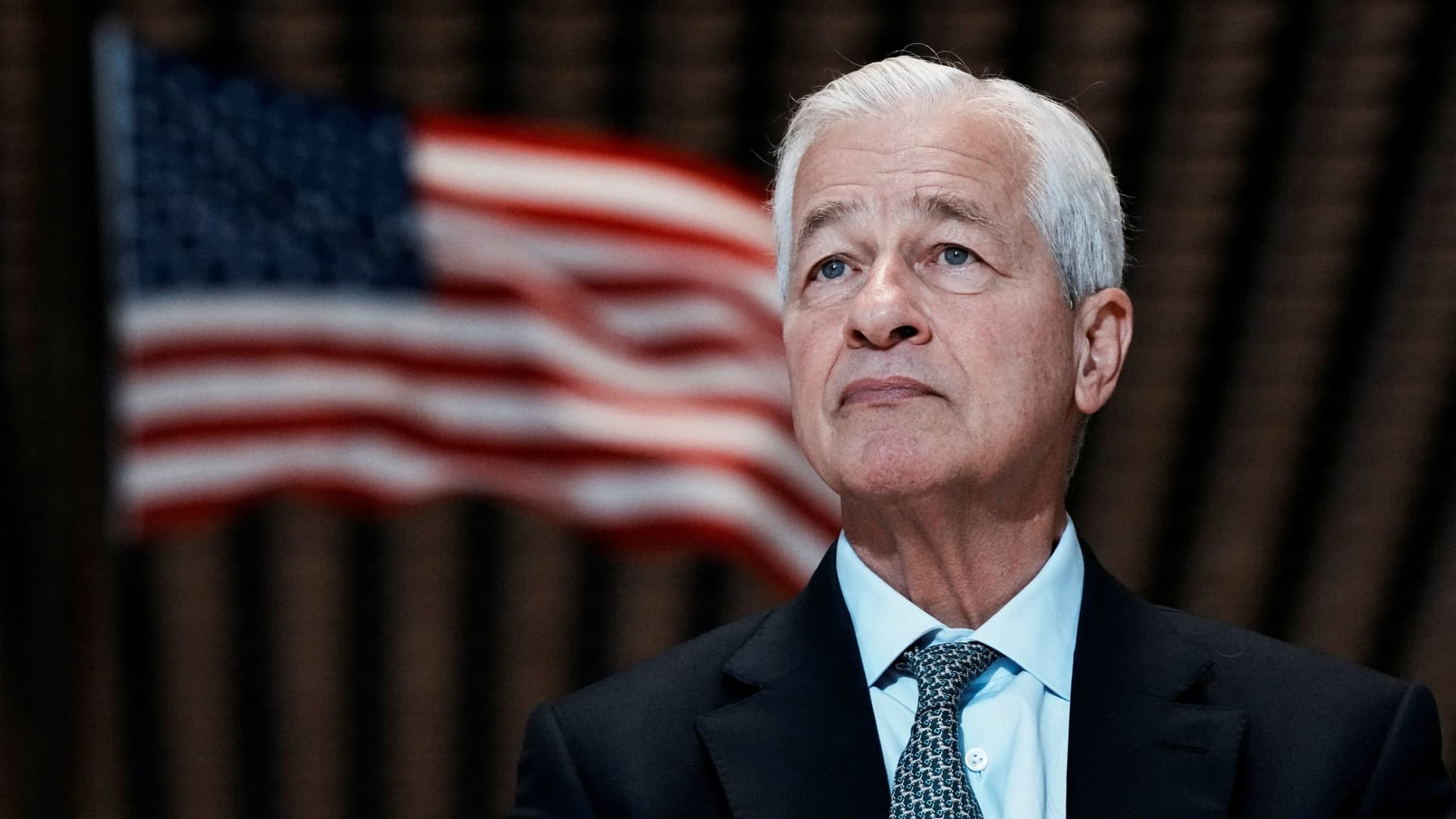
Skip to Content News Archives Economy Energy Oil & Gas Renewables Electric Vehicles Mining Commodities Agriculture Real Estate Mortgages Mortgage Rates Finance Banking Insurance Fintech Cryptocurrency Work Wealth Smart Money Wealth Management Investor Personal Finance Family Finance Retirement Taxes High Net Worth FP Comment Executive Women Puzzmo Newsletters Financial Times Business Essentials More Innovation Information Technology FP500 Podcasts Small Business Lives Told Tails Told Shopping Financial Post Store Obituaries Place a Notice Advertising Advertising With Us Advertising Solutions Postmedia Ad Manager Sponsorship Requests Classifieds Place a Classifieds ad Working Profile Settings My Subscriptions Saved Articles My Offers Newsletters Customer Service FAQ News Economy Energy Mining Real Estate Finance Work Wealth Investor FP Comment Executive Women Puzzmo Newsletters Financial Times Business Essentials HomeNewsEconomyDimon says rates risk going much higher after bond selloffBonds have come under pressure on concern that higher oil prices may compel central banks to raise interest ratesAuthor of the article:Last updated 2 days ago You can save this article by registering for free here. Or sign-in if you have an account.“Bond rates can go up,” Jamie Dimon, CEO of JPMorgan, warned during an interview with Bloomberg Television. Photo by Drew Angerer /Getty ImagesJamie Dimon said interest rates may climb much further, a warning to bond investors at a time when yields have touched multi-year highs.Subscribe now to read the latest news in your city and across Canada.Exclusive articles from Barbara Shecter, Joe O'Connor, Gabriel Friedman, and others.Daily content from Financial Times, the world's leading global business publication.Unlimited online access to read articles from Financial Post, National Post and 15 news sites across Canada with one account.National Post ePaper, an electronic replica of the print edition to view on any device, share and comment on.Daily puzzles, including the New York Times Crossword.Subscribe now to read the latest news in your city and across Canada.Exclusive articles from Barbara Shecter, Joe O'Connor, Gabriel Friedman and others.Daily content from Financial Times, the world's leading global business publication.Unlimited online access to read articles from Financial Post, National Post and 15 news sites across Canada with one account.National Post ePaper, an electronic replica of the print edition to view on any device, share and comment on.Daily puzzles, including the New York Times Crossword.Create an account or sign in to continue with your reading experience.Access articles from across Canada with one account.Share your thoughts and join the conversation in the comments.Enjoy additional articles per month.Get email updates from your favourite authors.Create an account or sign in to continue with your reading experience.Access articles from across Canada with one accountShare your thoughts and join the conversation in the commentsEnjoy additional articles per monthGet email updates from your favourite authorsSign In or Create an Accountor“They could be much higher than they are today,” the chairman and chief executive of JPMorgan Chase & Co. said in an interview with Bloomberg Television. “We may have gone from a saving glut to not enough savings.”Long-dated bonds have come under pressure on concern that higher oil prices may compel central banks to raise interest rates. Add in worries over government spending in Japan, the United Kingdom and the United States, as well as an artificial intelligence boom supporting growth in the world’s biggest economy, and investors have been seeking greater compensation to own longer-maturity debt.“Bond rates can go up,” Dimon said. “The notion that somehow people say they will never go up is the wrong notion. Companies like us prepare for higher rates, lower rates.”Get the latest headlines, breaking news and columns.By signing up you consent to receive the above newsletter from Postmedia Network Inc.A welcome email is on its way. If you don't see it, please check your junk folder.The next issue of Top Stories will soon be in your inbox.We encountered an issue signing you up. Please try againYields on 30-year Treasuries rose to levels last seen in 2007 this week while the rate on two-year securities climbed to the highest since February 2025. The moves reflect investors’ worries about the inflationary impact of the Iran war and deficit risks in the world’s biggest economy.Bonds weakened again Thursday, with yields hitting the day’s highest levels after Reuters reported that Iran’s Supreme Leader has issued a directive that the country’s near-weapons-grade uranium should not be sent abroad. That’s a potential setback for any peace deal, given the U.S. has been pushing Tehran to surrender its enriched uranium stockpile. Oil spiked on the report.The U.S. two-year yield rose as much as five basis points to 4.11 per cent, while the 10-year yield rose four basis points to 4.62 per cent.With little sign that the Middle East conflict will be resolved anytime soon, traders are pencilling in a 70 per cent chance of a quarter-point U.S. Federal Reserverate hike by December, with a 25-basis point increase by March seen as a virtual certainty. That compares with expectations for more than two quarter-point rate cuts by the end of the year before the Iran war broke out, swaps show.“U.S. government debt is $30 trillion, the average rate is 3.5 per cent. Even today they can’t possibly refinance it lower than that rate,” Dimon said. “They have another $2 trillion to do this year but the thing is we don’t know when — we don’t know when the world gets too scared about that, when inflation makes it where people don’t want to own long-term duration securities.”He added that the impact will also be felt in the credit market.“Rates can easily go up more, and credit spreads can go up more,” Dimon said. “At one point you’re going to have lots of people having to refinance at higher rates.” Join the Conversation This website uses cookies to personalize your content (including ads), and allows us to analyze our traffic. Read more about cookies here. By continuing to use our site, you agree to our Terms of Use and Privacy Policy.
Dimon says rates risk going much higher after bond selloff
Jamie Dimon said interest rates may climb much higher, a warning to bond investors as yields touch multi-year highs. Read more.
976 words~4 min read