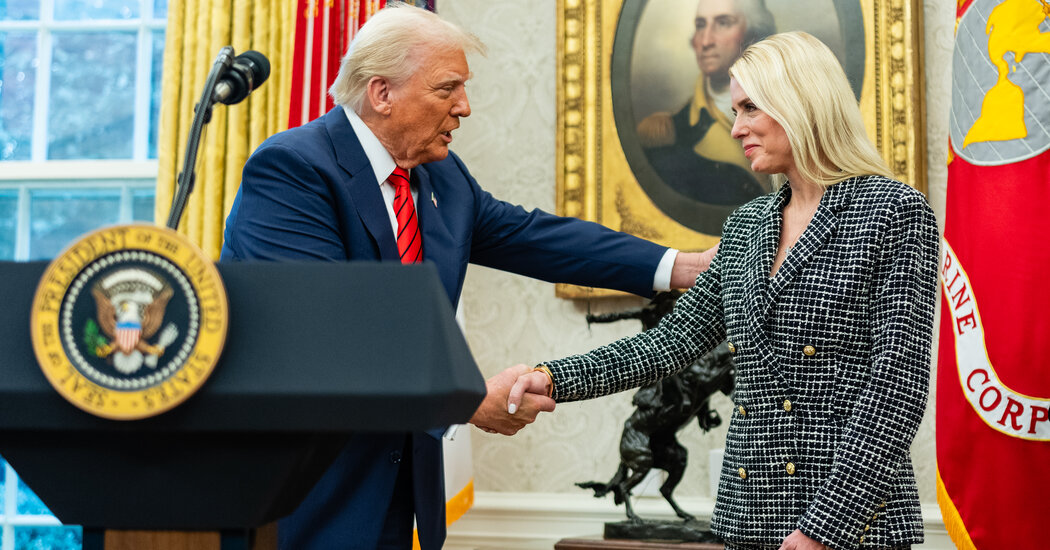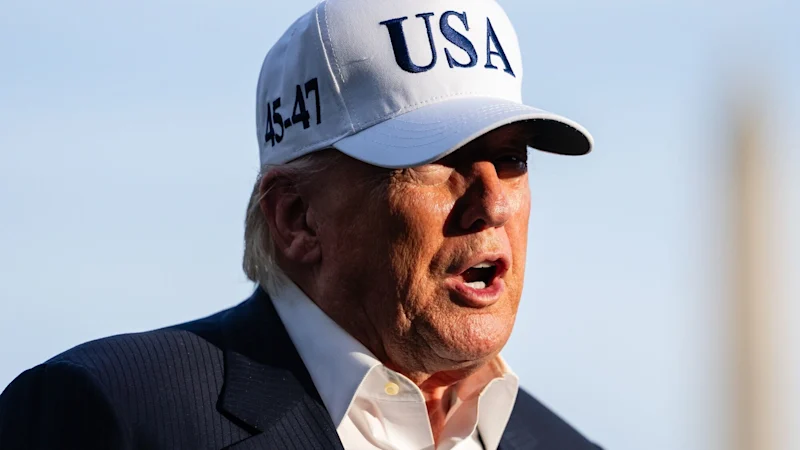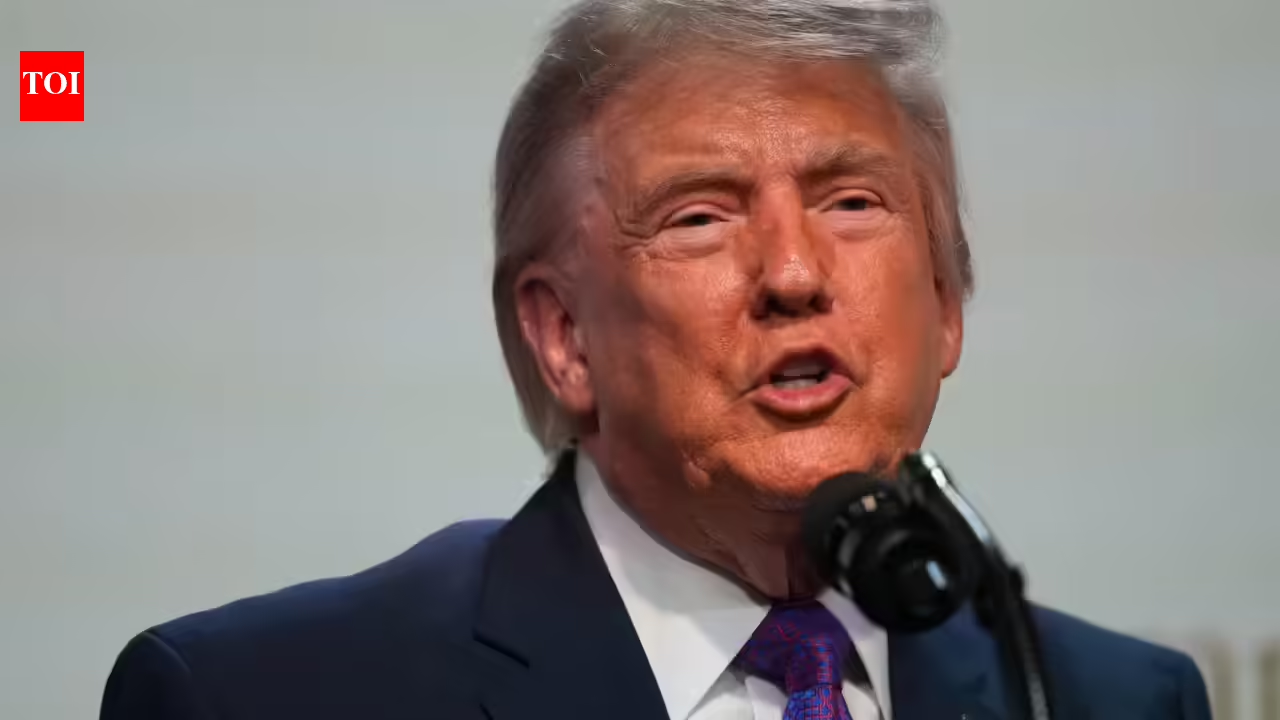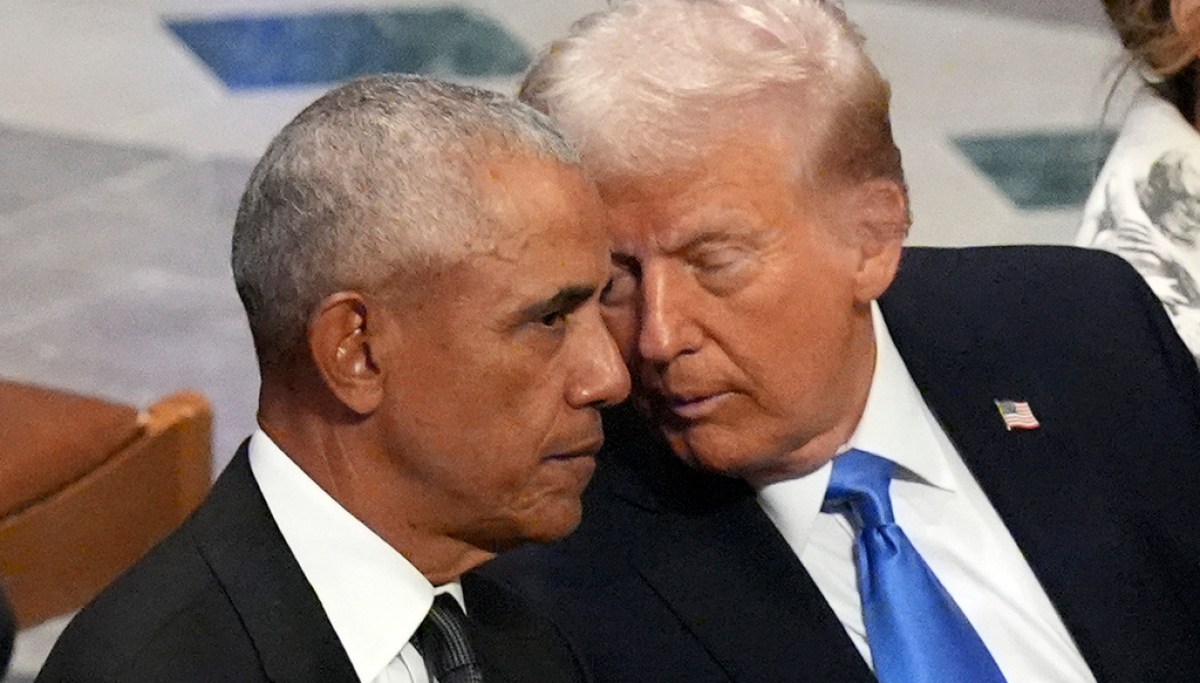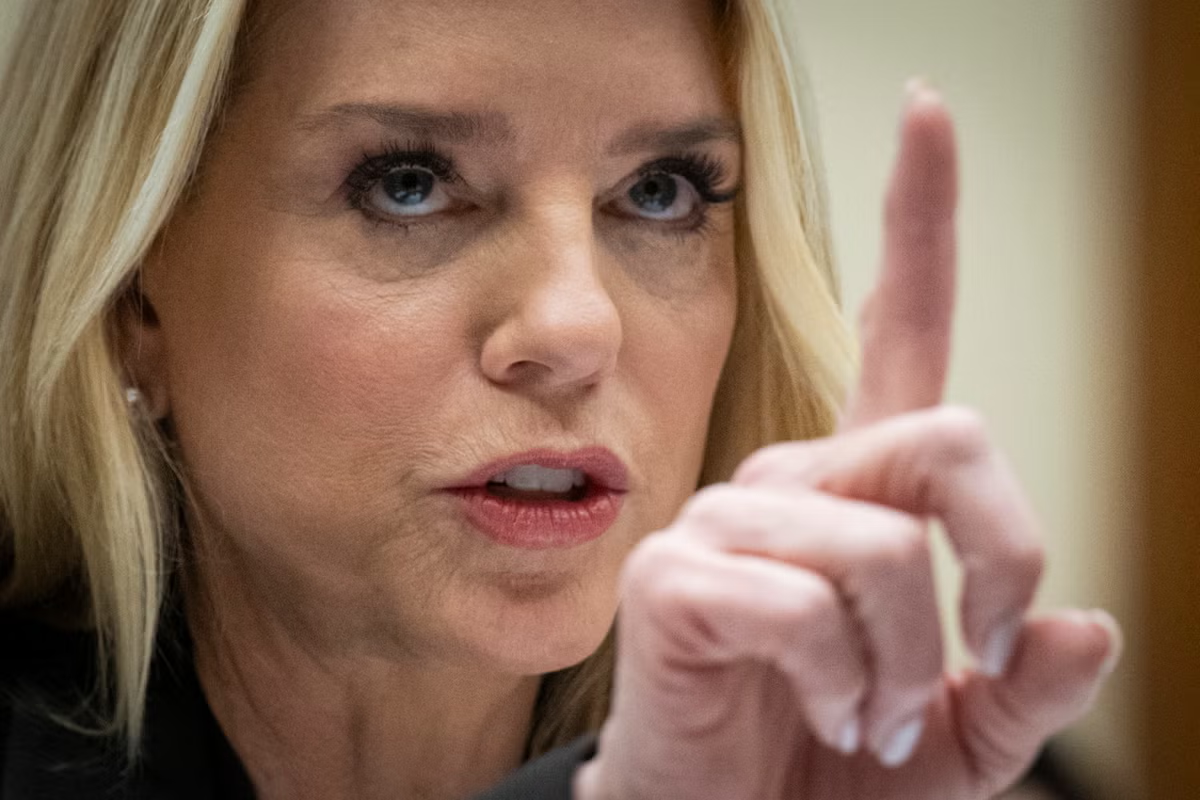
The Trump administration’s $1.776 billion compensation fund for alleged “victims” of “weaponization” appears to violate and contradict a mandate set out by ousted Attorney General Pam Bondi last year, according to legal experts.Recipients of the fund, announced by Acting Attorney General Todd Blanche last week as part of a settlement after President Donald Trump abandoned his $10 billion lawsuit against the IRS, will likely remain a secret. While Blanche — who, like Bondi is a former Trump personal attorney — has stated that Trump and his family are not eligible for the fund, the president’s donors, allies, and supporters have not been ruled out.Now, former Justice Department officials have pointed to a February 2025 directive issued by Bondi that appears to contradict the compensation fund because it could see major payouts awarded to people or groups who are not involved in an underlying lawsuit, according to The New York Times.The memo, titled “Reinstating the Prohibitions on Improper Third Party Settlements,” sets out how the department should not use settlements “to require payments to nongovernmental, third-party organizations that were neither victims nor parties to the lawsuits,” except in limited circumstances.The Trump administration’s $1.776 billion compensation fund for alleged ‘victims’ of ‘weaponization’ appears to violate and contradict a mandate set out by ousted Attorney General Pam Bondi last year, according to legal experts (AFP/Getty)“The new fund, however, appears to be structured to steer a large pot of money to third-party claimants, most of whom have not filed suits and may never file suits now that there is a fund,” The Times reports.“I’ve just never seen litigation risk outside the four corners of the complaint being used as justification for something in a totally unrelated lawsuit,” Jennifer Ricketts, who worked at the Justice Department’s civil division, told the newspaper. The Independent has contacted the Justice Department for comment.Bondi’s memo aimed to end arrangements made during the Obama administration that saw money handed to nongovernmental organizations, which conservatives viewed as “advancing ideological goals,” The Times reports. Blanche said the compensation fund was “unusual” but “not unprecedented” when confronted by Democrats this week. He gave the example of an Obama-era compensation fund to end a decades-long class-action lawsuit from Native American farmers who experienced discrimination by the federal government.Former Justice Department officials have pointed to a February 2025 directive issued by Bondi that appears to contradict the compensation fund because it could see major payouts awarded to people or groups who are not involved in an underlying lawsuit (Getty)Trump’s agreement, which applies only to existing audits, could spare the president and his family from a more than $100 million tax penalty.The president said Wednesday that he was not involved int he settlement. “I guess they made a settlement of some kind. I wasn’t involved in the settlement, I could have been involved, but I didn't choose to be, so they made a settlement,” he told reporters.Legal experts have told The Independent that the agreement between his lawyers and the IRS is a blatant and illegal act of self-dealing by the administration.“There is a federal crime that prohibits exactly what the president did, and for exactly this reason, to prevent a corrupt president from using the IRS to their own advantage,” according to UC Berkeley Law professor Brian Galle, a former federal prosecutor with the Justice Department’s Tax Division.“This is an episode that would have brought down any other presidency in American history,” he told The Independent.Alex Woodward contributed to this report
Trump’s $1.8B ‘slush fund’ appears to violate a mandate created under Pam Bondi
Then-AG Pam Bondi’s memo laid out that the Justice Department should not use settlements ‘to require payments to nongovernmental, third-party organizations that were neither victims nor parties to the lawsuits’
576 words~3 min read