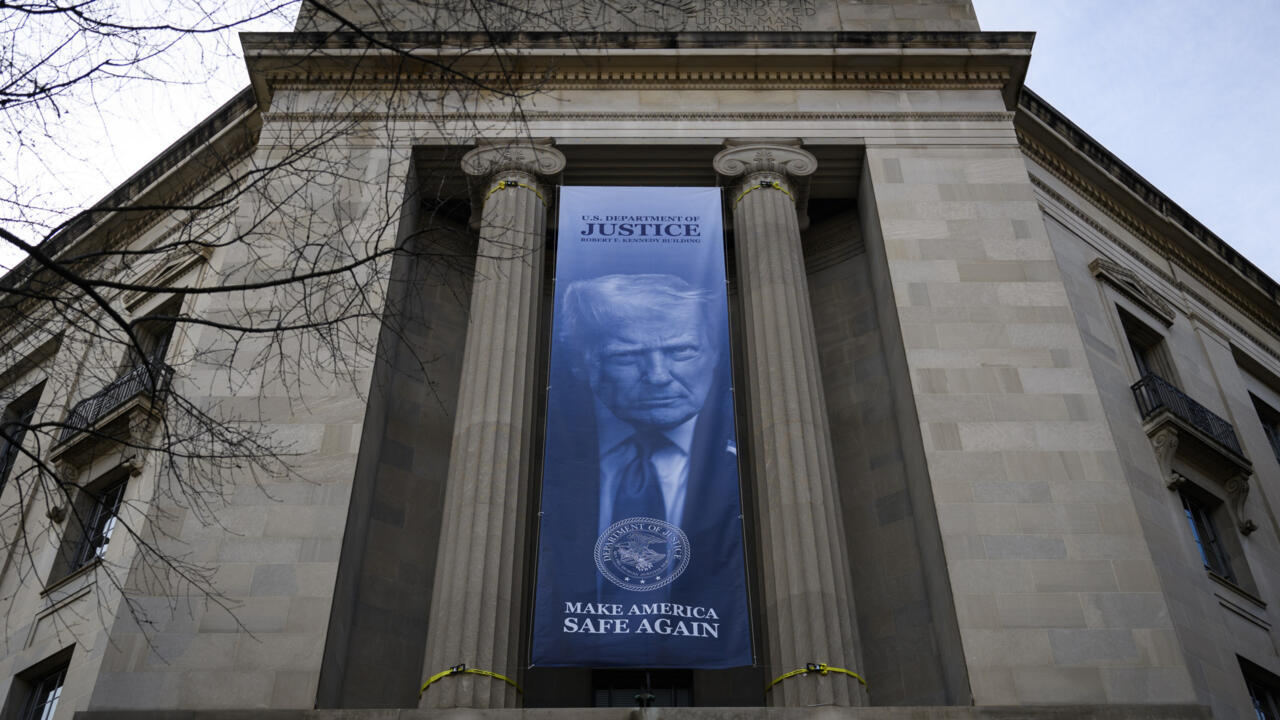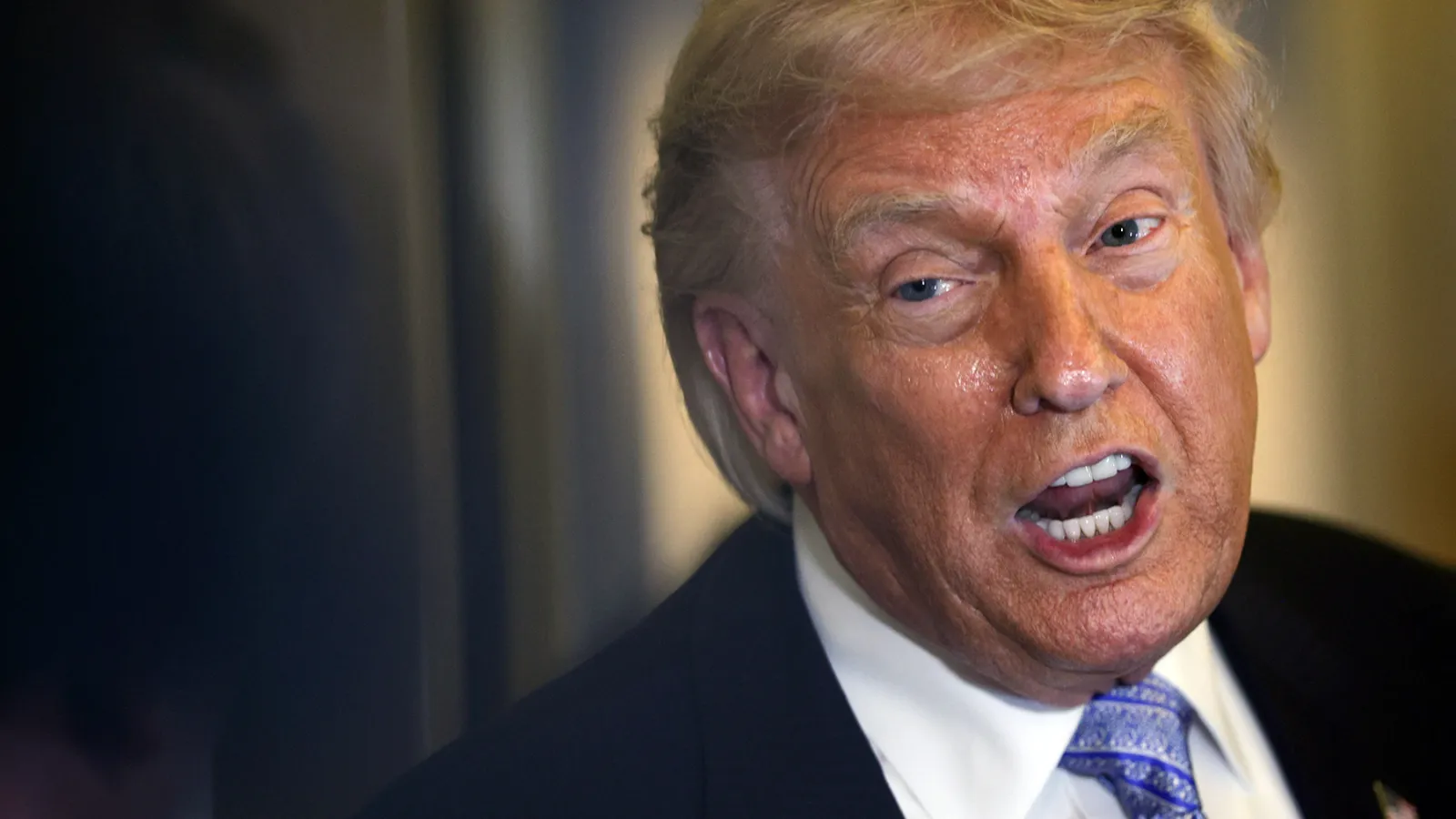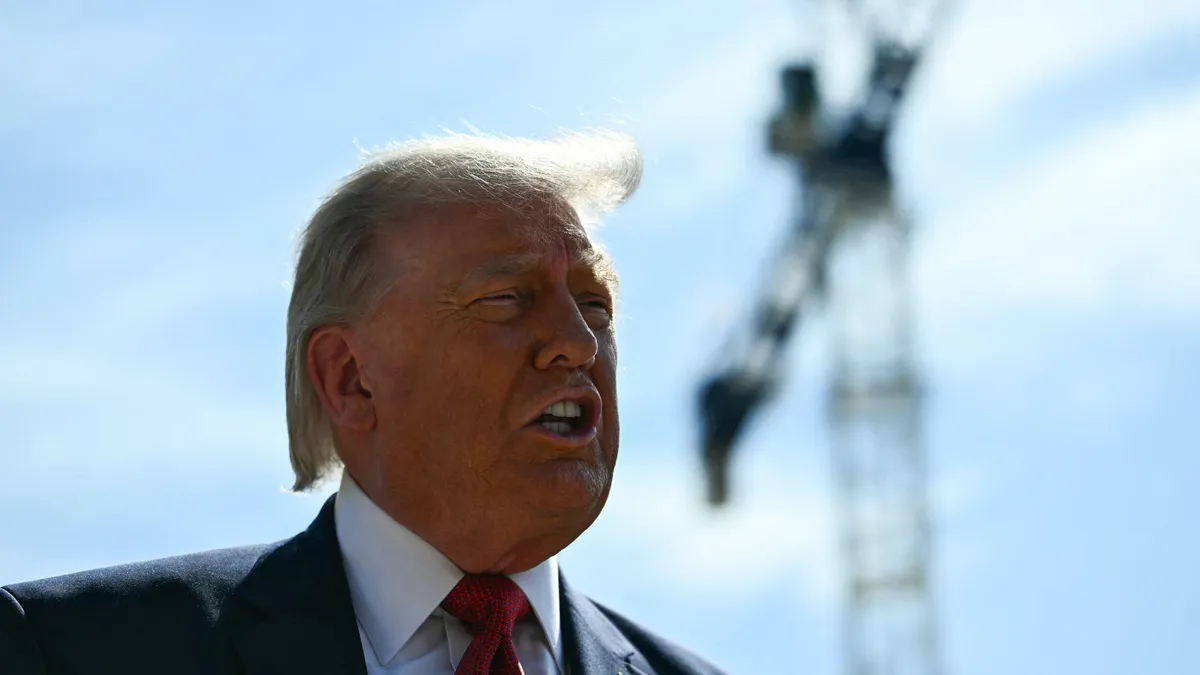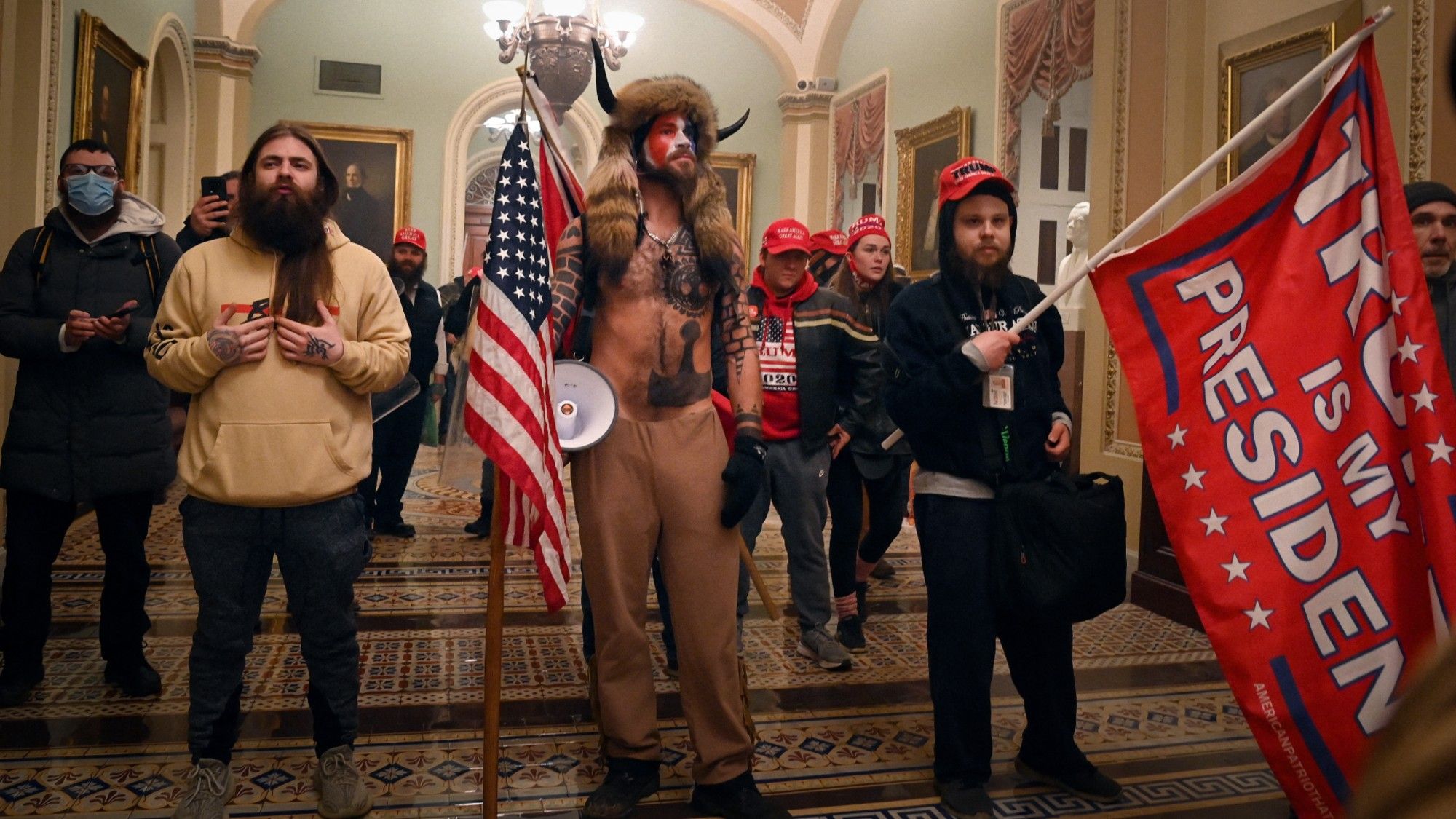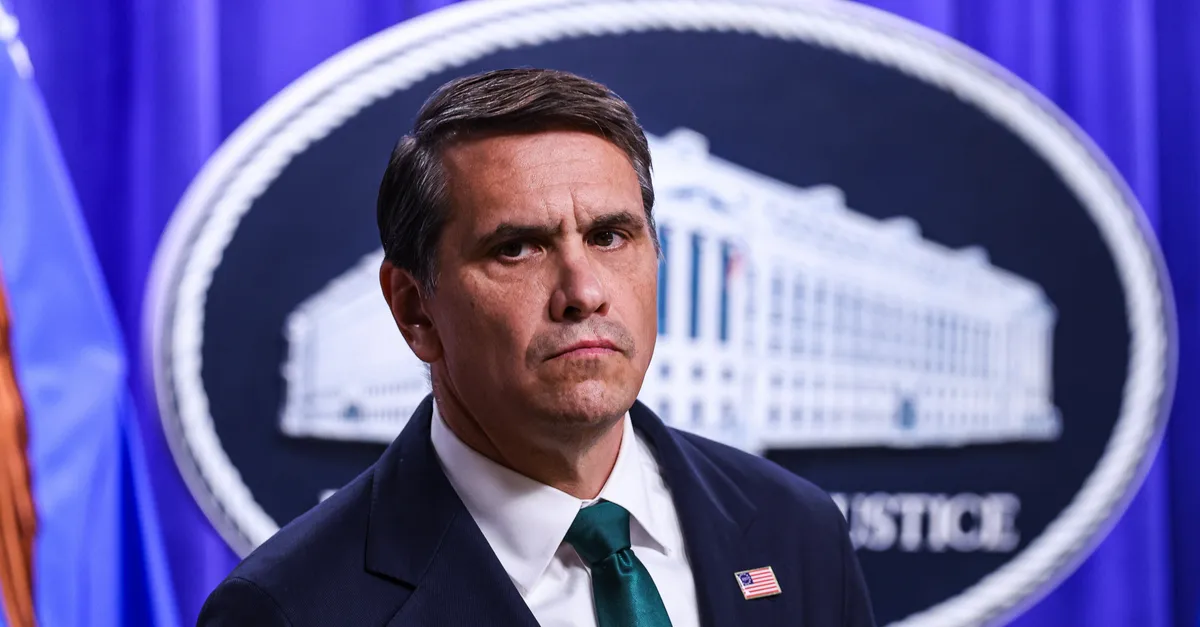
Donald Trump’s Department of Justice is launching an unprecedented effort to reward those friends and supporters of the president who were prosecuted or investigated for crimes under previous Democratic administrations by doling out as much as $1.7 billion in taxpayer funds in a new “anti-weaponization fund.”The new initiative was announced Monday by Acting Attorney General Todd Blanche, who was Trump’s personal defense counsel in the multiple criminal cases that were brought against the then-former president for allegedly unlawfully retaining classified documents after the end of his first term and attempting to illegally overturn the 2020 election results to avoid leaving office after losing that election to Joe Biden.Blanche said the new compensation fund is being established to settle a $10 billion lawsuit that Trump, his children and his eponymous real estate and hotel company had filed against the IRS after a contractor for the agency leaked his tax returns to the New York Times during his first term.“The machinery of government should never be weaponized against any American, and it is this Department’s intention to make right the wrongs that were previously done while ensuring this never happens again,” said Blanche, who added that the fund would establish a “lawful process for victims of lawfare and weaponization to be heard and seek redress.”According to the Justice Department, the fund will be administered by a five-member commission appointed by Blanche, with one member chosen in consultation with Congress. President Donald Trump’s DOJ has created a new $1.7 billion fund to pay people who faced ‘unfair’ investigations under previous administrations (Getty)The commission will be empowered to “issue formal apologies and monetary relief owed to claimants” using money from the department’s judgment fund, which is a permanent appropriation that allows the department to pay taxpayer dollars to settle litigation and pay judgments. It will not require any sign-off from Congress to do so. Trump can remove any member of the commission, according to the DOJ. The fund will also cease operations “no later than December 15, 2028” — just over a month from the end of Trump’s second term. In a memorandum laying out the terms of the settlement, Blanche claimed the unprecedented effort to pay allies of the president who have faced investigations and prosecutions dating back as far as 2009 is justified because the Obama administration once established a $760 million compensation fund as part of a settlement to end a decades-long class-action lawsuit brought against the Department of Agriculture by Native American farmers and ranchers who’d been systematically discriminated against by USDA farm loan programs over an 18-year period during the Reagan, George H.W. Bush, and Clinton administrations.Approximately $300 million that had been allocated as part of the settlement in the class-action case, Keepseagle v. Vilsack, was not distributed directly to claimants but was instead used to bootstrap the Native American Agriculture Fund. Yet unlike the Keepseagle case — where the plaintiffs had been proven to have suffered from racial discrimination at the hands of the government — the people who will likely benefit from this fund have suffered no such discrimination.Instead, the fund will be open to claims from a wide range of Trump allies who have been convicted of crimes by juries of their peers or pleaded guilty to crimes in open court, including the more than 1,000 convicted criminals who were pardoned for crimes committed as part of a riotous January 6 mob fomented by the president in a last-ditch attempt to overturn results of the 2020 election, which he lost to Joe Biden. It’s unclear how people can apply for compensation or when the first funds will be distributed.The fund will be open to a wide range of Trump allies including people who participated in the January 6 riots (Reuters)Trump and his allies routinely cast any effort to hold anyone associated with him criminally liable for violations of law as “weaponization” of the justice system or persecution at the hands of Democratic administrations but have never offered any evidence to justify their claims. Since returning to office last year, Trump has made frequent use of the president’s pardon powers to absolve allies of a wide range of crimes, and in some cases denying victims of any chance of obtaining restitution. He has also encouraged the Justice Department to investigate and prosecute former department officials who spearheaded the multiple criminal investigations into his conduct. The president’s decision to dismiss the lawsuit comes just days after ABC News first reported plans for the slush fund to compensate the president’s friends and allies were being finalized as a way to avoid what might have been a thorny court battle over whether the president can sue the government he leads and recover money from taxpayers as part of that lawsuit.The Florida federal judge who’d been hearing the case, U.S. District Judge Kathleen Williams, had ordered both Trump’s lawyers and the Justice Department to submit filings to justify their position that there was no conflict of interest preventing the lawsuit from moving forward. She had also asked a group of outside lawyers to submit their own filings on the same topic. The outside advocates later opined that the case’s "circumstances raise the specter that Defendants and their attorneys may instead be operating at the President's direction.""Additionally, since taking office, President Trump has significantly expanded the President's oversight and control over the Attorney General and DOJ, including in ways that blur the line between fidelity to the President's policy priorities and fidelity to the President himself," the filing said.
Trump’s DOJ announces $1.7B fund to pay his allies who were ‘unfairly’ investigated
The $1.776 billion ‘slush fund’ will be funded by taxpayers and be administered by a five-member commission appointed by Trump’s ex-defense lawyer
917 words~4 min read