Two and a half years after ChatGPT kicked off the generative AI panic, the US labor market hasn’t collapsed. It’s actually gotten better, according to Goldman Sachs.
The bank’s occupation-level mismatch index, which tracks how well job seekers align with available positions, has declined below its pre-pandemic level. In English: people are finding jobs that actually match their skills more efficiently than they were before a chatbot could write a sonnet about supply chain logistics.
The numbers tell a complicated story
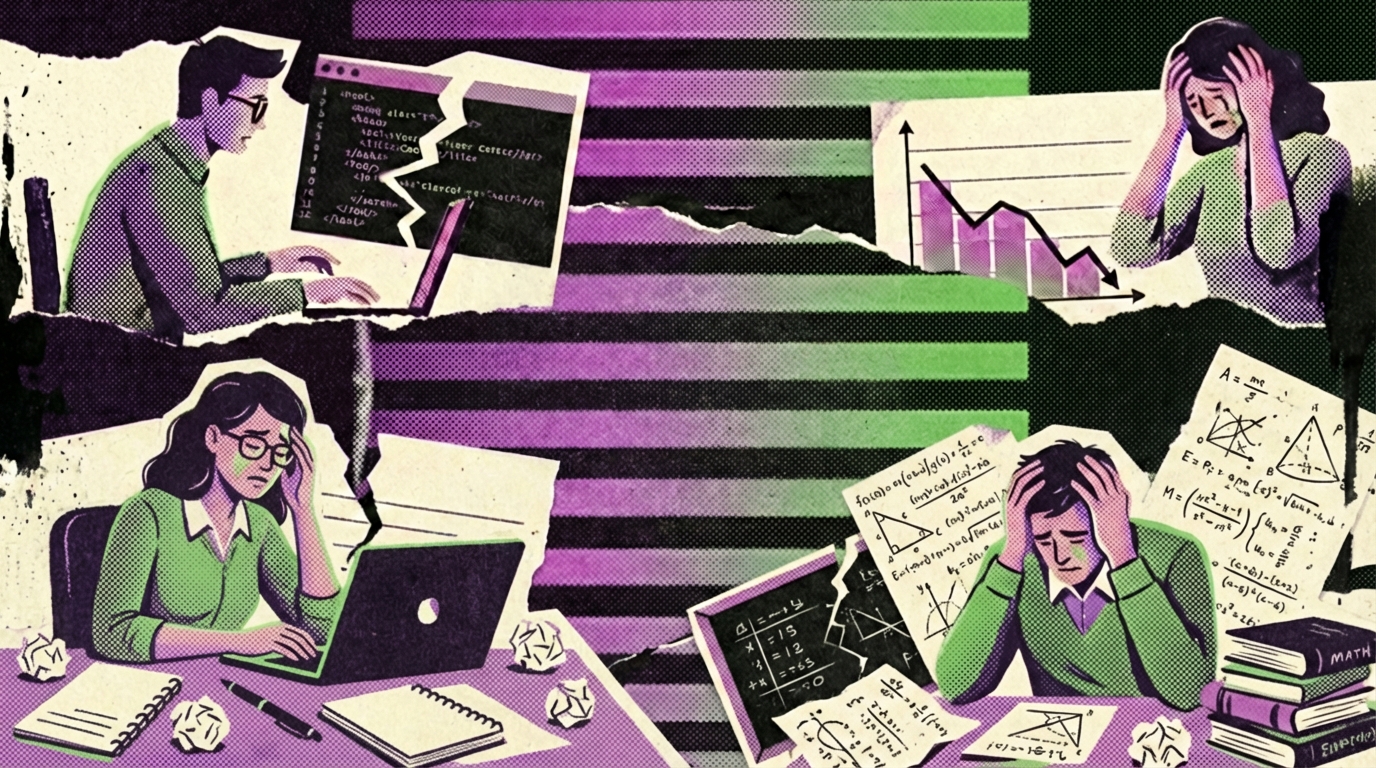
Look, nobody’s saying AI hasn’t displaced workers. Goldman Sachs estimates AI has led to a net reduction of approximately 16,000 jobs per month over the past year. That’s real, and it stings, particularly for Generation Z workers who appear to be absorbing the brunt of the disruption.
But here’s the thing. Those losses have contributed to only a 0.1 percentage point rise in the unemployment rate. For context, that’s a rounding error in the grand scheme of labor economics. The reason the damage has been so contained is that AI isn’t just eliminating roles. It’s simultaneously creating new ones, especially in areas where it augments human labor rather than replacing it outright.