Every new infrastructure platform can look uneconomic at first. Early systems are often bespoke, supply chains immature and scaling doesn’t yet exist. The result: cost structures can appear daunting, if not irrational, when judged by the standards of those more traditional models.
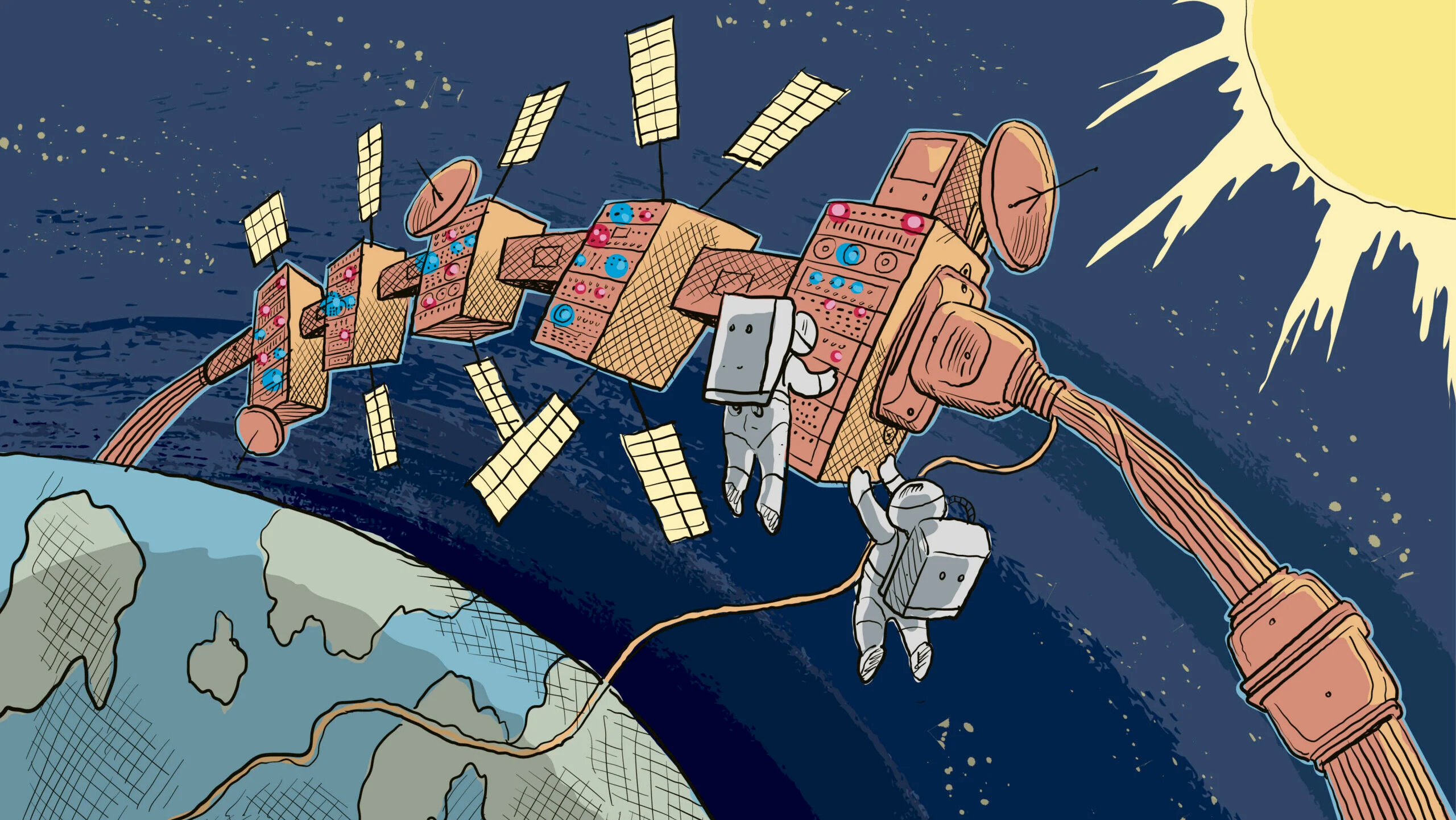
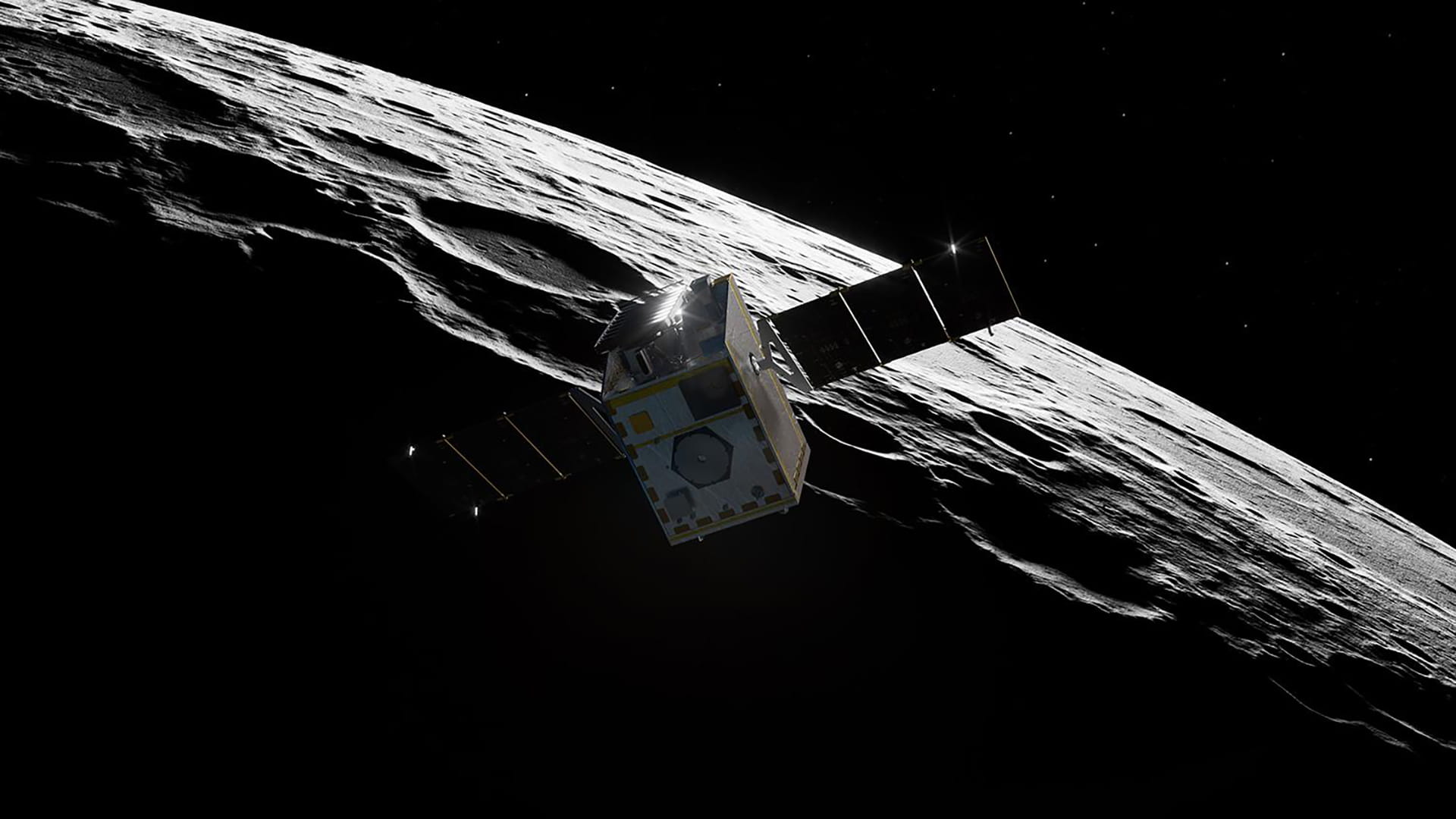
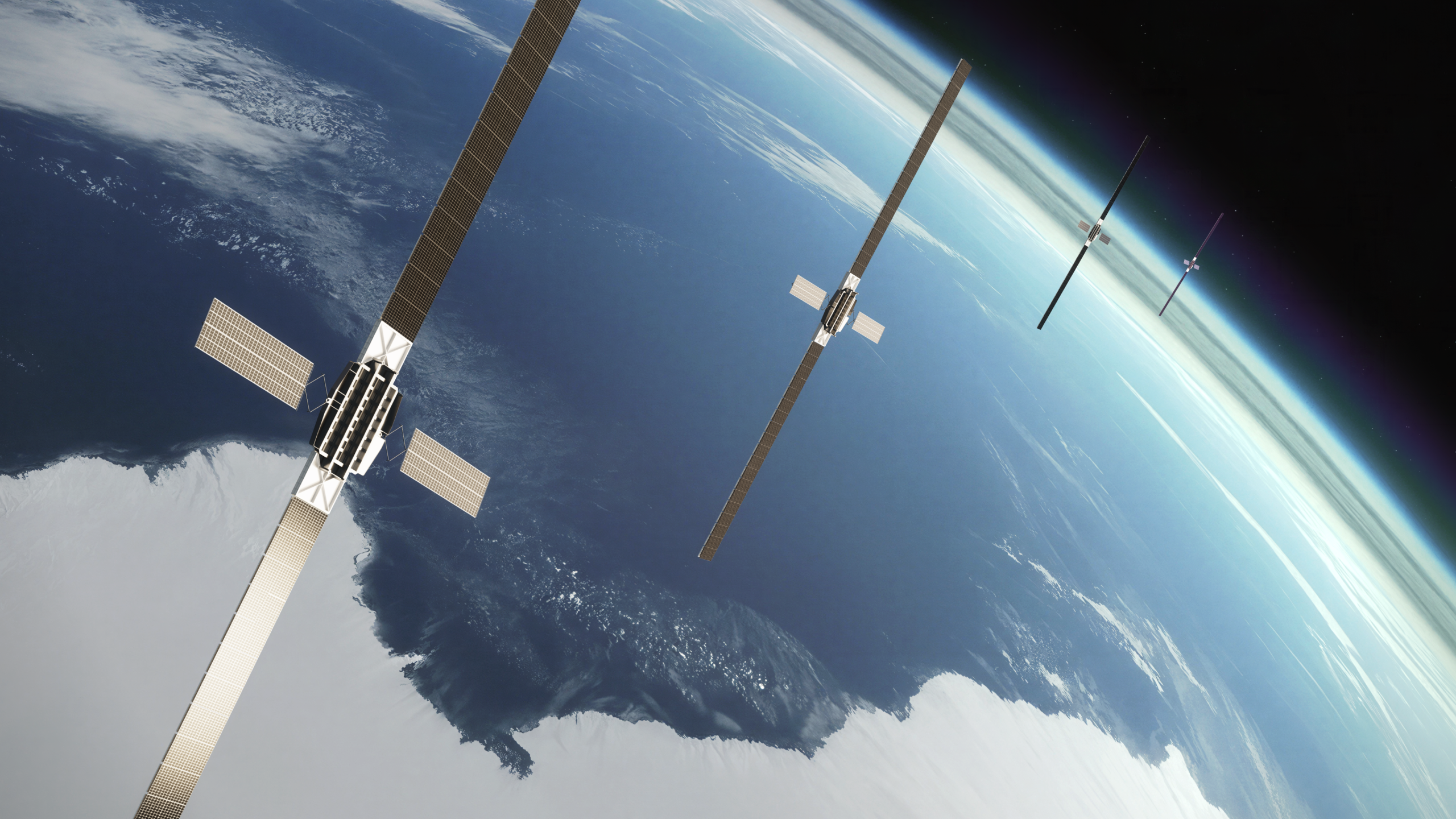
Today, a familiar pattern is playing out in orbital data centers (ODCs), which have at times been dismissed as prohibitively costly and technically impractical. Critics point to launch costs, cooling, radiation-hardened electronics and the sheer complexity of building computing infrastructure in orbit as reasons to doubt their economic viability and long-term practicality.
Yet dismissing ODCs may echo a similar chorus that once scoffed at the internet itself.
In the early 1990s, for instance, it was Nobel Prize-winning economist Paul Krugman who argued that “by 2005 or so, it will become clear that the internet’s impact on the economy has been no greater than the fax machine’s.” Robert Metcalfe, an engineer and entrepreneur who helped invent ethernet, noted that the internet would “collapse catastrophically” due to congestion by the mid 1990s. Meantime, in a Newsweek article in 1995, Clifford Stoll — a renowned astronomer and computer security expert — opined that “no online database will replace your daily newspaper.”