In the 1990s, the internet stopped being a novelty and started to resemble what it is today. The release of the Mosaic browser in 1993 made the web usable for ordinary people. Amazon listed on Nasdaq in 1997. And by 2000, Cisco briefly became the most valuable company in the world. The bubble later burst — but the networks that had been built did not disappear. The internet began to underpin trade, security and everyday life. Some investors saw what was happening. They invested once the networks were widely used, the rules were settled and customers were paying every month or signing long contracts. They did not wait for the technology to be perfect but for demand to steady.
Space has been moving in this direction for some time. It was already large and already attractive to investors. But as launch frequency has increased, large satellite fleets have reached full operation and more companies have begun to earn steady service revenue, its role as a working network has become harder to ignore.
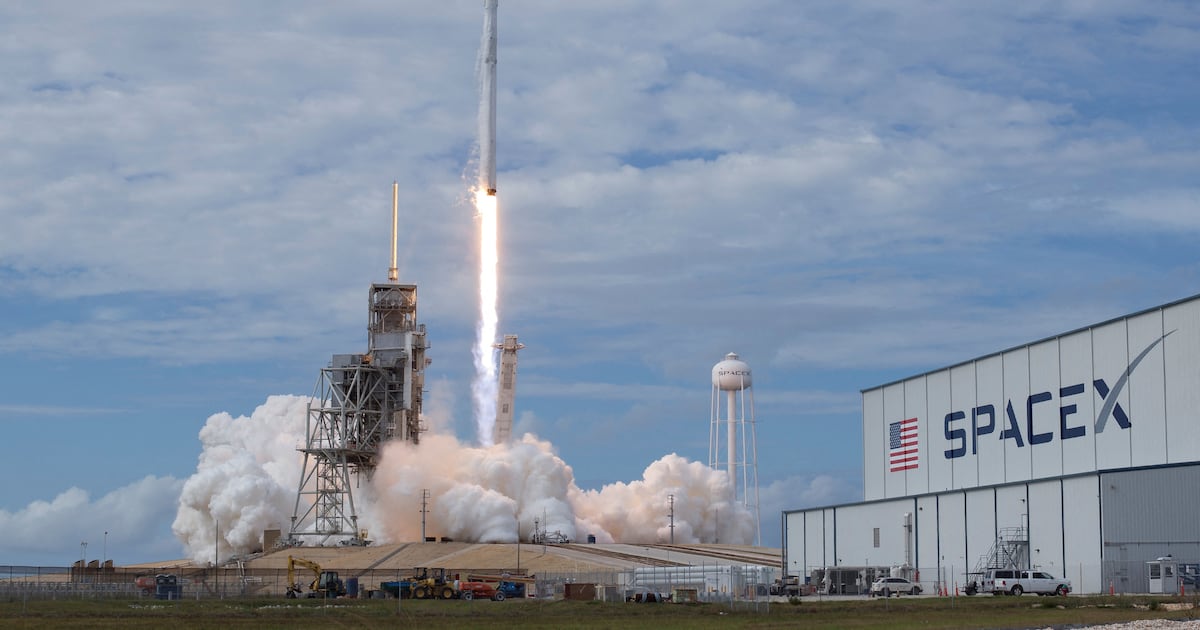
For years, investing in space had meant backing one rocket, satellite or government mission at a time. Each project was built to order and, if it failed, the money was gone. Returns, therefore, depended on a small number of big bets — often tied to defense or national space agencies — paying off. And that picture is what has changed. There are now more than 14,000 active satellites in orbit, according to industry counts; and rockets launch somewhere in the world almost every day. Companies like SpaceX send up batches of satellites at once, and constellations such as Starlink provide ongoing internet service to paying customers. Space is less about standalone spacecraft and more about fleets working together.