https://arab.news/76tr9
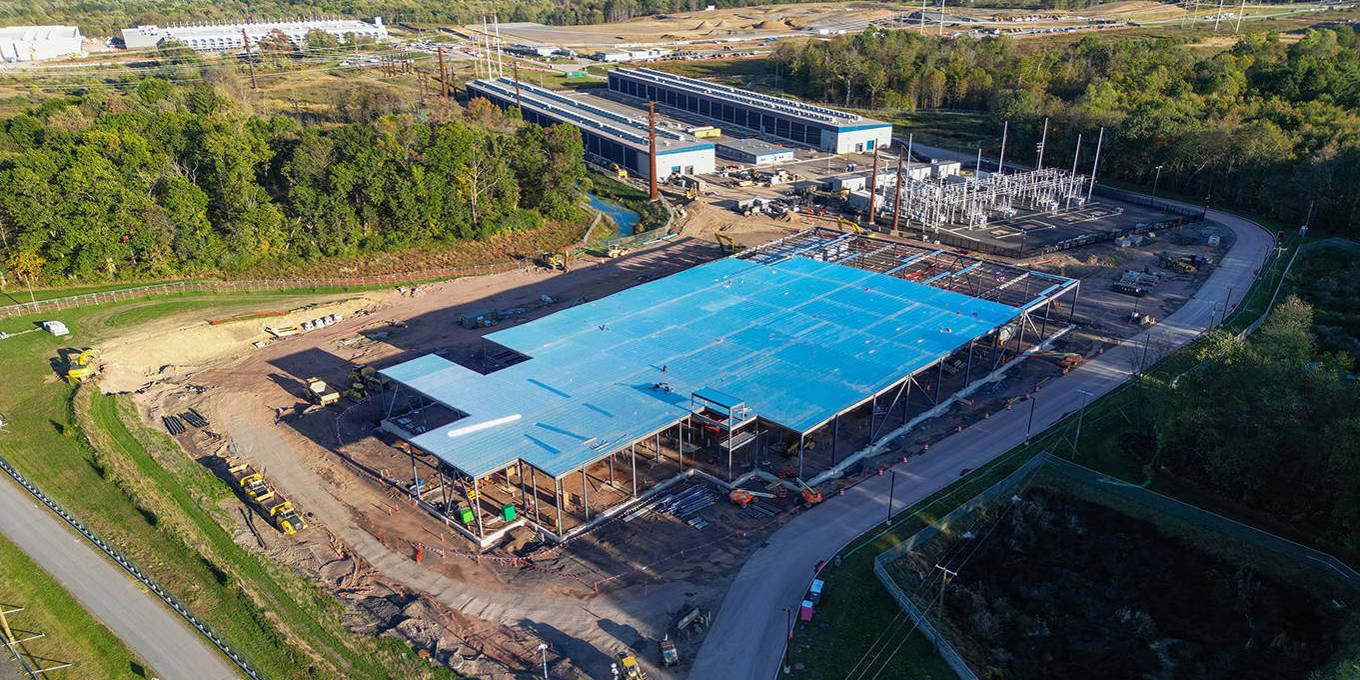
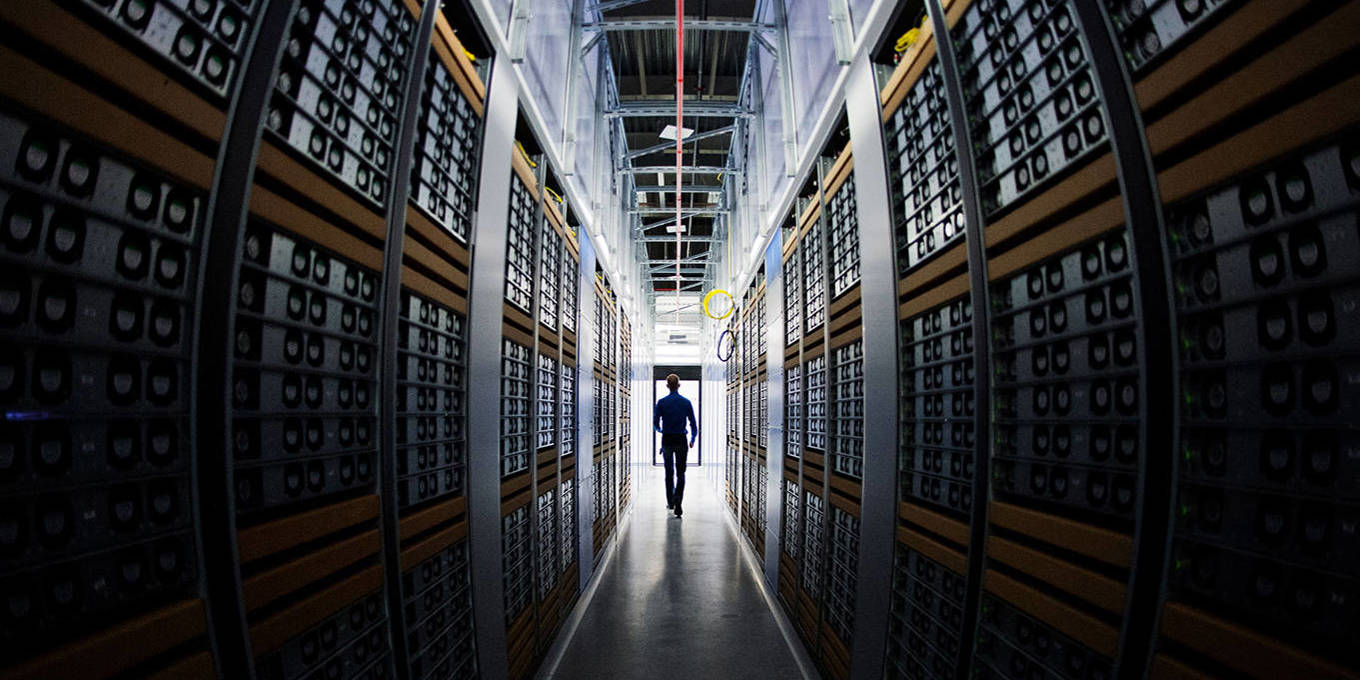
When OpenAI recently committed $1.4 trillion to securing future computing capacity, it was merely the latest indication of irrational exuberance in 2025. By some estimates, US gross domestic product growth in the first half of this year came almost entirely from data centers, prompting a flood of commentary about when the bubble will burst and what it may leave behind.
While the late-1990s dot-com party ended with a hangover for Wall Street, Main Street kept what mattered: the infrastructure. Productivity rose and the fiber laid during the boom years still works today. US President Bill Clinton’s vow to build a “bridge to the 21st century” was one of those rare campaign promises that was actually fulfilled.
Today’s artificial intelligence investments could well pay off like the internet did. For now, though, the gains look more muted, and the macro downsides larger, than in the case of the dot-com bubble. Consider the potential benefits. In the late 1990s, the internet’s payoff showed up while the bubble was still inflating: US labor productivity growth averaged about 2.8 percent from 1995 to 2004, roughly double the previous two decades’ pace, before fading in the mid-2000s. You could see the gains in the national accounts even as Pets.com was buying up its ill-fated Super Bowl ads.