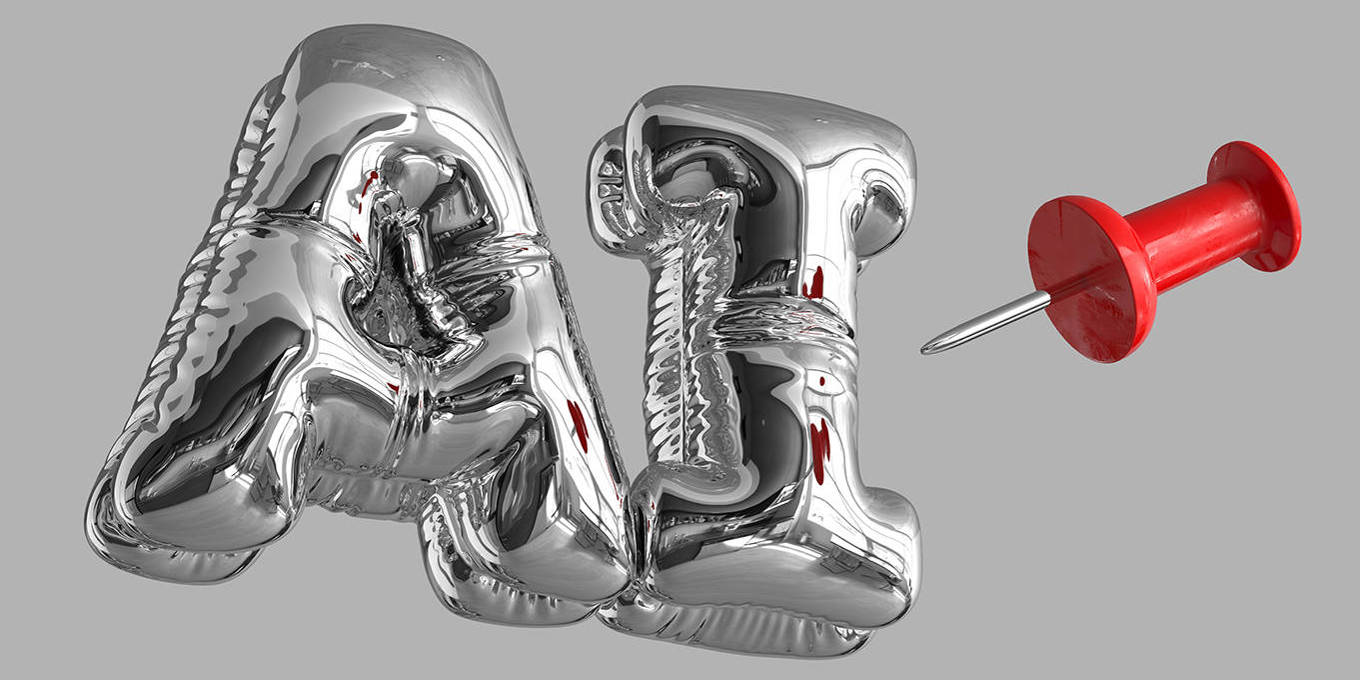
It’s not the year 2000, and there is not an impending tech bubble, but that doesn’t mean investors shouldn’t be bracing for turbulence, Bank of America Research says. Savita Subramanian, BofA Securities’ head of U.S. equity and quantitative strategy, has been arguing that compared to the dotcom era, today’s AI boom has supported earnings growth, smaller IPOs, and “speculation in unprofitable stocks is less extreme.” However, she warned that aggressive capital expenditures from hyperscalers is increasingly relying on debt, presenting danger for investors still eagerly awaiting returns.
“Is this 2000? Are we in a bubble? No,” Subramanian said during BofA’s outlook call on Tuesday. “Will AI continue unfettered in leadership? Also no.”
Subramanian unpacked her thoughts in a recent note on the future of AI, which she sees as somewhere between fully reliable and an all-out bubble burst, where capital spending is still greater than revenue growth. “On AI, in our view, investors should get ready for an air pocket,” Subramanian wrote. “Monetization is to be determined (TBD) and power is the bottleneck and will take a while to build out. So for now investors are buying the dream.”
BofA took a more bearish stance on its stock market outlook for 2026 as a result of these air pocket concerns, forecasting just a 4% upside for the S&P 500 from where it currently sits. It breaks from the more bullish takes of analysts, including Deutsche Bank’s bet on a 17% jump at the end of next year and market veteran Ed Yardeni’s prediction of the S&P growing another 10% from this year to next.