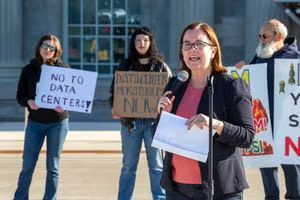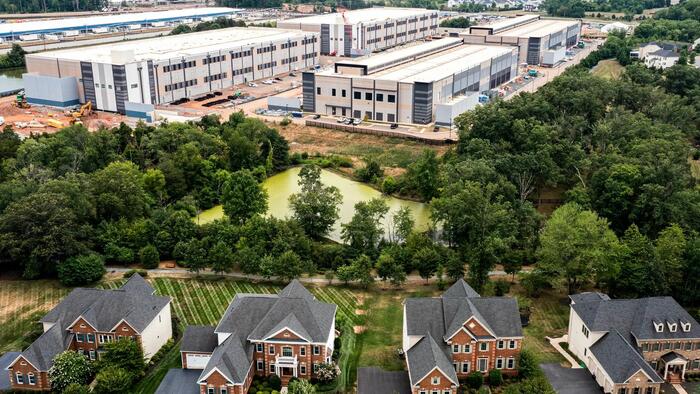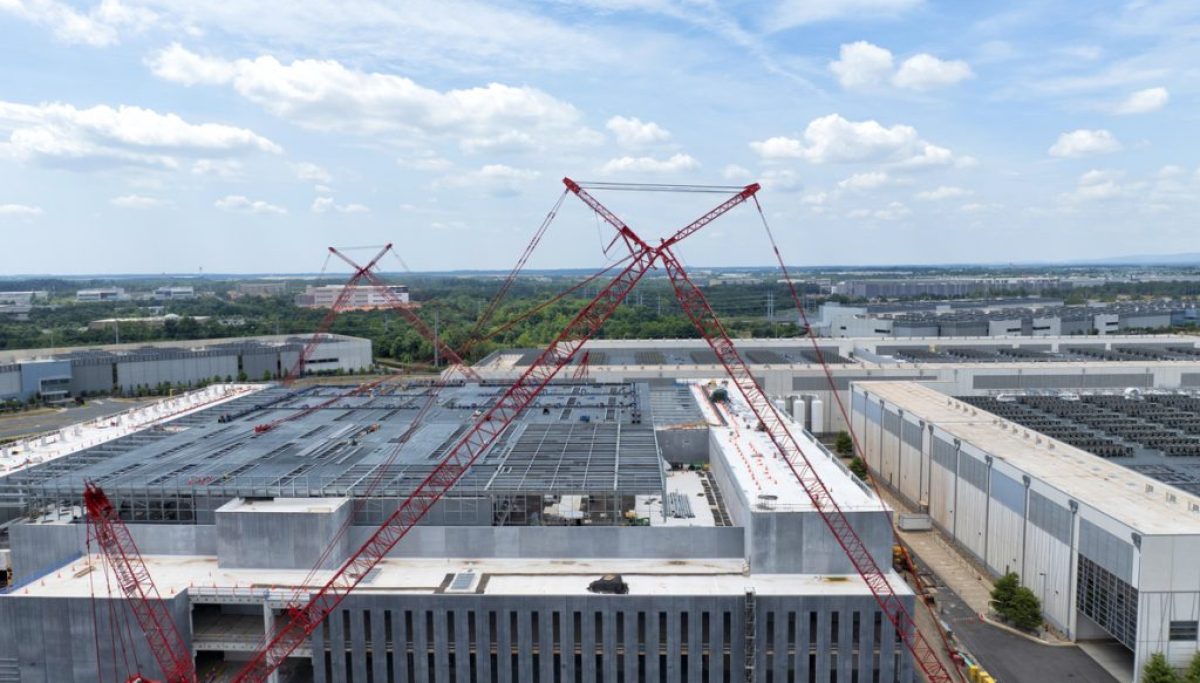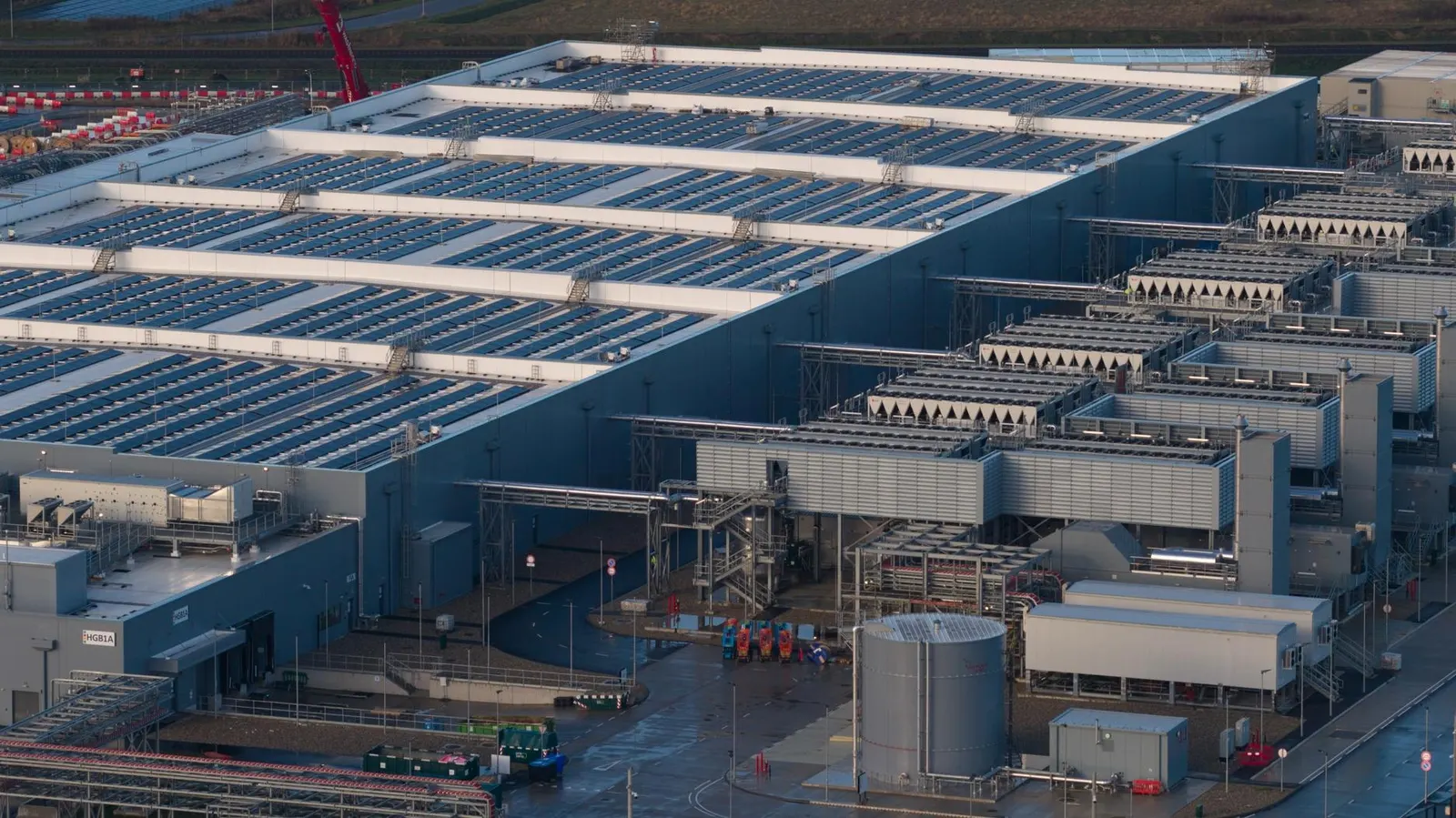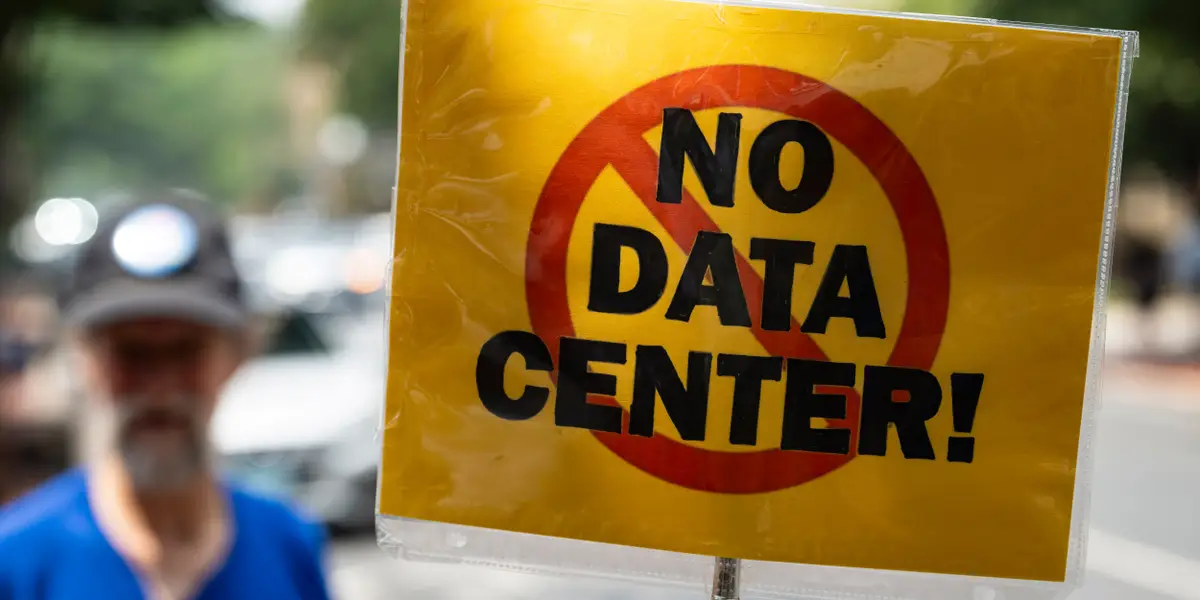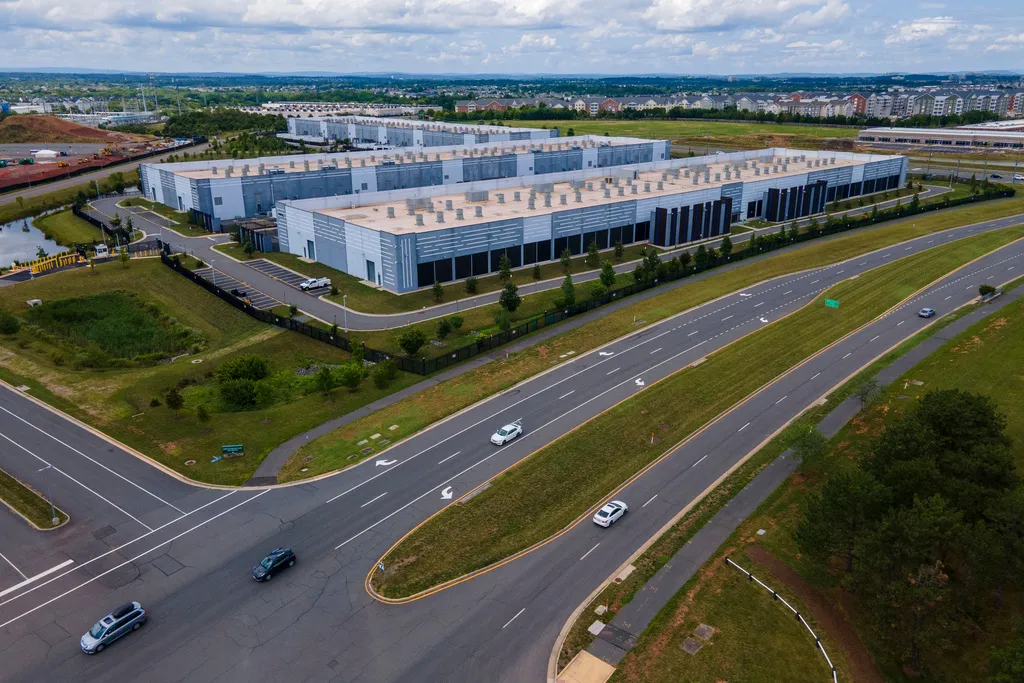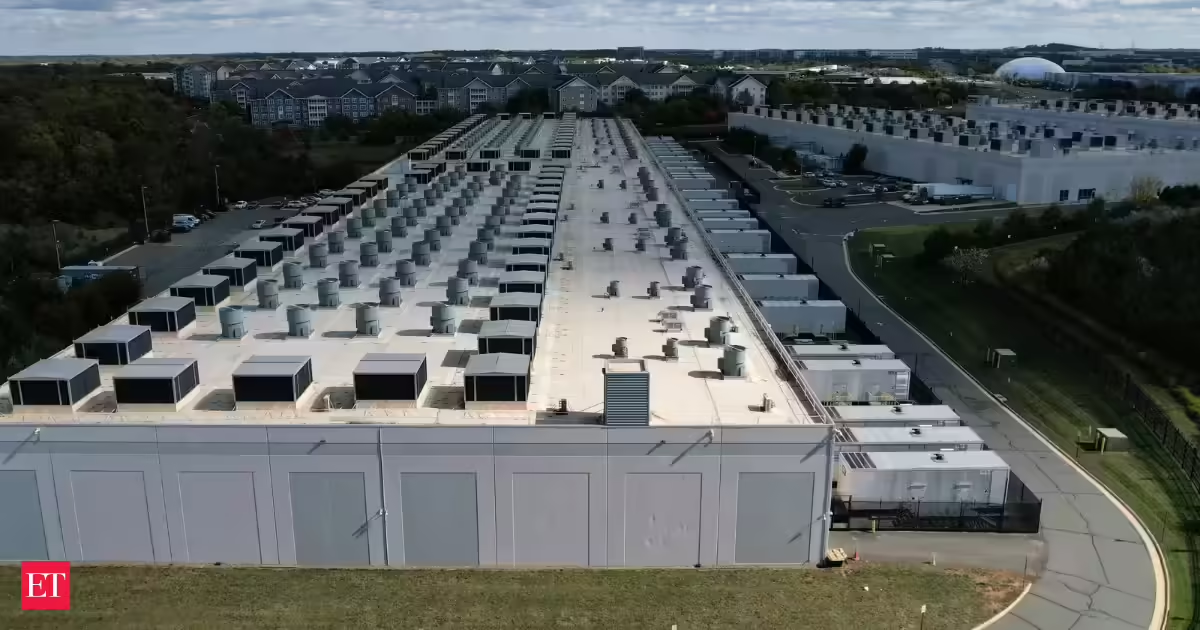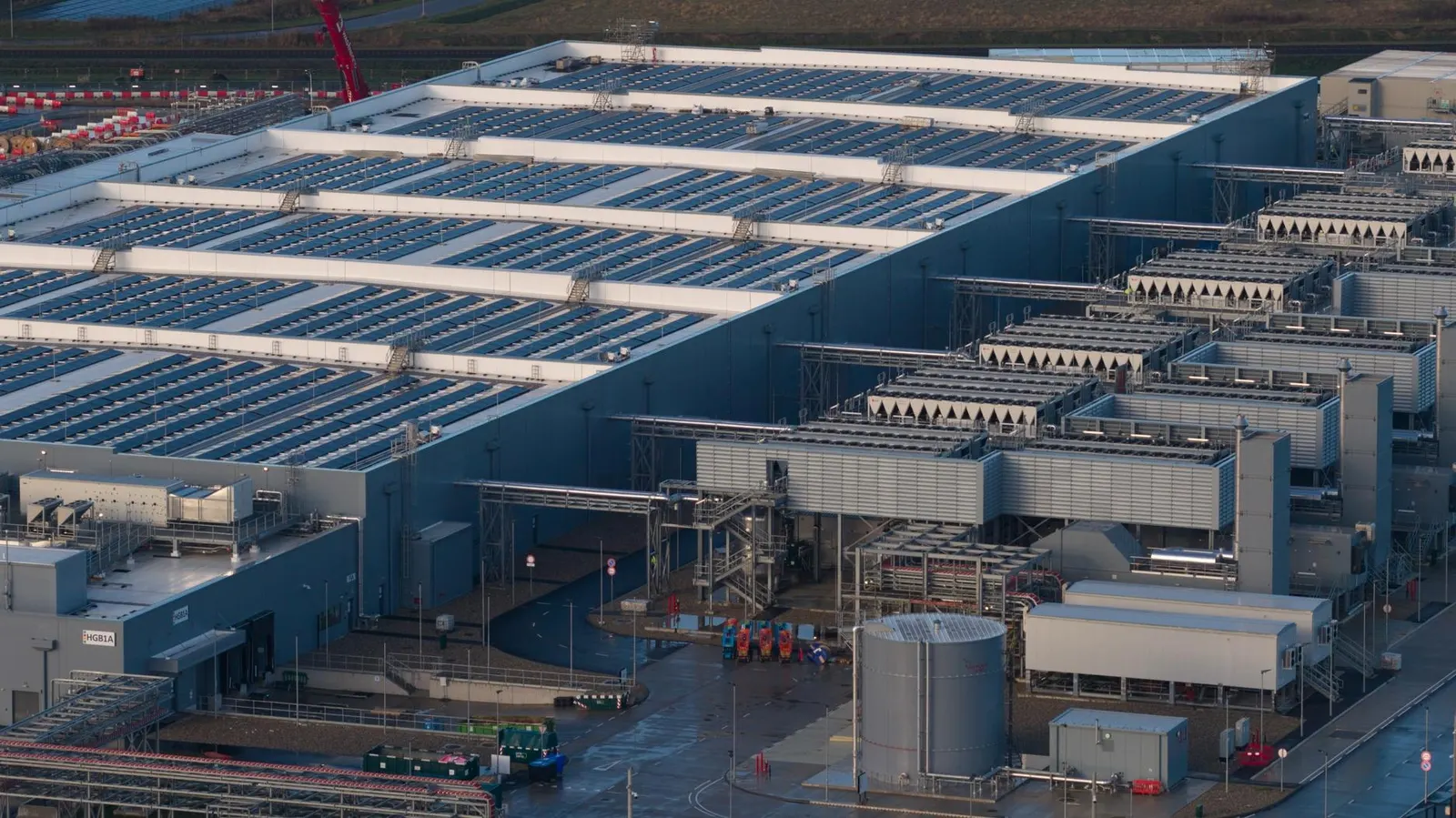
As AI use expands, communities are increasingly questioning the costs of the infrastructure behind it.gettyAmericans are increasingly rejecting the physical footprint of the digital economy. New polling shows that data centers, crypto mines, and other infrastructure behind emerging technologies are running into a common problem: communities see the local costs clearly, but the benefits still feel distant or uncertain. According to a recent Gallup poll, 71 percent of adults oppose the construction of AI data centers in their local area, and nearly half say they are strongly opposed. Gallup also found that opposition to nearby data centers now runs higher than opposition to a nearby nuclear power plant — a striking reversal for a technology long treated as a symbol of local resistance.That skepticism helps explain why many people react so strongly when a data center is proposed nearby. An easy reaction is to dismiss public perceptions as irrational. Data centers are part of the digital economy. They make artificial intelligence possible. They house the servers behind search engines, logistics systems, emergency services and countless other digital conveniences Americans increasingly expect to happen instantly. Many people who oppose a data center close by probably use services that require one.But voters and residents are not tabulating a national income accounting exercise when a project appears down the road. They are asking what will happen to their electric bills, their water supply, their roads, housing prices and the character of their community. In Gallup’s follow-up survey, opponents most often pointed to environmental and resource concerns, including water and electricity use.Supporters, by contrast, mostly pointed to jobs and tax revenue. The balance of perceived costs and benefits looks very different depending on whether someone sees a facility as essential 21st-century infrastructure or as a large, noisy, resource-hungry warehouse generating profits for someone else.Beyond Data Centers, Skepticism SpreadsThis type of reaction is not limited to data centers. Prediction markets are also having their cultural moment, but public opinion appears wary. A poll by Ipsos and the American Institute for Boys and Men found that 61% of adults said prediction-market trading looks closer to gambling, while only 8% said it looks closer to investing. Meanwhile, supporters of prediction markets often emphasize their information value. Prediction markets can turn scattered information about elections, inflation, corporate earnings and geopolitical risks into useful forecasts. But to many people, they look like just another way to place a bet.Cryptocurrencies offer a similar story. Pew reported in 2024 that 17% of American adults had invested in, traded or used crypto. Yet 63% had little or no confidence that cryptocurrencies are reliable and safe. Millions of Americans have engaged with crypto in some form. Still, the technology remains more culturally polarizing than most ordinary financial products.What Older Technologies RevealA comparison with older technologies is revealing. Nuclear power remains controversial, especially when the question involves building a plant nearby. Yet Pew found in 2025 that 59% of adults favored more nuclear power plants to generate electricity. Solar and wind scored higher still, with 77% favoring more solar and 68% favoring more wind. Nuclear, wind and solar all involve large physical facilities, siting disputes and environmental trade-offs. Yet each has a story the public understands. These technologies produce electricity, and the public clearly sees the value of more power for homes, hospitals, factories, phones and nearly every other part of modern life.Familiarity is not the same as approval, however. An AP-NORC poll in 2025 found that only about one-third of adults supported expanding offshore oil and gas drilling, and only about one-quarter supported expanding coal mining. Still, fossil fuels benefit from a century of embedded use. Gas stations, trucks, home heating, plastic goods and cheap electricity are familiar parts of daily life. People may dislike pollution from oil or coal, but they don’t always consider what oil or coal are used for.That is the central challenge for newer technologies. Their costs are often local, physical and immediate; their benefits are often abstract and still uncertain. Data centers consume land, electricity and water in particular communities. Prediction markets raise fears about gambling, addiction and market manipulation. Cryptocurrencies are associated with volatility, scams, speculative bubbles and energy-intensive mining. The benefits, meanwhile, are still unproven. At a minimum, they require more explanation.Public opinion measures for selected technologies.Sources: Gallup, Axios, Pew crypto, Pew nuclear, AP-NORC, SFGate. The surveys ask different questions, so the numbers are not directly comparable. They are best understood as an overview of public comfort or skepticism.Why Whataboutism Falls FlatThis is why a common defense of these sectors misses the mark. Advocates often respond to criticism of energy or water use by pointing to energy use somewhere else. They compare the energy use of bitcoin mining to that of household appliances or other industries, and the energy use of AI infrastructure to that of manufacturing plants. The implied argument is that critics are being unfair because they tolerate large resource use in one area while objecting to it in another.That argument can be useful when it corrects a factual error. If a critic implies that a technology is the main driver of climate change when it is not, that should be challenged. Yet the comparison quickly turns into a gotcha. It tells people they should stop worrying because some other sector imposes even greater costs. That is rarely persuasive. A family facing higher utility bills will not be comforted by hearing that another industry also uses a lot of power. A town worried about depleted aquifers will not feel reassured by a chart showing that agriculture uses more water nationally. A resident bothered by generator noise will not care that the financial system uses energy too.The relevant question is whether the affected public sees enough value to justify the new burden. A hospital uses energy, and the benefit is obvious. A school uses land, and the purpose is clear. A manufacturing plant may bring traffic, noise and emissions, but it also creates local jobs and makes a product the community can see and touch. A data center may be economically essential, but to many residents it looks like a windowless building that draws power and water while sending most of its benefits elsewhere.The Bubble Question Moves LocalThis is why the Gallup poll should worry technology companies. The public is asking whether AI has benefits that ordinary communities can recognize in their own lives. If the answer is unclear, then every new facility becomes a referendum on the broader technology. The same is true for crypto mines and prediction-market platforms. Where the benefit is unclear, the cost becomes the story.Local opposition is also colliding with a growing Wall Street debate over whether AI will deliver returns large enough to justify the money being poured into it. Even some investors are beginning to ask how much of the boom rests on real demand versus hype. They see enormous spending on chips, data centers and model development, while revenues outside a handful of firms still look modest by comparison. Communities are asking a similar question at the local level. If the promised AI revenues do not arrive, or arrive much later than expected, residents may be left with infrastructure built for a boom that did not materialize. Why Candor MattersA Lawrence Berkeley National Laboratory report on data center energy use estimated that data centers accounted for about 4.4% of U.S. electricity consumption in 2023 and could rise to between 6.7% and 12% by 2028, depending on growth. The report also estimated large increases in water use. Data center developers should tell communities how much power and water a project will use, how loud it will be and who will pay for new substations, power lines and road work. In a perfect world, they would help cover those costs and agree to cut usage during grid emergencies. Crypto miners might do the same. If they claim they can help the grid or use power that would otherwise be wasted, they could prove it with data and enforceable commitments. Prediction markets would benefit from a similar bargain. It is not enough to say they beat pundits. Supporters can show how they help school districts plan budgets, emergency managers prepare for storms, hospitals track disease risk, companies anticipate supply shortages or journalists understand elections. They also need norms that distinguish useful forecasting from gambling. Minors should not be allowed to participate, platforms should avoid designs that encourage compulsive trading and markets should police manipulation. Trading on inside information that adds no public insight should be off limits too.How New Technologies Become OrdinaryThe older technologies that survived public resistance generally did so by becoming ordinary. They became easier to defend once people could connect the infrastructure to everyday gains. Roads meant mobility. Telephones meant communication. Power plants meant light, heat, and the machines that power homes and businesses. Even nuclear power now benefits from a renewed appreciation for reliable, low carbon electricity, though many people still resist plants close to home.Newer technologies are asking for that trust before the public fully understands the payoff. Sometimes that is unavoidable. Networks must be built before all uses are known. But infrastructure politics does not reward abstract promises. People asked to host large facilities want to know what they get in return.Earning Back Public TrustThe lesson for technology defenders is simple. Stop treating public concern as a public-relations defect. People’s concerns often reflect real trade-offs. Energy, water, land, noise, and financial risk are real. The fact that another sector also imposes costs does not make new costs disappear.A more promising path is to make benefits visible and costs bearable. For AI, that means tying data-center growth to services people value, from medical research to better public administration to lower business costs. For prediction markets, it means proving that price signals can improve decisions rather than merely creating another venue for speculation. For crypto, it means focusing less on anti-establishment rhetoric and more on practical uses.Public opinion toward technology is rarely fixed. Nuclear power was left for dead politically after major accidents and cost overruns. Today, support for expanding it has risen as concerns about climate, reliability, and energy security have changed the conversation. Solar and wind have had their own battles, yet broad support remains because the public understands the product. Technologies can recover from distrust. They do so by creating value people can see and by reducing harms people can feel. The Gallup poll is therefore a warning. Americans are reacting to technologies whose benefits still feel distant. The industries behind data centers, prediction markets, and cryptocurrencies can keep arguing that critics are inconsistent about energy and water use, or they can focus on proving that the benefits justify the costs.For new technologies, popularity comes when people can see the payoff, share in the gains, and trust that they will not be the ones shouldering the costs.
Americans Are Losing Patience With Data Centers
Americans are pushing back on data centers and other emerging technologies as local costs rise and benefits feel distant, raising new challenges for AI and crypto growth.
1,804 words~8 min read