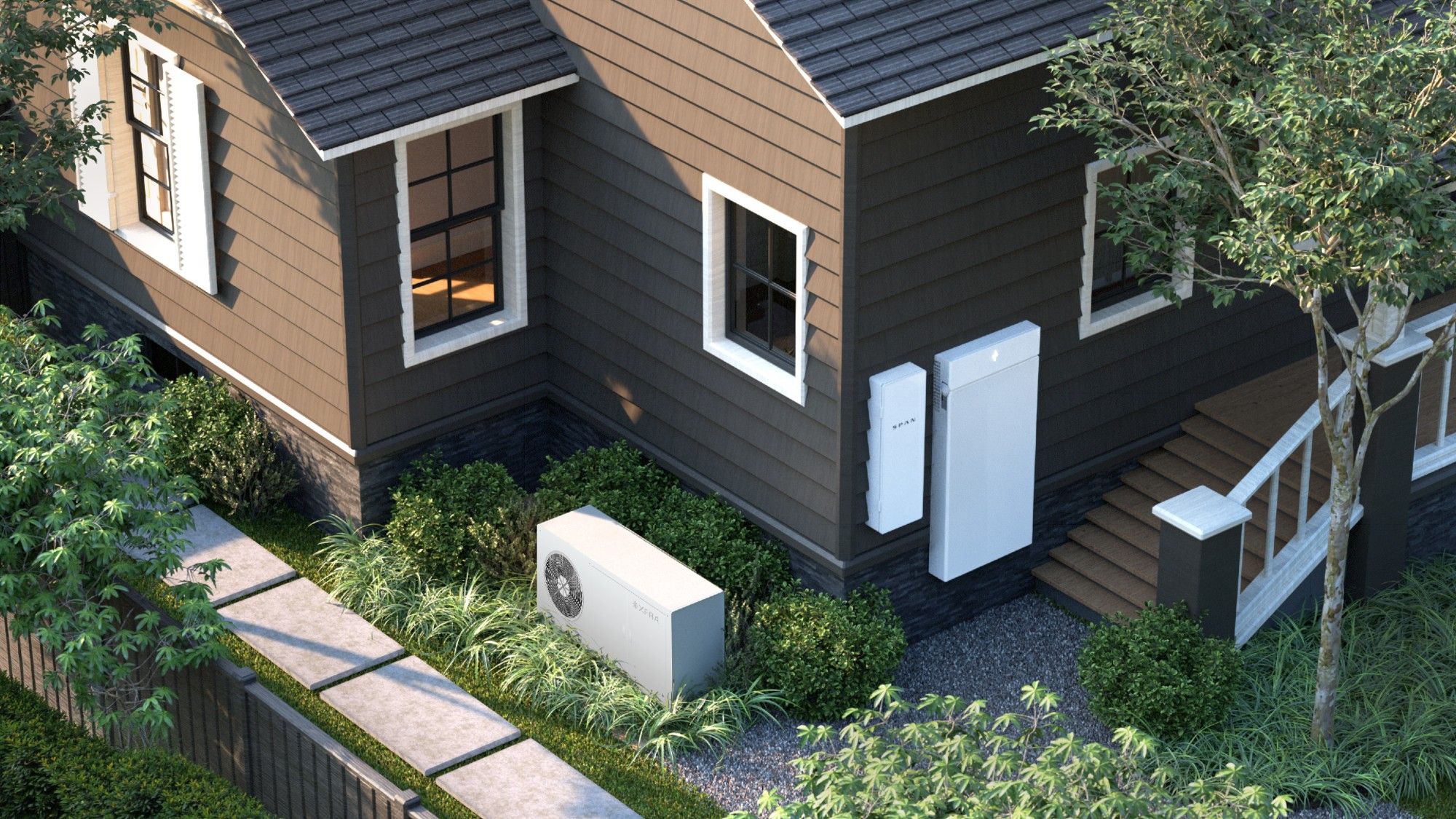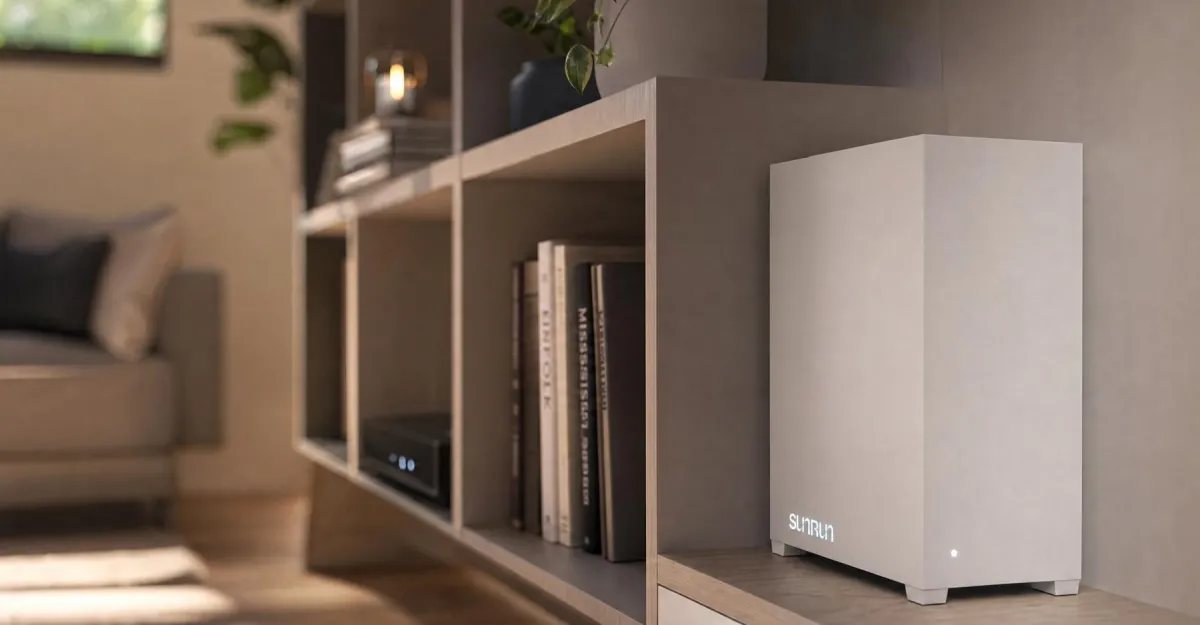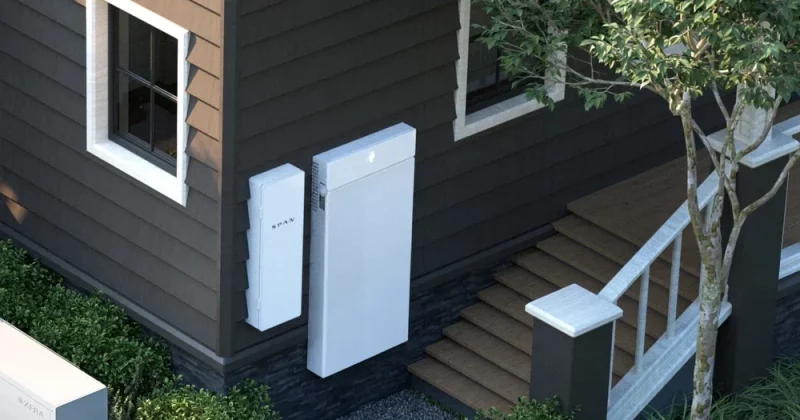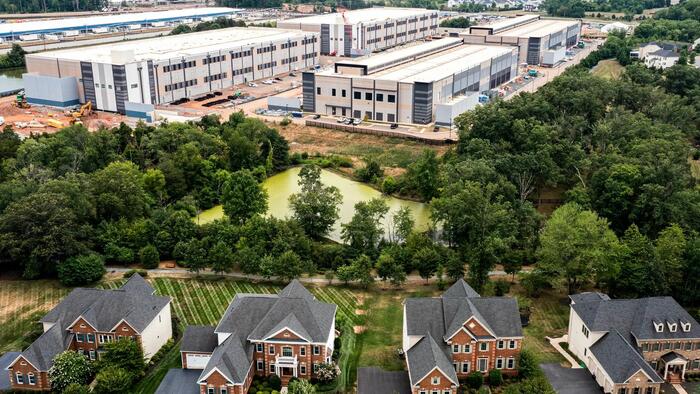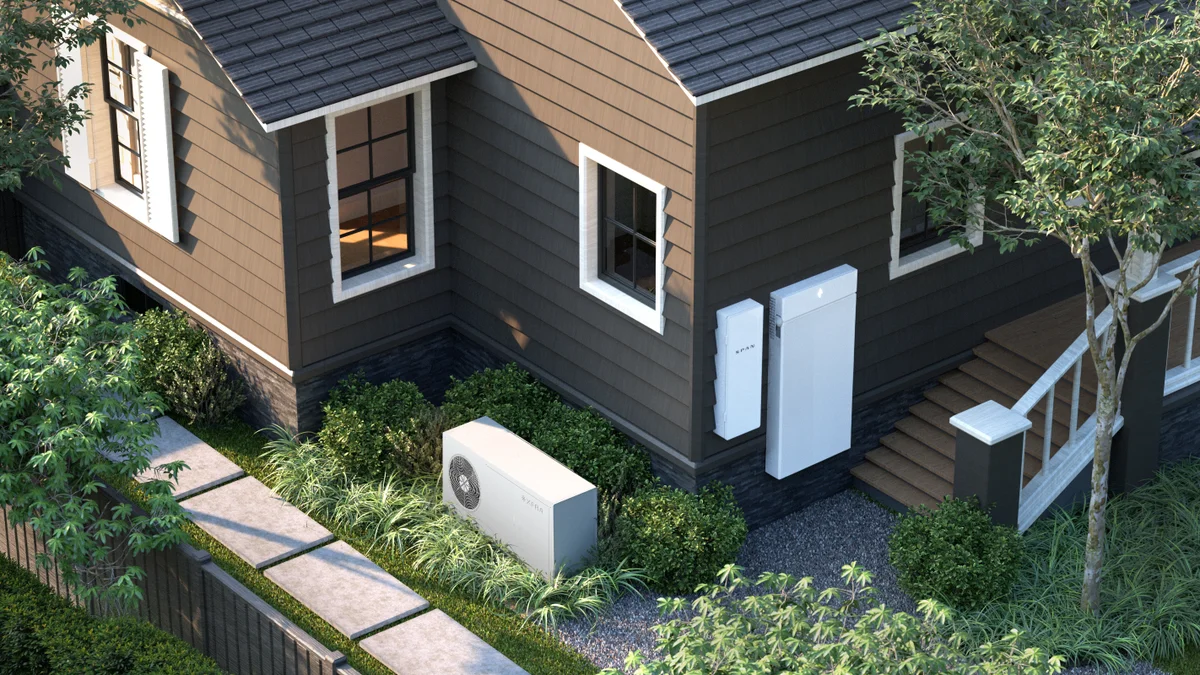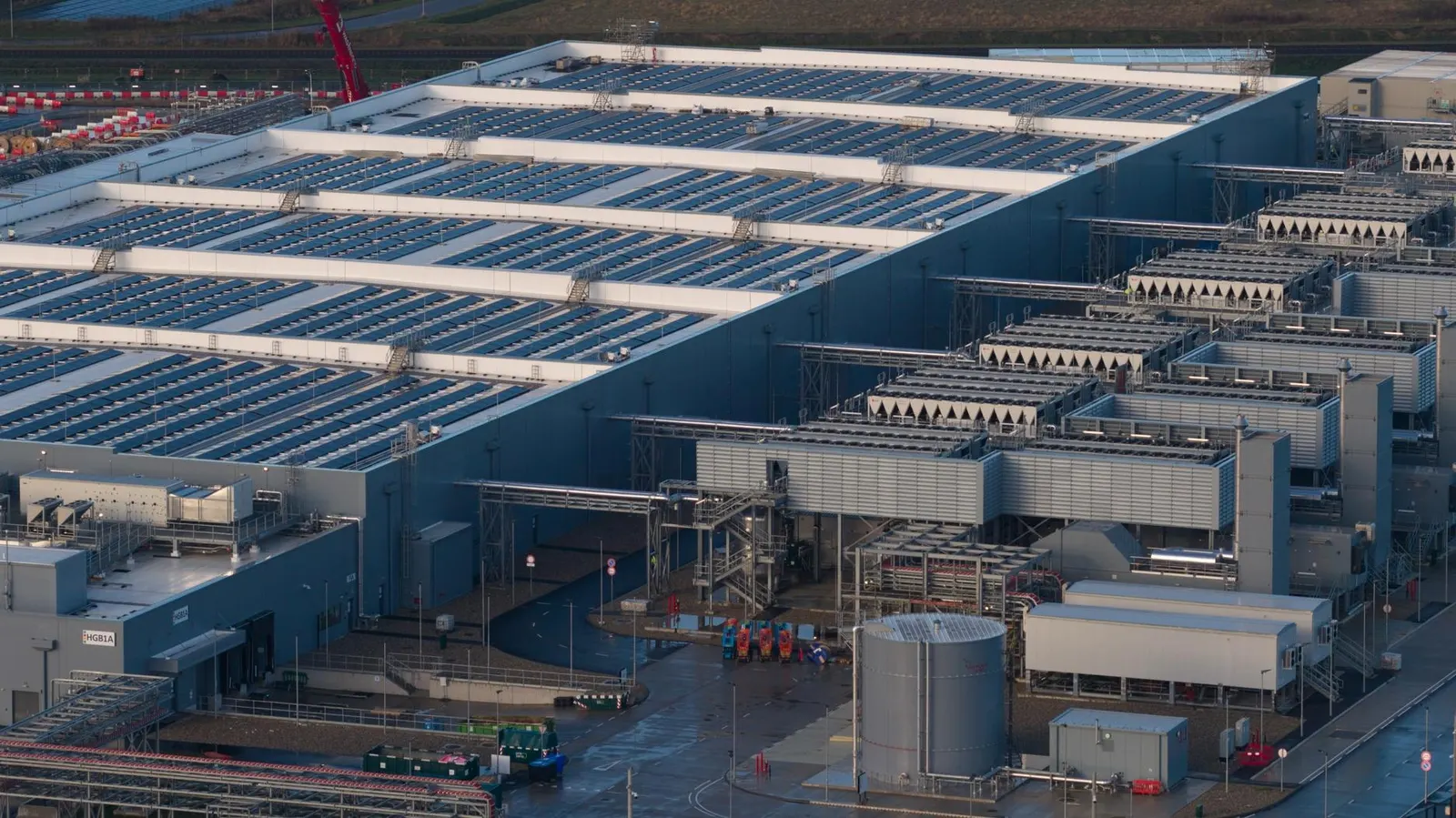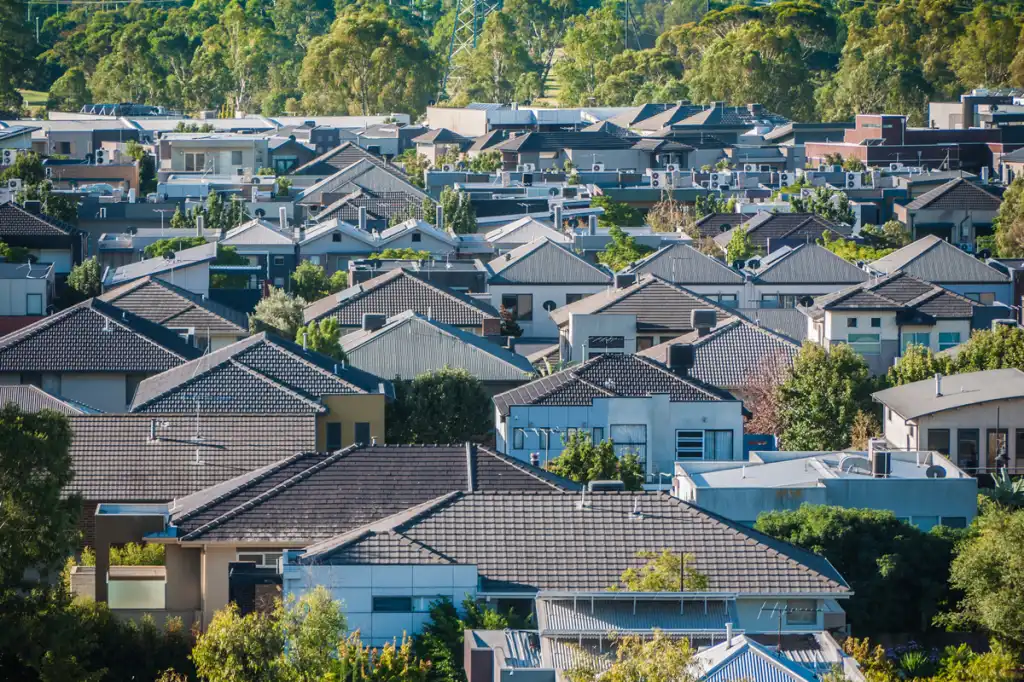
As CNBC recently reported, some of the resistance to large AI data center construction is pushing the market to consider a more distributed model, including small compute systems designed for residential settings. The story pointed to pilot-stage thinking among companies such as PulteGroup, Nvidia, and Span, suggesting this is no longer just a home-lab fantasy or a fringe edge-computing thought experiment. It is now credible enough to be discussed by experts in housing, energy management, and economic infrastructure. It’s certainly not mainstream, but it is worth serious examination.
Economic forces at work
The timing is not accidental. Homes are expensive, especially for those who bought at the elevated prices and interest rates of late. Mortgage payments are a heavy burden; insurance and taxes continue to climb. In this housing market, homeowners are increasingly interested in turning underutilized parts of their properties into sources of recurring income. Spare rooms have become short-term rentals. Garages have become workshops or accessory units. Rooftops have become solar assets. Now, major players in the housing market are considering basements, utility rooms, and detached structures as potential spaces for small-scale server infrastructure.