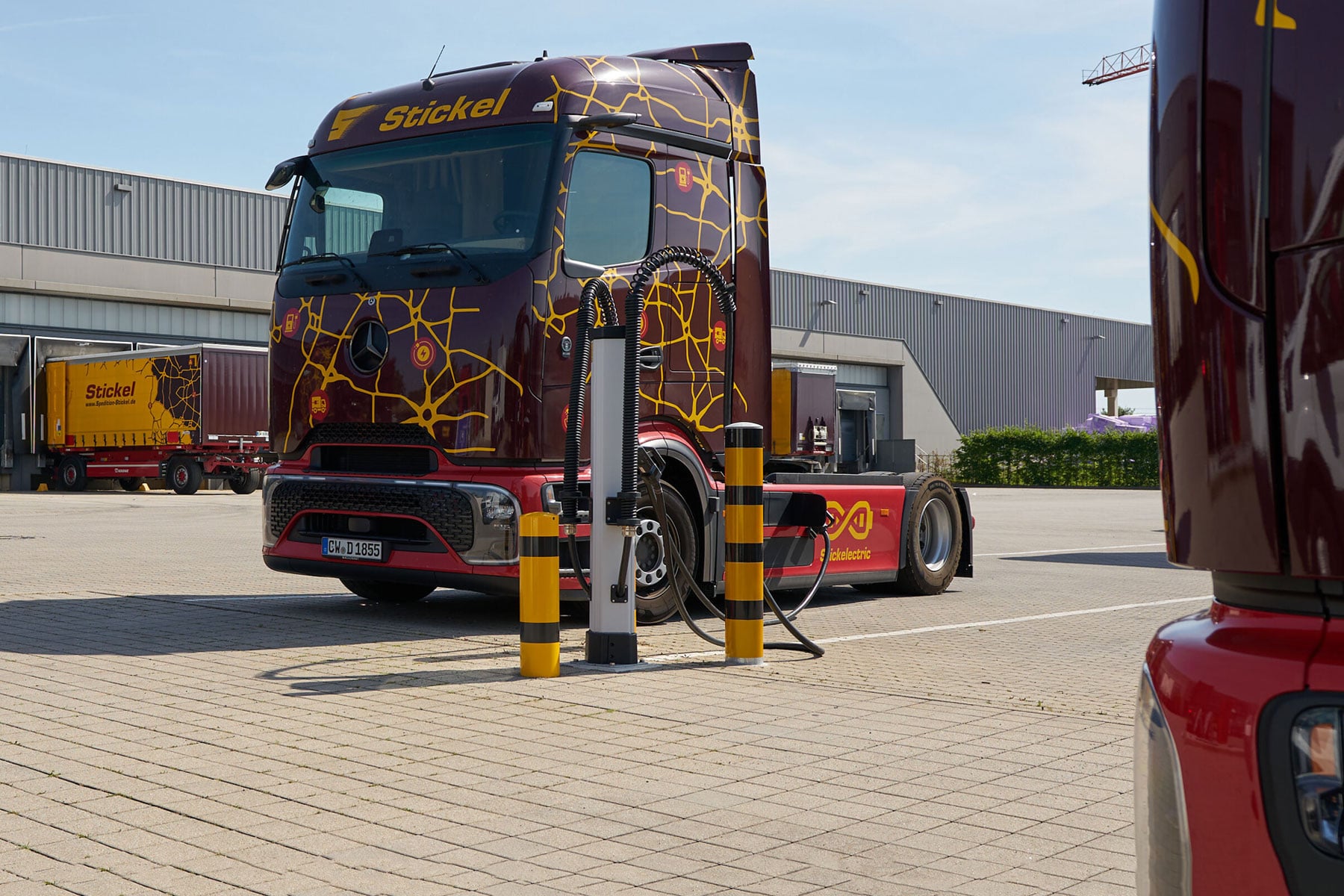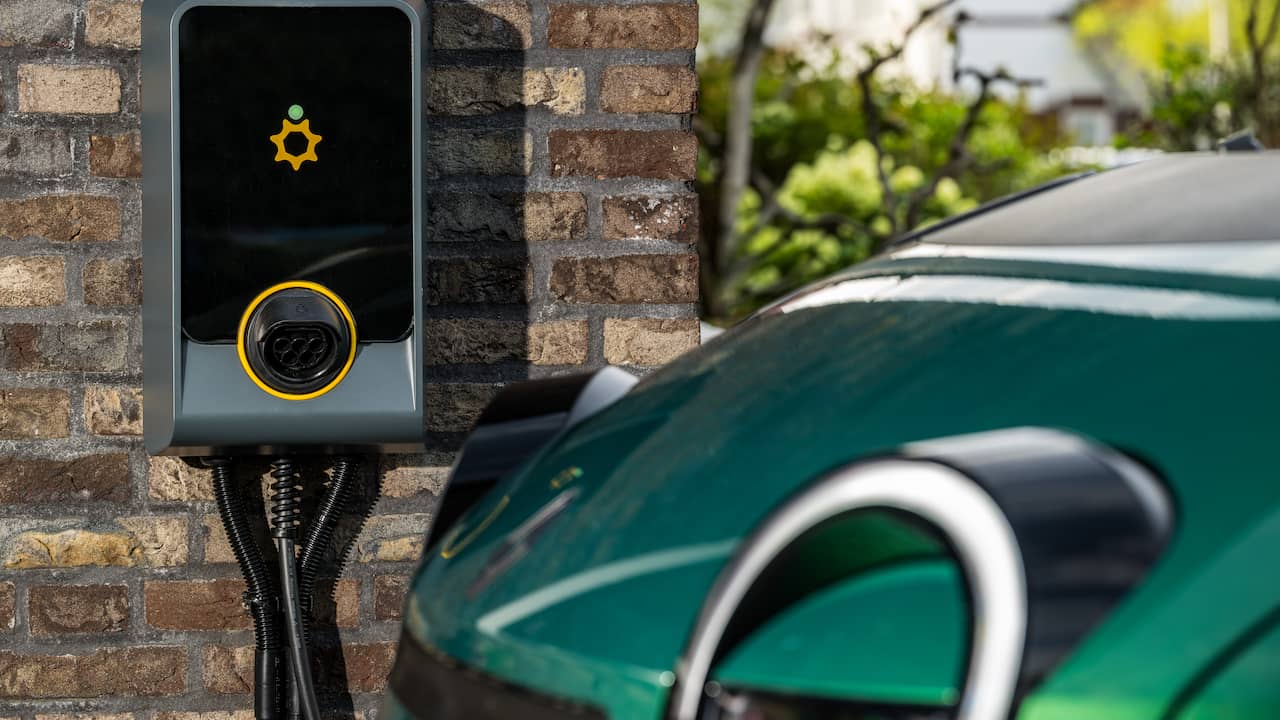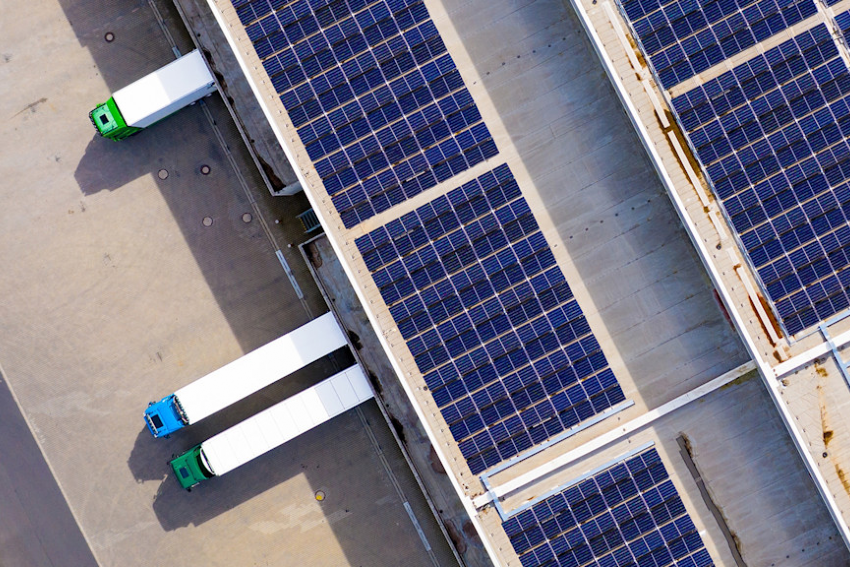
Netze BW has already gained international recognition for its early real-world pilot projects on electric car charging. Now, guided by its cred of 'not just theorising, but putting ideas into practice", the distribution grid operator is applying the same approach to electric trucks. Together with two logistics partners, the company is once again taking on a pioneering role.Image: Netze BWA few years ago, there were widespread concerns that numerous electric passenger cars charging simultaneously at home wallboxes could overwhelm local power grids and even trigger blackouts. To probe these fears, Netze BW launched several so-called ‘NETZlabore’ (real-world ‘laboratories’) at the beginning of the decade. In selected neighbourhoods, an unusually high number of electric vehicles were deployed, their loads were assessed, and they were ultimately managed in a grid-friendly way. The results showed that the grid was far more resilient than expected.Netze BW is now applying this innovative approach to electric trucks, as the prospect of charging many high-capacity electric vehicles at the same time raises similar concerns about grid strain. Through its new innovation project, ‘FlexCharge BW – NETZlabor E-Lwk’, the Baden-Württemberg-based operator aims to gain deeper insights and answer a key question: how can large E-truck fleets be efficiently integrated into the distribution grid?The practical trial is launching imminently with two logistics partners from Baden-Württemberg in southern Germany: haulage company Stickel in Nagold, and Logistik Schmitt in Bietigheim. Both companies are prepared to charge their e-truck fleets in a grid-supportive manner under the analytical supervision of Netze BW. This approach is not yet standard practice, as ‘logistics companies often lack information on grid utilisation, while grid operators are unfamiliar with logistical processes,’ the partners explain.High energy demand volumes pose fresh challengesThe ramp-up of electric trucks undoubtedly presents new challenges for distribution grids. “At logistics depots and along motorways, very high energy volumes are required in a short time. While grid expansion is possible, it is time- and resource-intensive,” said Dr Martin Konermann, Technical Managing Director of Netze BW.However, there is a faster alternative: making better use of existing short-term grid capacity. The reason is that the power grid does not always come under equal strain: “At certain times, there is more available capacity. Grid-supportive charging can utilise these time windows—enabling additional power to be used even before grid expansion is completed.”According to project leader Dr Kathrin Walz, this new ‘real-world laboratory’ will also explore innovative ways to speed up grid connections. “For industry and logistics, the electrification of trucks is challenging because the high connection capacities required can often only be provided after extensive grid expansion,” she said – highlighting an urgent need for practical solutions.Linking logistics and energy managementThe project also aims to better connect logistics operations and energy management. Experts at Netze BW highlight that grid utilisation fluctuates throughout the day and year. At the same time, depot charging processes are often flexible, thanks to downtime, fixed routes, and operational energy management systems. This creates clear potential for grid-supportive charging. In practice, it means ‘adjusting charging power and times to the local grid situation: during periods of high available grid capacity or high local feed-in, for example from photovoltaics, more can be charged; during high grid load, power is reduced.’Source: Netze BW / Translation: electriveAs part of the NETZlabor E-Lkw project, both logistics partners are developing dynamic charging schedules. The grid operator provides information on grid conditions, and the on-site energy management system translates this data into concrete charging plans for the vehicles.The field test covers one depot operated by Stickel and three sites run by Logistik Schmitt. In total, the project includes 20 fast-charging points for commercial vehicles and around 40 electric trucks. The hands-on trials will be supplemented by data analyses and simulations, ‘to evaluate potentials and transfer results to other locations,’ according to those involved. The NETZlabor is set to run until December 2026.Logistics partners: “We can only win”Netze BW is using the differing structures of its partner companies to explore different challenges. For Schmitt, the focus is on managing across multiple depots, while for Stickel, grid-supportive charging – particularly in connection with dynamic tariffs – is a central priority. As previously reported, Logistik Schmitt (Walter Schmitt GmbH) reached a significant milestone in its fleet transformation earlier this year: the medium-sized family business from Bietigheim now operates half of its trucks on electricity. This equates to around 50 battery-electric trucks.Christian Stickel said Stickel recently put ten electric trucks into operation – four MAN models and six Mercedes trucks. An eleventh vehicle is set to join the fleet this summer. At the company’s headquarters in Nagold, the vehicles currently charge at eight charging points. Stickel also plans to install a stationary battery storage system this year to optimise the use of the existing photovoltaic system “so we can actively utilise dynamic electricity prices.”Stickel’s customers include Bosch, Mercedes, Porsche, and GWW-Gemeinnützige Werkstätten, with many operations limited to the Baden-Württemberg region. “We have relatively little long-distance haulage. That’s why depot charging works well for us. And that’s why we can scale electric mobility relatively quickly,” said the Managing Director.Both Christian Stickel and his fellow Managing Director, Rainer Schmitt, are convinced that the project with Netze BW will drive them forward. “We can only win. Everything we learn gives us a competitive edge,” said Stickel. Rainer Schmitt adds that switching to electricity has the potential to generate cost advantages and even ‘win back routes’ that have been lost to lower-cost international competitors. One of the key levers, Schmitt believes, is reaching agreements with grid operators that benefit both sides. “That’s why we’re committed.”Sources: Online press briefing, information via email, netze-bw.de (in German)
Netze BW launches real-world pilot for grid-friendly electric truck charging - electrive.com
Netze BW has already gained international recognition for its early real-world pilot projects on electric car charging. Now, guided by its cred of 'not just
934 words~4 min read