Electrifying Europe’s road freight sector is essential to reducing dependence on imported fossil fuels and strengthening economic competitiveness. Achieving this transition requires the EU to address investment risk, financing, and market fragmentation, and the upcoming Electrification Action Plan is a unique chance to do so. Will Europe now turn crisis into an opportunity to remain economically competitive in the decades ahead?
Europe’s dependence on imported fossil fuels continues to expose its economy to geopolitical shocks and volatile energy prices. Electrifying road freight can strengthen energy resilience, industrial competitiveness, and climate progress, but only if the EU addresses investment risk, financing, and market fragmentation.
Renewed geopolitical tensions in the Middle East have once again exposed Europe’s energy insecurity. Despite government efforts to shield consumers and businesses from higher energy costs, each crisis reveals the same structural weakness: Europe’s economy, and particularly its transport system, remains heavily dependent on imported fossil fuels and exposed to volatile global oil markets.
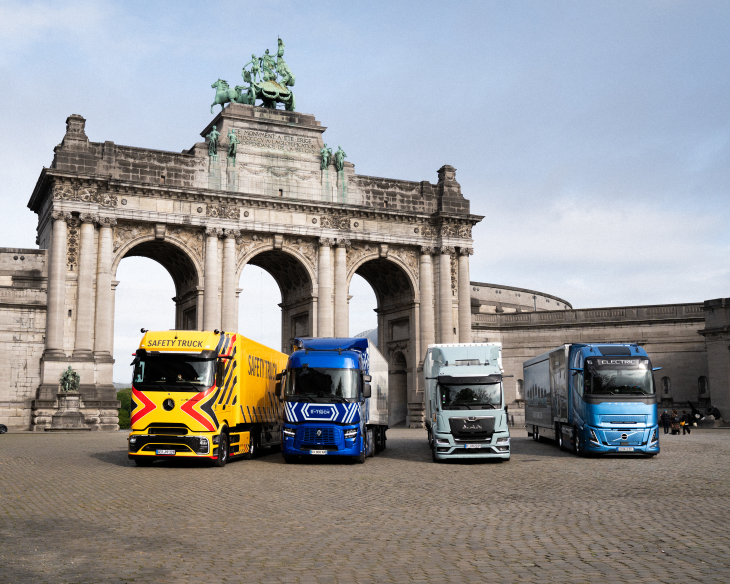
Road freight sits at the centre of this challenge. Heavy-duty vehicles transport the vast majority of goods across Europe and remain overwhelmingly reliant on diesel. As a result, every oil price spike feeds directly into higher transport costs, weakened supply chains, and inflationary pressure that destabilise the wider economy and undermine European sovereignty.