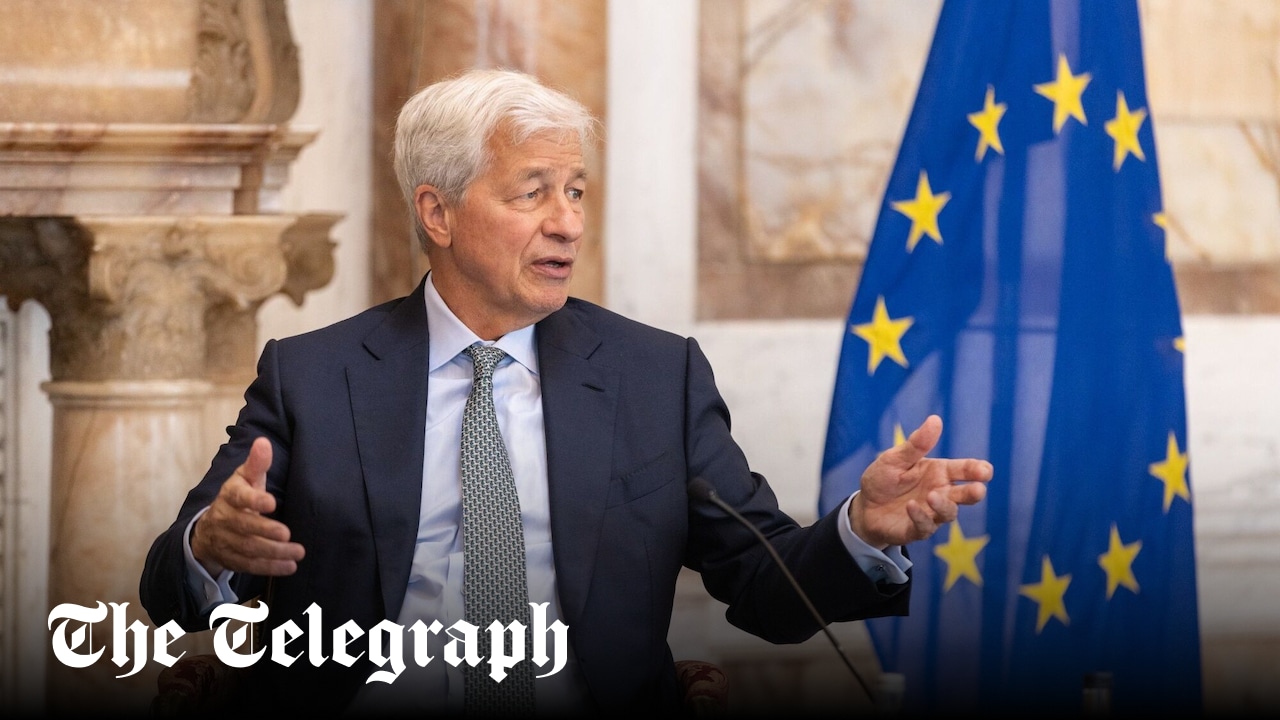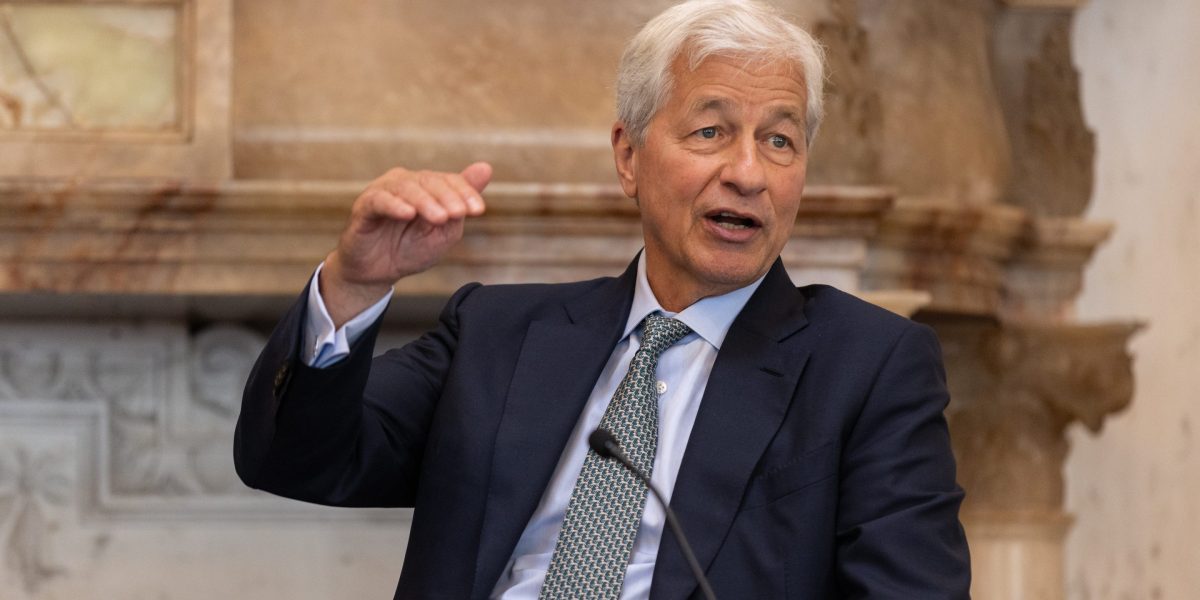
“You’re losing,” JPMorgan Chase CEO Jamie Dimon told an audience in Dublin earlier in July, speaking about Europe and its companies. He warned of the continent’s declining share in global GDP, and suggested a pro-growth agenda was needed to make up for the shortfall. “Europe has some serious issues to fix,” he had previously said.
Back in Brussels, many were nodding in agreement. After all, European growth has been tepid in the past decade, particularly compared to the US and China. In our own Fortune 500 Global list, which ranks companies by revenue, the number of European companies fell back from 142 in 2004 to 98 in 2024. And almost no new tech or industrial giants have emerged out of Europe in that time.
Yet it wasn’t Dimon’s analysis, but that from another one-time banker, former European Central Bank president Mario Draghi, a year earlier, that made competitiveness such a hot issue. Notably, he put energy at the center of it.
Former Italian Prime Minister and European Central Bank president, Mario Draghi.Horacio Villalobos#Corbis/Getty Images
Alongside recommending a greater focus on innovation, security and economic independence, Draghi explicitly linked the continent’s commitment to decarbonization with the competitiveness of its economies.