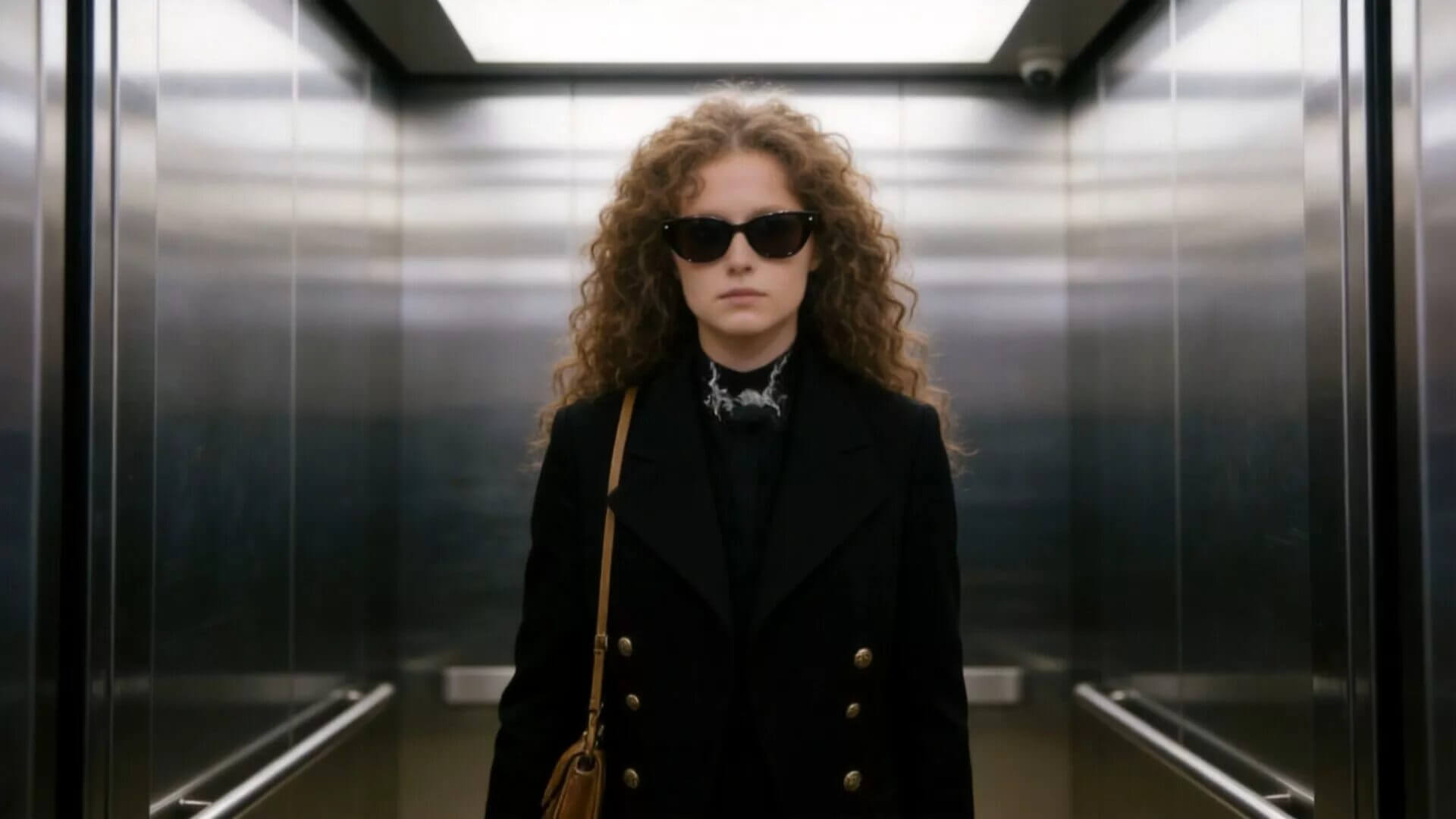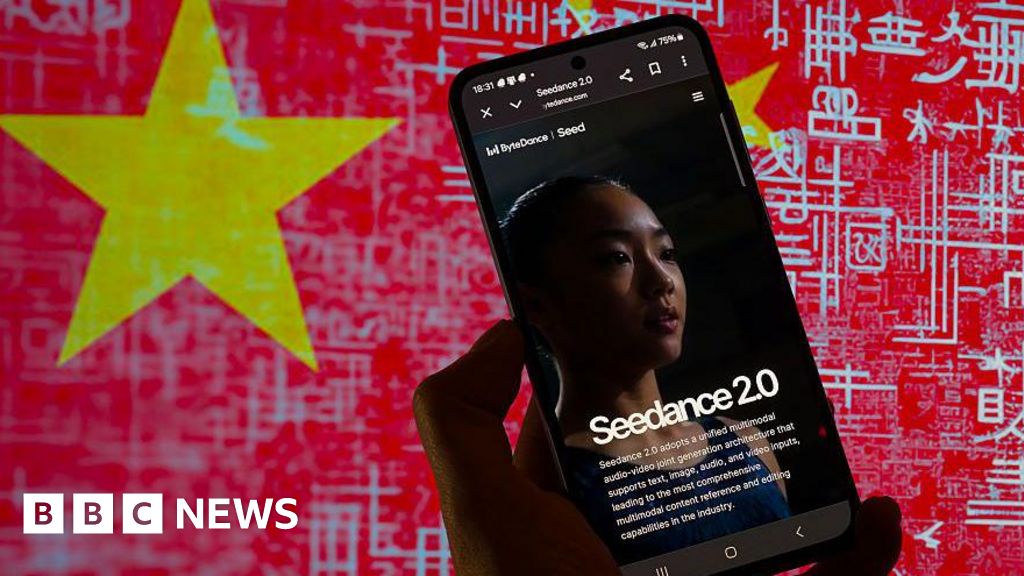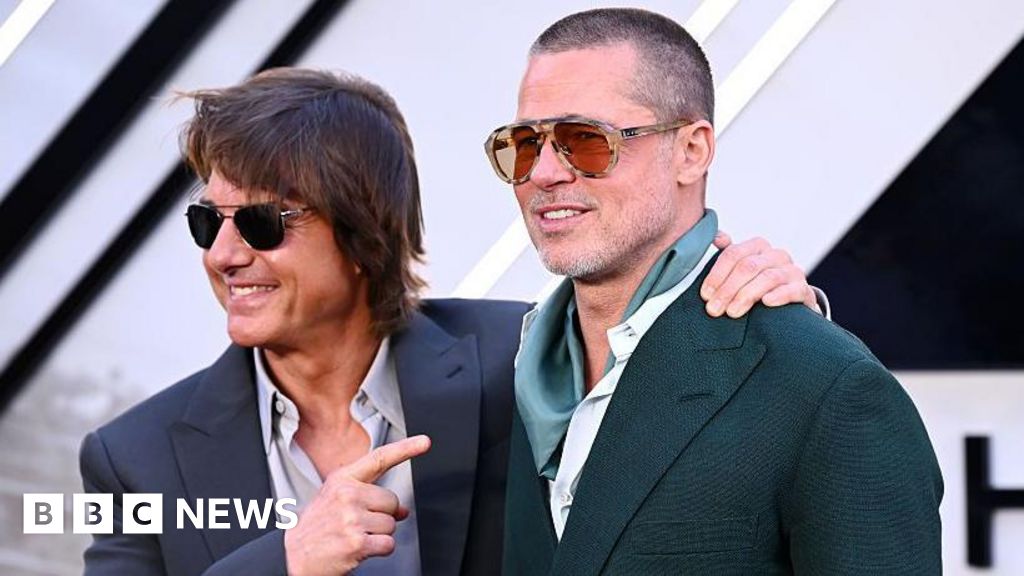
Within hours of its debut in February, ByteDance‘s new AI video generator, Seedance 2.0, was churning out hyperrealistic clips of Brad Pitt brawling with Tom Cruise on a rooftop. Darth Vader dueling Deadpool aboard a starship. Fabricated finales of Game of Thrones. Shrek, Spider-Man, the Stranger Things children, all rendered with startling fidelity and zero permission from the people and studios that created them.The Motion Picture Association called it copyright infringement “on a massive scale.” And MPA, Disney, Warner Bros., Netflix, Paramount, and Sony fired off cease-and-desist letters. ByteDance, under pressure, eventually suspended the model’s global rollout.The Seedance episode was brazen, but it was also familiar. Just weeks earlier, OpenAI had warned Congress that China’s DeepSeek was using increasingly sophisticated methods to extract capabilities from its models, a practice known as “distillation” that essentially lets a smaller model copy the homework of a larger one.
AMERICA’S CHINA SPY PROBLEM
Anthropic followed with its own accusations: DeepSeek, along with Moonshot AI and MiniMax, had generated over 16 million exchanges with its Claude system through roughly 24,000 fraudulent accounts. The goal was to siphon off the reasoning, coding, and tool-use abilities that American labs had spent billions of dollars developing. The White House has taken notice. In a recent memo, the Office of Science and Technology Policy pledged to work with companies to defend against such attacks.