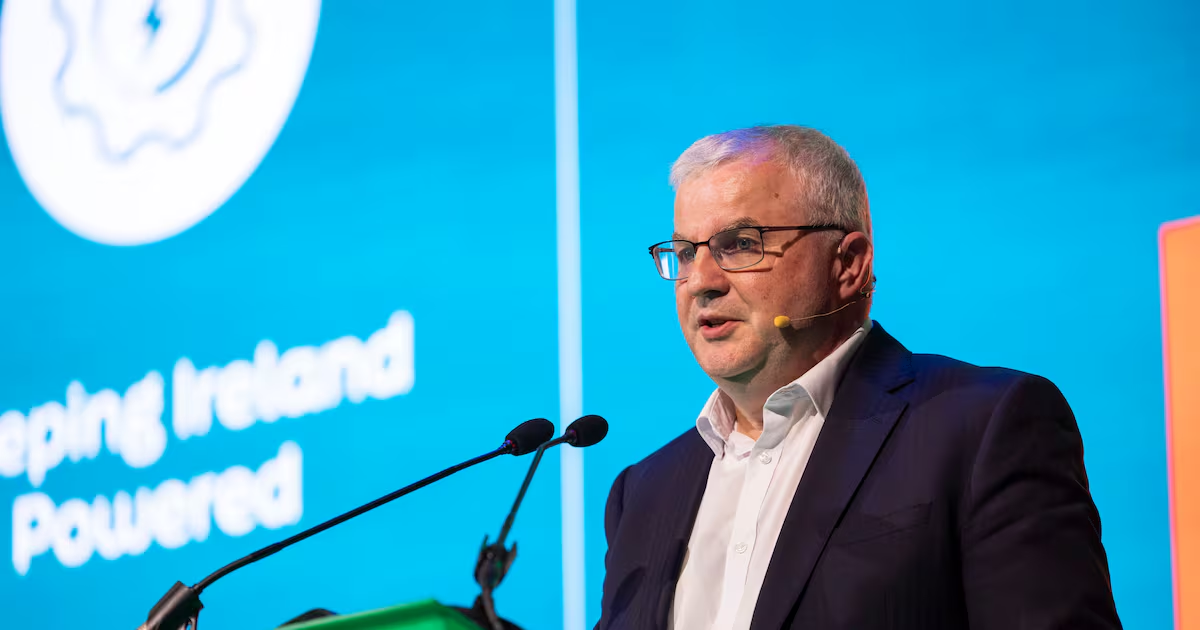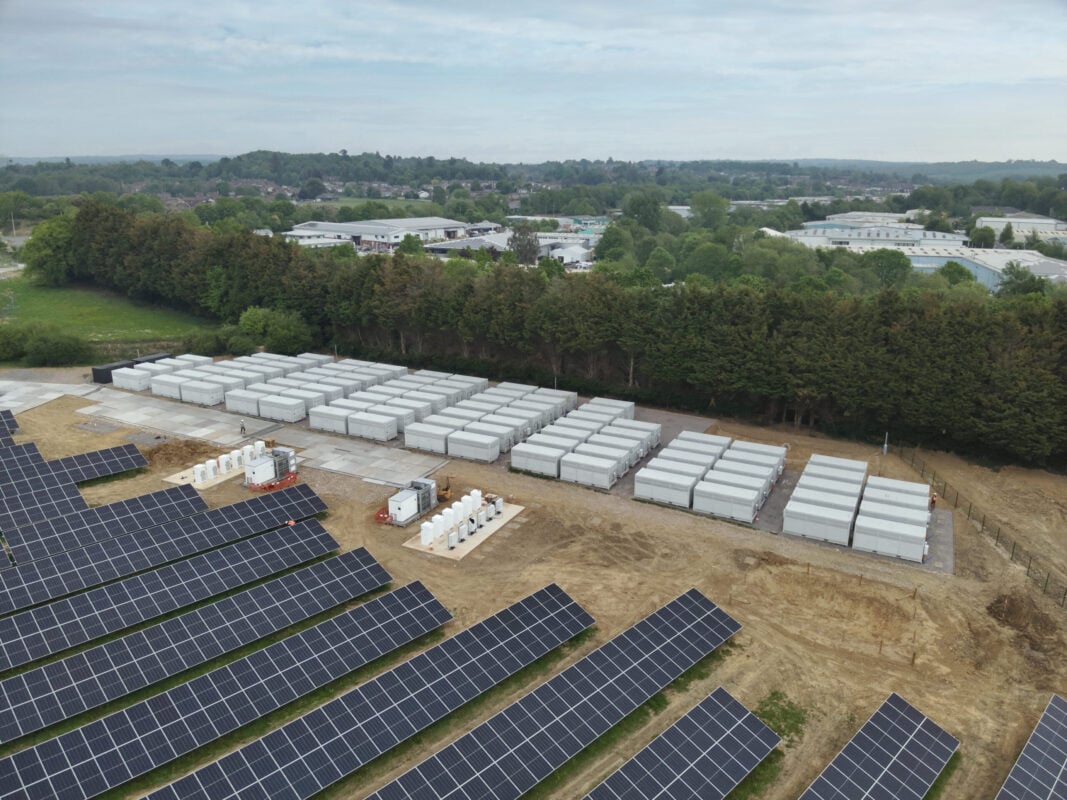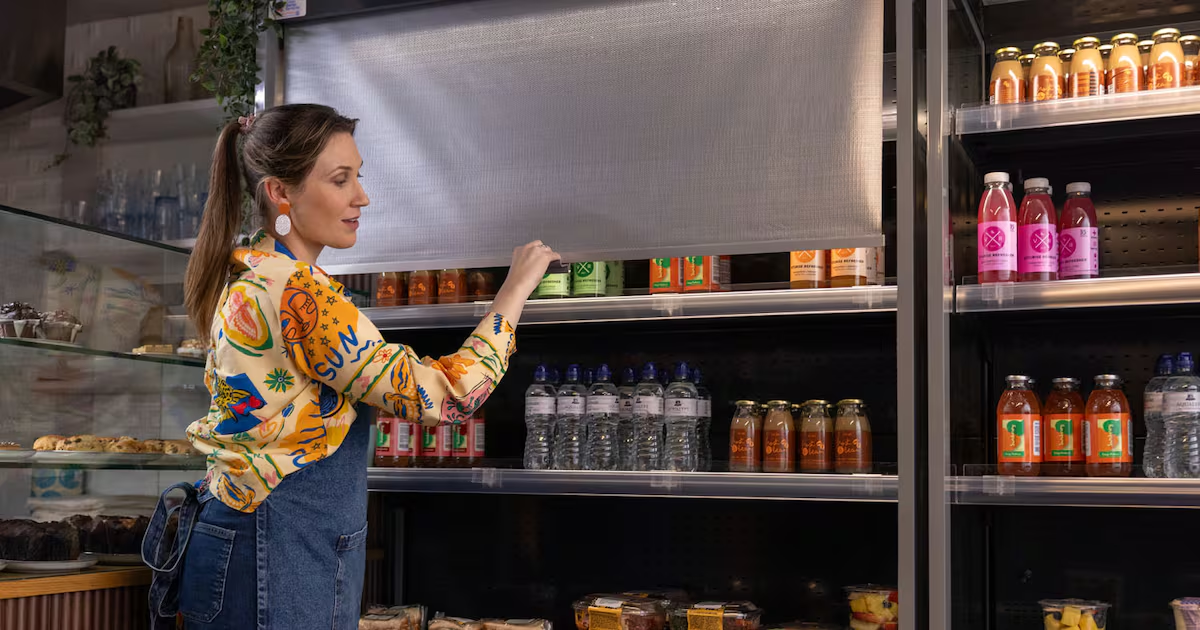
Ireland’s transition to a cleaner energy future depends on how quickly and effectively we can harness renewable electricity. But renewable electricity brings variability. Wind and solar aren’t as predictable, so our electricity network must become more agile and be able to respond in real time to changes in supply and demand.Traditionally, meeting this challenge has relied on large-scale infrastructure upgrades. These remain essential and will continue across the country. However, they take time and significant investment. Increasingly, there is also a smarter, more responsive way to manage the system, one that works alongside these upgrades, which enables us to maximise the efficiency of the electricity network, balancing our customers’ needs with the need for a net-zero future.This approach, known as demand side flexibility, enables businesses to play an active role in balancing electricity demand. Rather than relying solely on building new capacity, it focuses on using energy more efficiently, creating a more resilient, flexible electricity network for everyone.In practice, demand side flexibility – or energy flexibility programmes – rewards participants for adjusting their electricity use at key times, reducing electricity usage or injecting power from generation or storage, when there is greater demand on the electricity network (upward flexibility), or if the renewable energy is abundant, then increasing electricity consumption or reducing the power injected from generation or storage (downward flexibility). This way of managing electricity availability is already gaining momentum internationally, helping electricity systems unlock capacity faster, reduce costs and accelerate the transition to net zero.As part of this transition, ESB Networks, through its Net Zero Strategy, is working to enable the level of demand side flexibility required to meet Ireland’s national targets. To support this, it has launched a consultation on proposed medium-term flexibility solutions for upward flexibility, designed to help manage local network constraints in specific areas.This consultation sets out the proposed approach and invites feedback from businesses and stakeholders before any final decisions are made. It provides an opportunity for ESB Networks customers and stakeholders to help shape how flexibility will work in practice and how it can deliver value for both the electricity system and participating organisations and customers.This builds on the electricity network operator’s experience to date in delivering flexibility in the domestic market through its flagship programme, Is This a Good Time? Since its launch the programme has engaged nearly 50,000 customers, enabling them to take part in energy events by shifting electricity use away from peak periods (typically 5pm-7pm) and towards times of higher renewable generation. Through participation, customers benefit from greater control over their energy use, opportunities to reduce costs, gain rewards to be used in a variety of retail outlets, and the ability to contribute to a more reliable and sustainable electricity system. Participation is supported through direct communications such as SMS and email, and access to supporting information is available at esbnetworks.ie.The consultation seeks to build on this proven approach extending flexibility participation beyond domestic customers to ensure future solutions deliver clear, practical value for participants while supporting system-wide resilience and decarbonisation goals.Exploring Local Business FlexESB Network’s proposal under the consultation is called Local Business Flex. It’s an initiative designed to bring the benefits of flexibility directly to businesses in targeted locations.Developed with industry input, Local Business Flex is intended to offer organisations a practical and commercially attractive way to engage in the energy transition while supporting the efficient operation of the electricity network.The proposed model is simple:Flex: Commit to reducing electricity use, or inject power from generation or storage at agreed times.Earn: Receive payments based on the level of flexibility provided and the needs of the local network.As Gerry Noone, ESB Networks flexibility business development manager, explains: “Local Business Flex is about unlocking new value for businesses when they use electricity. Through this consultation, we want to work with customers and stakeholders to design a solution that is both practical and impactful.”A potential opportunity for businessLocal Business Flex could deliver a range of benefits for participating organisations, including:New revenue opportunities: Creating an additional and predictable income stream linked to electricity use.Enhanced sustainability: Supporting businesses in reducing their carbon footprint.Operational flexibility: Offering different participation options aligned to business needs.Future-ready positioning: Enabling organisations to play an active role in Ireland’s energy transition.Whether the goal is to manage energy costs, invest in low-carbon technologies, earn additional revenue, improve resilience or demonstrate climate leadership, flexibility has the potential to become an important part of how businesses operate in the years ahead.Have your sayThis consultation is a key step in shaping how these solutions will be developed and delivered. Businesses with an ESB Networks smart or quarter-hourly meter are particularly well placed to take part and share their perspective.To learn more and contribute your views, visit esbnetworks.ie. The Local Business Flex Product Proposal Consultation closes on May 22nd
The future is flexible for cleaner energy use in business
ESB Networks hosts Local Business Flex consultation to give business owners their say and to highlight the benefits of flexibility to businesses
795 words~4 min read