In the world of business, there are two kinds of sustainability – sustainability in the sense that we need a planet to live and breathe on, and sustainability in the sense that the business needs to stay in business. For years, EV proponents have been talking about sustainability of the first kind, but Trump’s war with Iran is proving that going electric can help with sustainability of the second kind, too.
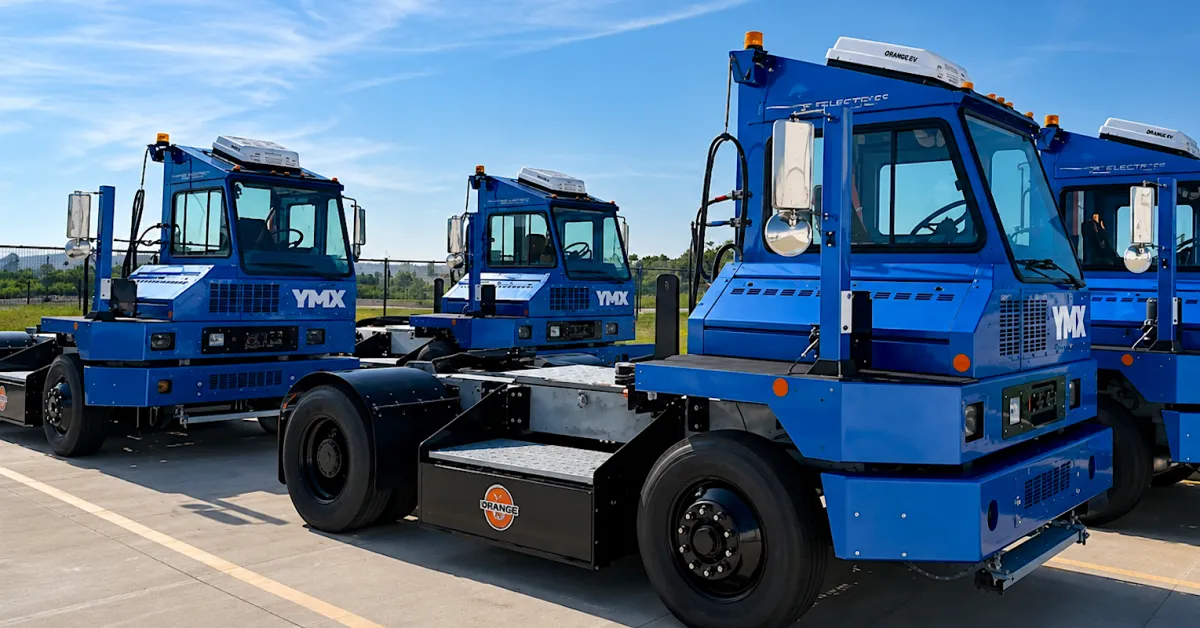
“Electrifying yard operations is often framed as a sustainability initiative. [But] that framing is incomplete,” reads YMX’ official copy. “It is also a risk management strategy.”
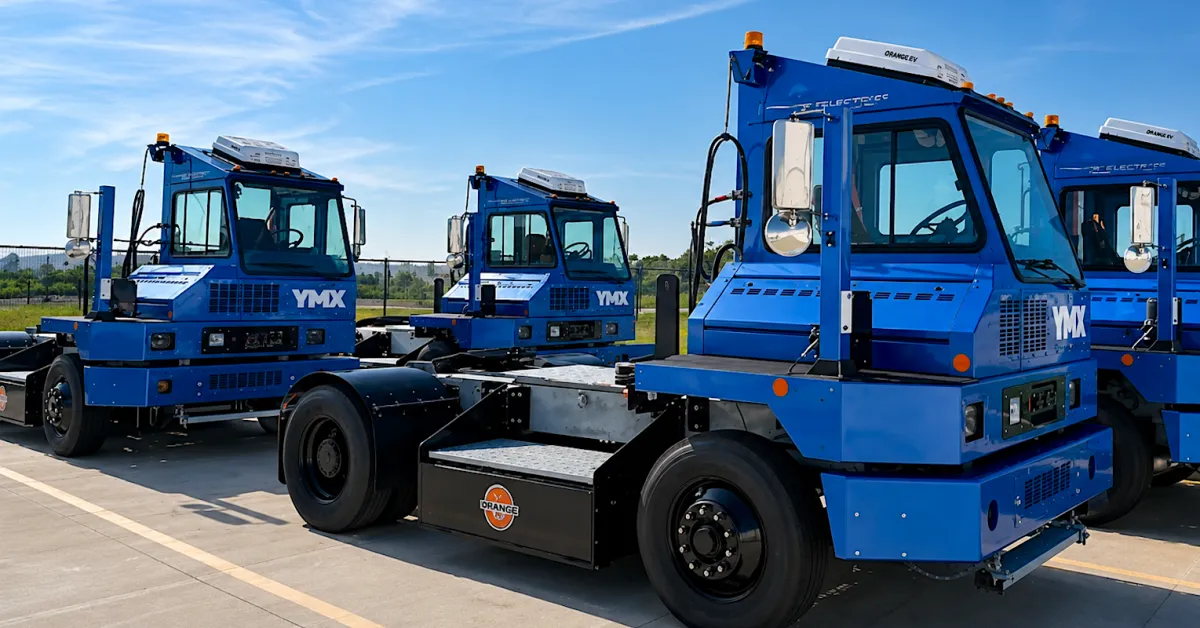
That’s a line from a blog post titled, “The Oil Shock: Is It Time to Move to 100% Electric Yard Trucks?” on the company’s website, highlighting the fact that YMX, a national provider of end-to-end outsourced yard logistics, YMX has a proven track record of working with large shippers, leading Silicon Valley companies, and top-tier consulting firms to reduce costs and improve efficiencies at scale.
In other words, when a company like YMX starts talking about things like downtime, total costs of ownership, and fleet management, everyone should listen.
(Oil) markets have been rattled by conflict involving Iran and severe disruption around the Strait of Hormuz, one of the world’s most important oil chokepoints. In 2024, roughly 20 million barrels per day moved through that strait, equal to about 20% of global petroleum liquids consumption. According to the U.S. Energy Information Administration, Brent crude surged above $100 per barrel in March, with expiring contracts briefly exceeding $118. Diesel prices followed immediately, reaching a U.S. average of $5.401 per gallon, with California exceeding $7.20 per gallon. These are not marginal increases. They represent rapid cost repricing across the entire supply chain.