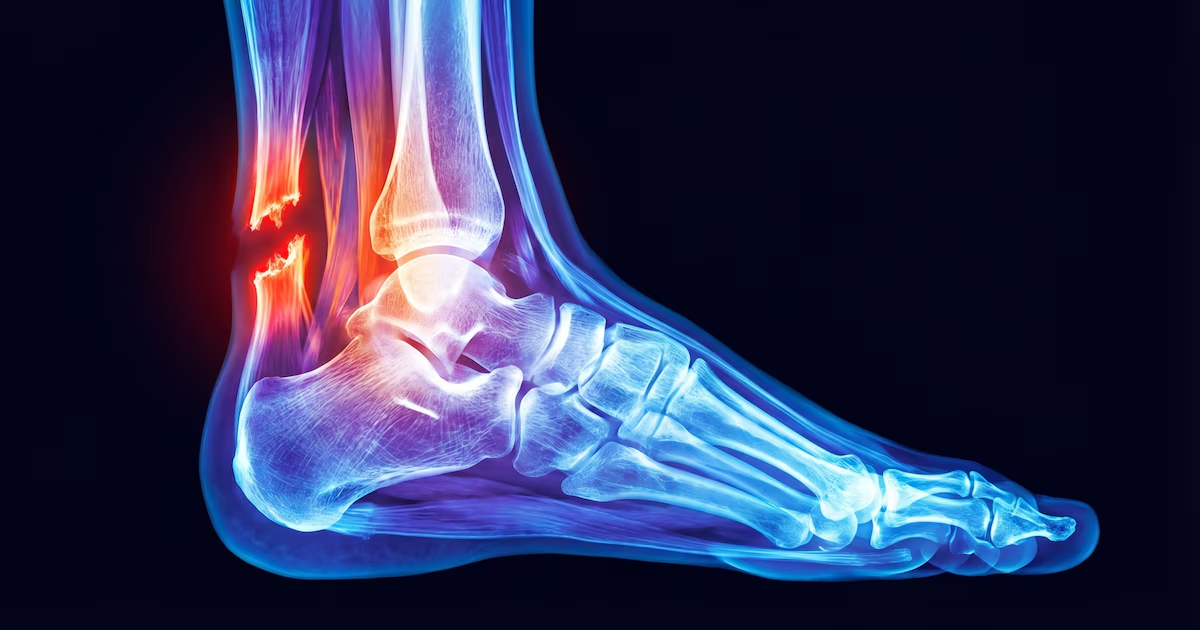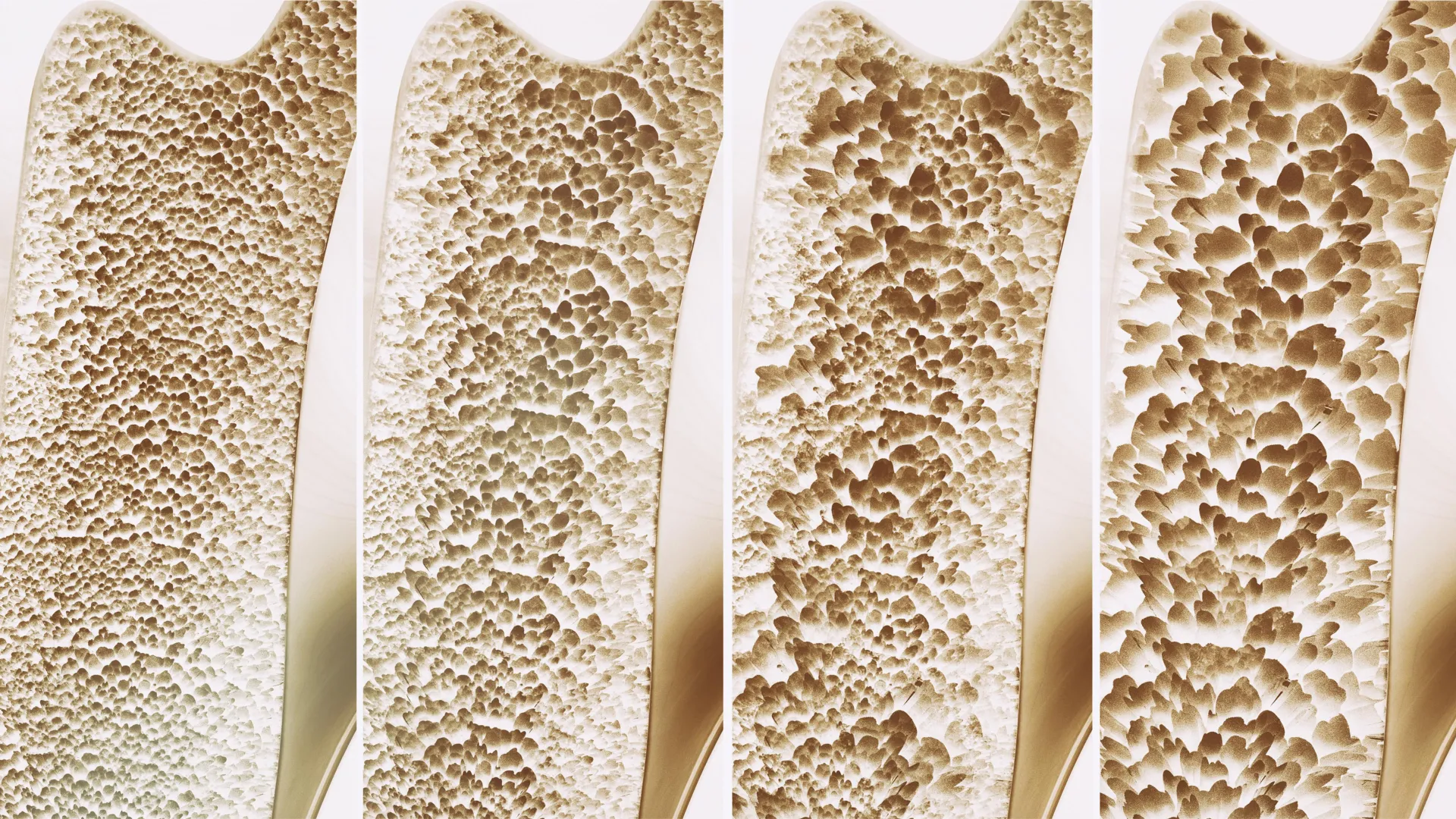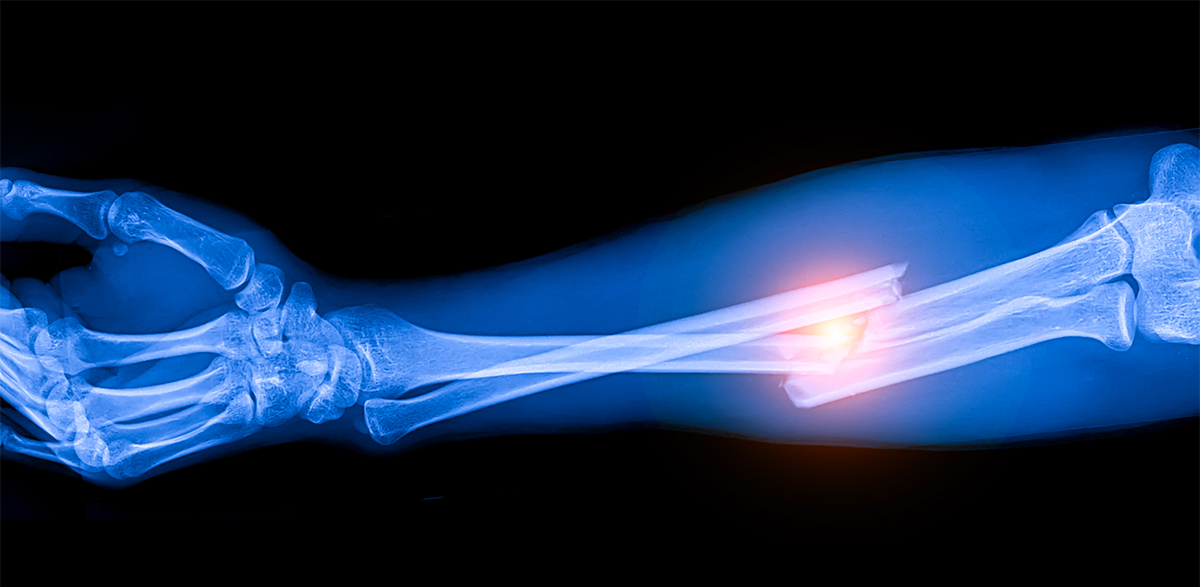
A major new study has found a risk people thought they would be avoidingNeil Shaw Assistant Editor (Money and Lifestyle)06:40, 21 May 2026Calcium and vitamin D supplements do nothing to prevent falls and fractures in older people, a review has concluded. On the NHS, some people are prescribed both vitamins if they are at risk of osteoporosis or a fracture, while others buy supplements in the belief they will prevent broken bones.However, a new study published in the British Medical Journal (BMJ), found there was no evidence to support regularly taking calcium or vitamin D tablets to specifically prevent fractures and falls. Researchers from Quebec, Canada, looked at 69 clinical trials involving 153,902 people, and examined the risk of any fracture.They also looked in detail at the risk of hip fracture, bone breaks occurring outside the spine, spine fractures, falling and total number of falls. The results showed that there was “little to no effect” on the risk of any fracture from taking calcium supplements, vitamin D supplements or both of them combined.The vitamin tablets also had no to little effect on specific fractures and the risk of falls. The team said almost a third of people aged 65 and over experience at least one fall every year.“As much as 85% of older adults have a fear of falling because of a fall, contributing to reduced daily functioning and increased risk of subsequent falls,” they added. “Furthermore, half of women and one fifth of men will sustain a low trauma fracture during their lifetime, often due to a fall.”However, the team said there was no evidence taking vitamin tablets helped reduce these risks. They acknowledged some of the trials were small and had few people, and said the results may not apply to people with specific bone disorders or to those receiving drug treatment for osteoporosis.However, they concluded their findings “do not support routine supplementation with calcium or vitamin D, or combined supplementation to prevent fractures and falls” and they suggested doctors, guideline panels and regulatory agencies “should re-evaluate their general recommendations for calcium and vitamin D supplementation in light of current evidence.”Article continues belowWhen it comes to what people can do to prevent falls and fractures, the team pointed to weight-bearing exercise plus tailored advice on preventing falls to each individual person. Vitamin D helps regulate the amount of calcium and phosphate in the body, all of which keep bones, teeth and muscles healthy.A lack of vitamin D can lead to bone deformities such as rickets in children, and bone pain caused by a condition called osteomalacia in adults. The current Government and NHS advice is for people to take a daily vitamin D supplement during the autumn and winter, owing to a lack of sunlight in Britain in these months.From about late March or early April to the end of September, the NHS says most people should be able to make all the vitamin D they need from sunlight. For calcium, adults aged 19 to 64 and over need 700mg of calcium per day, which the NHS recommends people should try and get from their diet.
New 'falls and fractures' alert for people taking vitamin D or calcium
A major new study has found a risk people thought they would be avoiding
518 words~2 min read