See more Daily Mail on Google - save us as a Preferred SourceBy LUKE CHAFER, HEALTH REPORTER Published: 23:59 BST, 23 May 2026 | Updated: 00:00 BST, 24 May 2026
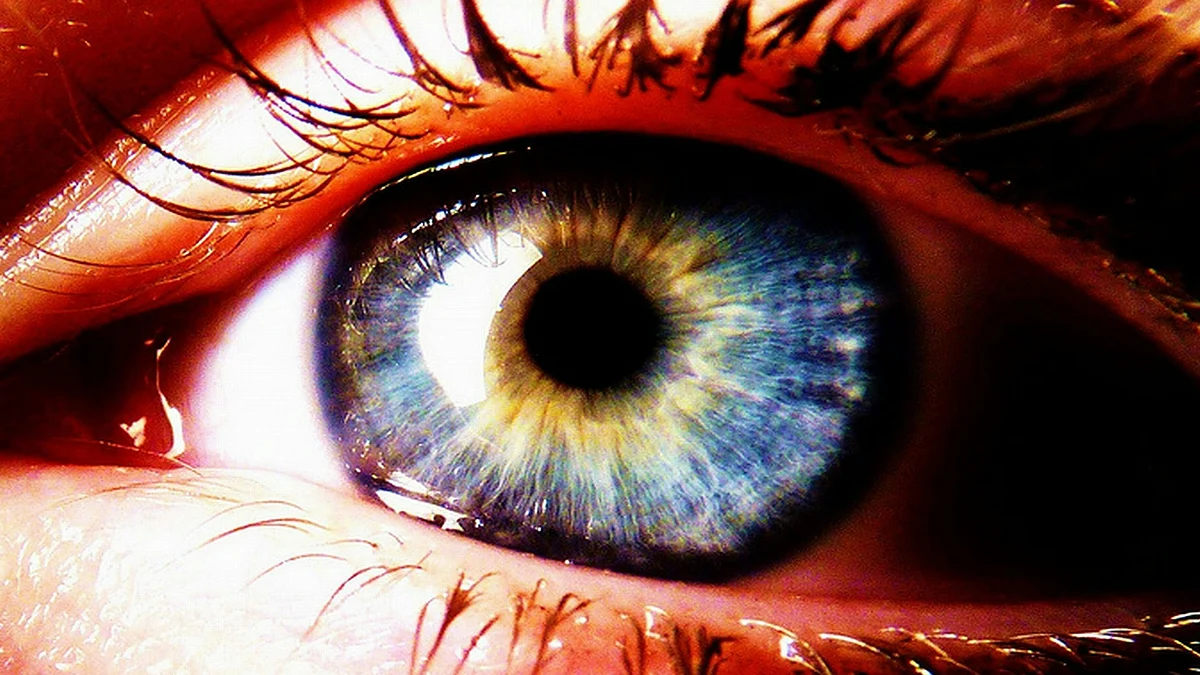
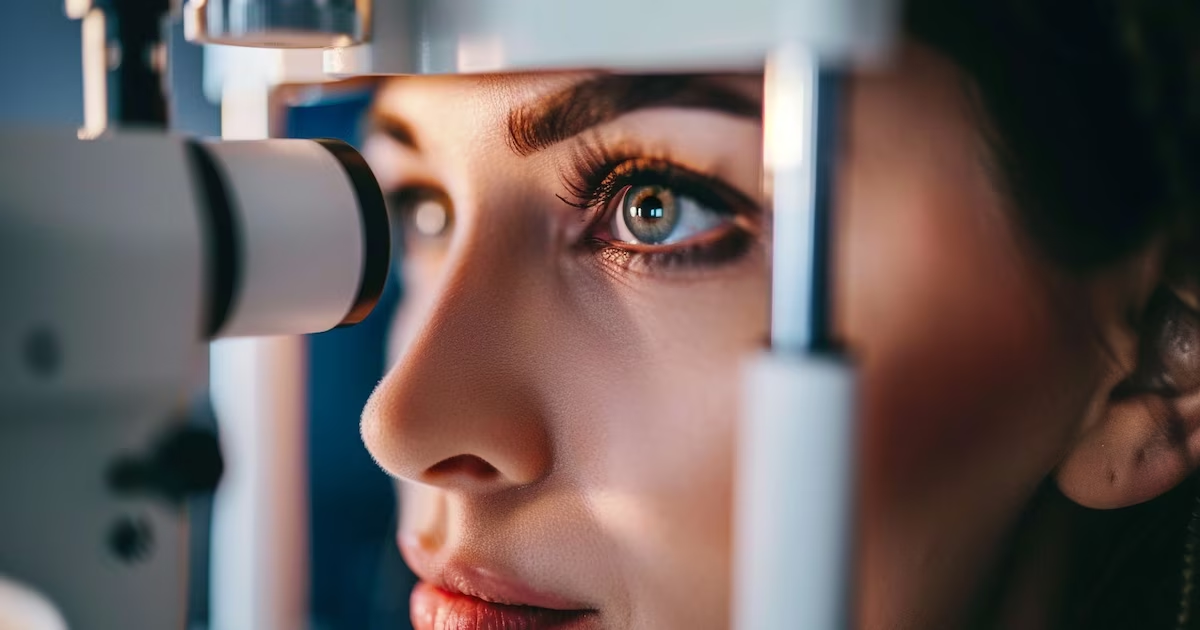
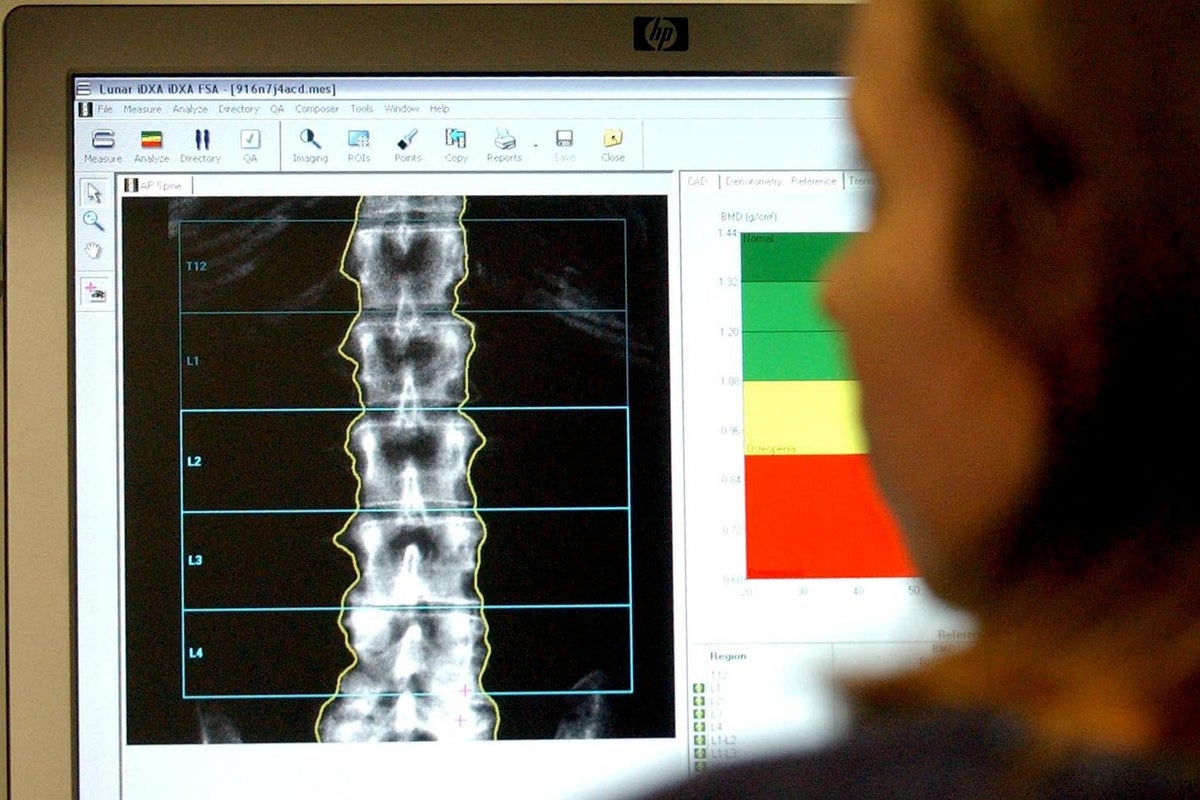
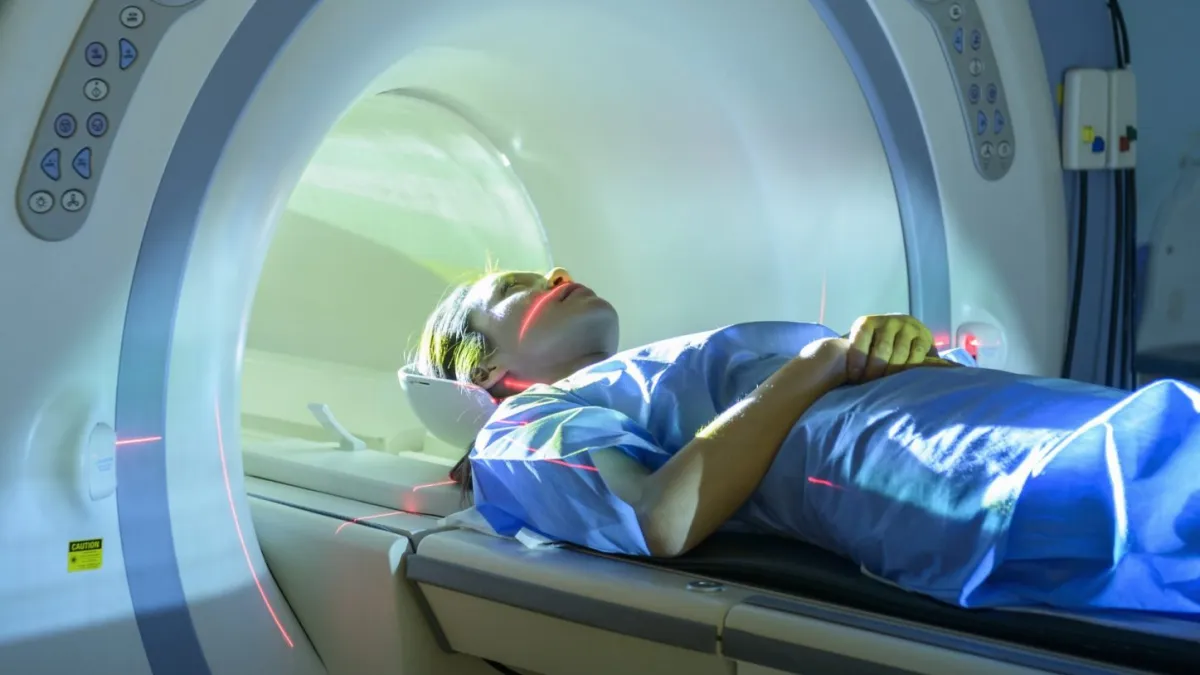
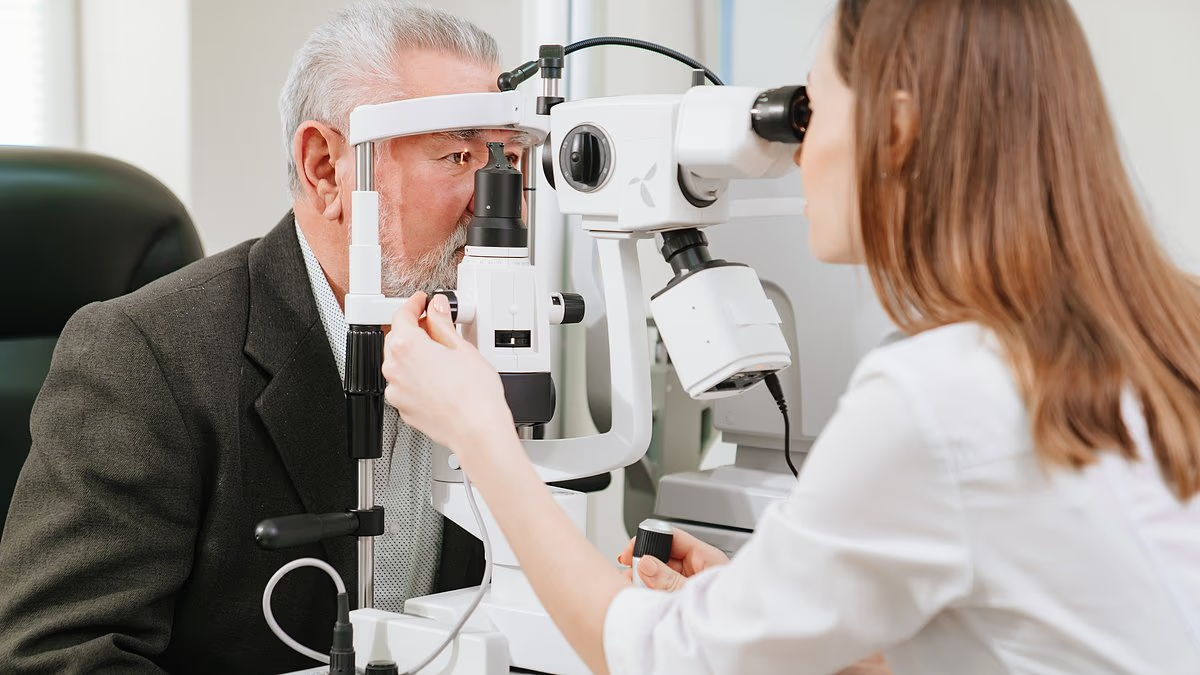
A simple eye test could reveal a person's risk of osteoporosis.Nearly 3.5 million people in the UK live with the condition, which is characterised by weakened bones and predominantly affects post-menopausal women.A study by Singaporean researchers scanned the eyes of nearly 2,000 people and compared the findings with bone mineral density tests.They found that the older a person's retina score – determined by the AI scan – the lower their bone mineral density score was, increasing their fracture risk.The trial was supported by an analysis of 44,000 people from the UK by the researchers.The retina is a thin layer of light-sensitive tissue located at the back of the eye. Past studies have shown retina scans can help detect cardiovascular disease.Experts say the retina is a key window into a person's health as it is the only place where blood and neural vessels can be viewed without an invasive procedure.It is hoped the latest finding will help with the early detection of the bone-thinning disease. A simple eye test could reveal a person's risk of osteoporosis'These findings suggest that retinal biological aging may reflect broader ageing processes related to skeletal health,' conclude the authors, led by researchers at the Singapore Eye Research Institute.'Retinal imaging may therefore provide a simple, non-invasive, and accessible way to support opportunistic screening for osteoporosis risk.'Currently, the condition can be detected only with expensive scans, often given after a person has suffered a fracture.The Mail on Sunday together with the Royal Osteoporosis Society has been campaigning for the full rollout of fracture liaison services, screening clinics that aim to detect osteoporosis before a debilitating fracture.The Royal Osteoporosis Society charity estimates 2,500 people die every year from the effects of preventable hip fractures.Craig Jones, chief executive of the Royal Osteoporosis Society, said: 'We welcome all new studies into the early diagnosis and treatment of osteoporosis. Delayed diagnosis is the reason so many people are left vulnerable to life-changing fractures.'