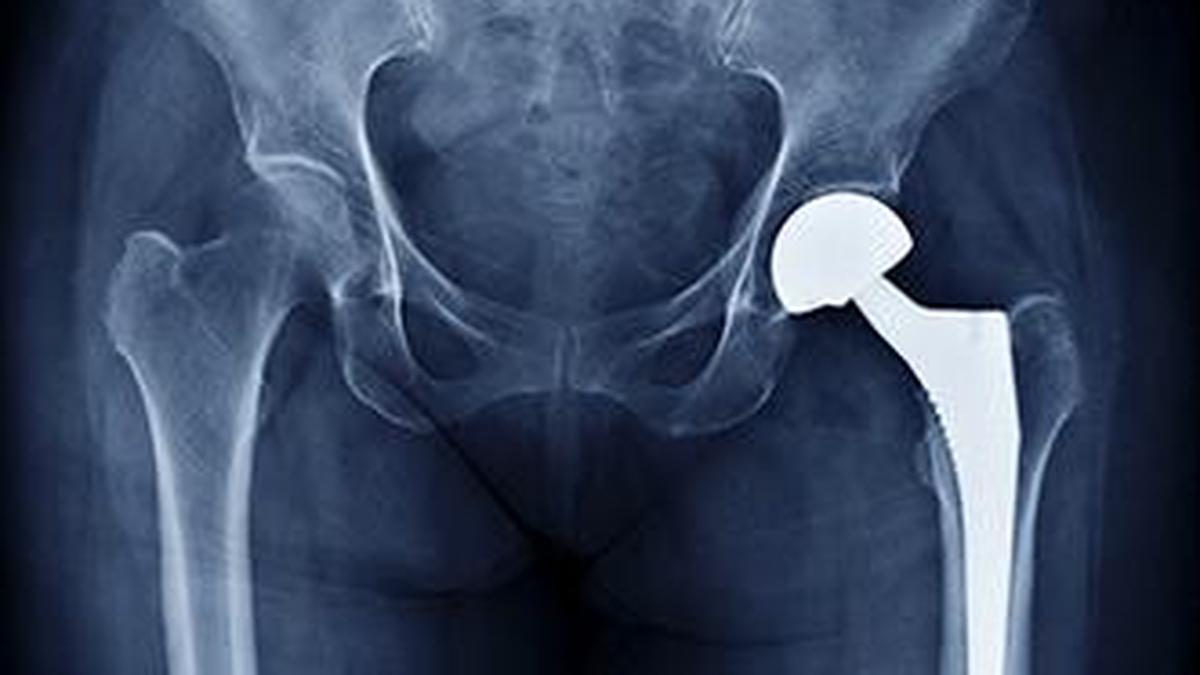
Inherited factors could leave some people more vulnerable than they realise12:17, 28 May 2026People have been urged to get themselves checked if their parents have suffered a hip fracture as genetics could play a much bigger role in your own bone health than most people realise, particularly for osteoporosis risk.Osteoporosis is a health condition that makes the bones fragile and develops over multiple years but it is usually only diagnosed when a person has already broken a bone or experienced a fracture. However, one Darlington local was able to avoid this fate that her parents suffered.Janet shared with the Royal Osteoporosis Society: “Both my parents had hip fractures in their 80s. I asked my GP for a DEXA scan in my early 50s because of the family history and to my shock, I was already in the osteoporotic range in my spine.“I haven’t had a fracture thankfully, but at least now I know I’m at risk and can do something about it to prevent any broken bones in the future. The first step is definitely finding out as much as you can.”Only around 28% of adults recognise that your family history can play an important role in your risk of osteoporosis, and just 41% said they’d consider getting their bone health checked if their parents broke a hip.While one in two women and one in five men over 50 will break a bone because of osteoporosis, early diagnosis may save people not just from the pain of a fracture before getting answers but also help them avoid breaks entirely like Janet has by taking their risk into account and acting on it.The ROS said: “Family history matters, but it doesn’t dictate your future. With the right information, lifestyle choices, or treatment when needed people can dramatically reduce their risk of often life‑changing broken bones from happening.”The society is urging people to take the Great British Bone Check today. This free online risk tool takes just three minutes to complete and will highlight what risk factors you have for the condition, and may give recommendations for areas you can improve.While some risk factors, like family history, are out of your control the ROS highlighted a number of lifestyle choices that could be influencing your risk of osteoporosis, for better or worse.Maintaining a healthy body weight, avoiding smoking and excess alcohol, ensuring good nutrition, and maintaining a good level of regular exercise can all significantly reduce risk. A calcium‑rich diet, sufficient vitamin D, and regular weight‑bearing and muscle‑strengthening exercise also help protect bone strength over time.Article continues belowIf you are diagnosed with osteoporosis, there are lots of effective treatment options to help keep your bones strong. There are some medications on offer from the NHS which can help, alongside vitamin D and calcium supplements or being treated for other health issues like Hyperparathyroidism that increase your risk.If you’re worried about your bone health or have a family history of broken bones, it’s advised to speak to your GP and use the ROS website and Great British Bone Check.
‘My family’s pattern of broken bones led to early diagnosis'
Inherited factors could leave some people more vulnerable than they realise
506 words~2 min read