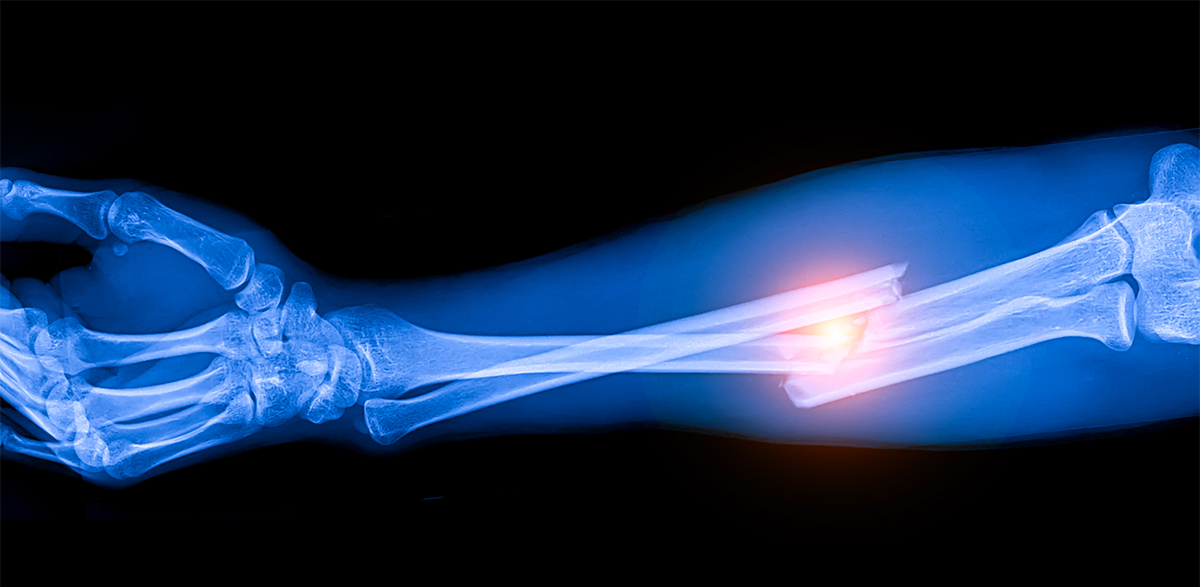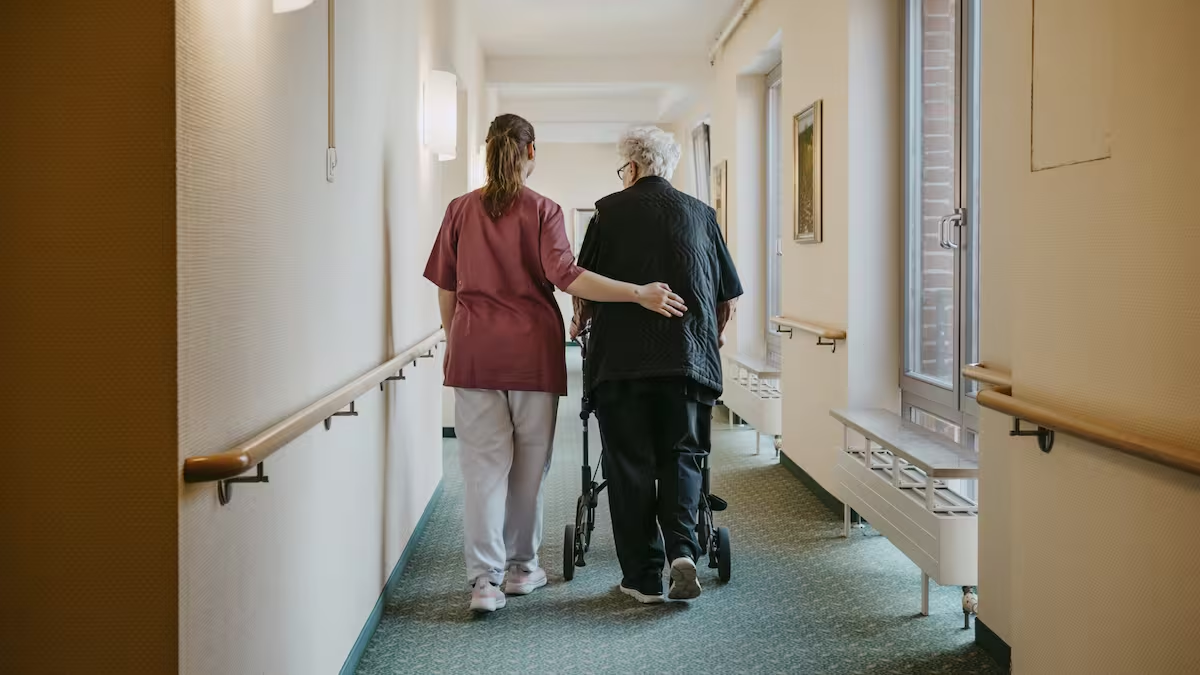
Today, nearly 100,000 older Americans will fall. For many, that fall marks the start of a life-altering decline: a fractured hip, lost independence, even early death.
We tend to think of these falls as accidents. But more often than not, falls and their consequences are a silent crisis decades in the making.
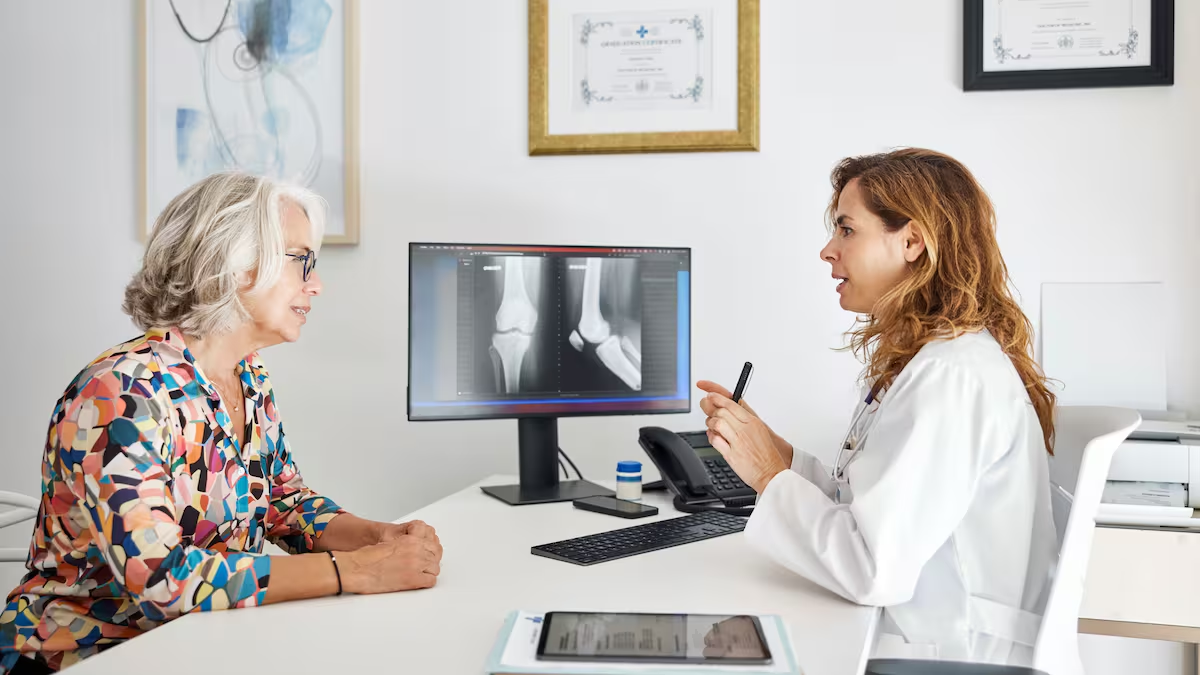
Americans today are entering old age with more fragile bones than previous generations, and modern life is largely to blame. We are moving less, spending more time indoors, and getting fewer of the nutrients — especially calcium and vitamin D — needed to keep the skeleton strong. At the same time, the specialists best positioned to catch and treat bone loss are in short supply.
The result: an aging population increasingly vulnerable to fracture, and a healthcare system increasingly ill-equipped to help. That makes prevention more critical — and more urgent — than ever.
More than half of U.S. adults over age 50 already have low bone mineral density or osteoporosis, a disease that weakens bones and leaves them prone to fracture.