See more Daily Mail on Google - save us as a Preferred SourceBy MEIKE LEONARD, HEALTH REPORTER Published: 01:01 BST, 12 July 2026 | Updated: 01:47 BST, 12 July 2026
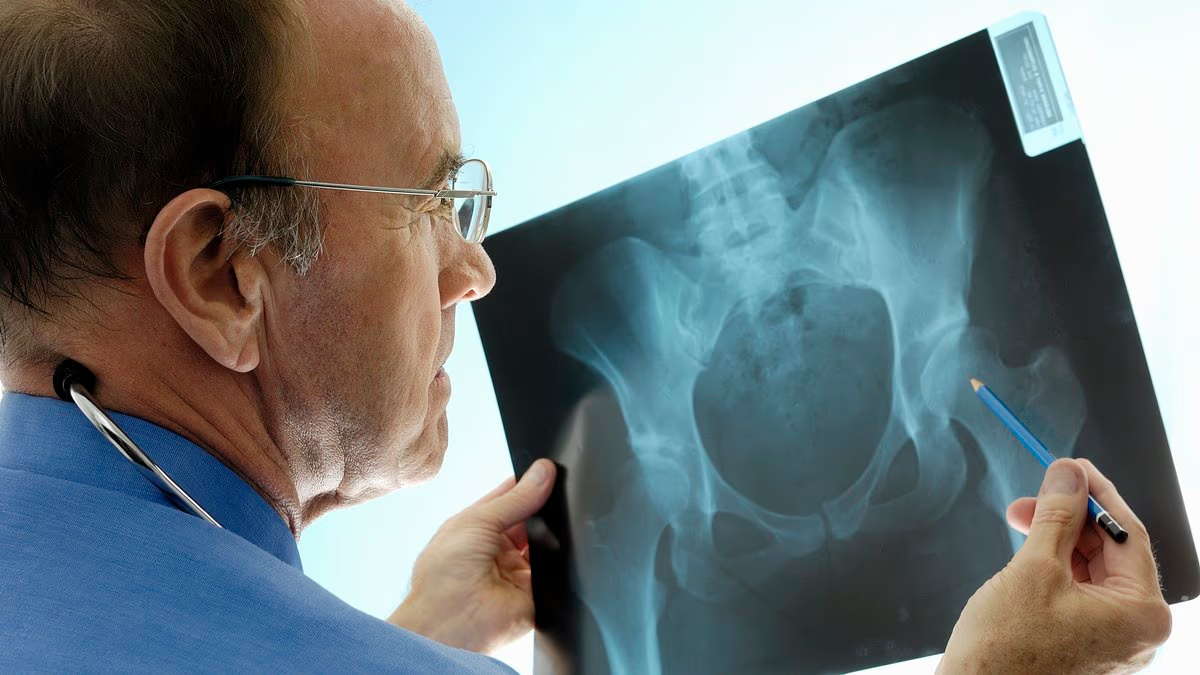
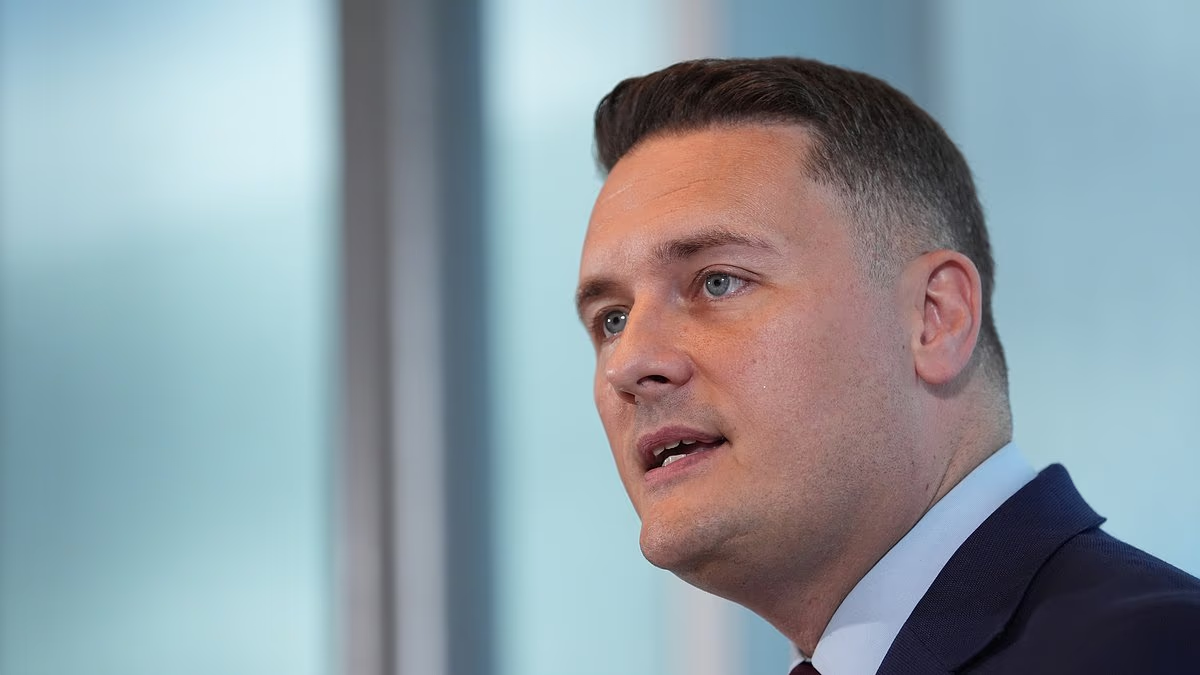
A pledge by the Government to create 59 new life-saving brittle bone clinics by 2030 will, at the current rate, take 38 years, according to campaigners.Analysis of the Government's own data reveals that the planned rollout will take 34 years longer than promised – and potentially lead to an additional 40,000 preventable deaths.Osteoporosis affects more than 3.5 million people in the UK – nearly two-thirds of whom are women.Many do not realise they have the condition until they break a bone.Charities say more early detection centres could save the NHS millions as well as saving thousands of lives.The Royal Osteoporosis Society estimates 2,500 people die every year from the debilitating effects of preventable hip fractures.Following a campaign by The Mail on Sunday and the Royal Osteoporosis Society, then Health Secretary Wes Streeting made a pre-election promise to end a postcode lottery and deliver a universal Fracture Liaison Service (FLS) by 2030.During a House of Lords debate this month, Health Minister Baroness Merron claimed the fact that 23 of England's 25 newly reconfigured Integrated Care Board (ICB) areas now contain at least one FLS is evidence that the rollout is well under way. Osteoporosis affects more than 3.5 million people in the UK – nearly two-thirds of whom are women, but many do not realise they have the condition until they break a boneYet according to the Royal Osteoporosis Society, 97 per cent of the services were inherited from the previous Government.Analysis of the data shows that, since Labour came to power, there has been a net increase of only two FLS clinics.Baroness Altmann said: 'I'm afraid this is just smoke and mirrors. Ministers promised universal Fracture Liaison Services by 2030.'They cannot now redraw NHS boundaries, change the denominator and pretend that patients have gained access to care that simply does not exist.'One hospital-based service cannot possibly provide meaningful access across an NHS region serving three or four million people. Patients deserve treatment, follow-up and honesty – not creative accounting.'