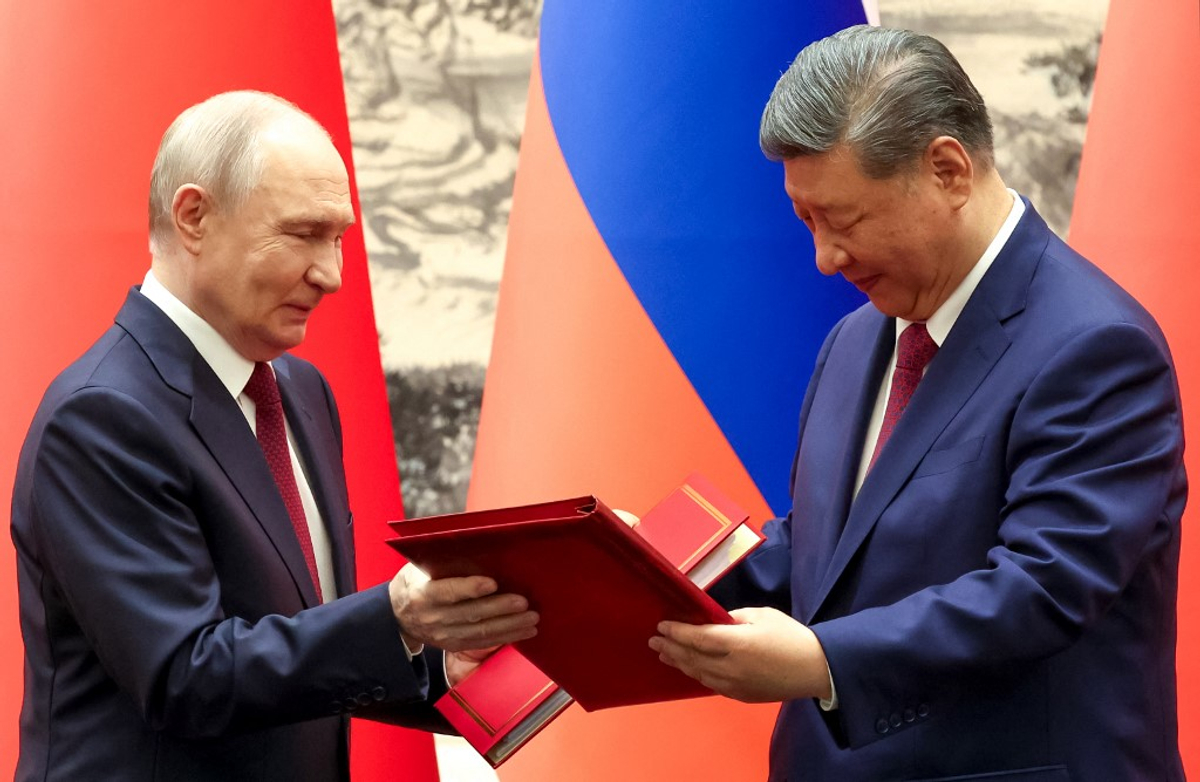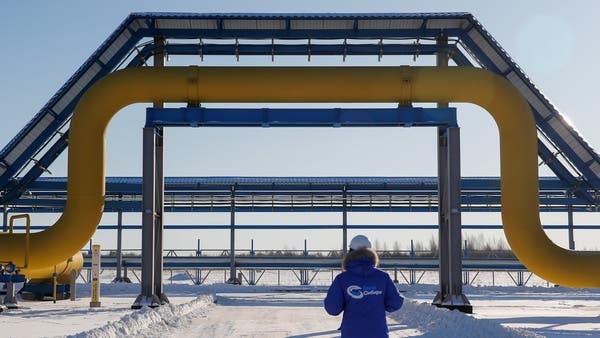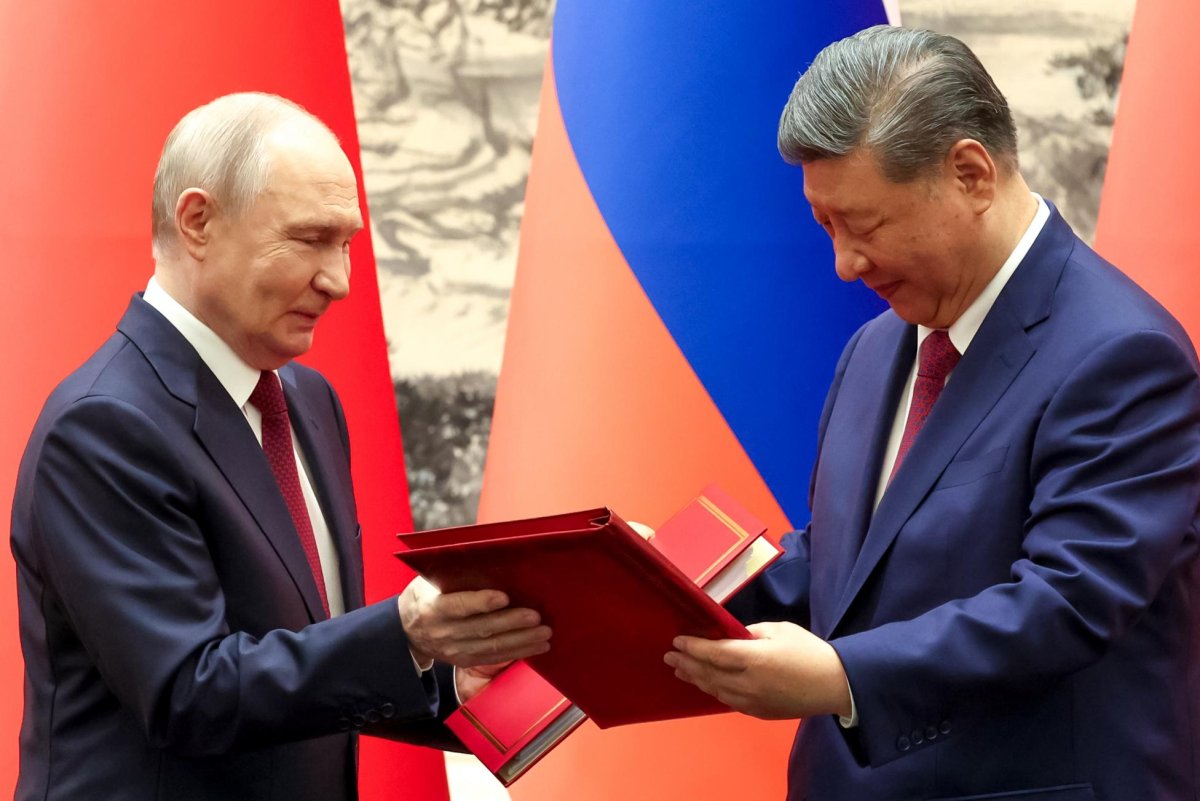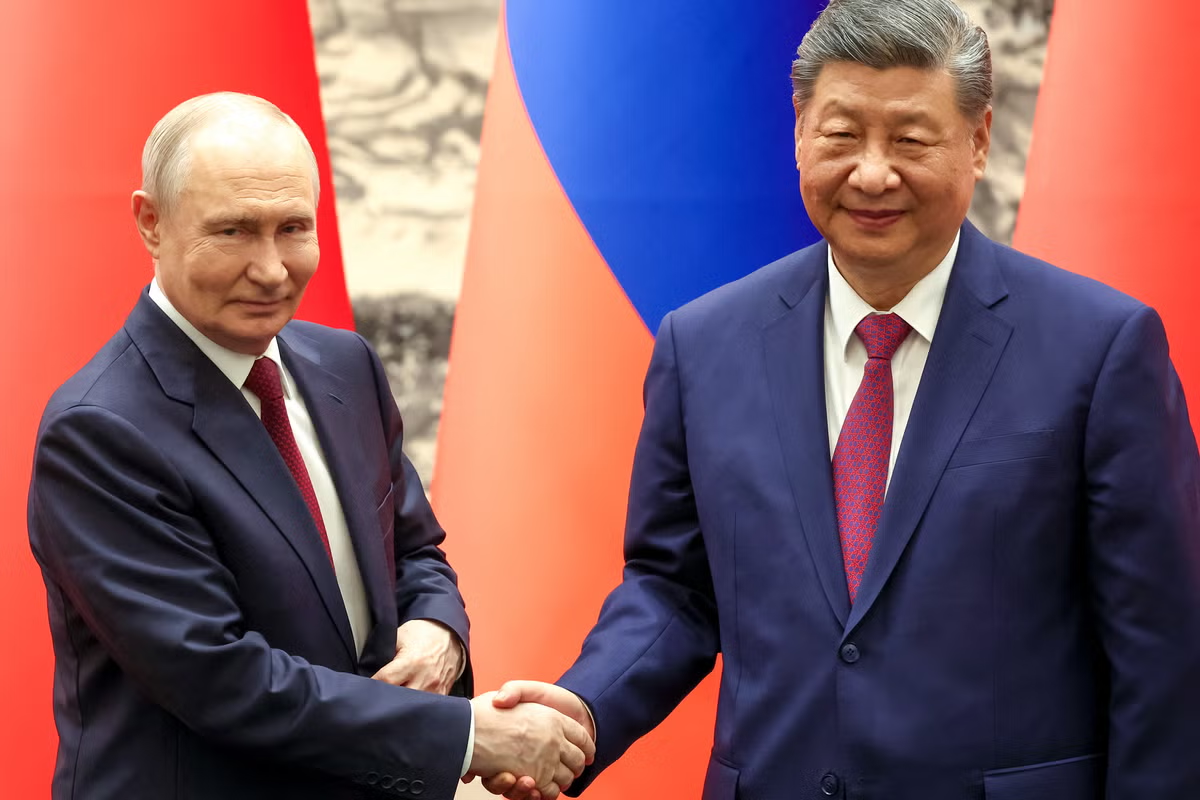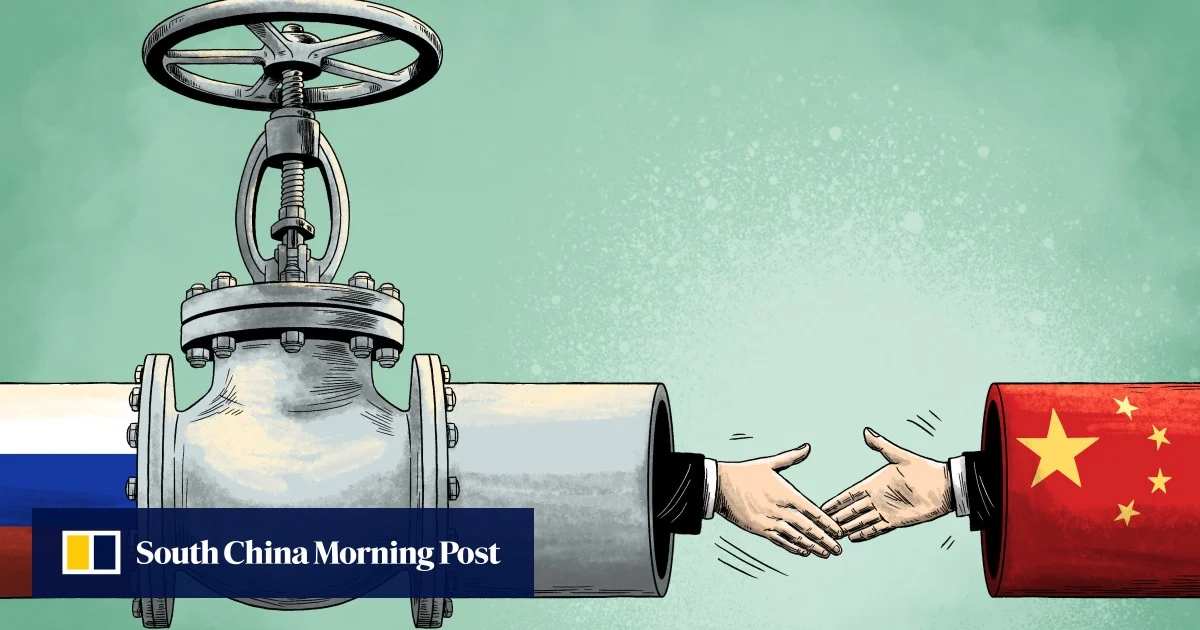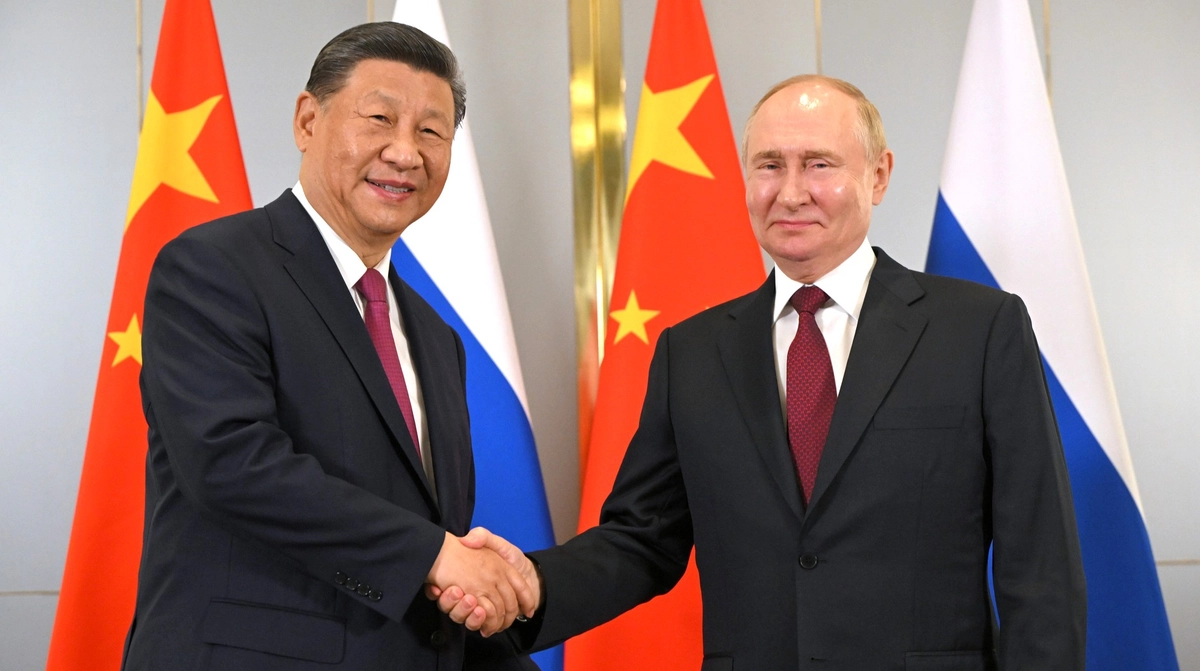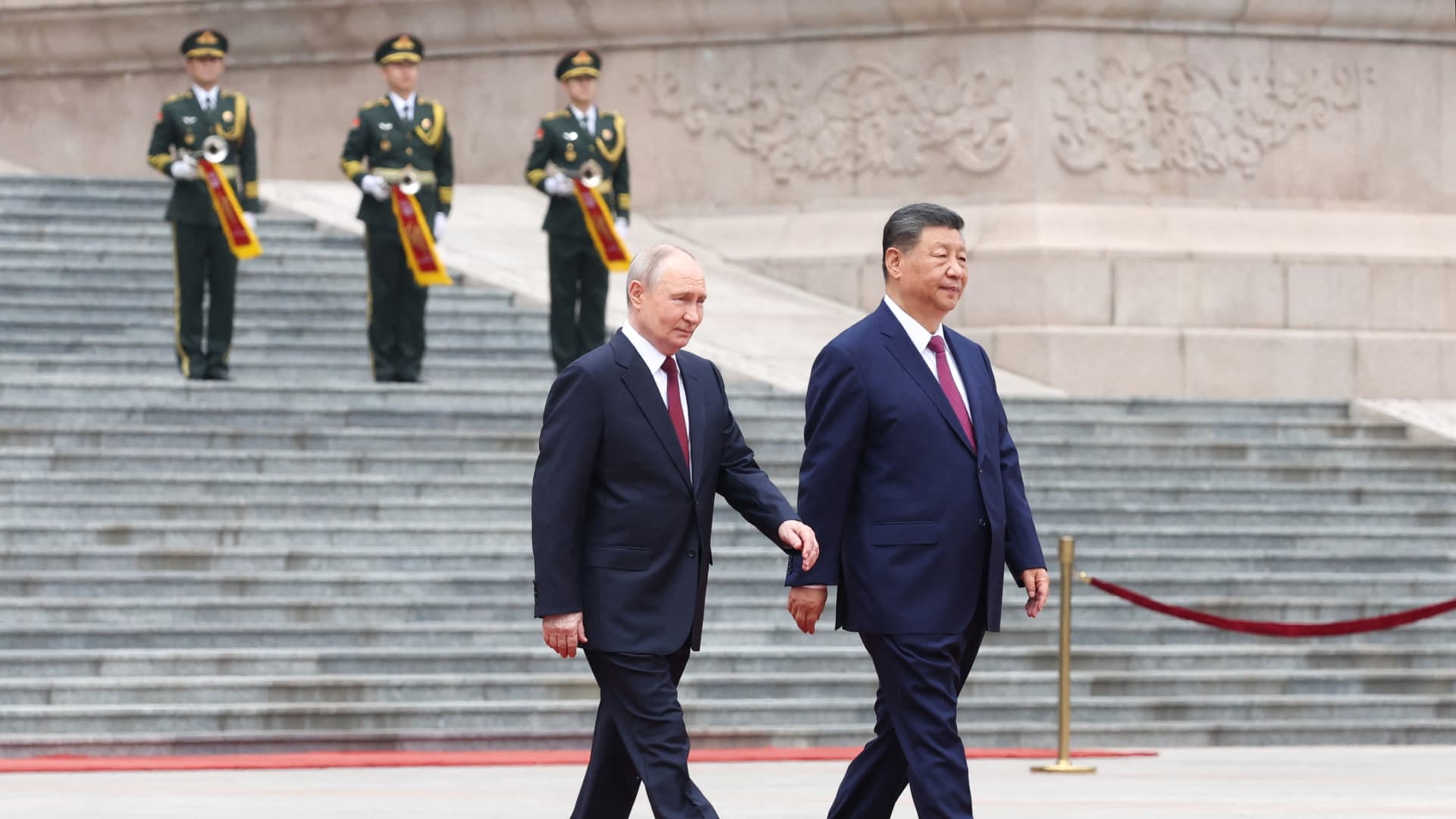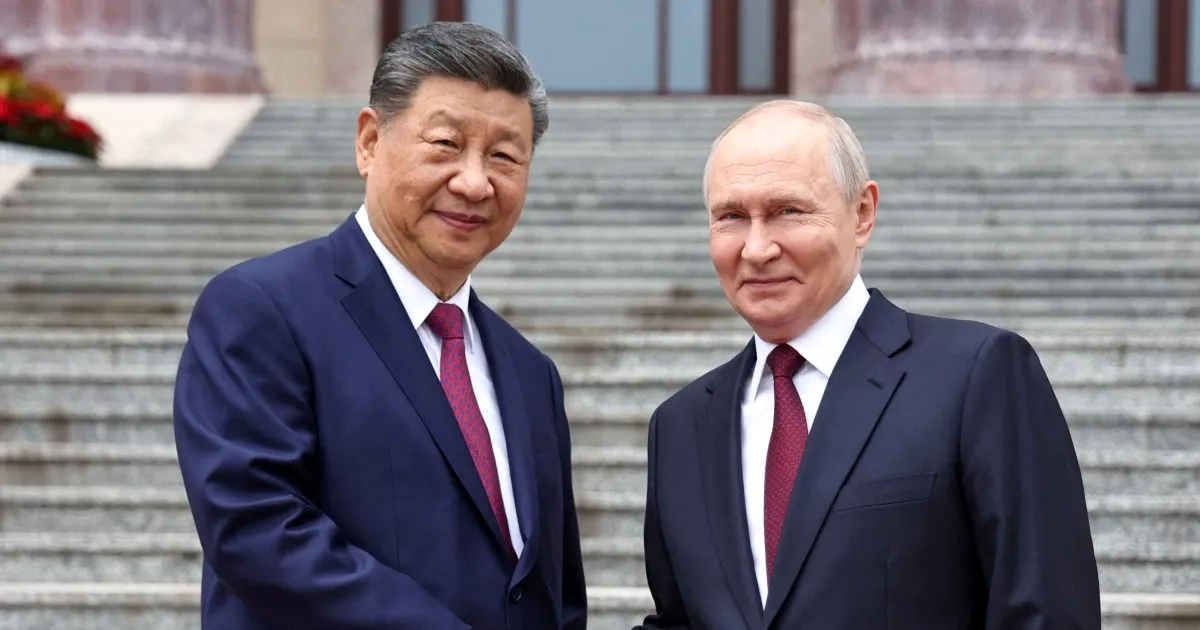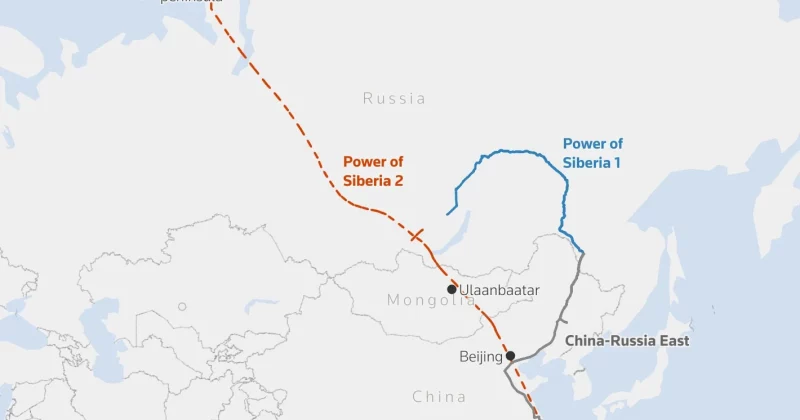
Vladimir Putin flew home from Beijing this week with plenty of photo ops, a fresh round of joint statements about enduring partnership, and zero ink on the deal he actually needed. The Power of Siberia 2 gas pipeline, a roughly 2,600 to 2,700 kilometer megaproject designed to funnel up to 50 billion cubic meters of Russian gas per year into China, remains unsigned.
What Power of Siberia 2 actually is, and why it matters
The existing Power of Siberia 1 pipeline already delivered around 38 billion cubic meters of gas to China last year, with plans to ramp that up to 44 bcm annually. Power of Siberia 2 would nearly double Russia’s pipeline capacity to China. At full throughput of 50 bcm per year, it would represent one of the largest energy infrastructure commitments on the planet.
The problem is Beijing knows exactly how much leverage it holds. China is reportedly pushing for long-term pricing significantly below what Russia previously received from European buyers. Russia, cut off from its former premium customers, doesn’t have many alternatives. China does. It can source liquefied natural gas from Qatar, Australia, and the US. It can expand its own renewable capacity. It can simply wait.