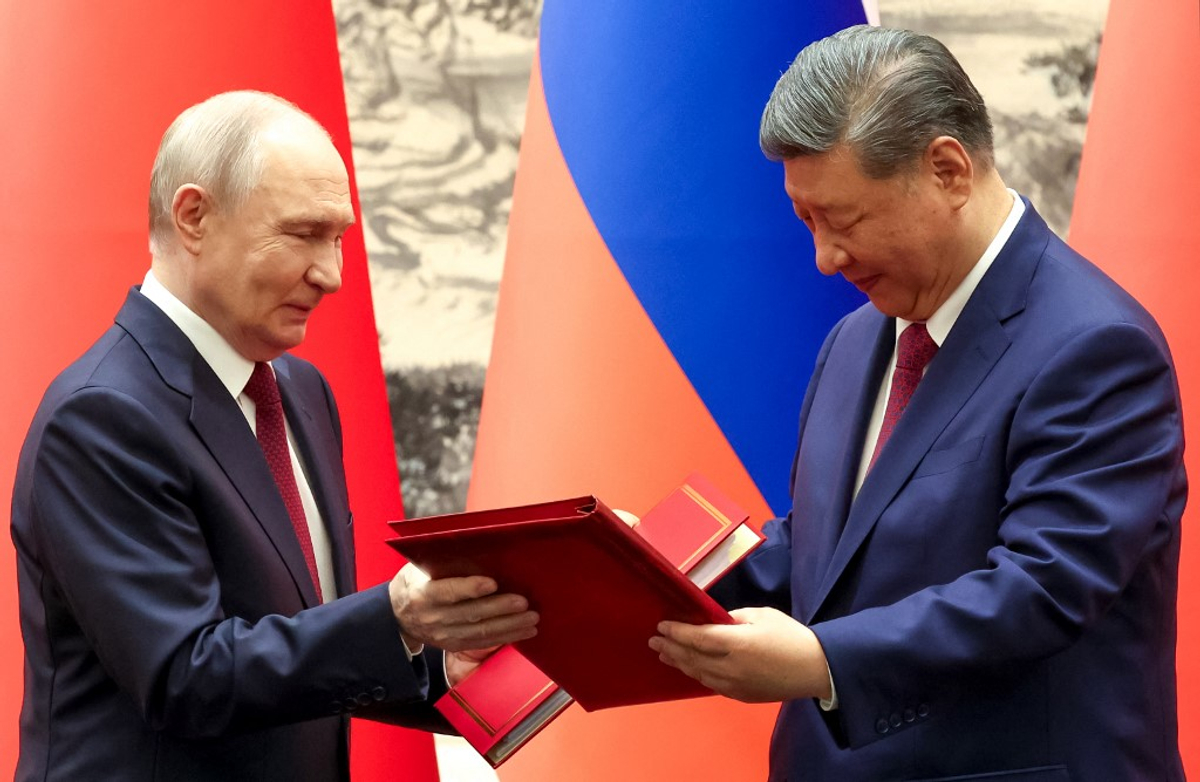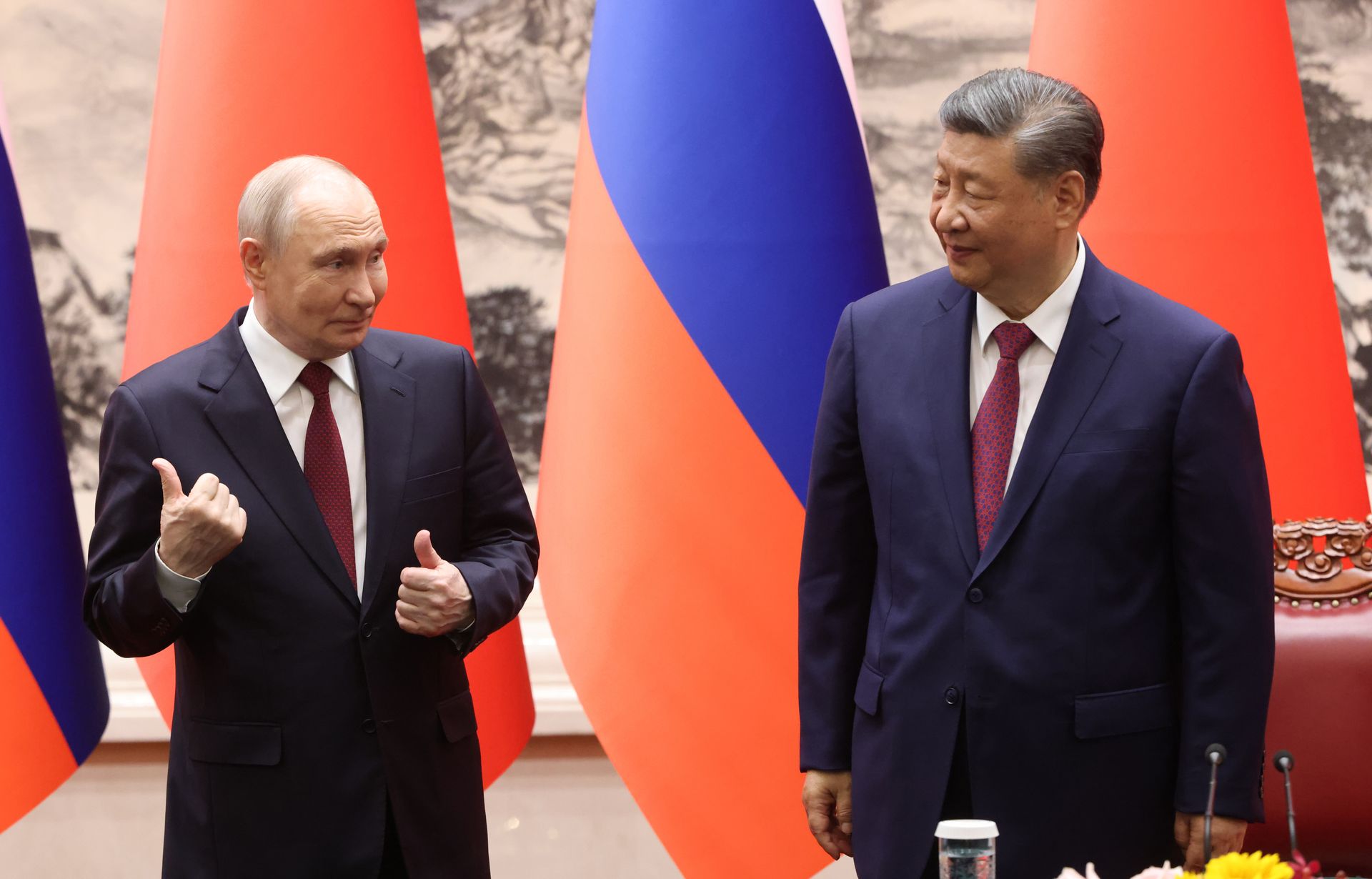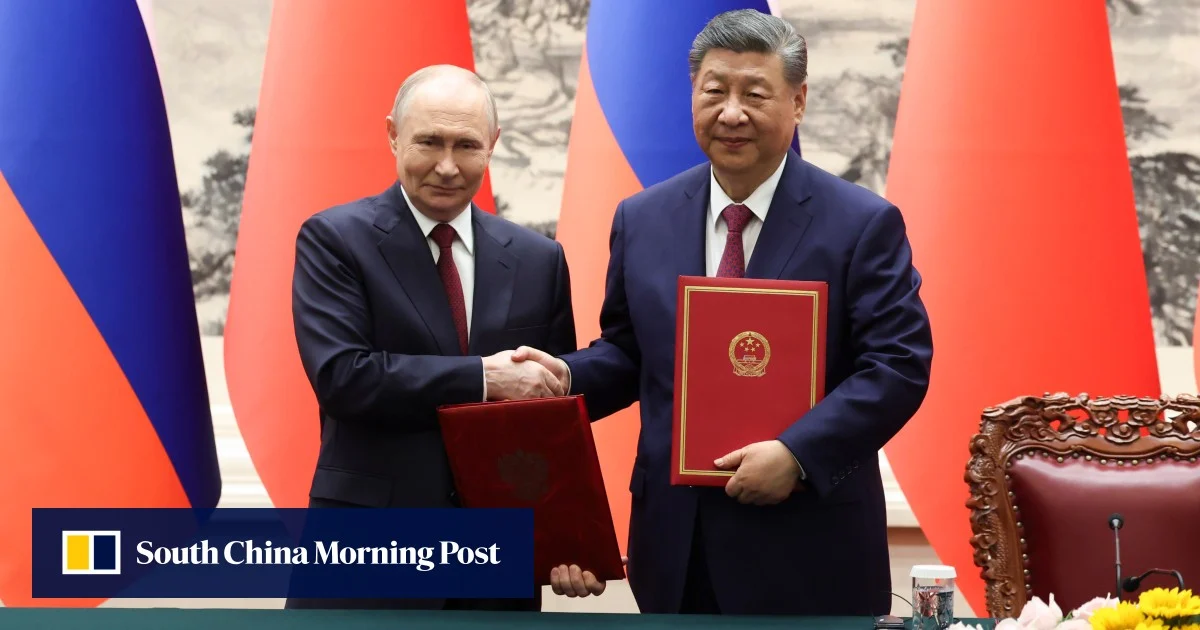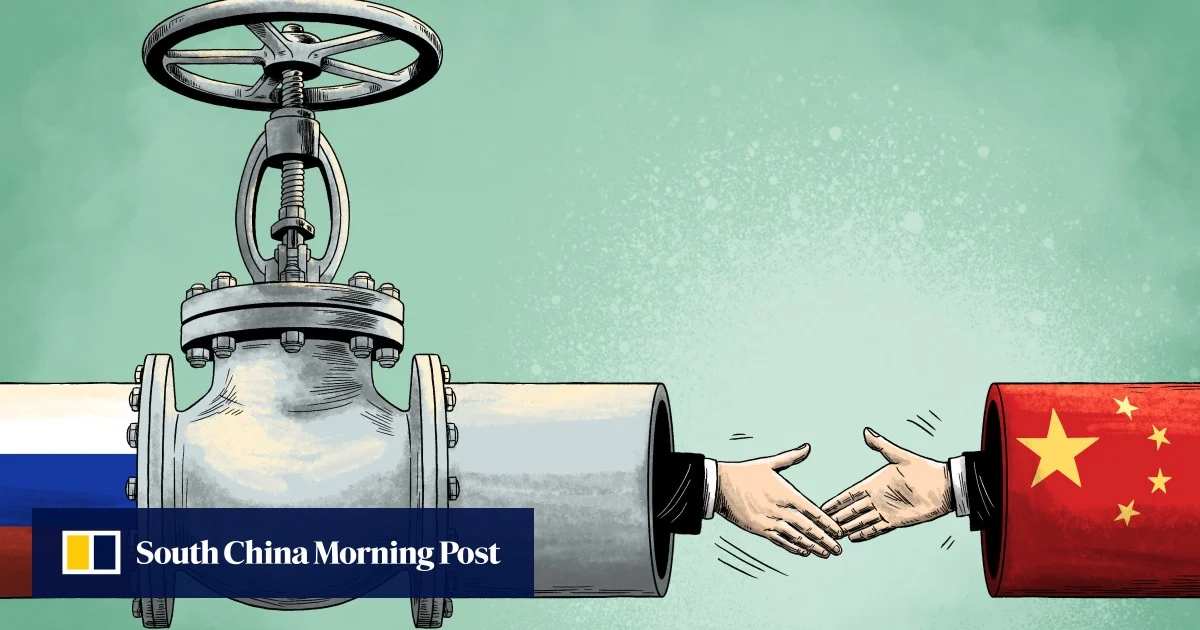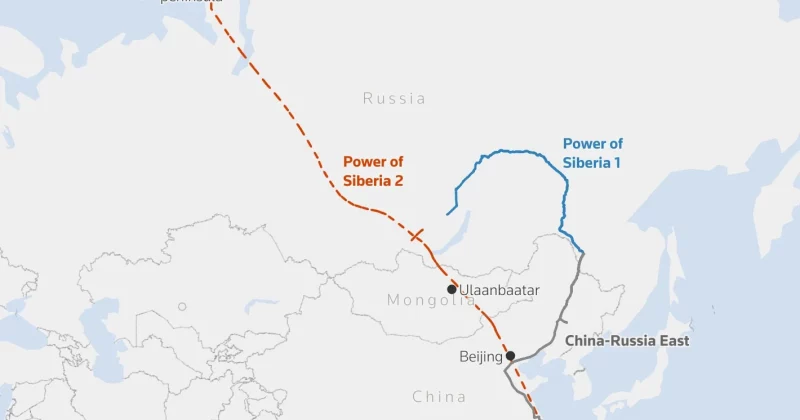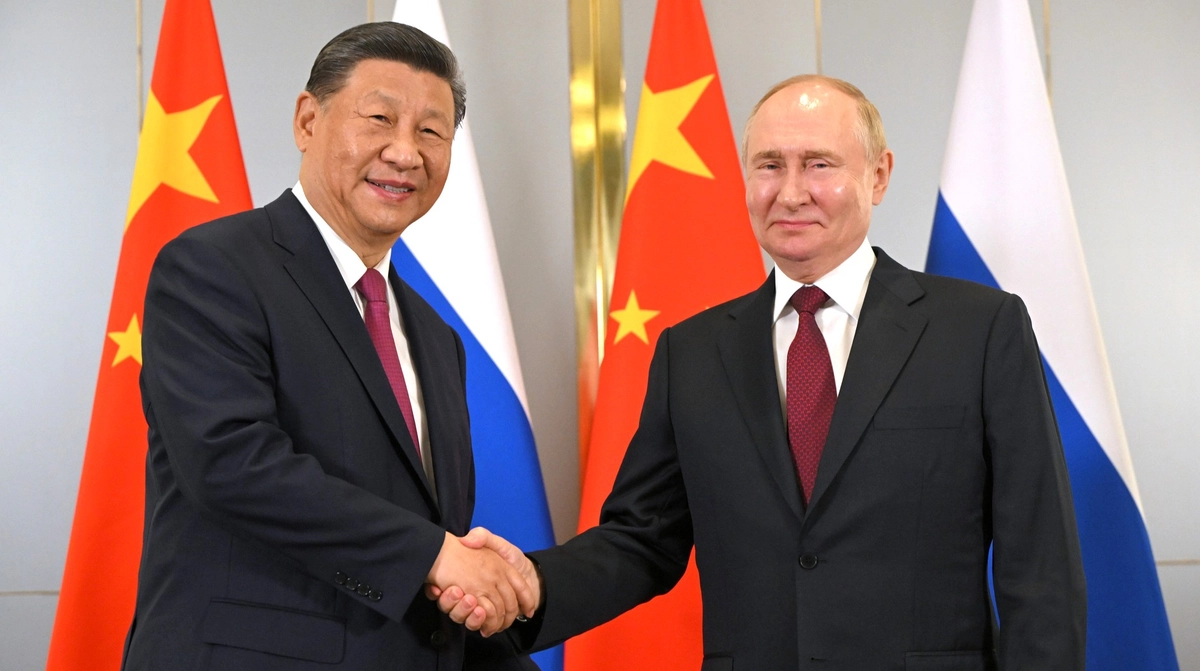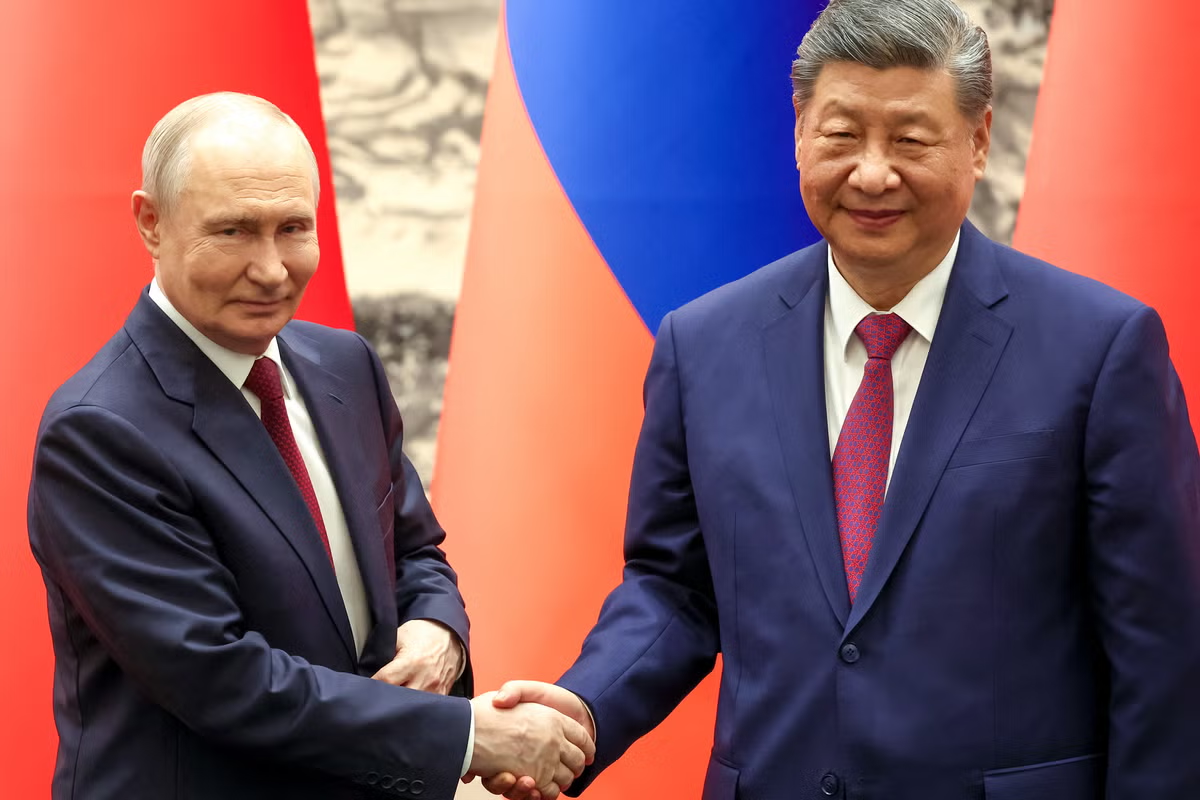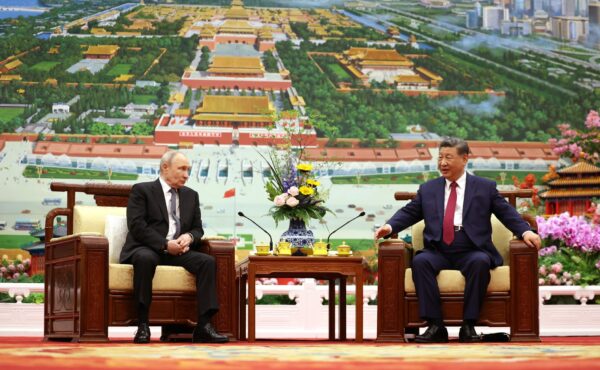
Russian President Vladimir Putin arrived in Beijing on May 20 with a delegation built for a deal: five deputy prime ministers, eight Cabinet ministers, and the chiefs of Gazprom and Rosneft. He left two days later with declarations of friendship, a visa-free travel arrangement extended through 2027, and around 20 cooperation agreements. The one document everyone was watching for was not among them. There was, once again, no breakthrough on Power of Siberia 2, the 50-billion-cubic-meter pipeline Moscow has been trying to sell to Beijing for the better part of a decade.
The two sides reported a “basic understanding” on routing and little else. According to reporting on the talks, they remain split on the same three issues that have stalled the project for years: timetable, financing, and price.
Beijing is holding out for something close to 12 to 13 cents per cubic meter, roughly what Russian industry pays at home. That is not a compromise position. It is a way of saying no while keeping the conversation polite.
To understand why China can afford to be this unhurried, it helps to look away from the Mongolian route Moscow keeps proposing and toward a project running in the opposite direction — westward, into Xinjiang, from the gas fields of Central Asia.