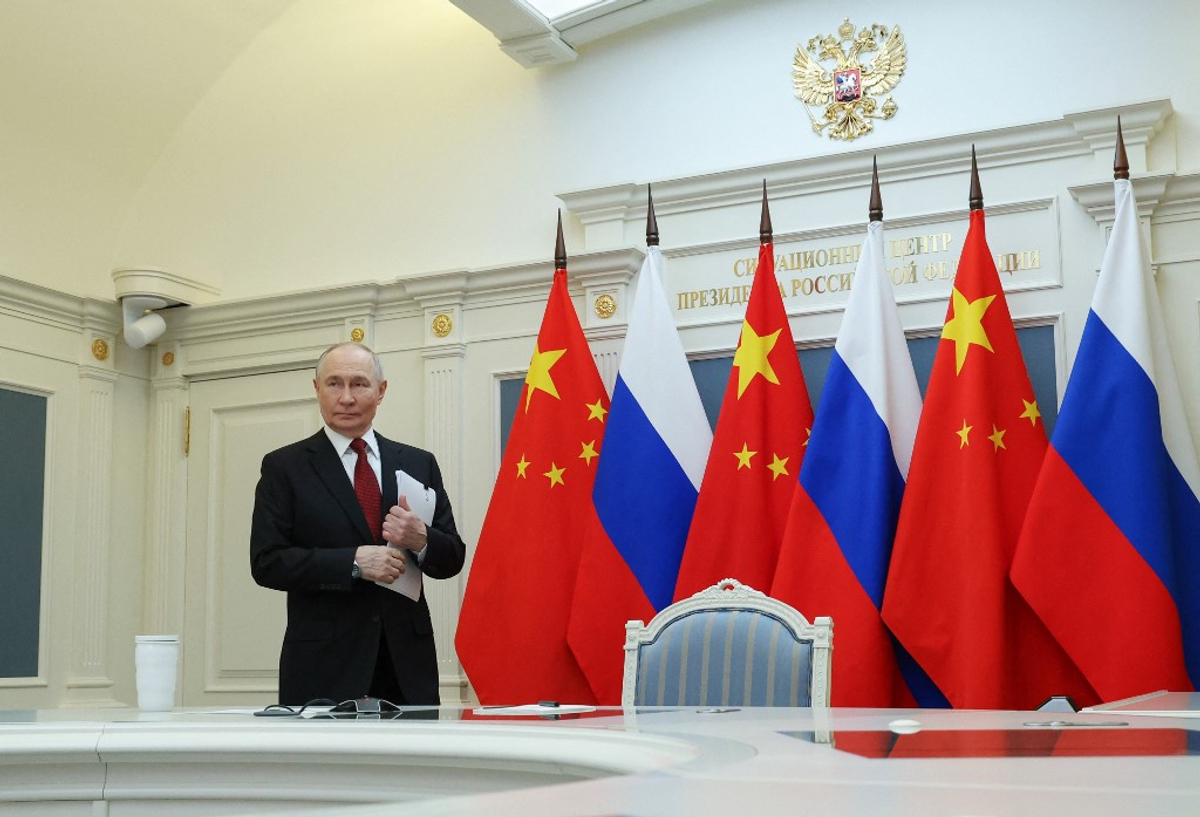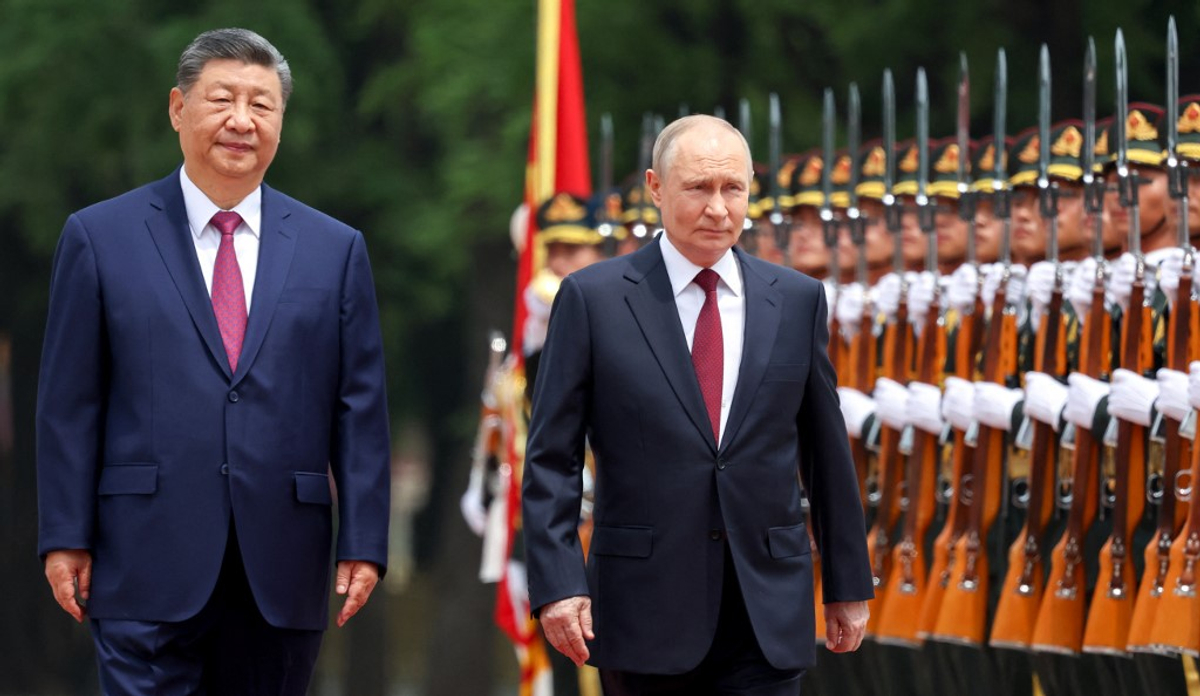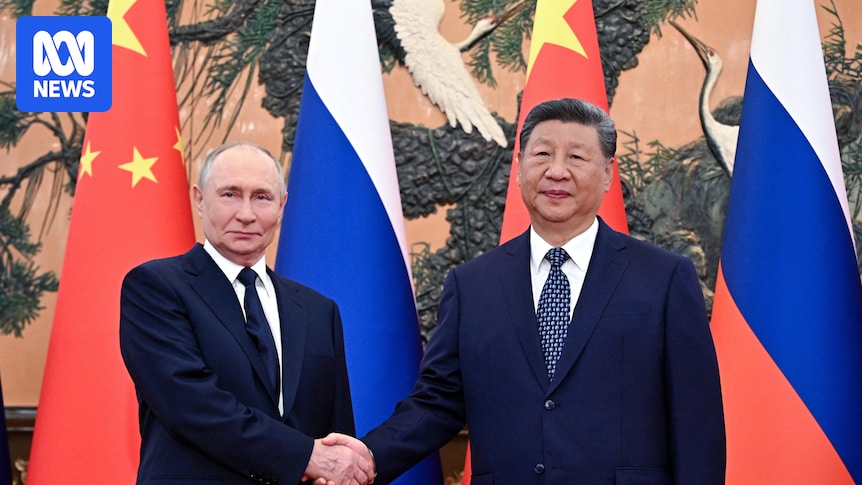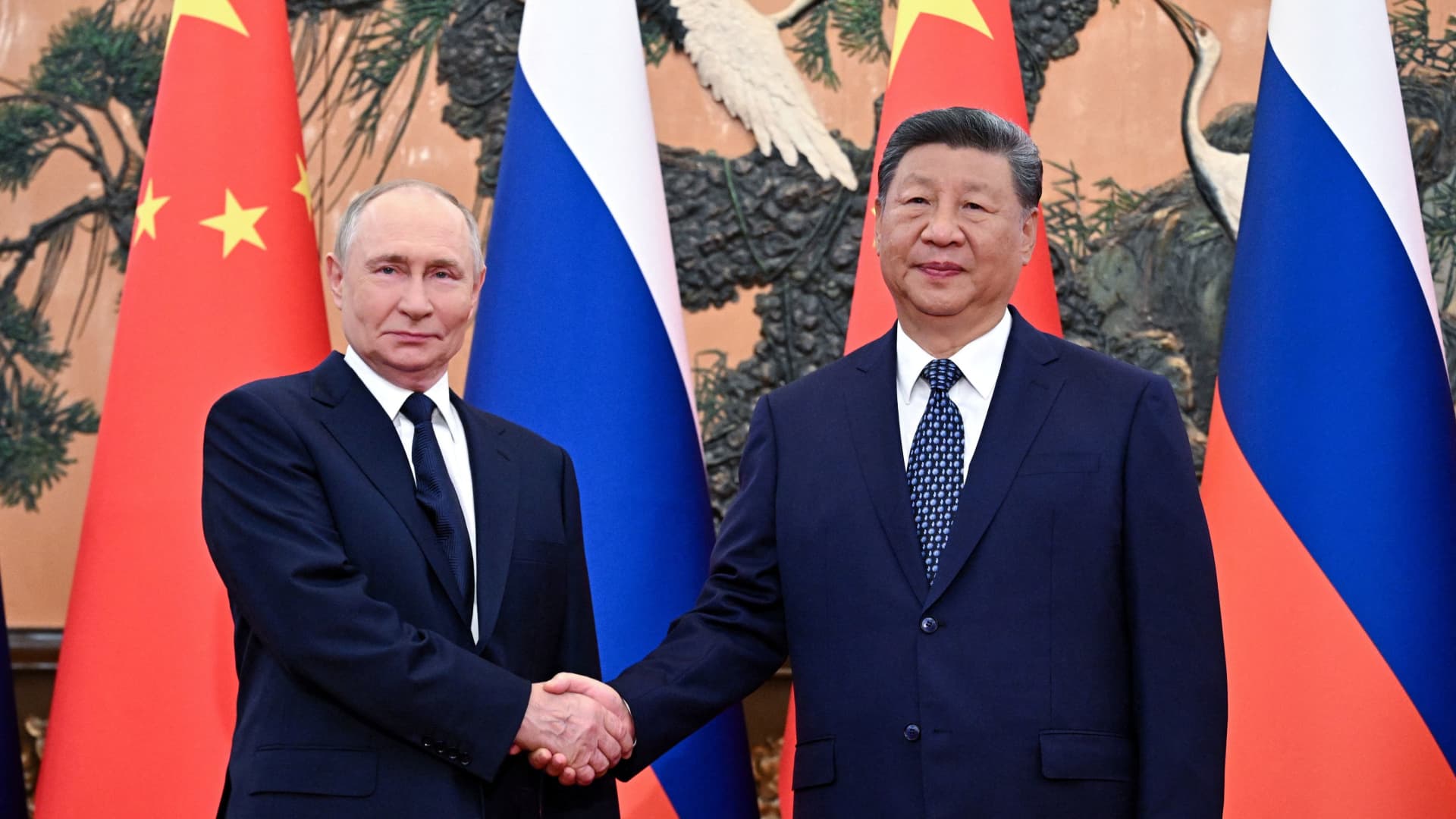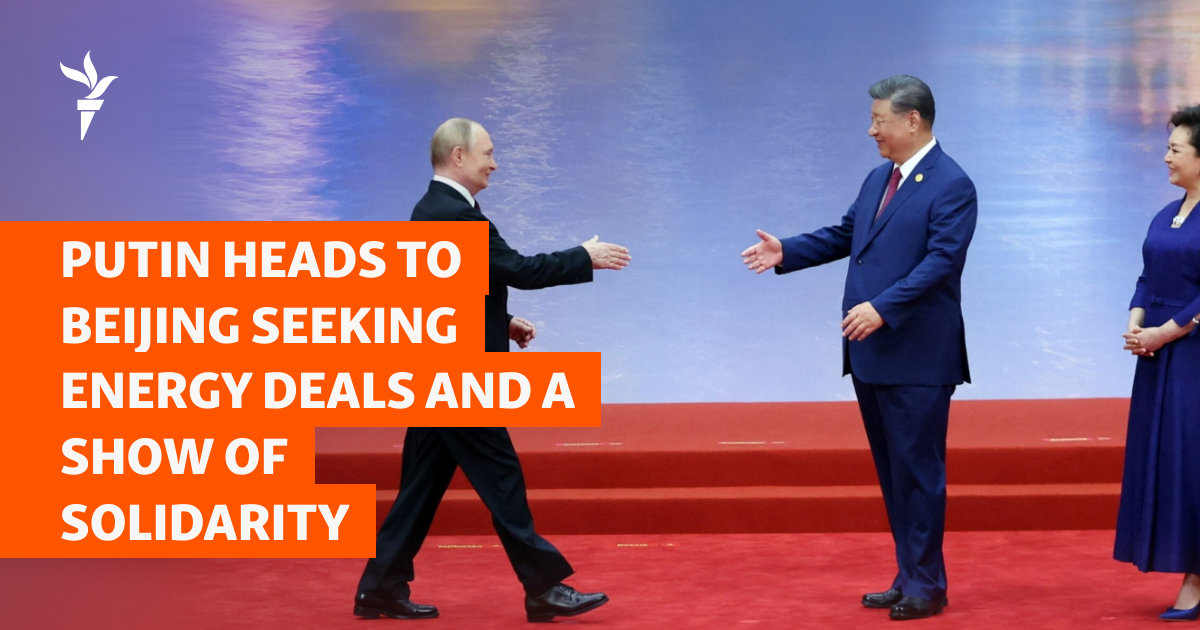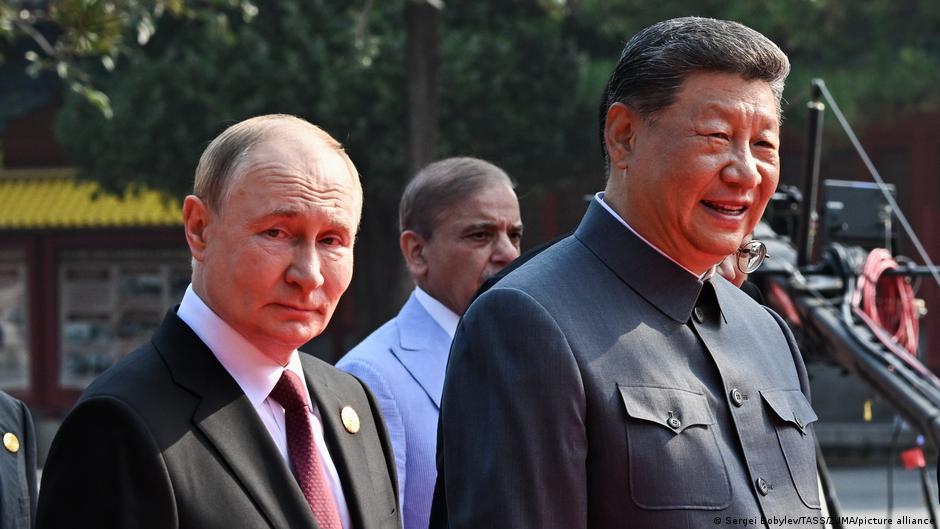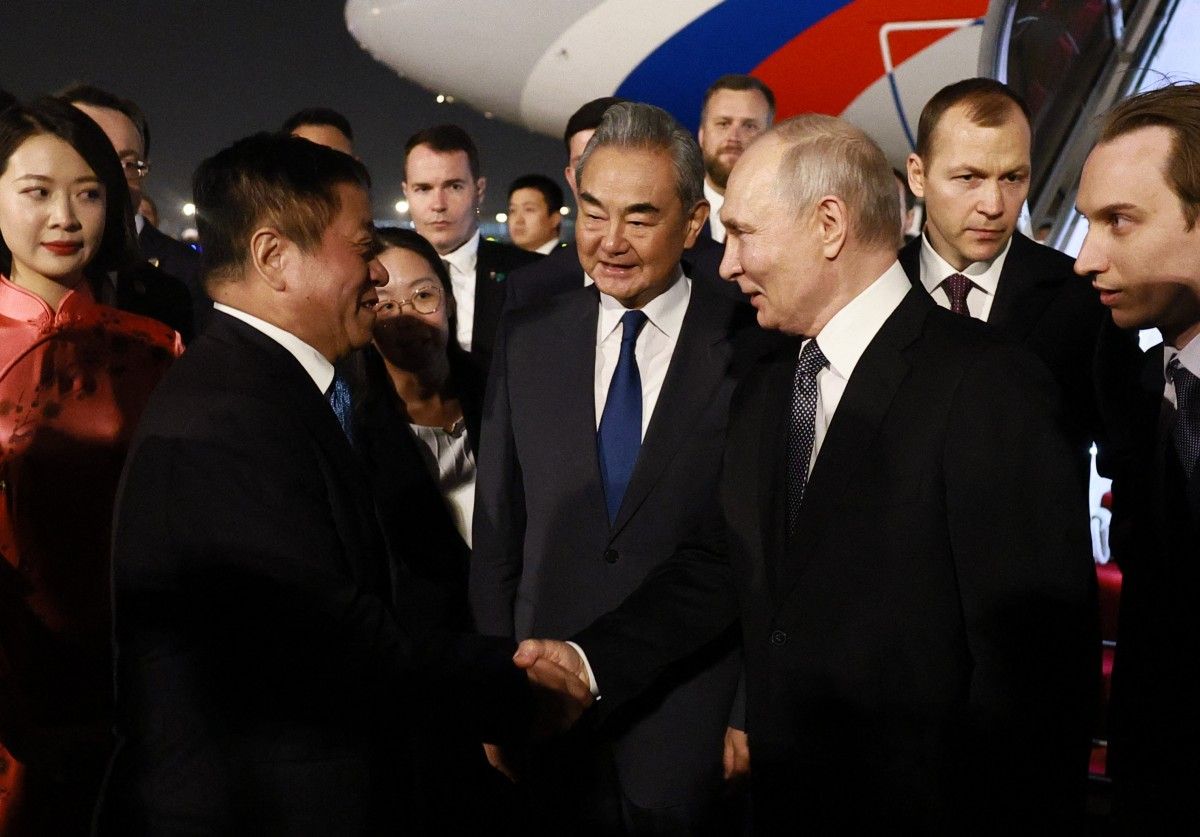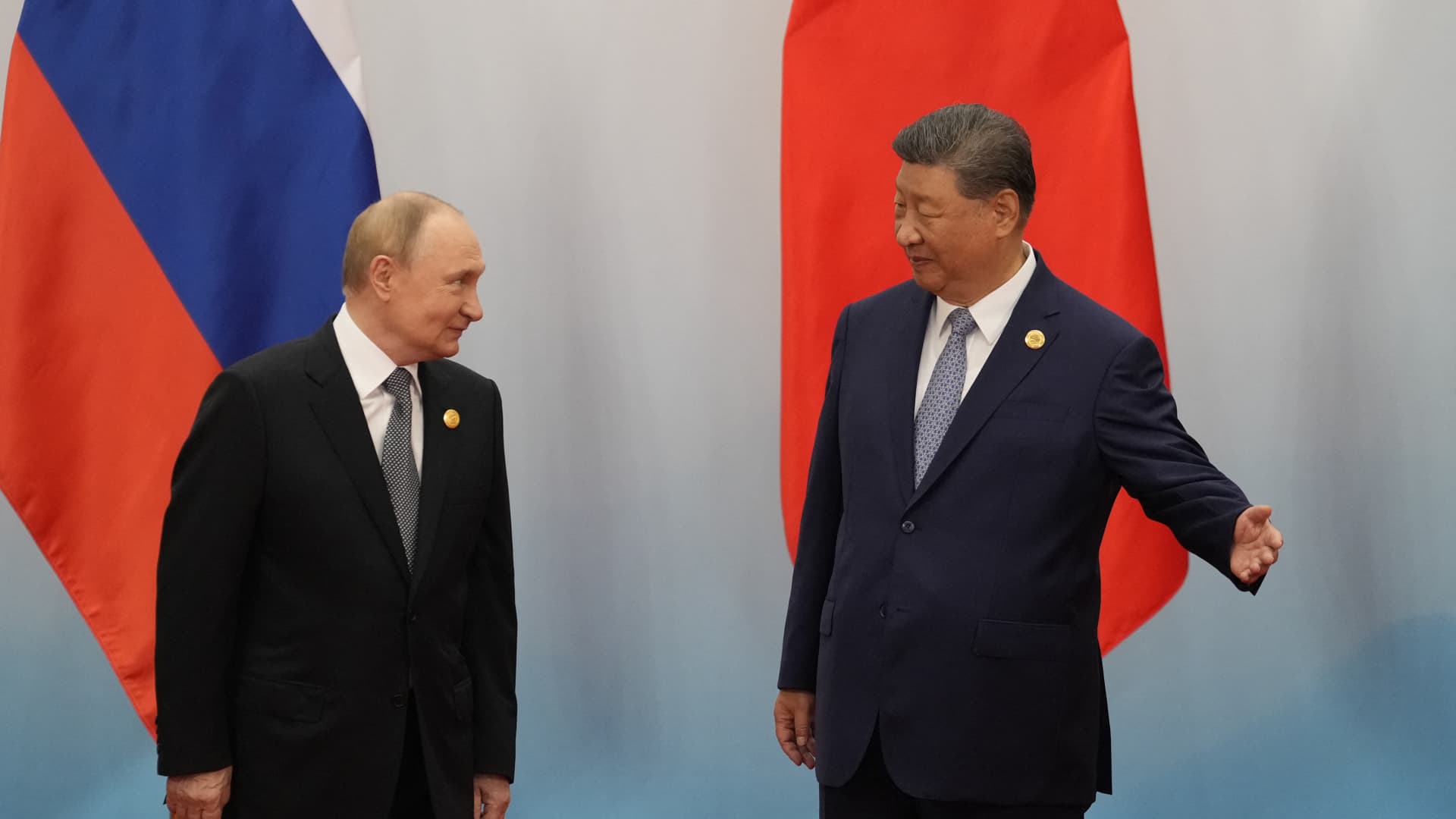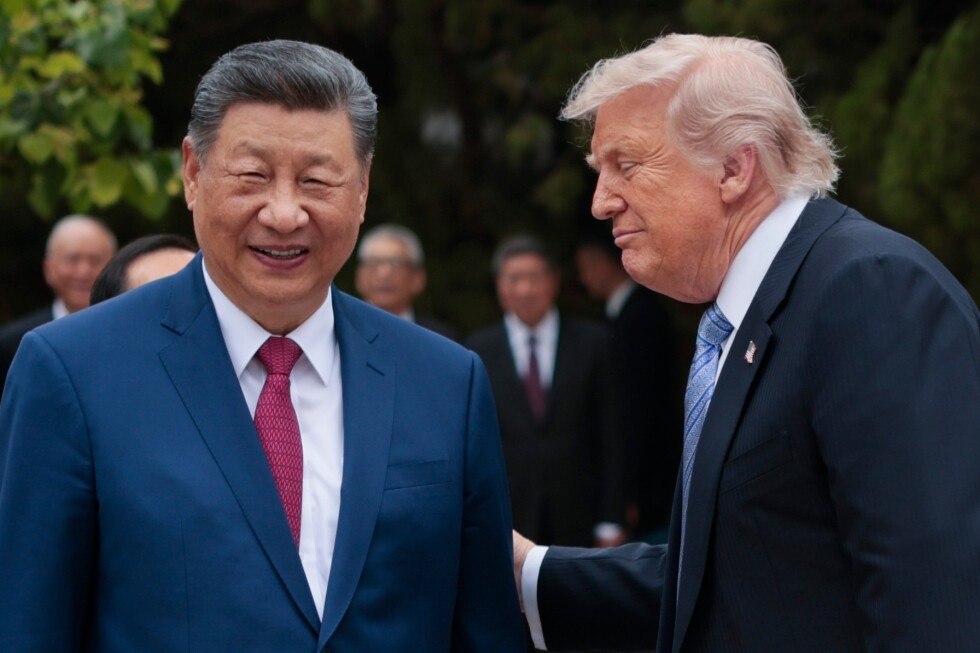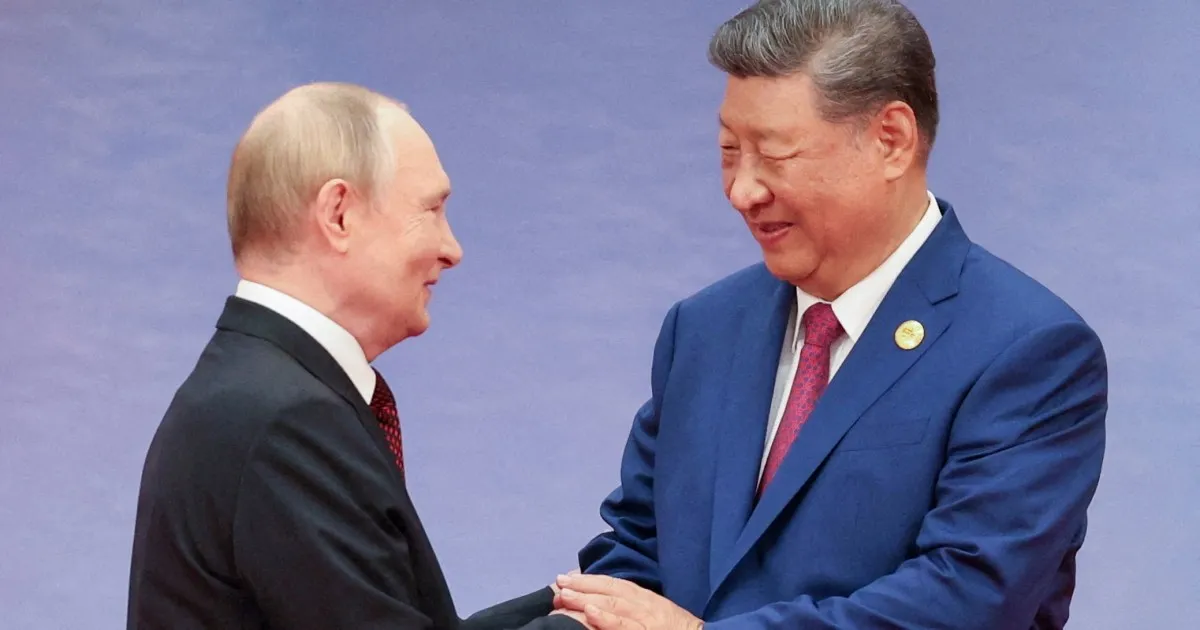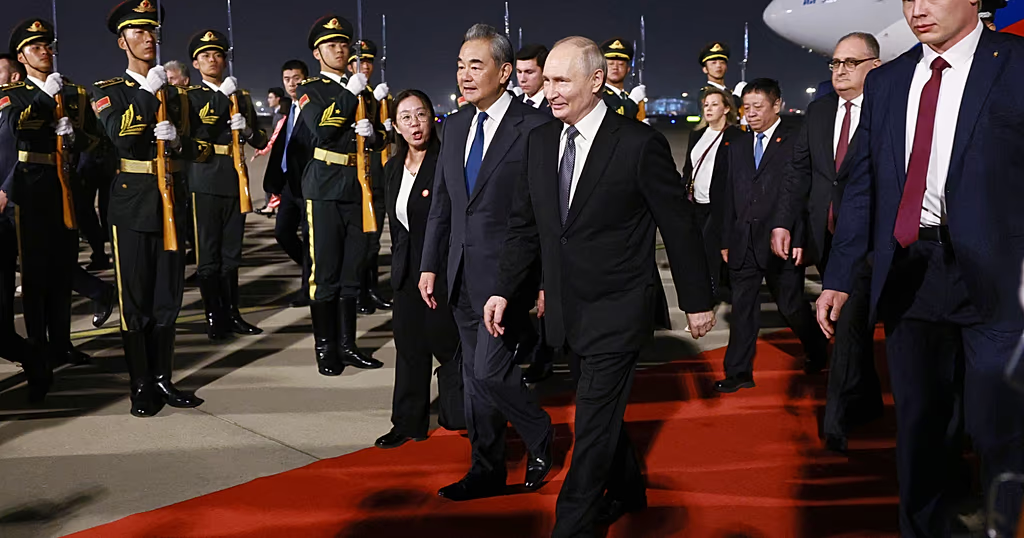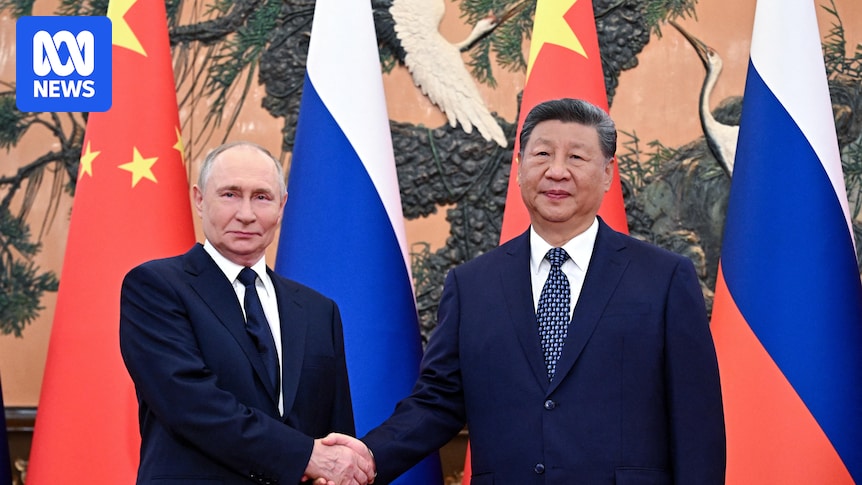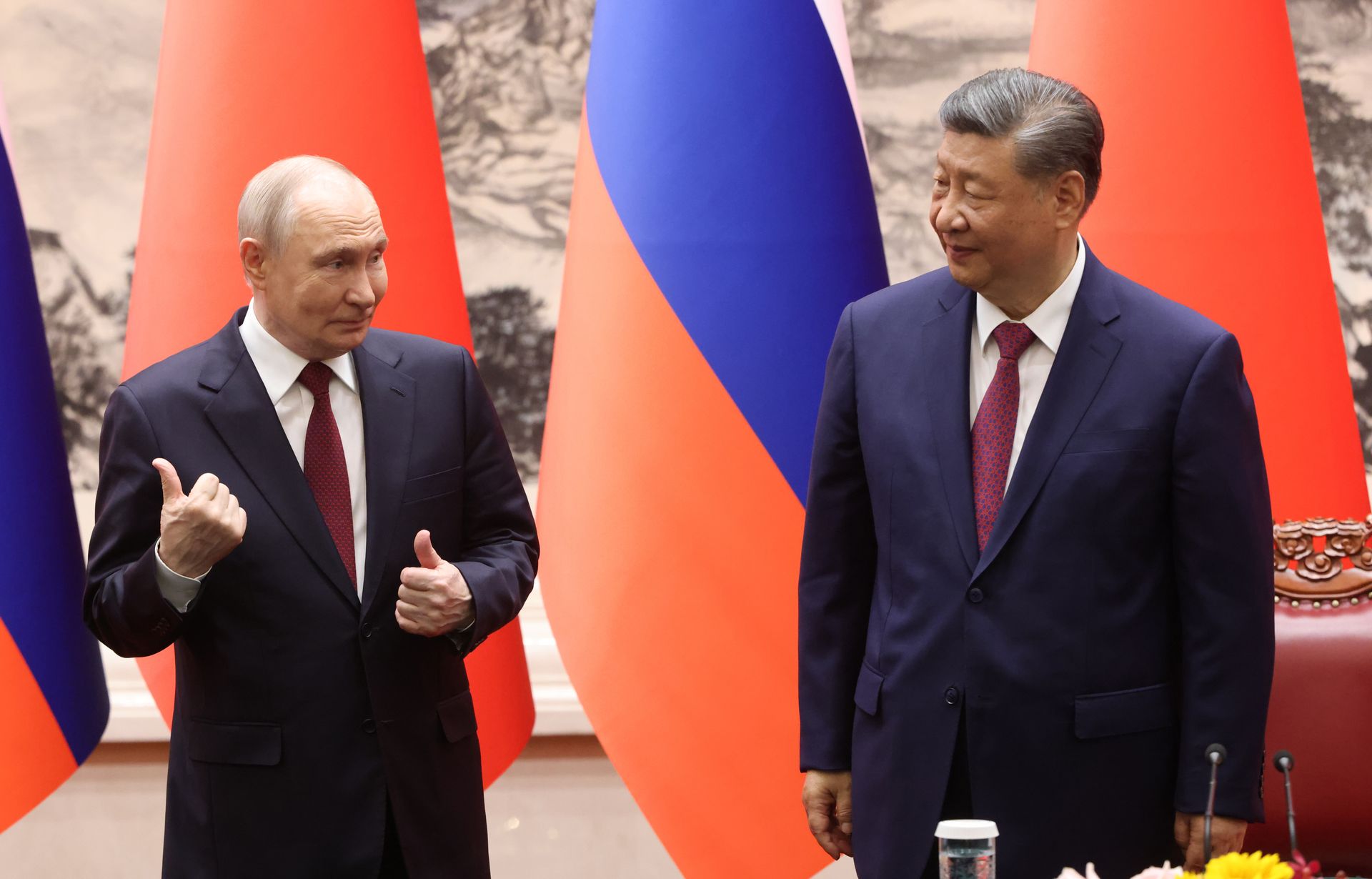
Russian President Vladimir Putin (L) and Chinese President Xi Jinping (R) in Beijing, China, on May 20, 2026. (Contributor / Getty Images)On May 19-20, Russian President Vladimir Putin traveled to Beijing to meet Chinese leader Xi Jinping, just days after Donald Trump did the same.Although Putin's visit had been scheduled well in advance, the timing alongside U.S.-China talks has heightened the significance of the trip. Russia analysts expect progress toward expanding the Power of Siberia pipeline, a deal the Kremlin has long pushed for.Despite that, not much had come out of the talks.Putin and Xi signed a joint declaration, where they committed to "continue deepening comprehensive relations." And that was about it.In diplomatic terms, the limited outcome suggests continuity rather than change in China-Russia relations, experts told the Kyiv Independent.Although the recent war in Iran and the surge in oil prices have increased Russia's export revenues, the overall balance of the relationship remains largely unchanged. China continues to hold a stronger position in its ties with Moscow and remains reluctant to fully accommodate the Kremlin's desires.On the surface, a reaction to Trump's visitIn just over a week, Chinese President Xi hosted the leaders of two nuclear superpowers. While Trump's visit passed under the sign of high honors and symbolic imagery, in practice, no diplomatic breakthroughs were achieved, nor were any important agreements signed.Days later, the Russian president traveled to Beijing for his own visit, which followed a particularly heavy month for Moscow.On May 9, Russia was forced to show off an extremely downsized version of its highly symbolic Victory Day parade — mainly due to fears of Ukrainian strikes. The Russian army then compensated by launching a particularly deadly attack on Kyiv the following week — only for Ukraine to retaliate by inflicting the heaviest strike on Moscow since the start of Russia's full-scale invasion.U.S. President Donald Trump (L) and Chinese President Xi Jinping (R) in Beijing, China, on May 15, 2026. (Evan Vucci / Pool / AFP / Getty Images)In parallel, even state-controlled pollsters have been putting Vladimir Putin's approval rating at its lowest since February 2022.In this context, Putin's visit to Beijing was largely an attempt at "maintaining the status quo" in Chinese-Russian relations, according to Timothy Ash, an associate fellow at the Russia and Eurasia Program at Chatham House."Putin is not trying to achieve anything with this visit, this is just part of a diplomatic tradition between Beijing and Moscow," confirmed Temur Umarov from the Carnegie Russia Eurasia Center.On the timing of the visit, Umarov explained that Putin's visit was planned months in advance, and that the timing — just after Trump came to Beijing — "was not some kind of special arrangement." Instead, Trump had delayed his own visit due to the war in Iran.Power of Siberia-2: nowhere to be seenWhatever the timeline, relations with China obviously matter to Moscow, even just with regard to the size of the Chinese market — and the market's availability to absorb large quantities of Russian oil and gas.For years, Moscow has been trying to convince Beijing to agree to a second string of the Power of Siberia pipeline, through which China currently imports approximately 38 billion cubic meters of Russian natural gas per year.
Putin's Beijing visit reveals Moscow’s weak hand with China
On May 19-20, Russian President Vladimir Putin traveled to Beijing to meet Chinese leader Xi Jinping, just days after Donald Trump did the same. Although Putin's visit had been scheduled well in advance, the timing alongside U.S.-China talks has heightened the significance of the trip. Russia analysts expect progress toward expanding the Power of Siberia pipeline, a deal the Kremlin has long pushed for. Despite that, not much had come out of the talks. Putin and Xi signed a joint declaration,
1,103 words~5 min read