Commentary
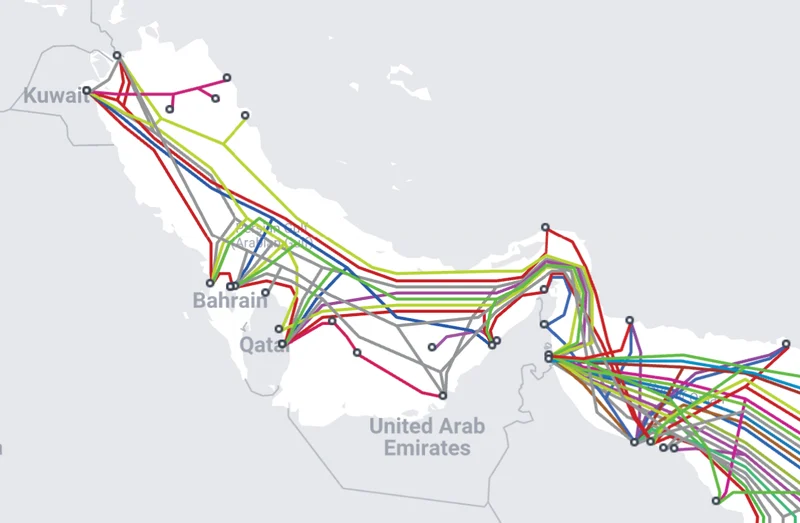
Iran's proposal to charge fees on undersea cables beneath the Strait of Hormuz may never become workable policy, but it reveals an ambition suited to Iran’s circumstances, says this writer.
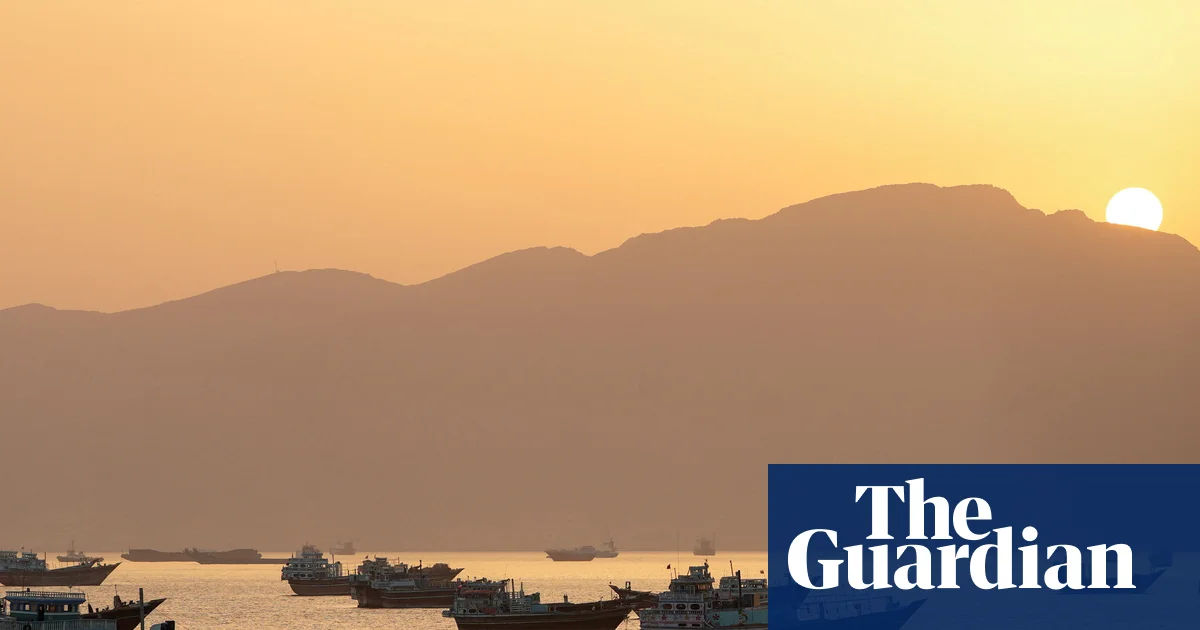
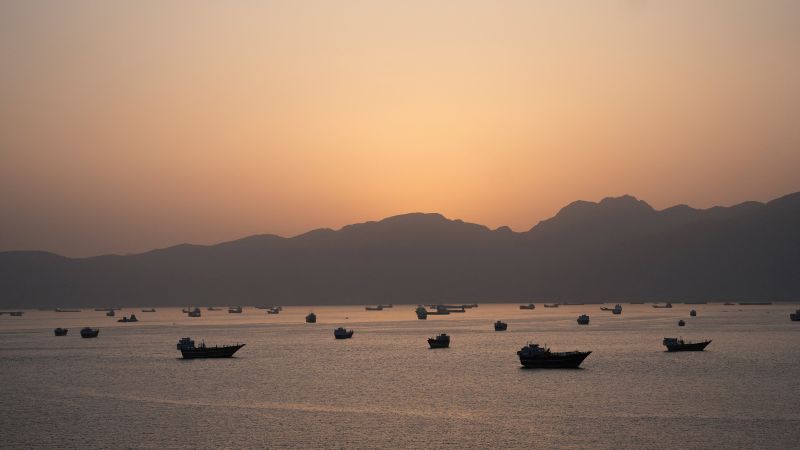
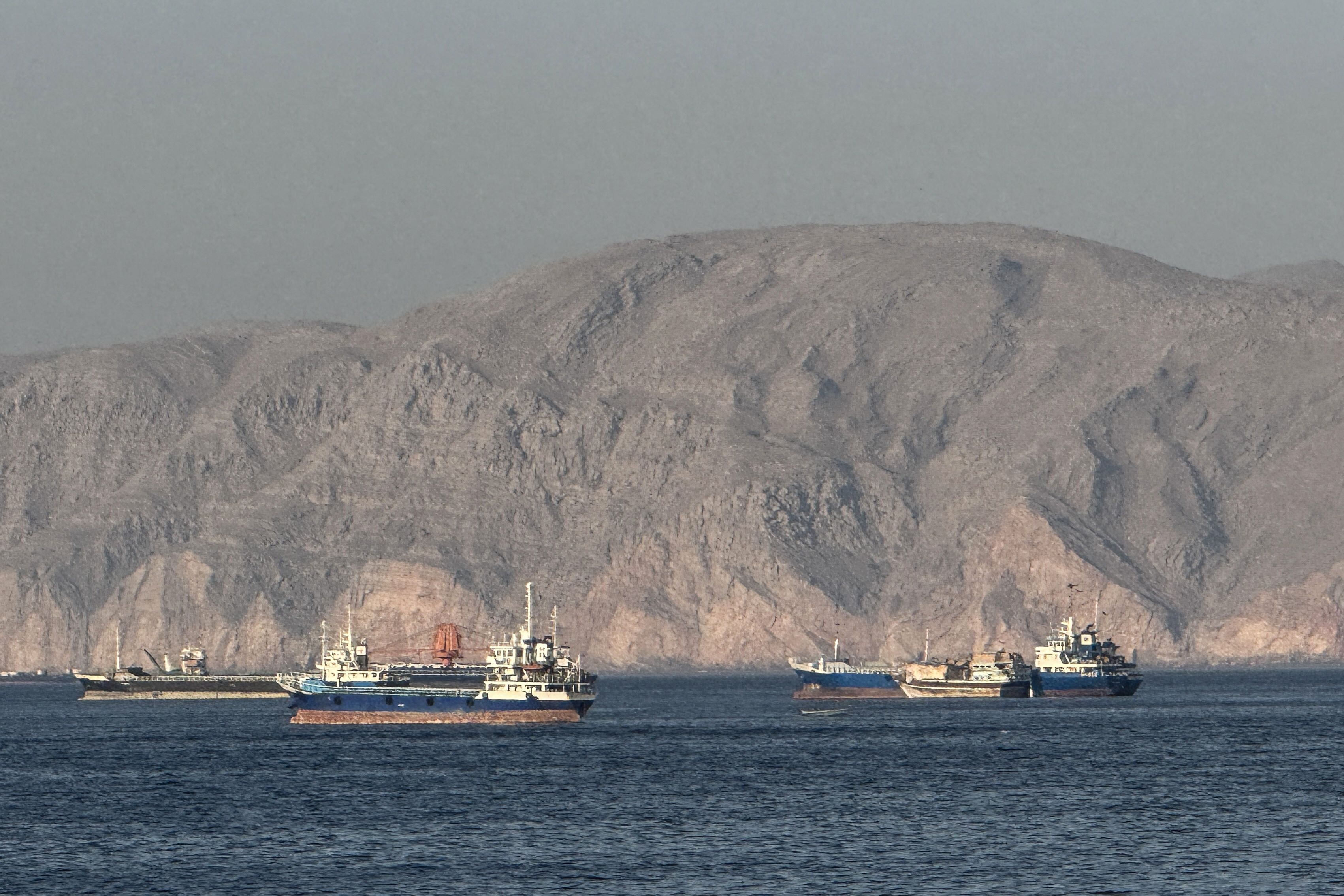
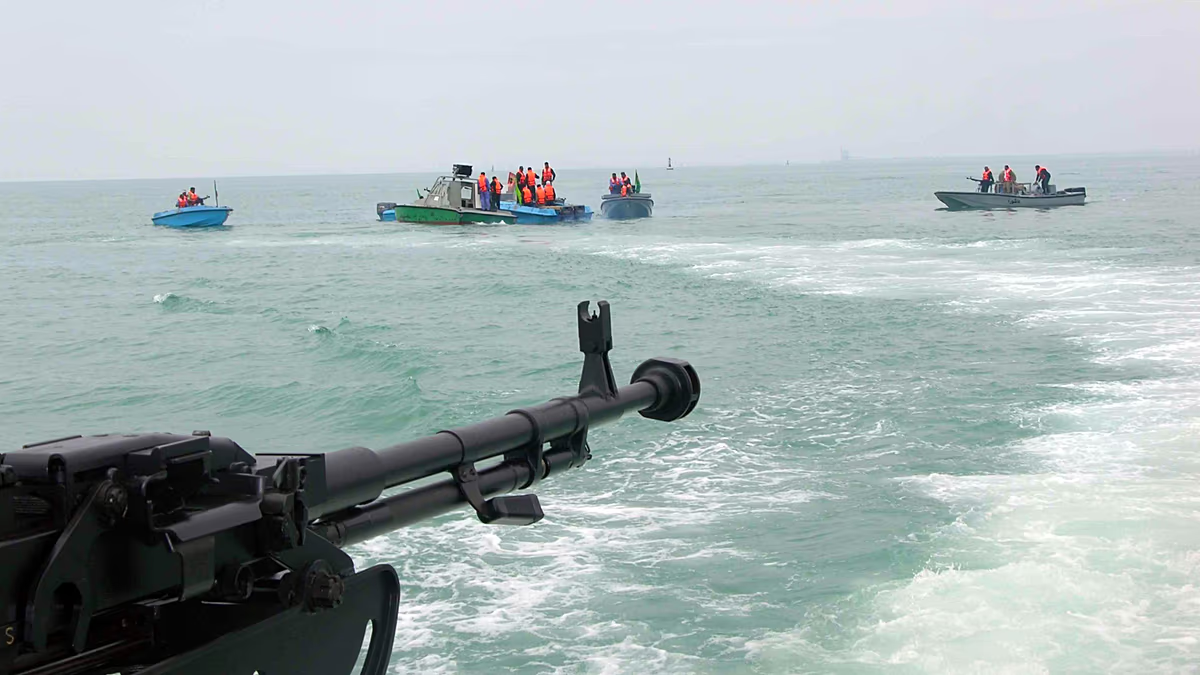
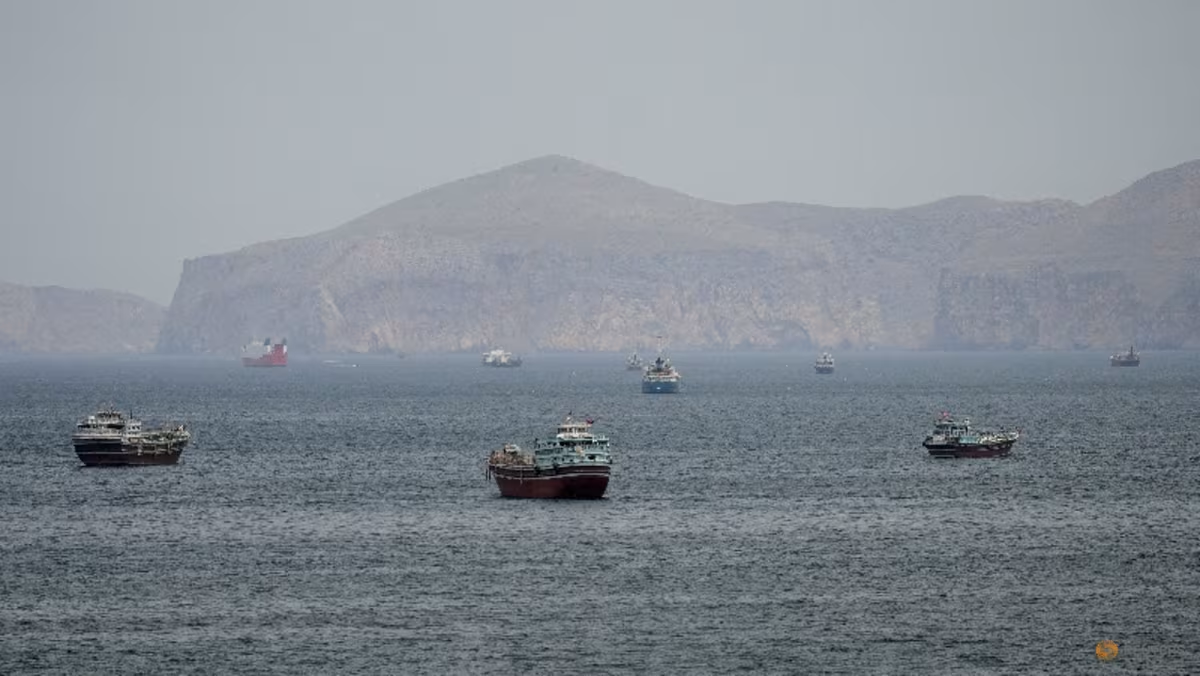
FILE PHOTO: Ships and boats in the Strait of Hormuz, Musandam, Oman, April 22, 2026. REUTERS/Stringer/File Photo
21 May 2026 05:59AM
TORONTO: The United States has unprecedented power to conduct military strikes anywhere around the world, to impose damaging tariffs and sanctions, and to mete out punishment far beyond its borders in coordination with allies. Few states have possessed so many instruments of coercion, and fewer still have been able to achieve so much leverage through private firms, foreign governments, and the networks of global exchange. But these tools are expensive to maintain, because they depend on preserving the order they exploit.Applying force drains blood, treasure, and legitimacy. Tariffs and financial sanctions encourage alternative trade arrangements and payment systems. The alliances that magnify US pressure can give rise to burden-sharing disputes. No one doubts that the US is capable of tightening the vise on Iran. The question is whether using its positional advantages for that purpose would be worth the risk of weakening the order that gives American power its reach.