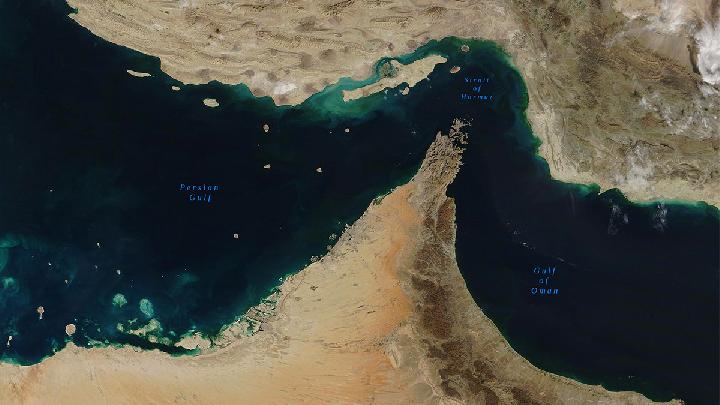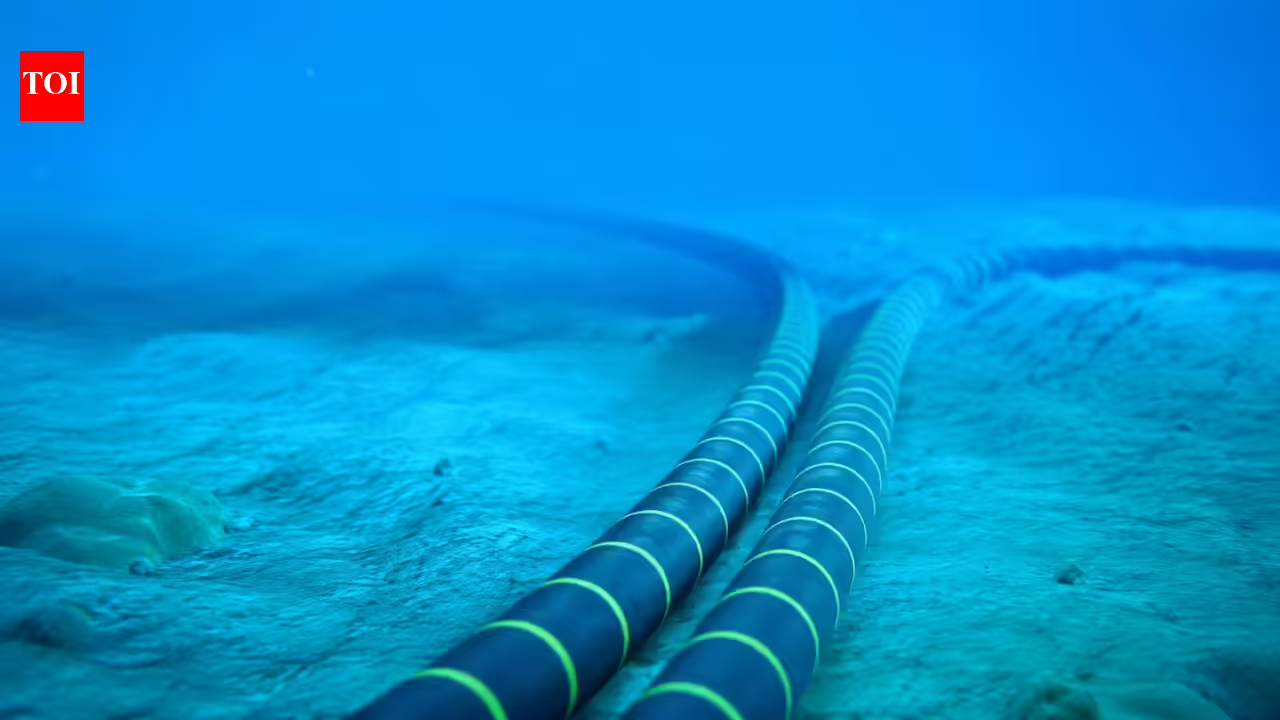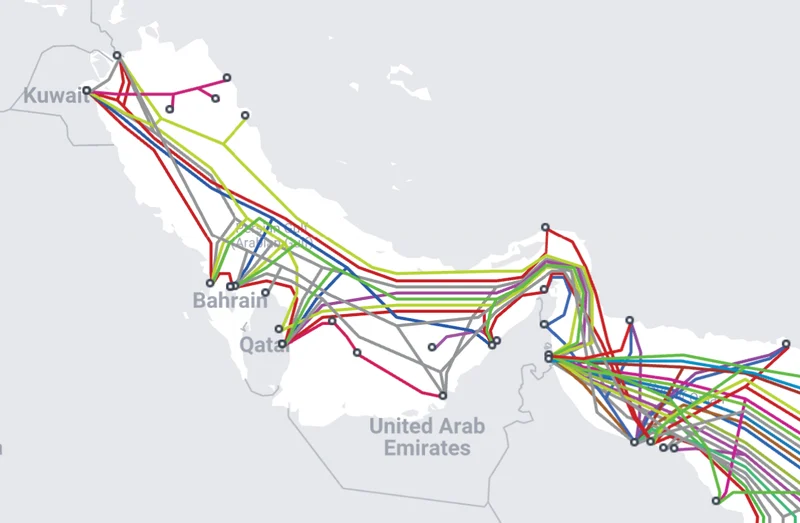
Emboldened by its successful wartime blockade of the Strait of Hormuz, Iran is turning to one of the hidden arteries in the global economy: subsea cables beneath the waterway that carry vast internet and financial traffic between Europe, Asia and the Persian Gulf.
The Islamic Republic wants to charge the world’s largest tech companies for using the subsea internet cables laid under the Strait of Hormuz, and state-linked media outlets have vaguely threatened that traffic could be disrupted if firms don’t pay. Lawmakers in Tehran discussed a plan last week which could target submarine cables linking Arab countries to Europe and Asia.
“We will impose fees on internet cables,” Iranian military spokesperson Ebrahim Zolfaghari declared on X last week. Iran’s Revolutionary Guards-linked media said Tehran’s plan to extract revenue from the strait would require companies like Google, Microsoft, Meta, and Amazon to comply with Iranian law while submarine cable companies would be required to pay licensing fees for cable passage, with repair and maintenance rights given exclusively to Iranian firms.
Some of these companies have invested in the cables running through the Strait of Hormuz and the Persian Gulf, but it’s unclear if those cables traverse Iranian waters.