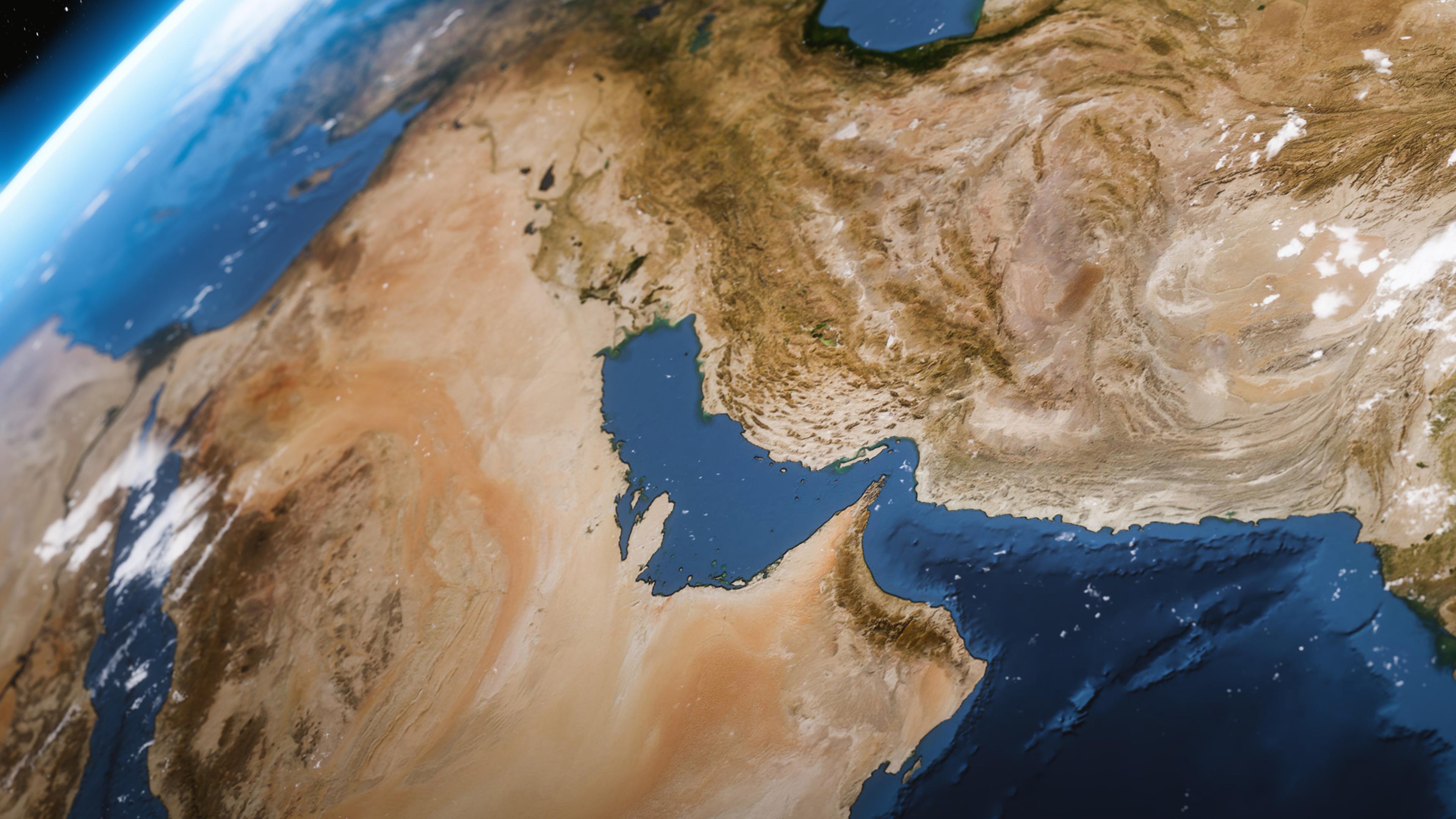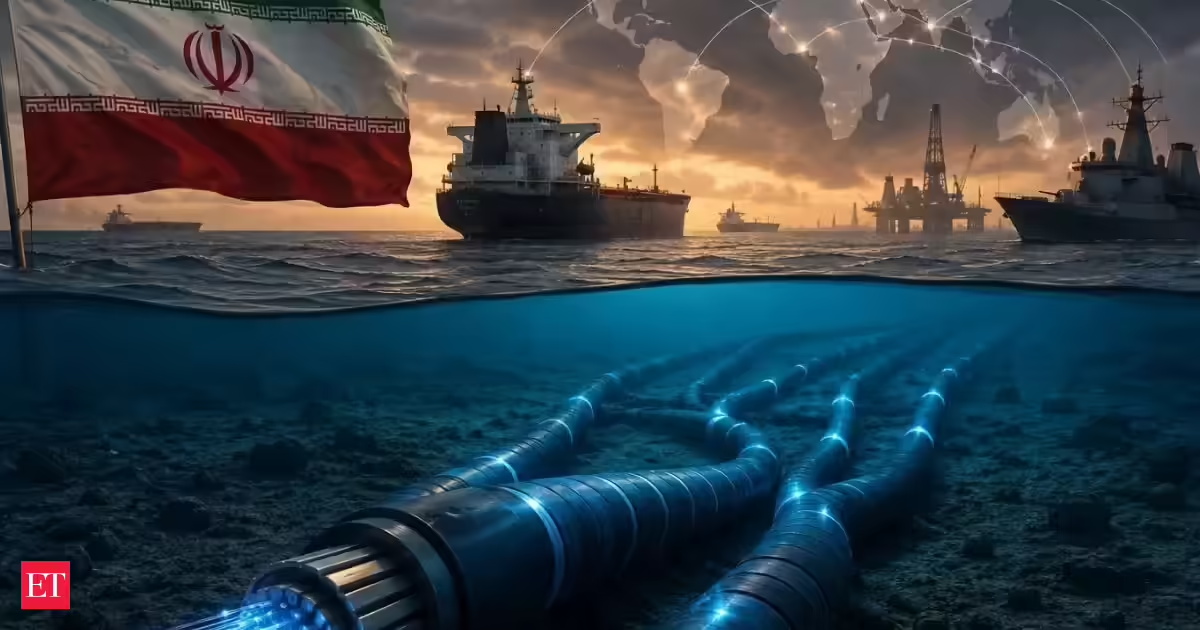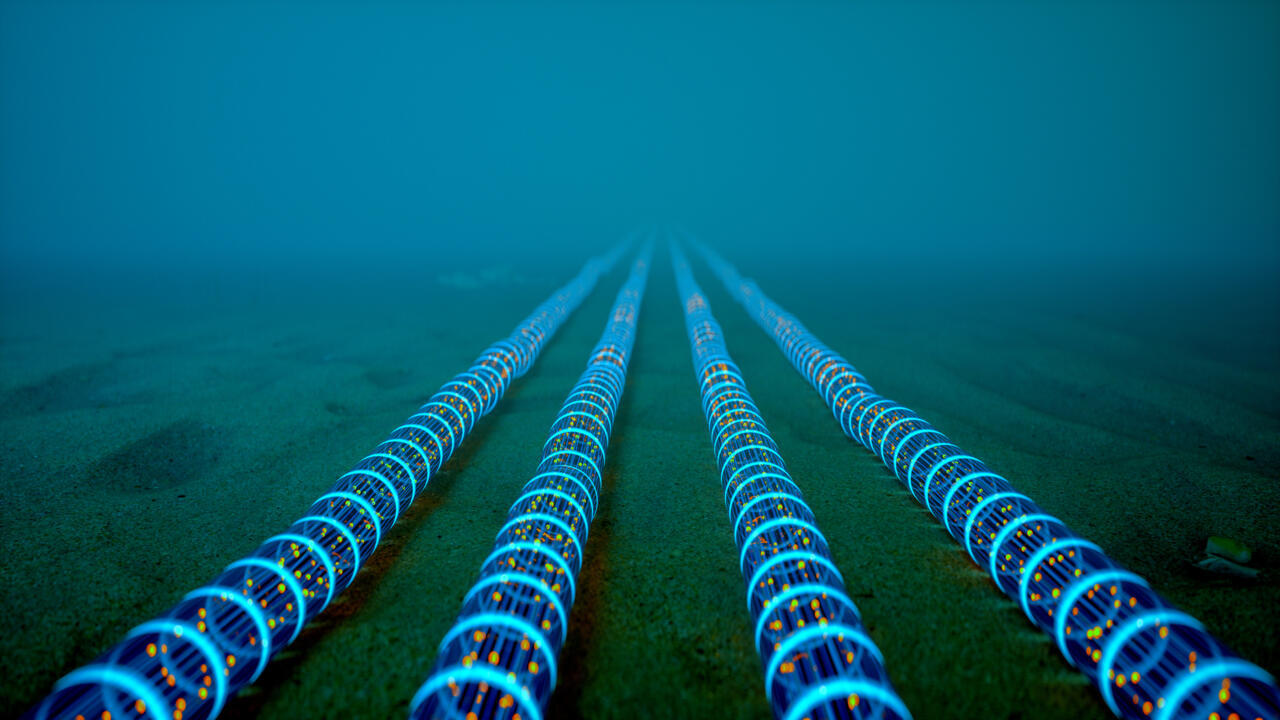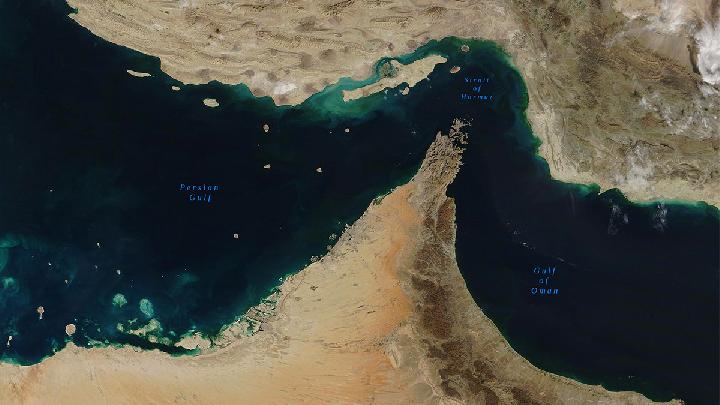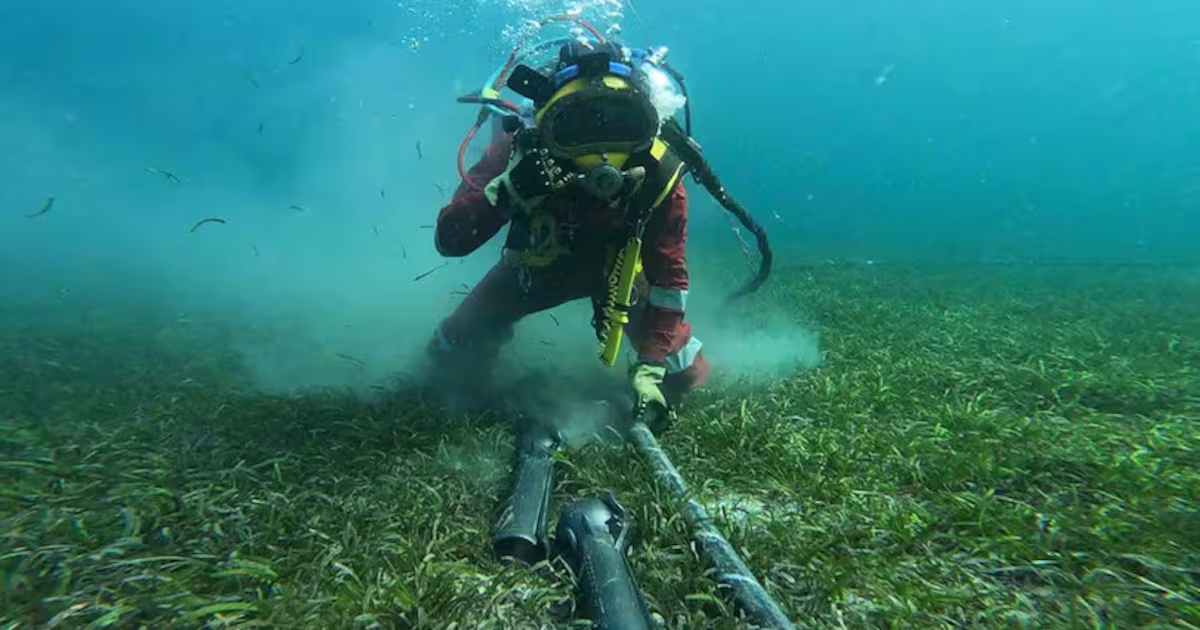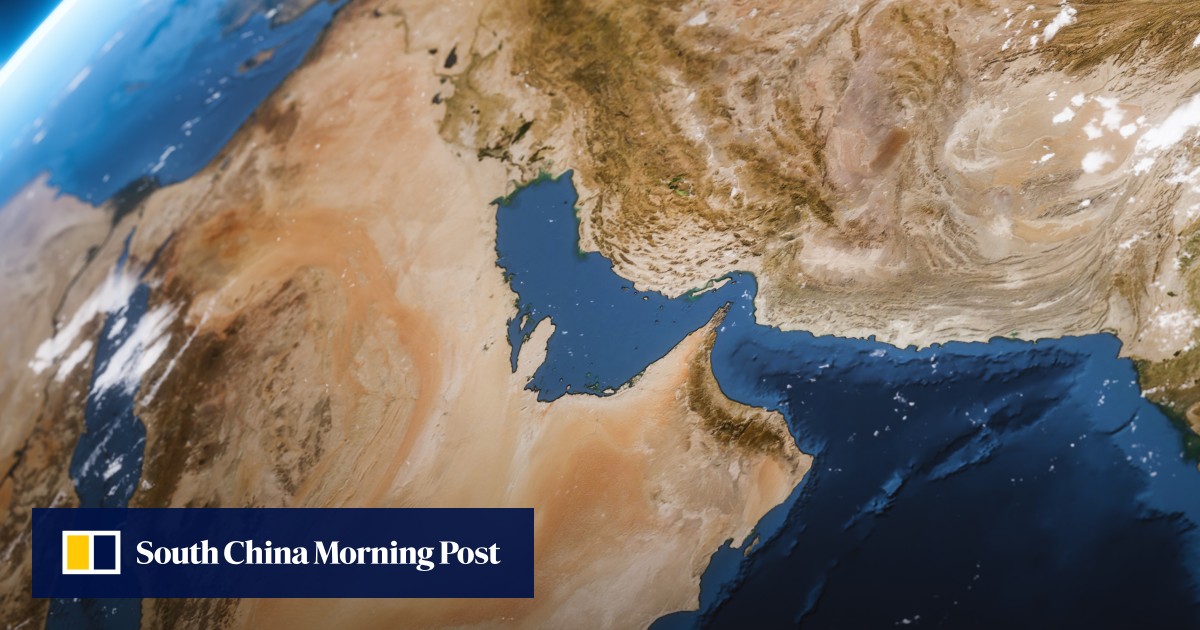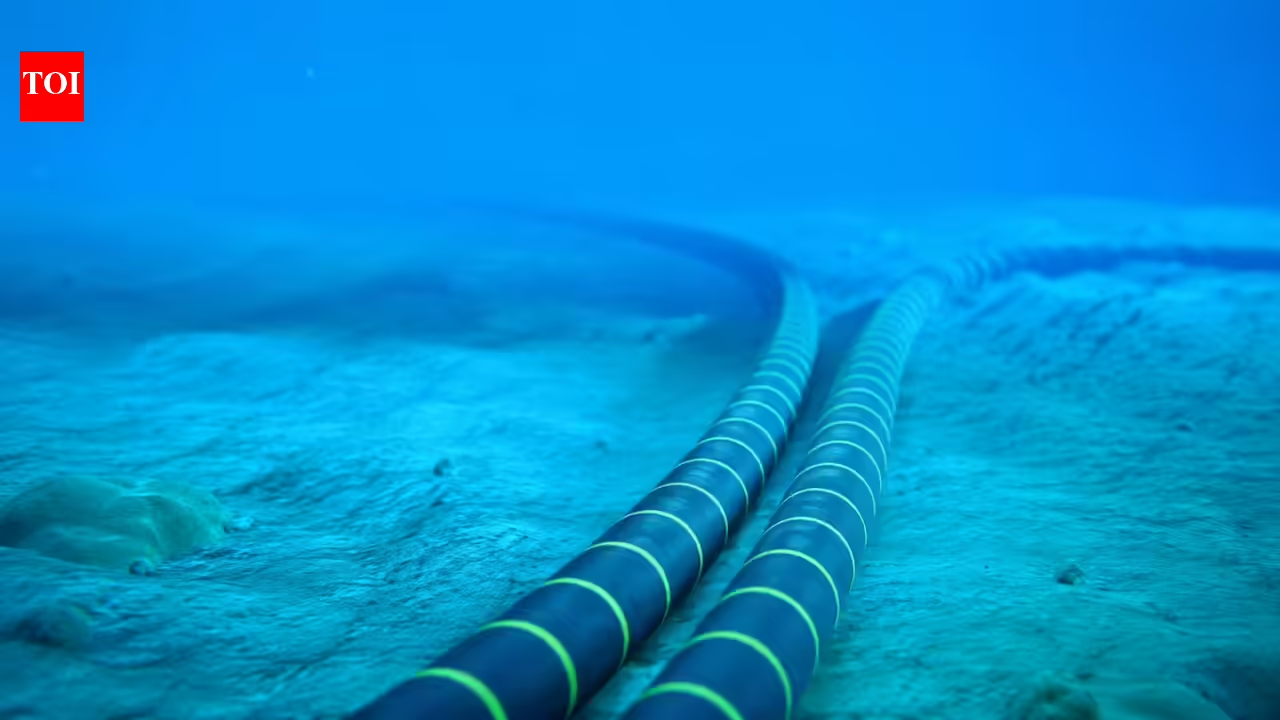
(AI image)Iran’s widening war with the US and much of the Middle East appears to be entering a new phase. After using the Strait of Hormuz as leverage during months of military escalation, Tehran is now signalling that it could target another critical global chokepoint: the vast network of subsea internet cables running beneath the Gulf.According to a report by CNN, Iranian lawmakers and state-linked media have discussed plans to impose fees on undersea communication cables crossing the Strait of Hormuz. The move would potentially affect some of the world’s biggest technology firms, including Google, Microsoft, Meta and Amazon.Also read: Trump says ‘clock is ticking’ for Iran as nuclear talks stallThe proposal comes as tensions between Iran, the United States and Israel continue to simmer despite a fragile ceasefire reached in April. The Strait of Hormuz, already at the centre of a standoff over oil shipments and maritime control, has become a strategic pressure point for Tehran. Iranian officials now appear eager to expand that leverage into the digital sphere.CNN reported that Iranian military spokesperson Ebrahim Zolfaghari announced on X last week: “We will impose fees on internet cables.” State-linked Revolutionary Guards media later suggested that companies operating the cables would be required to comply with Iranian laws and pay licensing charges, while repair and maintenance work would be restricted to Iranian firms.The Strait of Hormuz is not only one of the world’s most important energy routes, it is also a major artery for global internet traffic. A dense web of fibre-optic cables beneath the waterway connects Europe, Asia and the Middle East, carrying financial transactions, cloud services, AI infrastructure data and communications traffic.Iranian state media and the Tasnim news agency have increasingly warned about the vulnerability of those cables. One report cautioned that “simultaneous damage to several major cables” could trigger severe internet outages across the Persian Gulf.Experts cited by CNN said international cable operators have long avoided Iranian waters because of security concerns. Most cables are instead clustered along the Omani side of the strait. However, two major systems, Falcon and Gulf Bridge International (GBI), reportedly still pass through Iranian territorial waters.Ceasefire under strain as threats escalateThe wider confrontation between Iran, Israel and the US remains volatile. US President Donald Trump warned Tehran that “the clock is ticking” and said Iran needed to move “FAST, or there won’t be anything left of them” following talks with Israeli Prime Minister Benjamin Netanyahu.Meanwhile, Iranian officials continued issuing warnings to Gulf states seen as cooperating with Washington and Israel. Senior Iranian MP Esmail Kowsari warned the UAE that Tehran would respond “more forcefully” if Abu Dhabi continued backing US and Israeli operations.CNN also reported that Trump met senior national security officials over the weekend to discuss the next phase of the Iran conflict amid growing frustration over Hormuz disruptions and rising oil prices.
Iran’s next move after blocking Hormuz? Tehran is now eyeing the Gulf’s hidden arteries
Iran’s widening war with the US and much of the Middle East appears to be entering a new phase. After using the Strait of Hormuz as leverage during months of military escalation, Tehran is now signalling that it could target another critical global chokepoint: the vast network of subsea internet cables running beneath the Gulf.
472 words~2 min read