en English
May 19, 2026
Carla Norrlöf
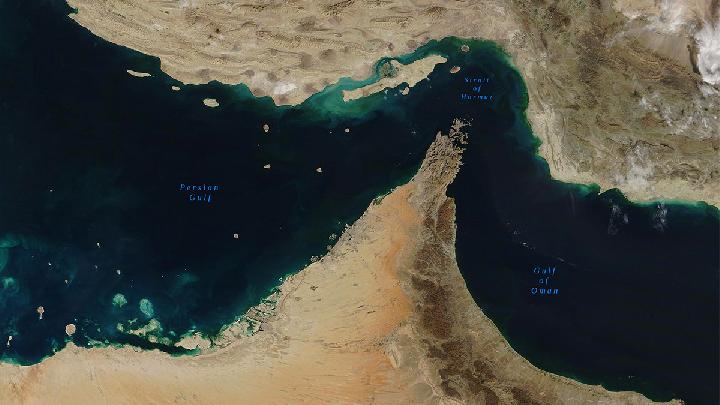
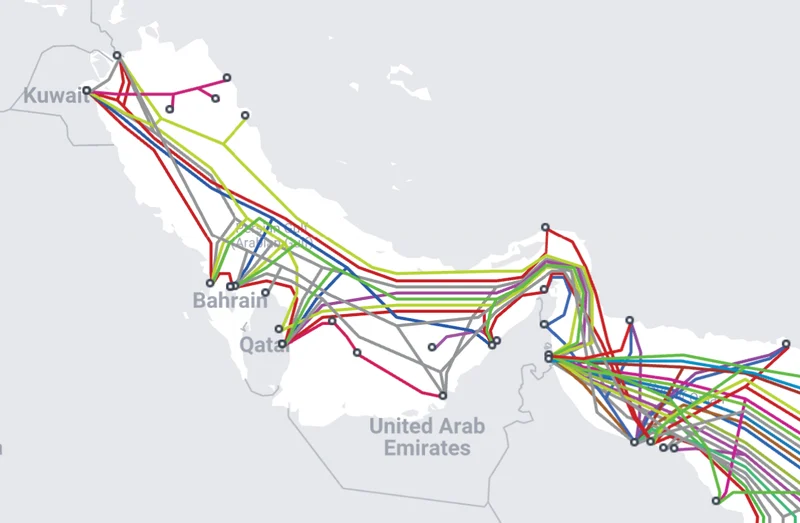
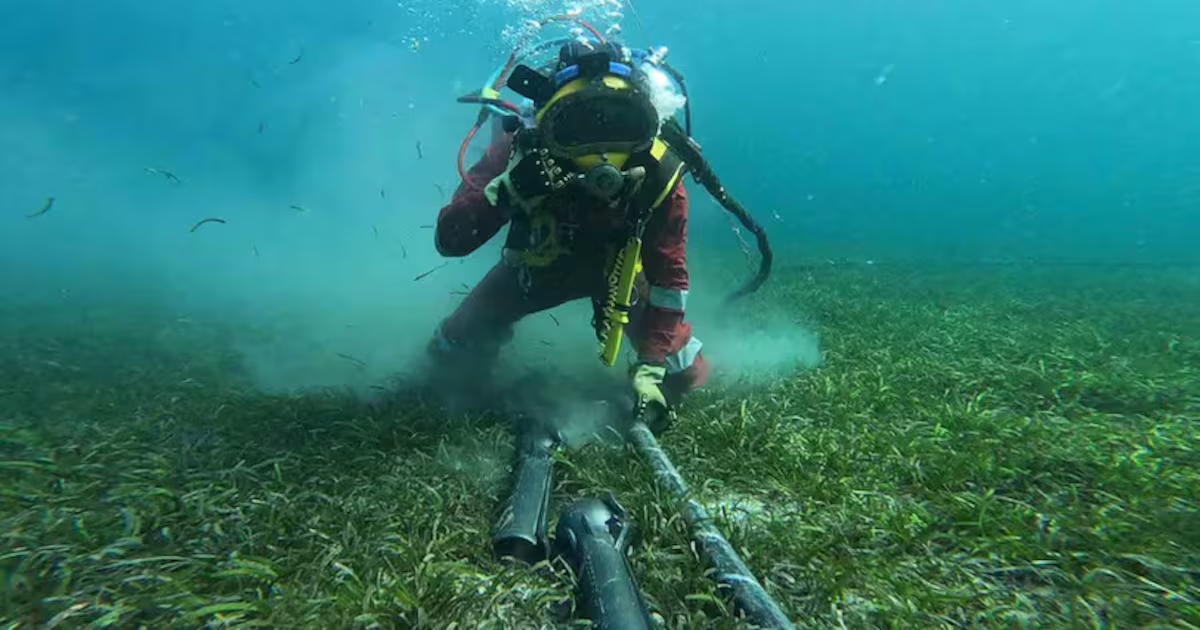
Military and economic coercion usually costs the coercer as well as the target. But by threatening undersea cables beneath the Strait of Hormuz, Iran may have found a way to impose heavy costs on the US government and private sector while generating revenue for itself—at least in the short term.
TORONTO—The United States has unprecedented power to conduct military strikes anywhere around the world, to impose damaging tariffs and sanctions, and to mete out punishment far beyond its borders in coordination with allies. Few states have possessed so many instruments of coercion, and fewer still have been able to achieve so much leverage through private firms, foreign governments, and the networks of global exchange.