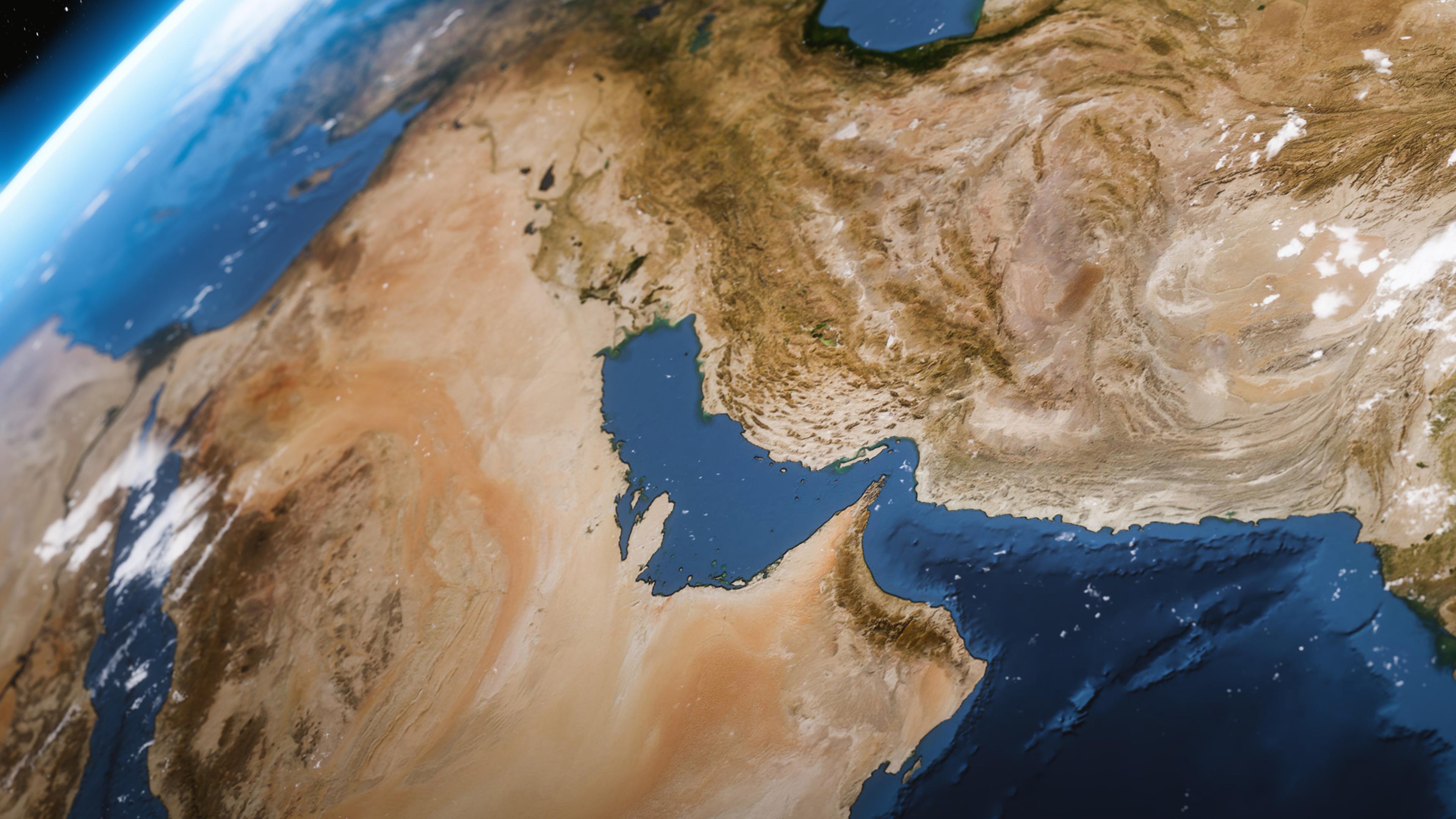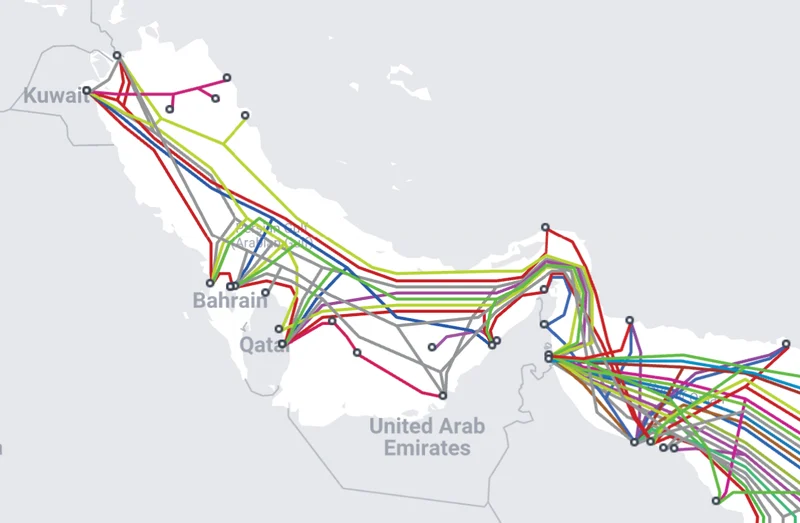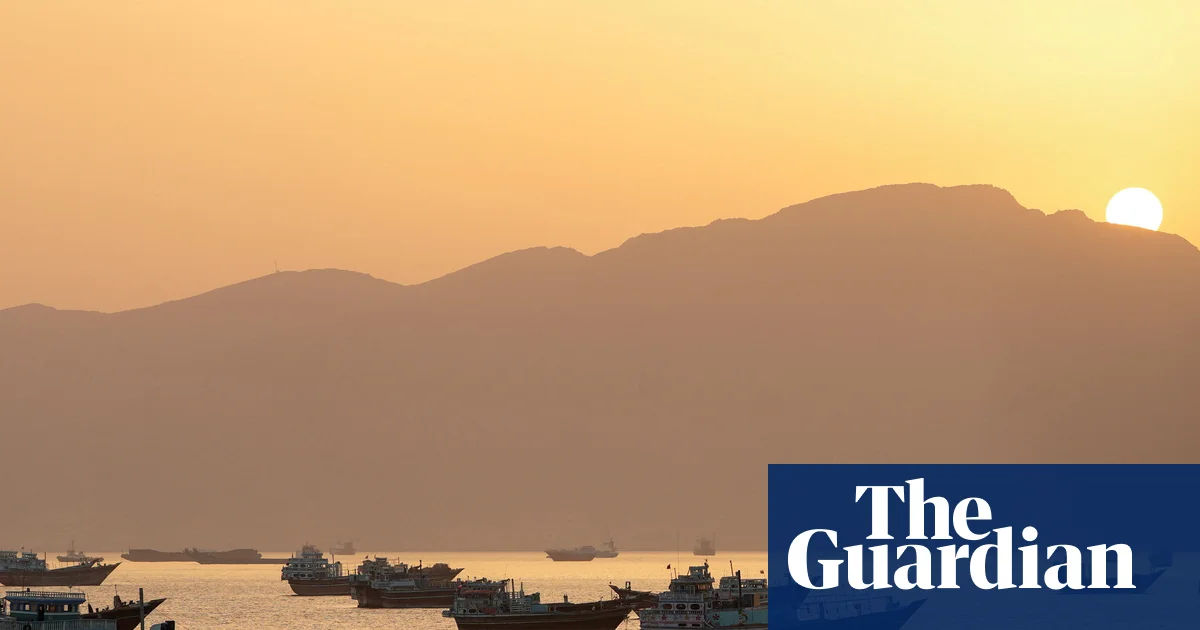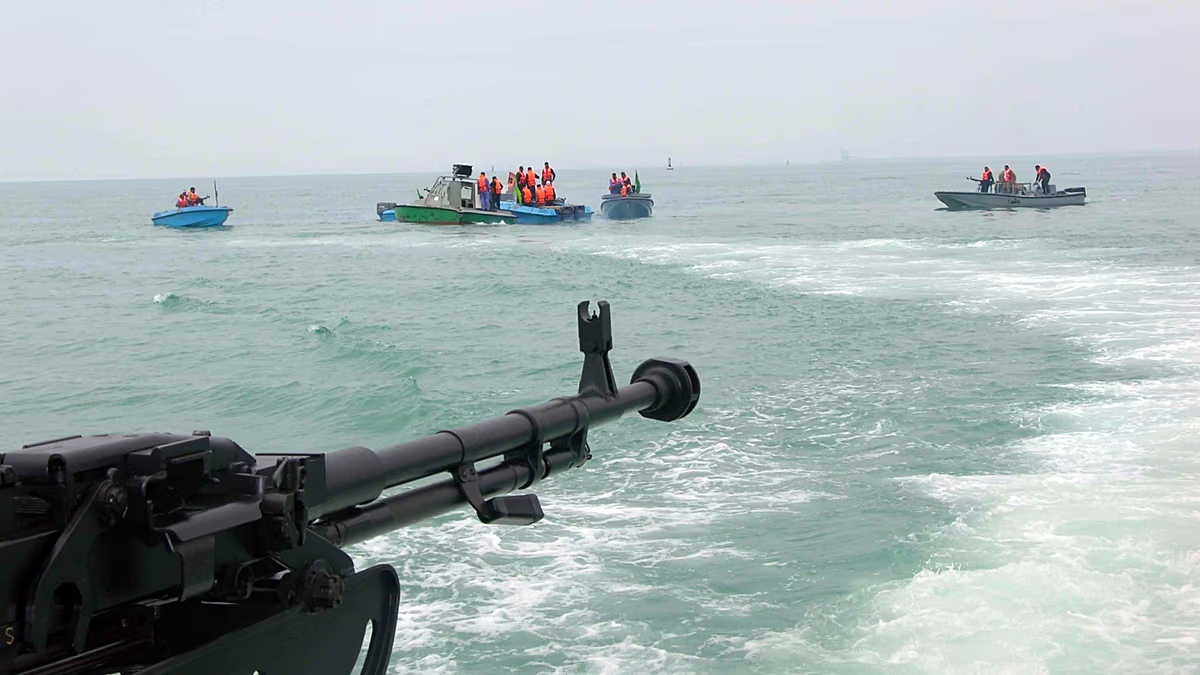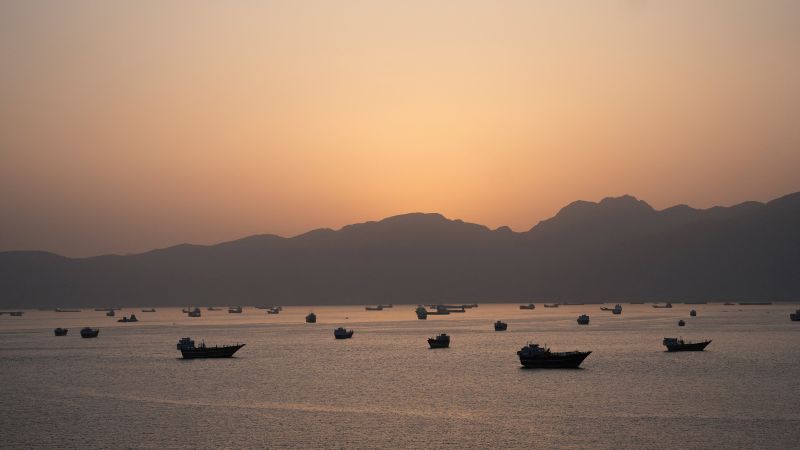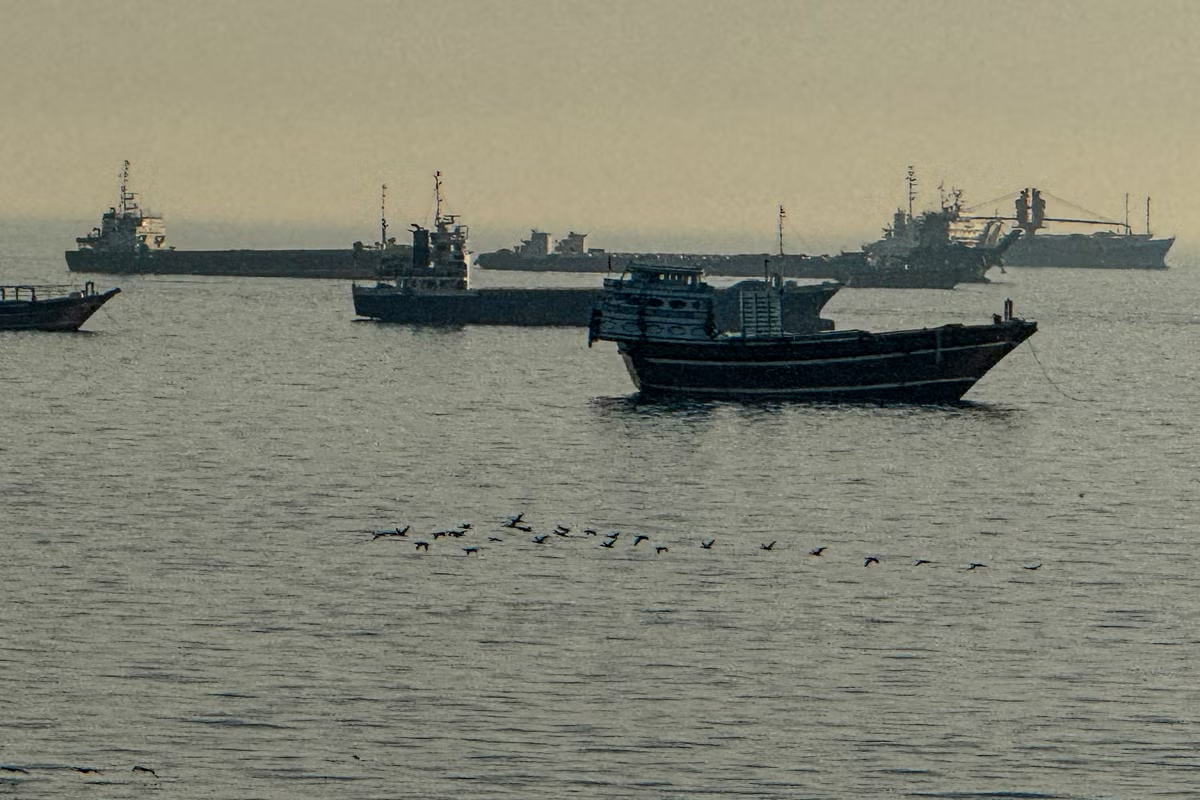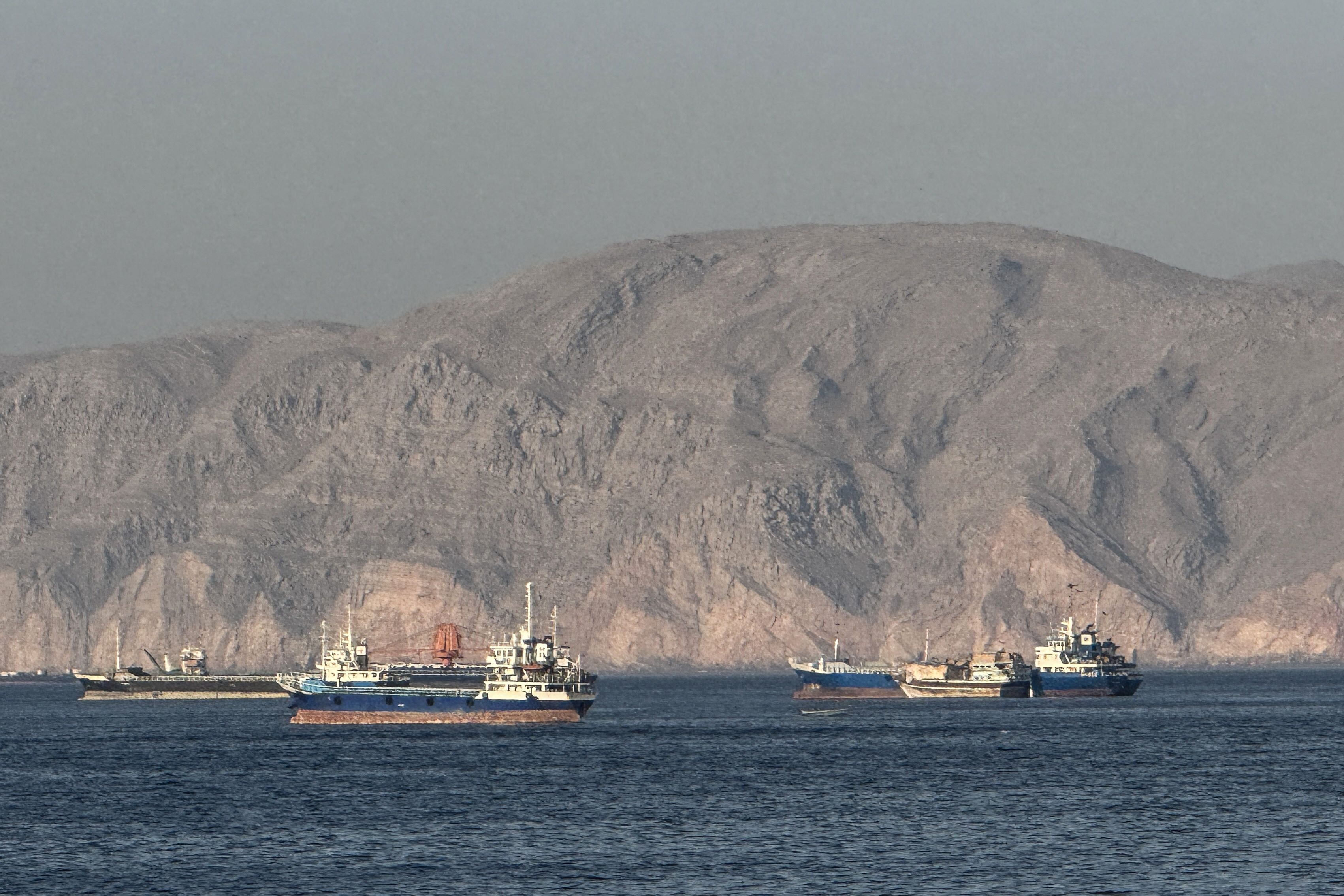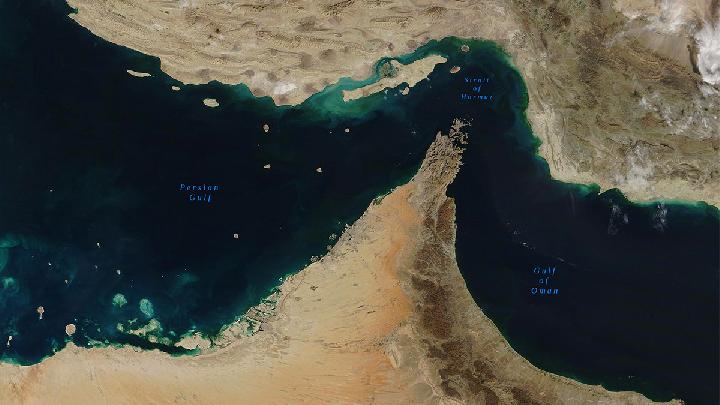
Encouraged by its successful wartime blockade of the Strait of Hormuz, Iran now wants to extend its control beneath the critical waterway by imposing fees on the internet cables that traverse the Strait. As negotiations with the US stall, Iranian authorities are eyeing the “treasure at the bottom of the Strait of Hormuz”, according to Iranian state-affiliated media. ‘At least seven cables’ lie beneath The Islamic Republic wants to charge technology giants like Google, Meta, Microsoft and Amazon licensing fees for the use of the undersea cables. The plan would also monopolise the repair and maintenance of these subsea cables, presumably by giving such contracts exclusively to Iranian companies. Finally, the tech giants would be required to comply with “the laws of the Islamic Republic of Iran”. What that would mean remains unclear. Observers have long suggested that Iran would start “launching provocations in the underwater domain”, noted Christian Bueger, a professor of International Relations at the University of Copenhagen. “At least seven cables lie beneath the waters of the strait,” according to The Guardian. Other cables exist but are not yet operational, according to maps of global internet infrastructure. Iran says it has the right to impose licensing fees on the Strait because it contains “not a centimetre of water that is part of the high seas”, according to state-run Fars News Agency. The narrowest part of the Strait is 21 nautical miles long, or about 33 kilometres.
Digital bottleneck: How Iran wants to use internet access for leverage in the war
Tehran is floating the idea of charging the world’s largest tech companies – including Google, Meta, Microsoft and Amazon – for using the undersea internet cables crossing the Strait of Hormuz in a new…
971 words~4 min read