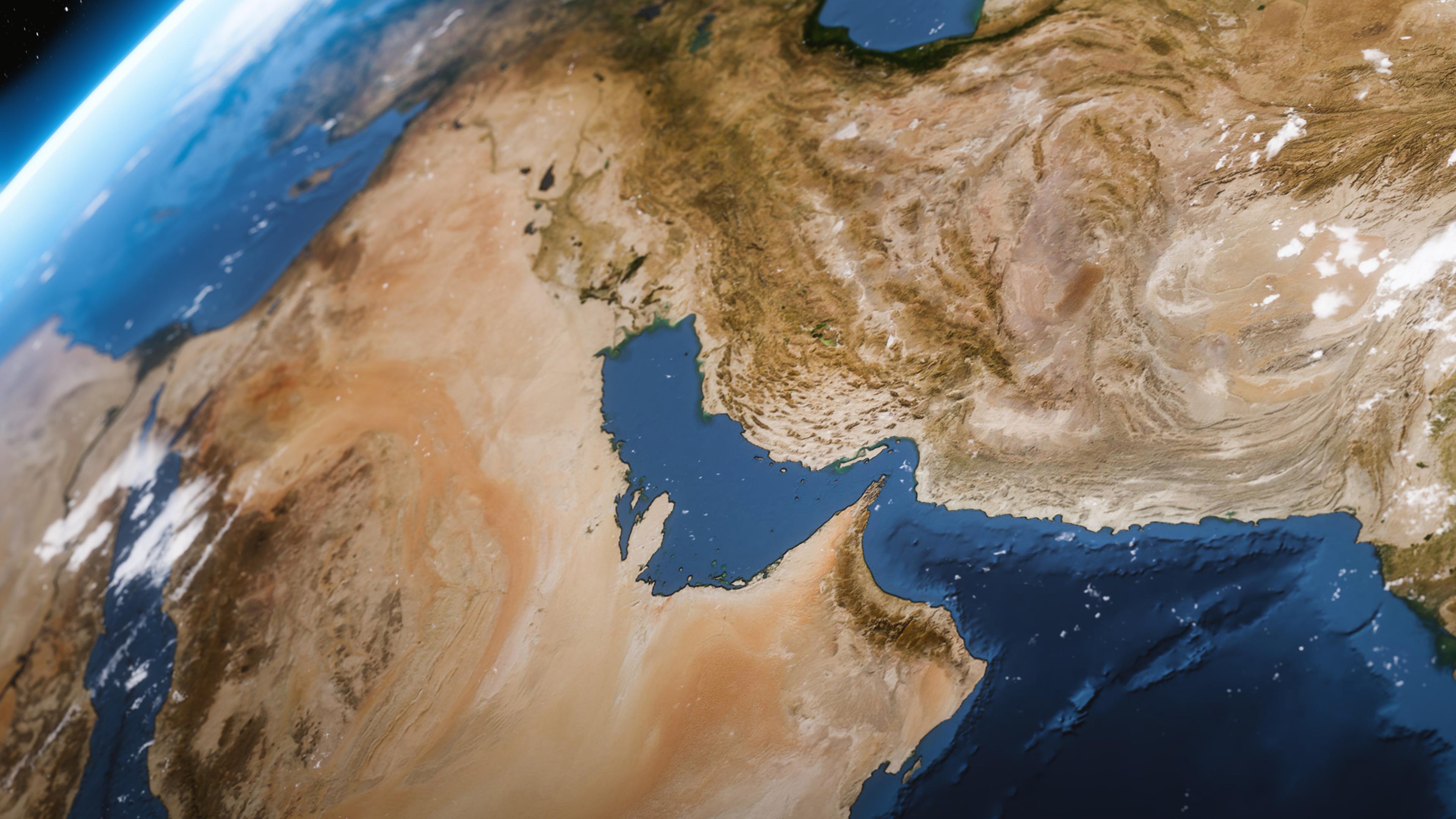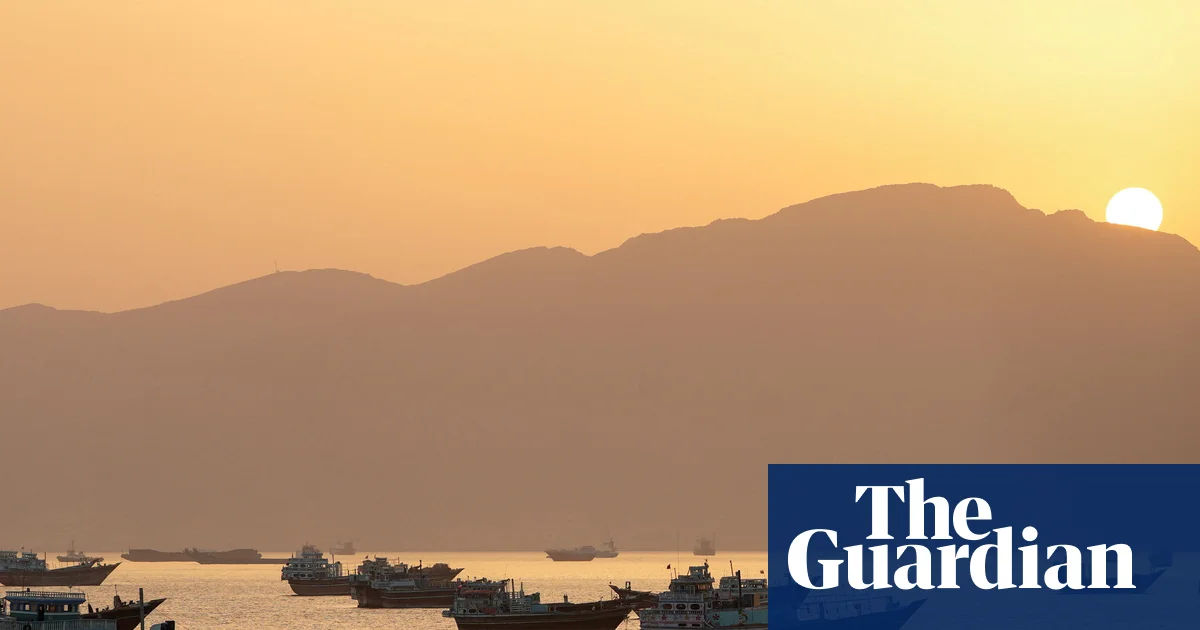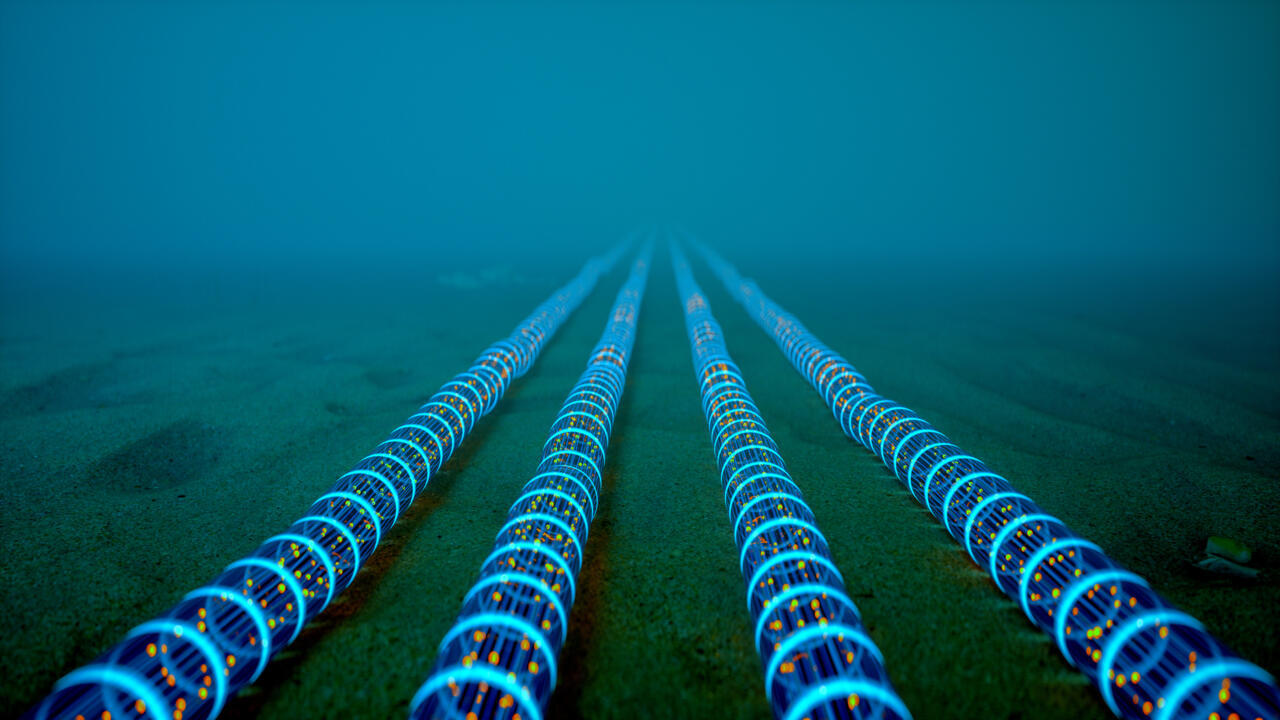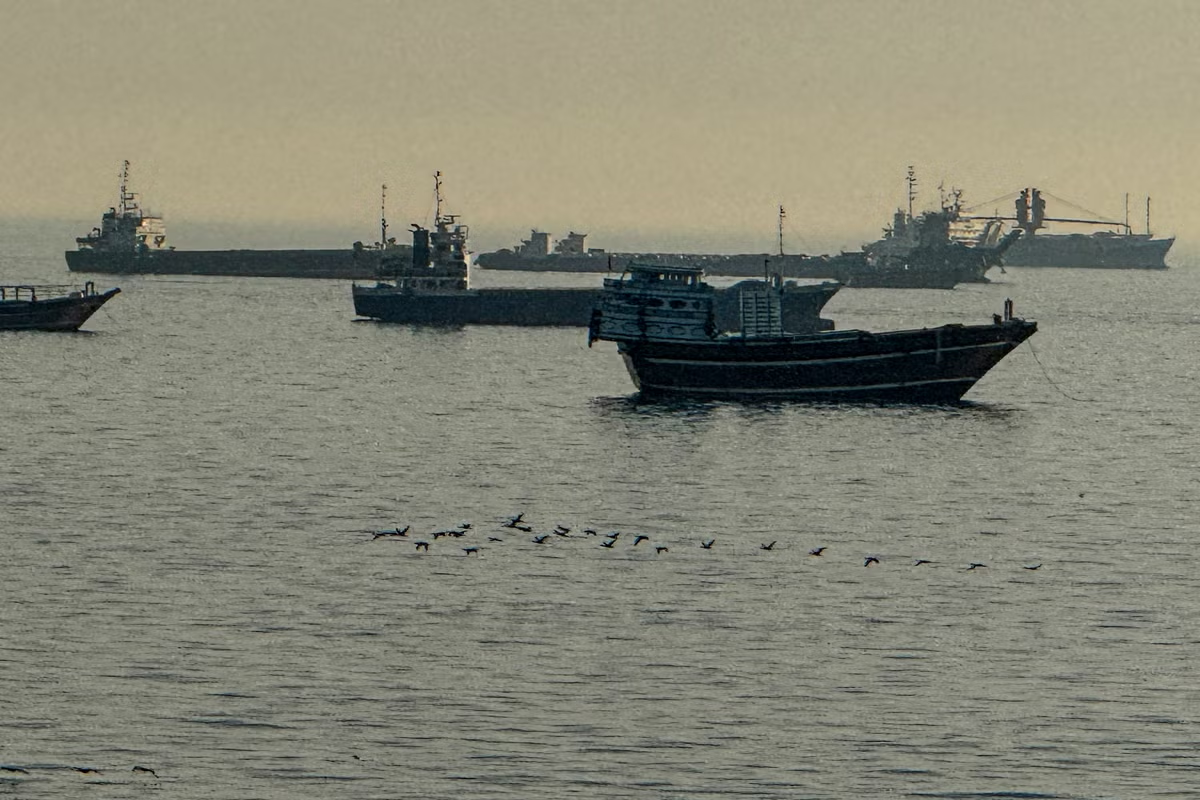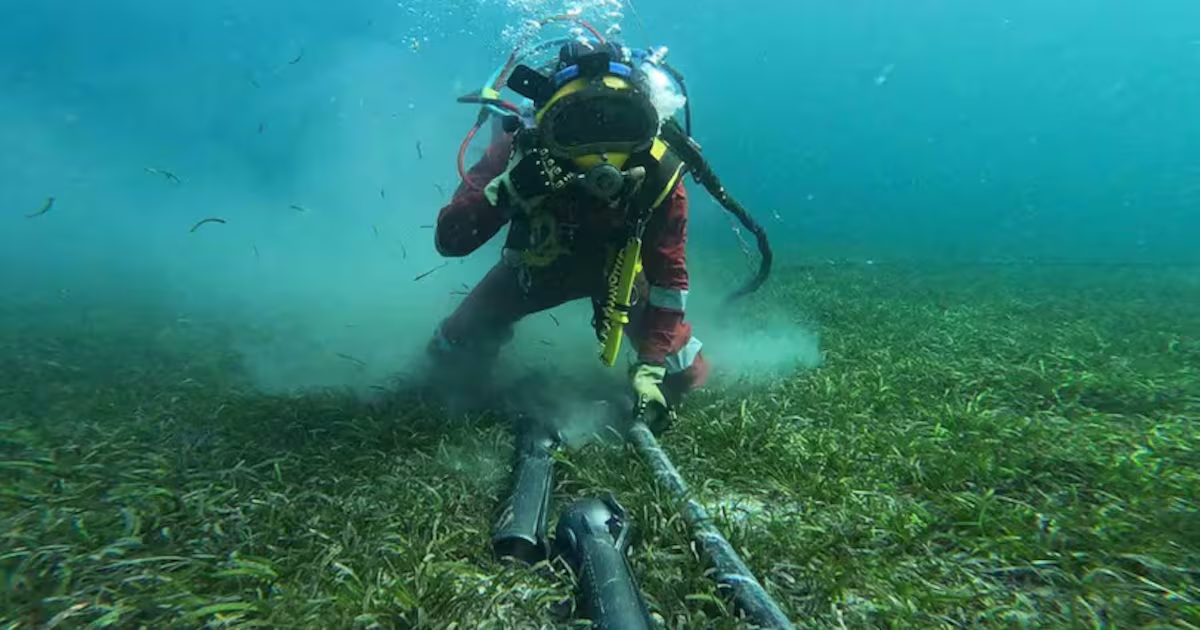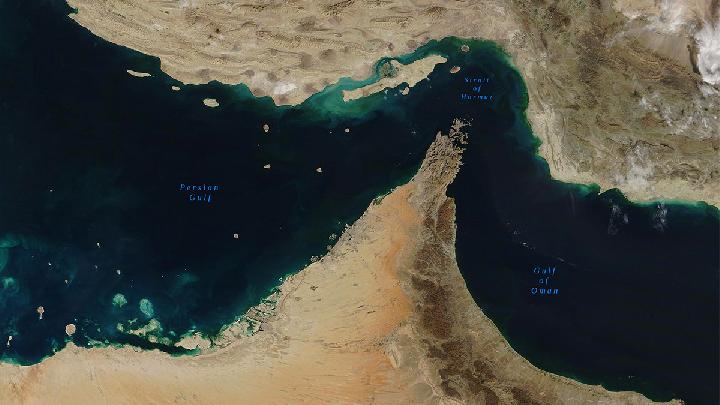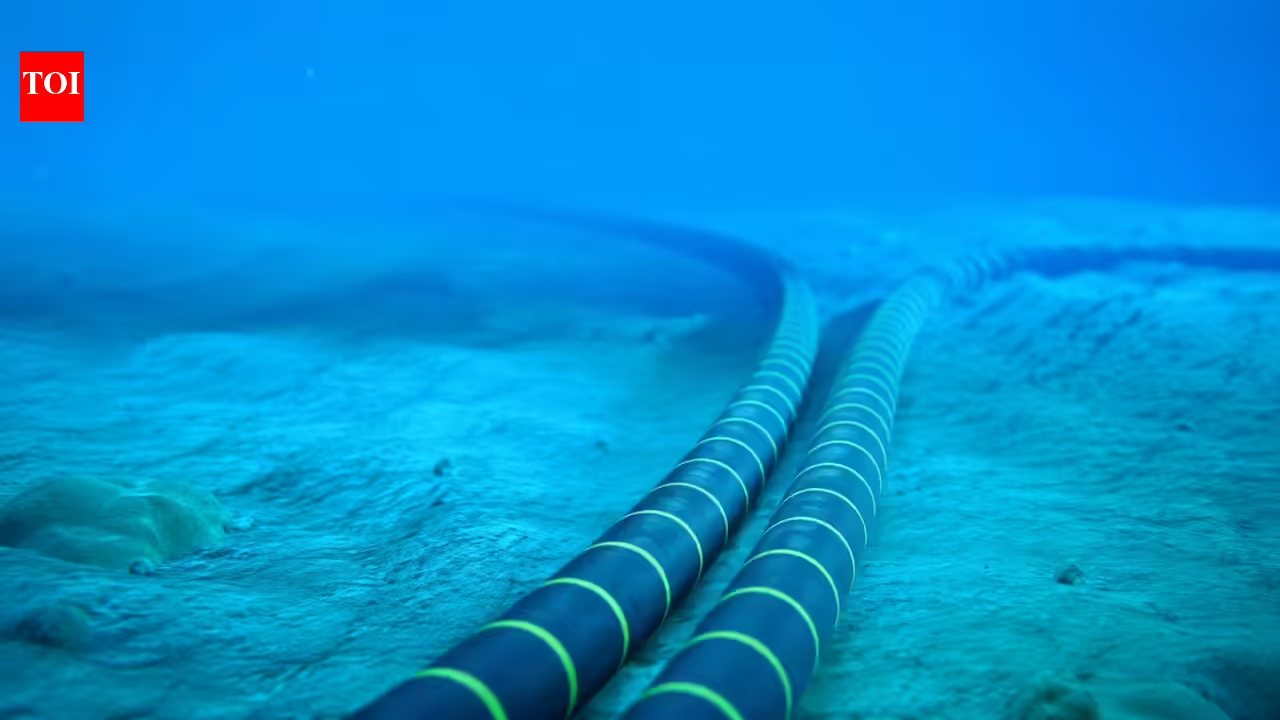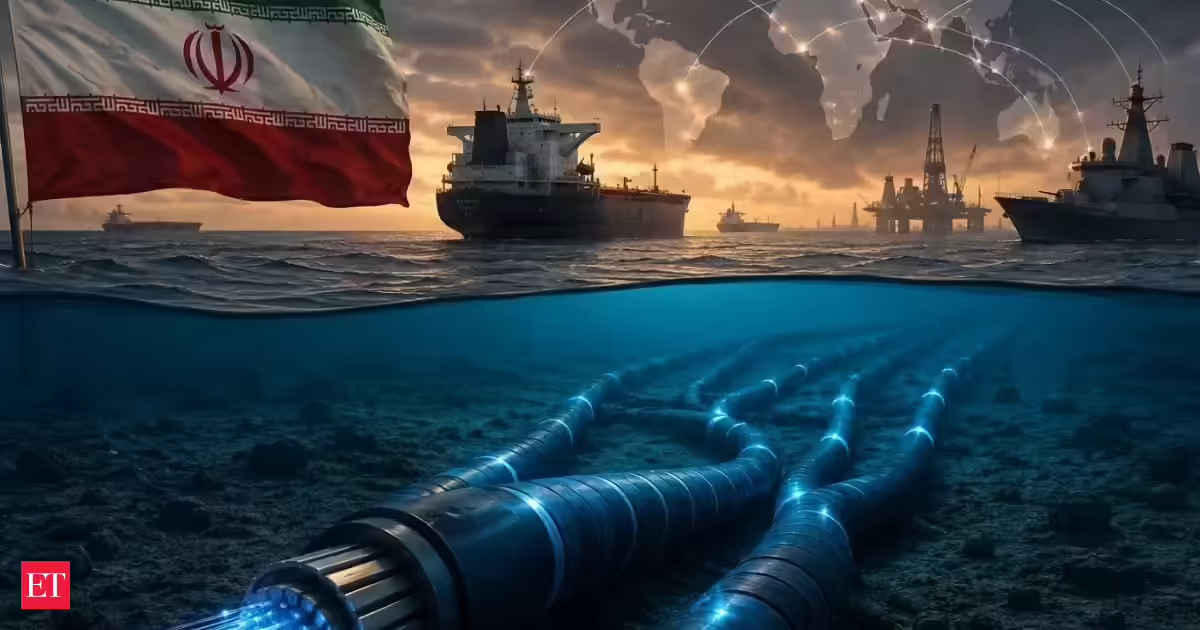
After months of using oil routes in the Strait of Hormuz as leverage during tensions with the US and Israel, Iran is now signalling that it could target another critical global network — the undersea internet cables carrying everything from Instagram reels and WhatsApp chats to Google searches, Amazon deliveries and Netflix streams. According to reports by CNN and Iranian state-linked media, Tehran is considering imposing fees on submarine communication cables passing beneath the Strait of Hormuz, a move that could affect global technology companies and disrupt international internet traffic.Iranian military spokesperson Ebrahim Zolfaghari wrote on X, “We will impose fees on internet cables.”— Irantimes72 (@Irantimes72) State-linked media associated with Iran’s Revolutionary Guards later reported that operators of subsea cables would have to comply with Iranian laws and pay licensing charges. The reports also said repair and maintenance work on those cables could be restricted to Iranian companies.The proposal could affect firms including Google, Microsoft, Meta and Amazon, whose services rely heavily on the global subsea cable network.Why these cables matterThe Strait of Hormuz is known globally as one of the world’s most important oil shipping routes, but it is also a major digital corridor linking Europe, Asia and the Middle East. A dense network of fibre-optic cables beneath the waterway carries financial transactions, cloud computing traffic, artificial intelligence data, military communications and internet services used daily across the world.Any major disruption could affect banking systems, stock market trading, international payments and internet connectivity across several regions. Experts say even temporary disruptions could slow down digital services relied on by businesses and consumers.Iranian state media and the Tasnim news agency have increasingly highlighted the vulnerability of these cables. One report warned that “simultaneous damage to several major cables” could trigger major internet outages across the Gulf region.According to Alan Mauldin, research director at TeleGeography, most international cable operators have historically avoided Iranian waters because of security concerns and instead route cables along the Omani side of the strait.However, two major cable systems, Falcon and Gulf Bridge International (GBI), still pass through Iranian territorial waters.Concerns over enforcement and repairsIt remains unclear how Iran would enforce such a plan, especially because US sanctions prohibit American companies from making payments to Tehran.Experts also warn that cable maintenance could become difficult if tensions in the region escalate further. Repair ships typically need to remain stationary for long periods while fixing damaged subsea infrastructure, making operations risky in conflict zones.Although internet traffic can often be rerouted through alternative networks, a large-scale disruption in the Strait of Hormuz could still affect connectivity and digital services across parts of Asia, the Middle East, Europe and East Africa.India could also face disruptions to sections of international internet traffic because of the region’s role in connecting Asian and European digital networks.Iran-US ceasefire remains fragileThe latest developments come as tensions between Iran, Israel and the US continue despite a fragile ceasefire reached in April.US President Donald Trump warned Tehran that “the clock is ticking” and said Iran needed to move “FAST, or there won’t be anything left of them” after talks with Israeli Prime Minister Benjamin Netanyahu.At the same time, Iranian officials have continued issuing warnings to Gulf countries seen as supporting Washington and Israel. Senior Iranian MP Esmail Kowsari warned the UAE that Tehran would respond “more forcefully” if Abu Dhabi continued backing US and Israeli operations.CNN also reported that Trump met senior national security officials over the weekend to discuss the next phase of the Iran conflict amid concerns over disruptions in the Strait of Hormuz and rising oil prices.
Iran fires a fresh threat: After oil, your Insta reels, Amazon deliveries, WhatsApp chats and Netflix streams could be the next target
From Whatsapp chats, Insta reels to Amazon deliveries, everything could be hit as Iran is considering imposing fees on undersea internet cables passing through the Strait of Hormuz. This move could impact global technology companies and disrupt international internet traffic. The proposal also suggests restricting cable repair work to Iranian firms. This development occurs amidst ongoing tensions between Iran, the US, and Israel, with a fragile ceasefire in place.
592 words~3 min read