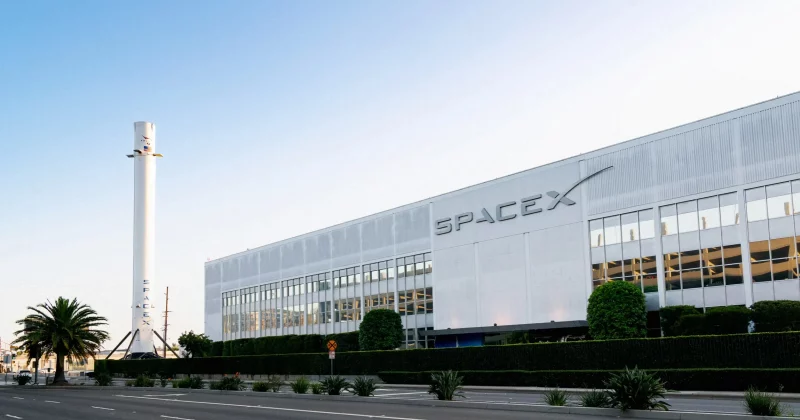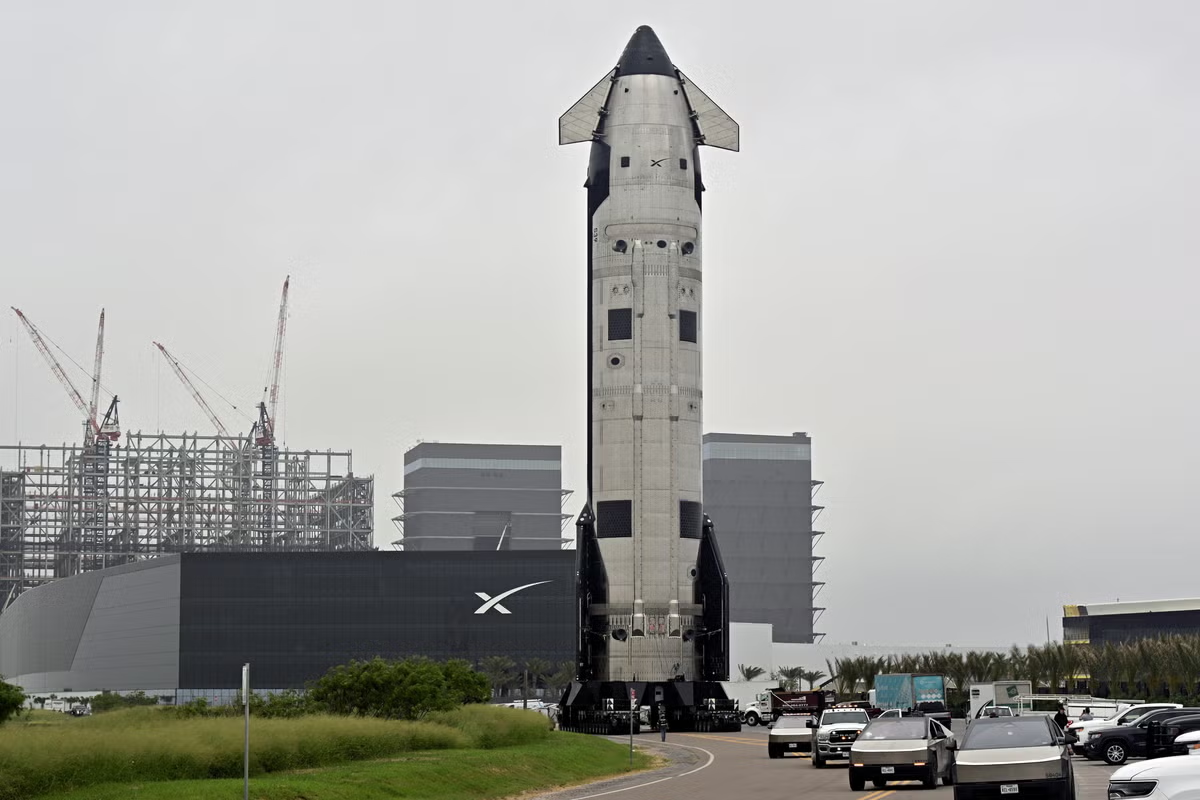
SpaceX is expected to debut on the public markets at a $2 trillion valuation. That number is extraordinary for any company, but for me, a space enthusiast, space investor, and space entrepreneur, it also carries an uncanny connection to how SpaceX got its start — its “wedge” into the market.
That wedge is the International Space Station (ISS). The ISS — the most expensive and ambitious engineering project in human history — is where SpaceX began sending cargo in 2012 and humans in 2020. For over a quarter century, first before SpaceX and now because of it, the ISS has been a triumph of science, diplomacy, and persistence. But as the ISS nears deorbit, there is a very real risk of losing trillions of dollars in latent value currently trapped in the ISS and the space industry’s antiquated economic model.
With roughly $250 billion of taxpayer investment — $150 billion to build and $4 billion annually to maintain — the ISS has created immense scientific and technological value. However, if that same capital had been invested in the S&P 500 over the same period, it would be worth over $2 trillion today — ironically, the exact projected market cap of SpaceX.
This comparison is not intended to diminish the intangible value of scientific exploration but to illustrate the significant economic opportunity that remains untapped. By reframing the question, we see that the ISS is an incredible financial asset in need of a value transference mechanism — an economic bridge to liquidate the returns on our investment.