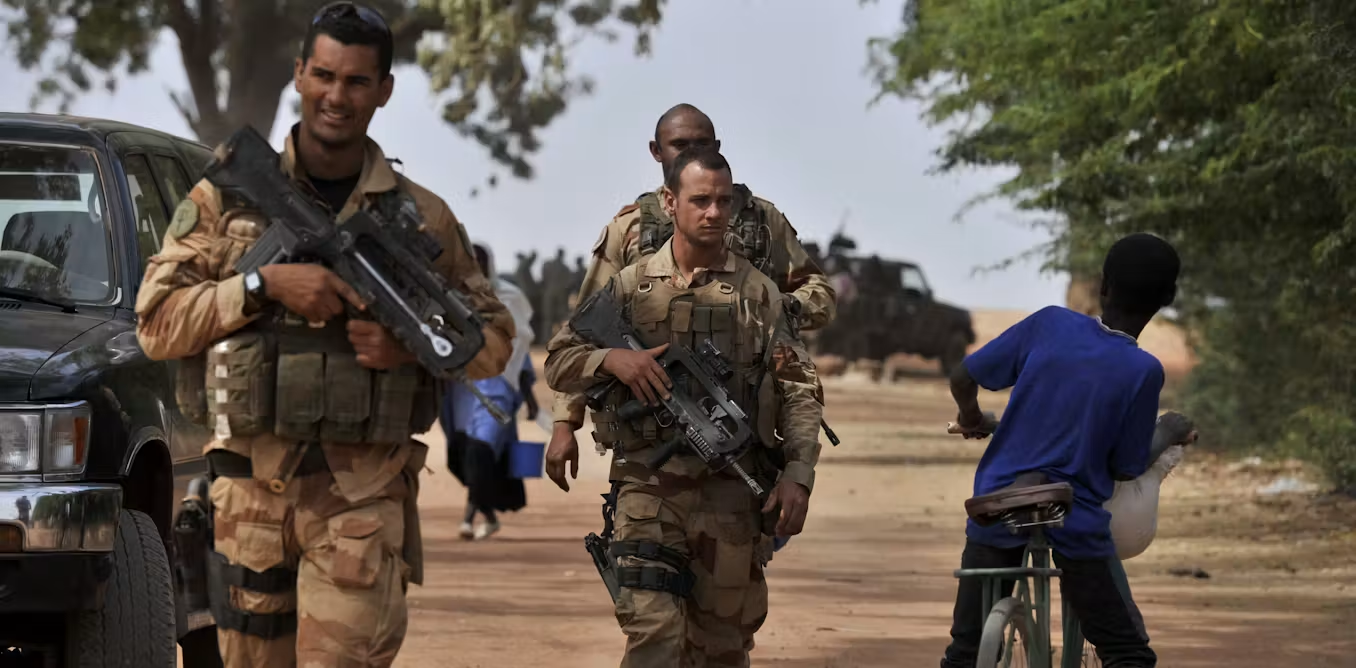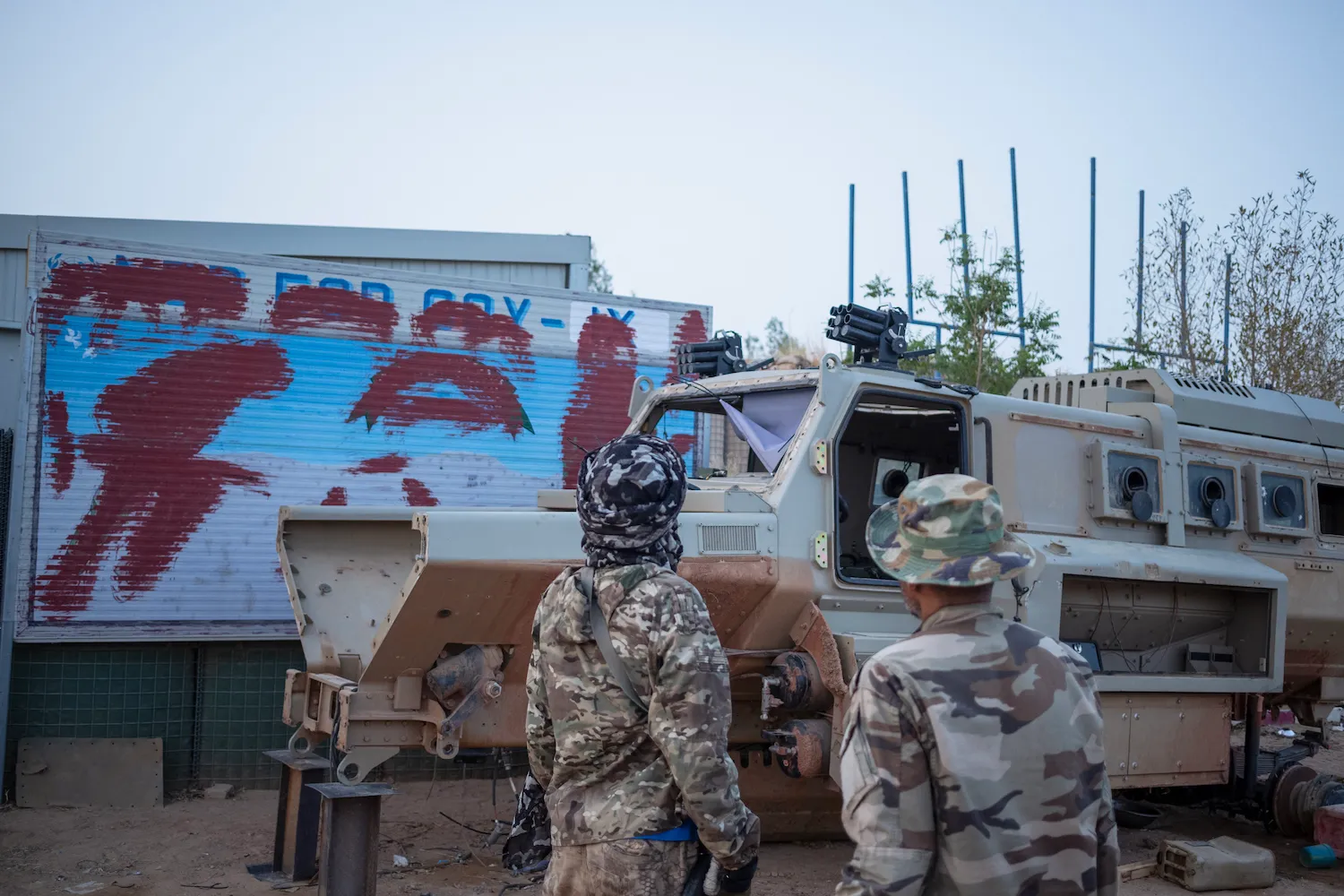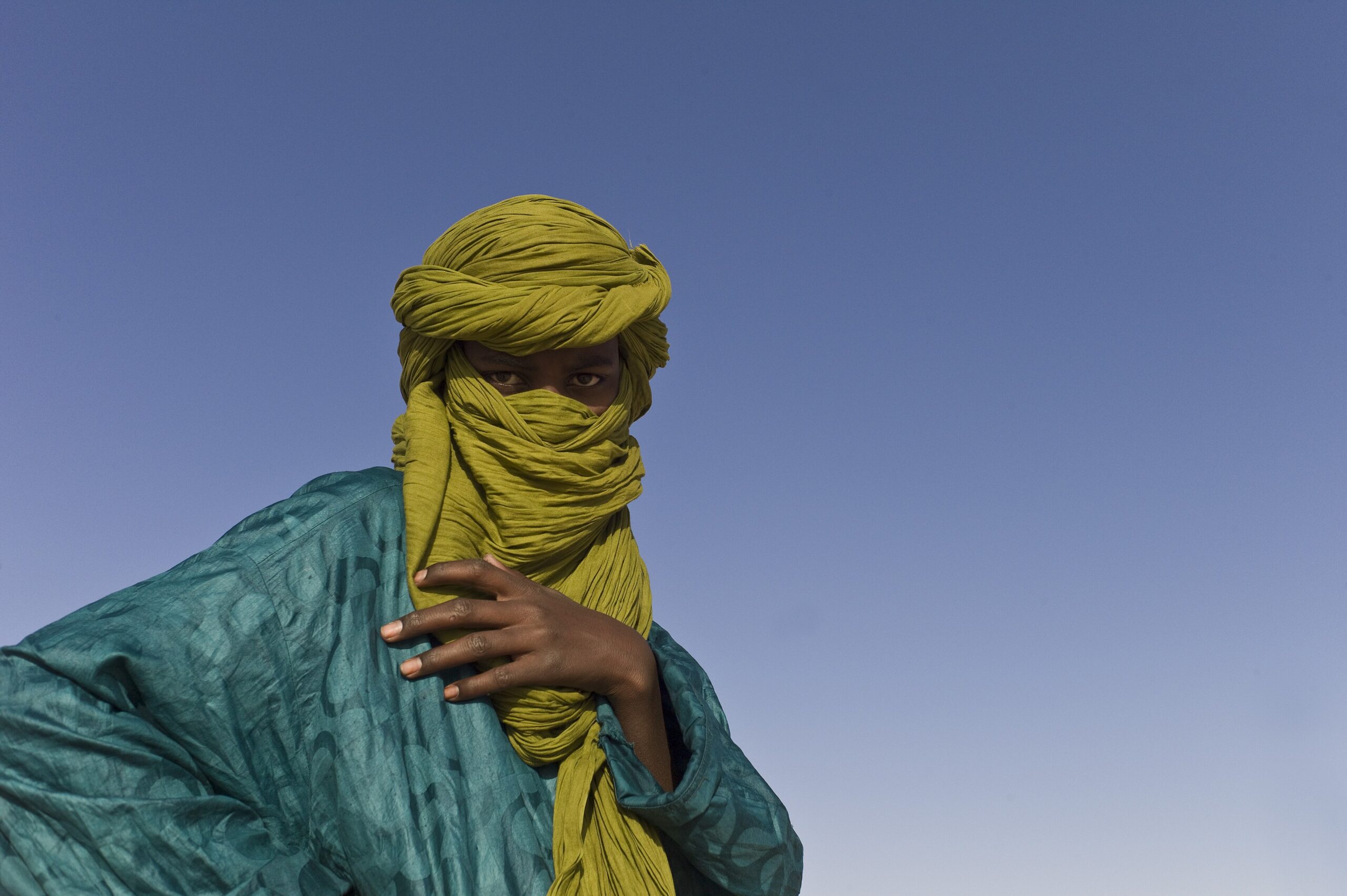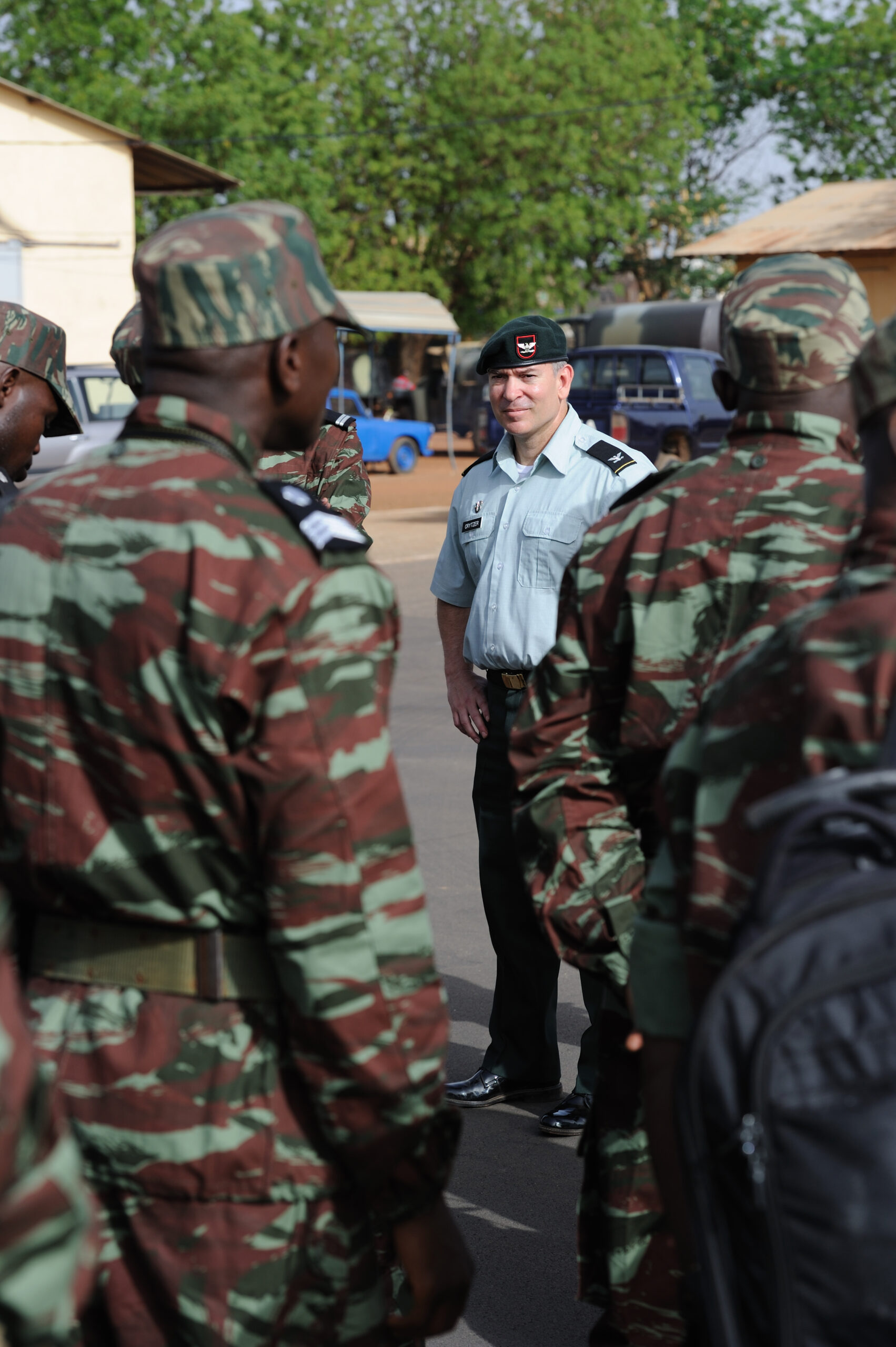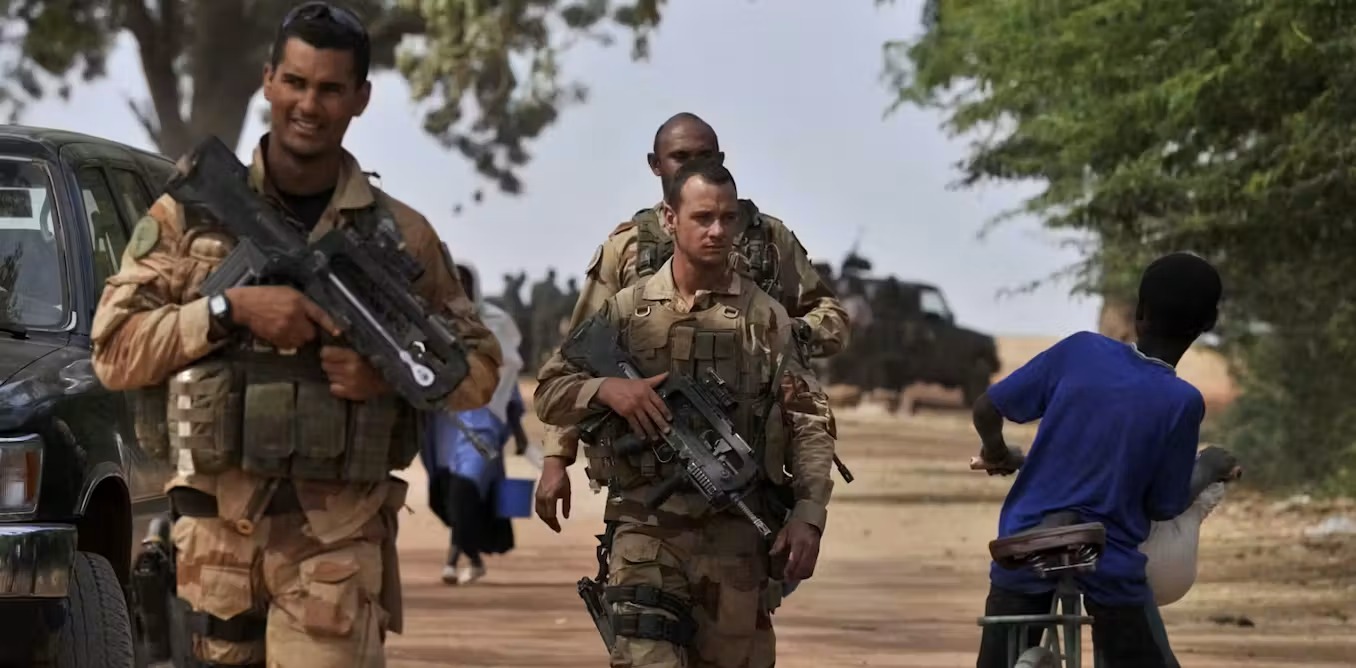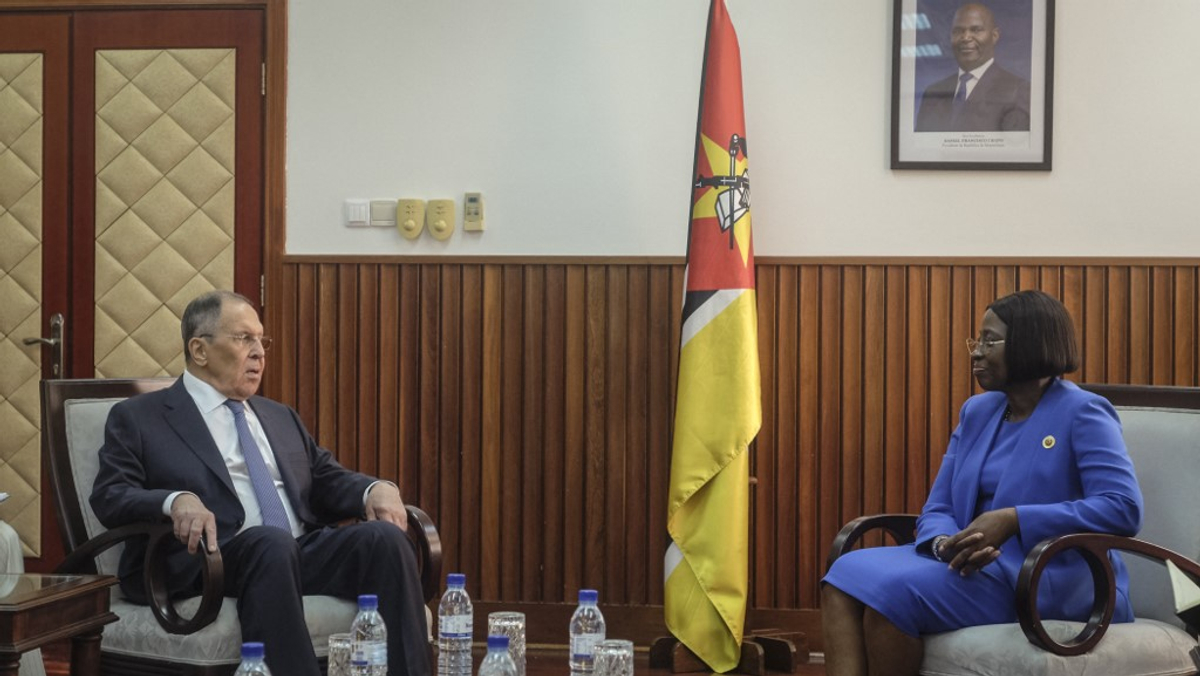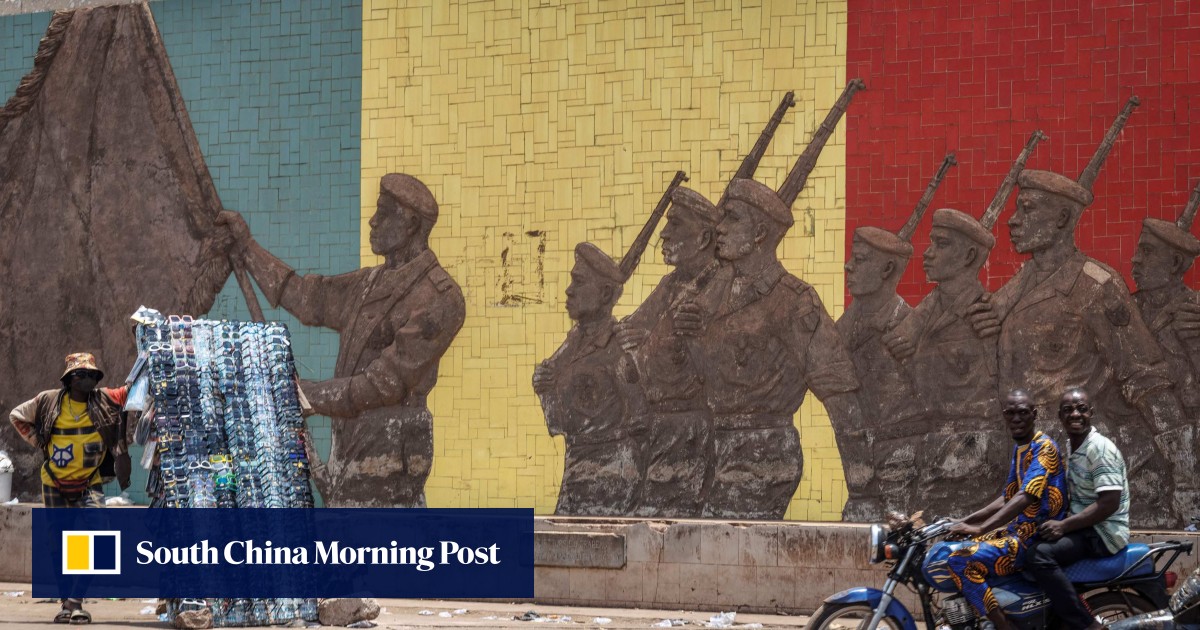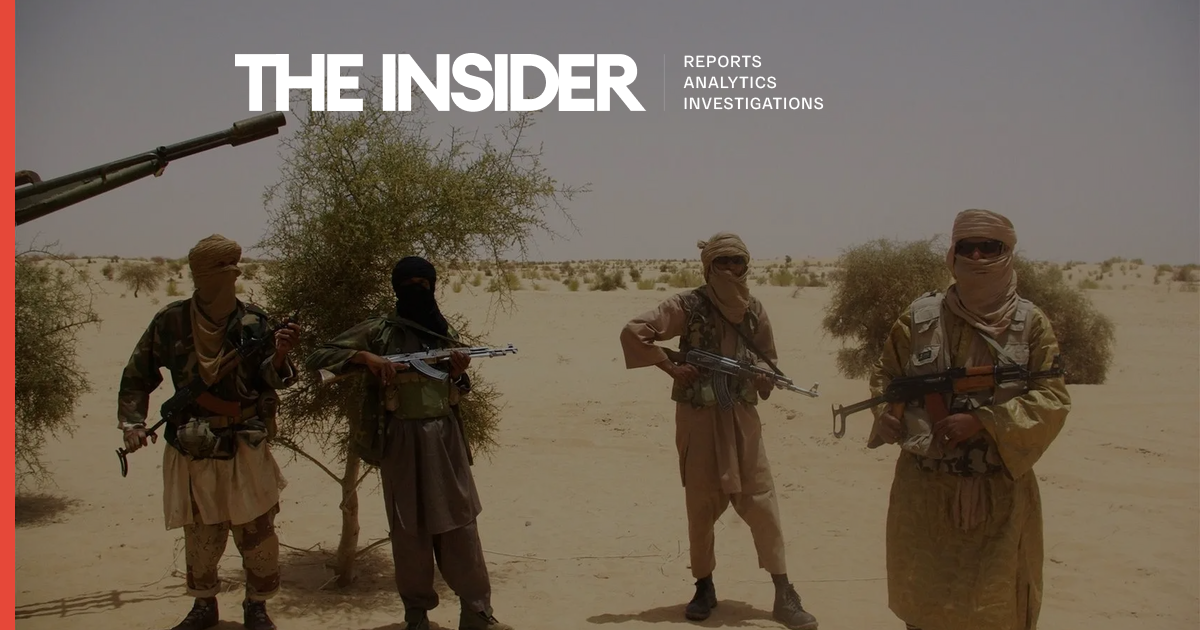
The escalating conflict in Mali is only the latest episode in the struggle for influence in the Sahel, the semi-arid tropical belt of Africa, once a part of France’s colonial domain, now torn by civil wars. Russia’s risky attempt to seize influence in the region through alliances with local dictators so far appears to have had limited success.Contents1.What is the Sahel?2.From France to the jihadists3.Russia enters the fray: Security for minerals4.Niger’s uranium illusion5.Dark prospects: Islamists, bandits and dictatorsWhat is the Sahel?The Sahel, a vast region south of the Sahara where desert gradually turns into savanna and tropical forest, usually draws global attention only when a military conflict escalates in the area, as it recently did in Mali.The geographic and political core of the Sahel is traditionally understood as five countries: Mauritania, Mali, Burkina Faso, Niger and Chad. Sudan is sometimes added to that list, but today that is more of a formality. Since 2023, Sudan has been consumed by its fourth devastating civil war and is following its own trajectory. The five core Sahel states, however, share a similar historical background and a whole set of acute modern problems.These states are first and foremost united by their colonial legacy. The countries, which gained independence from France in the 1960s, remained within the former colonial power’s sphere of influence for decades. A major factor was the use of the African franc, which firmly locked them in their economic dependence.Another important factor is religion. Islam dominates the region, with Muslims making up more than 90% of the population in Mauritania, Mali, and Niger, and about 65% in Burkina Faso and Chad. At the same time, large territories are de facto controlled by radical groups operating under the banners of al-Qaida or the Islamic State. The economic situation remains dire, with the Sahel consistently ranking among the poorest regions in the world. GDP per capita ranges from $1,500 in Mauritania to a very modest $550 in Niger.GDP per capita in the Sahel ranges from $1,500 in Mauritania to a very modest $550 in NigerExtreme poverty is accompanied by a deep crisis of statehood. With the possible exception of relatively sparsely populated Mauritania, these are classic failed states, where authorities have weak control over borders and cannot provide the population with basic services, from education and health care to justice. The situation is aggravated by high birth rates, ranging from 4.4 children per woman in Burkina Faso to 6.7 in Niger, which could double the region’s population by 2050.All these factors predictably led to political turbulence. About 10 to 15 years ago, the fragile stability there broke down. The rise of Islamists and the inefficiency of old pro-French elites triggered a series of military coups in Mali, Burkina Faso and Niger, finally undermining the legitimacy of state institutions.From France to the jihadistsIn the middle of the last century, much of Africa was under French rule. Unlike Algeria, which went through a brutal war of independence, the Sahel countries parted with the colonial power relatively peacefully. That left hope for constructive ties in a new format.France’s strategy in Africa was based on maintaining its presence through military bases, economic projects, and development programs. But no clear long-term plan was ever developed. Memories of the Algerian conflict and discontent in newly independent states made the policy highly vulnerable: almost any action by Paris could easily be interpreted as neocolonialism.For a long time, the Sahel remained on the margins of attention, overshadowed by more prosperous African neighbors. Local governments cooperated with the French military and French companies, for example, in uranium mining in Niger or gold mining in Mali, while periodically invoking historical injustice.Another pattern was also visible: the more successful a state became, like Senegal or the Ivory Coast, the easier it was to build dialogue with France. Others, meanwhile, often sought to justify their failures by blaming the negative influence of the former colonial power.States often sought to justify their failures by blaming the negative influence of France, the former colonial power
A blow below the tropical belt: Why Russia has struggled to gain a foothold in the Sahel
The escalating conflict in Mali is only the latest episode in the struggle for influence in the Sahel, the semi-arid tropical belt of Africa, once a part of…
2,181 words~10 min read