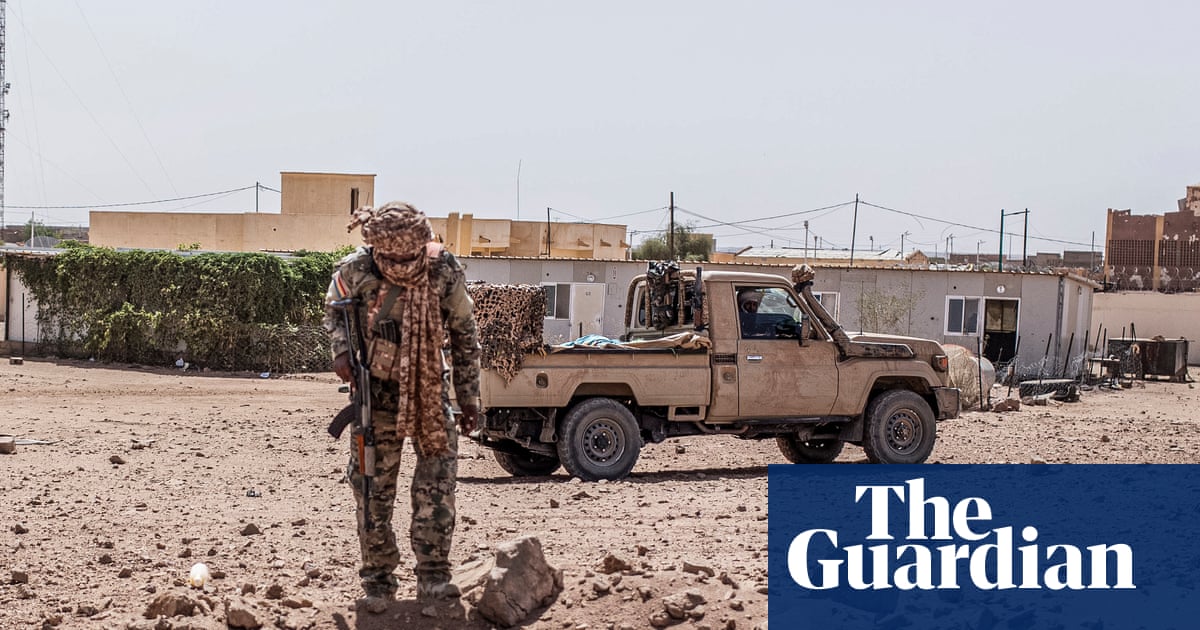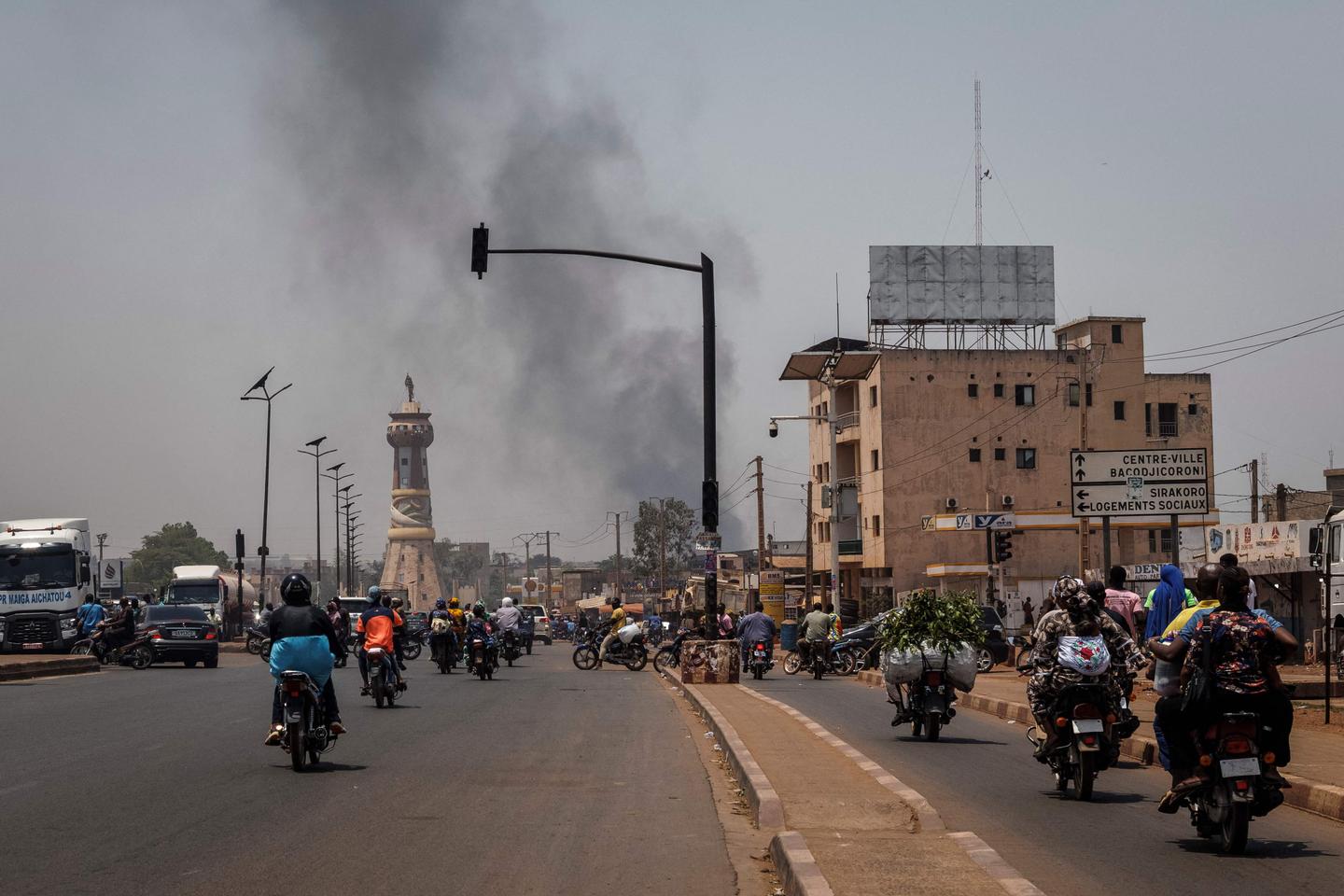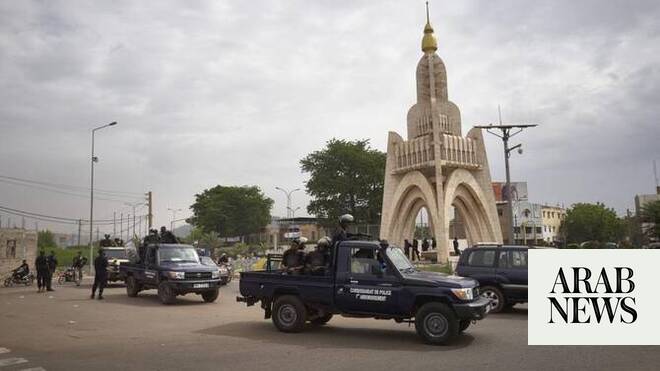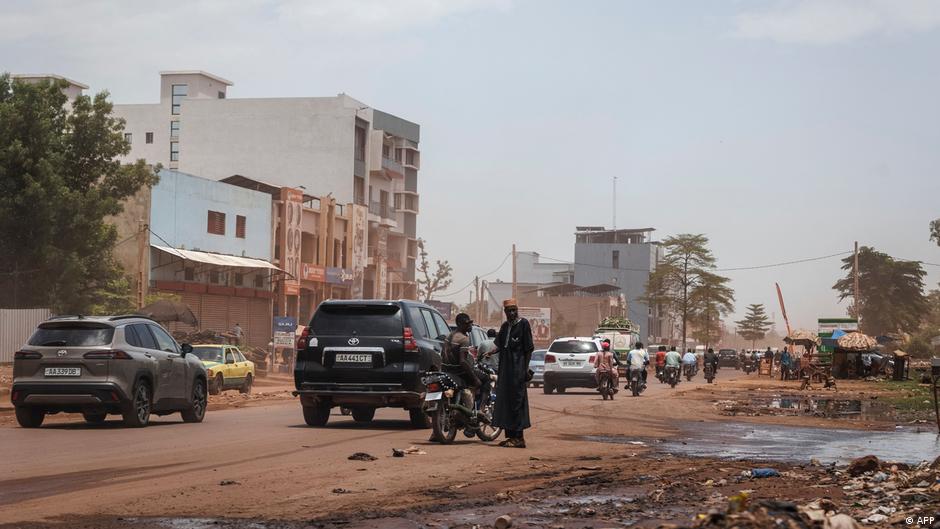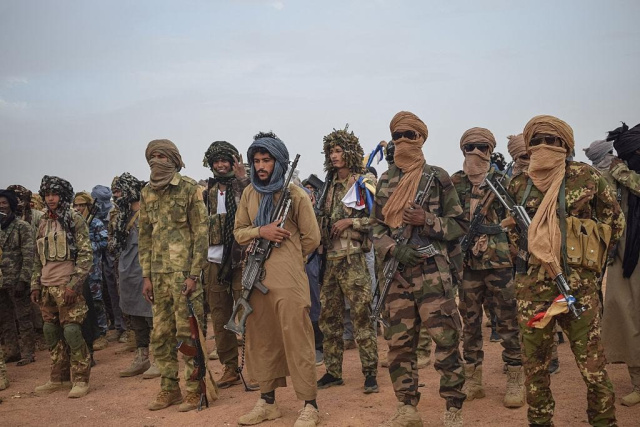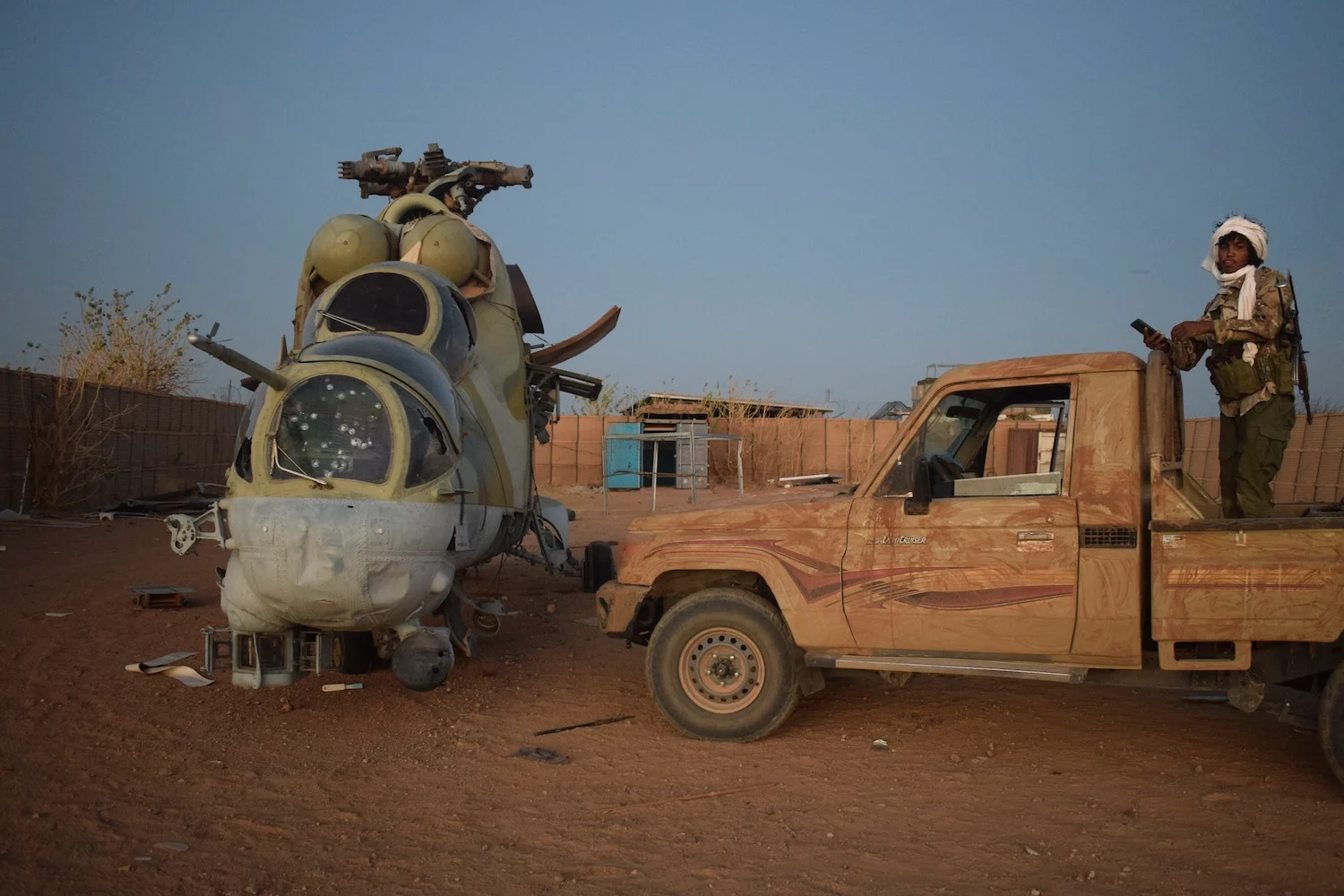
On April 25, a series of coordinated attacks shook military sites and cities across Mali, claiming the life of Defense Minister Sadio Camara, who had been considered a central player in the country’s security relationship with Russian forces. Jama’at Nusrat al-Islam wal-Muslimin (JNIM), an al Qaeda affiliate that has metastasized across the Sahel for years, and the Azawad Liberation Front (FLA), the Tuareg-led separatist movement operating primarily in Mali’s north, claimed responsibility for the attacks.
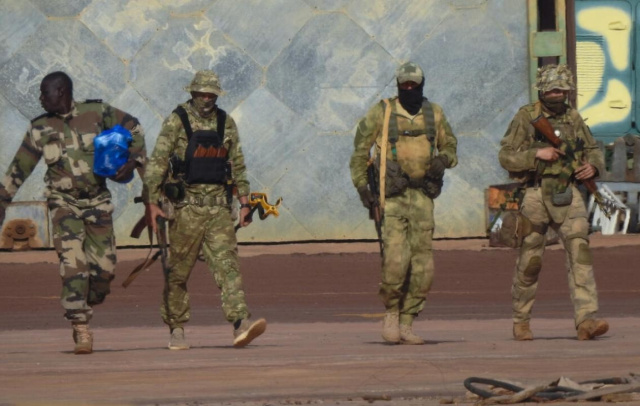
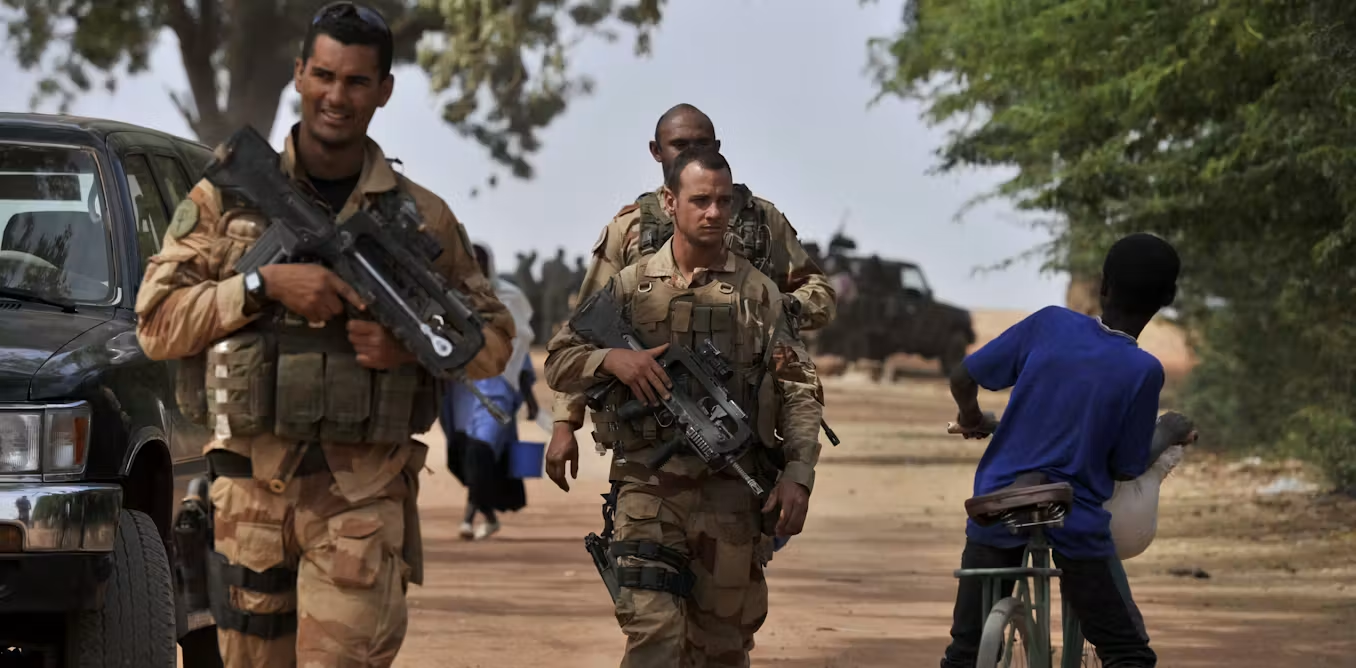
The scale and coordination of these operations by the two groups—one jihadi, one ethno-nationalist—was unprecedented, marking Mali’s most significant security crisis since the outbreak of civil war in 2012. Throughout the 2010s, French and United Nations counterterrorism forces struggled to contain rebel and jihadi violence. Frustration over deteriorating security and corruption helped bring Malian President Assimi Goita to power through coups in 2020 and 2021. Bamako then abandoned its long-standing security partnership with France and turned to Russia’s paramilitary Wagner Group—later rebranded as Africa Corps—for support.
On April 25, a series of coordinated attacks shook military sites and cities across Mali, claiming the life of Defense Minister Sadio Camara, who had been considered a central player in the country’s security relationship with Russian forces. Jama’at Nusrat al-Islam wal-Muslimin (JNIM), an al Qaeda affiliate that has metastasized across the Sahel for years, and the Azawad Liberation Front (FLA), the Tuareg-led separatist movement operating primarily in Mali’s north, claimed responsibility for the attacks.