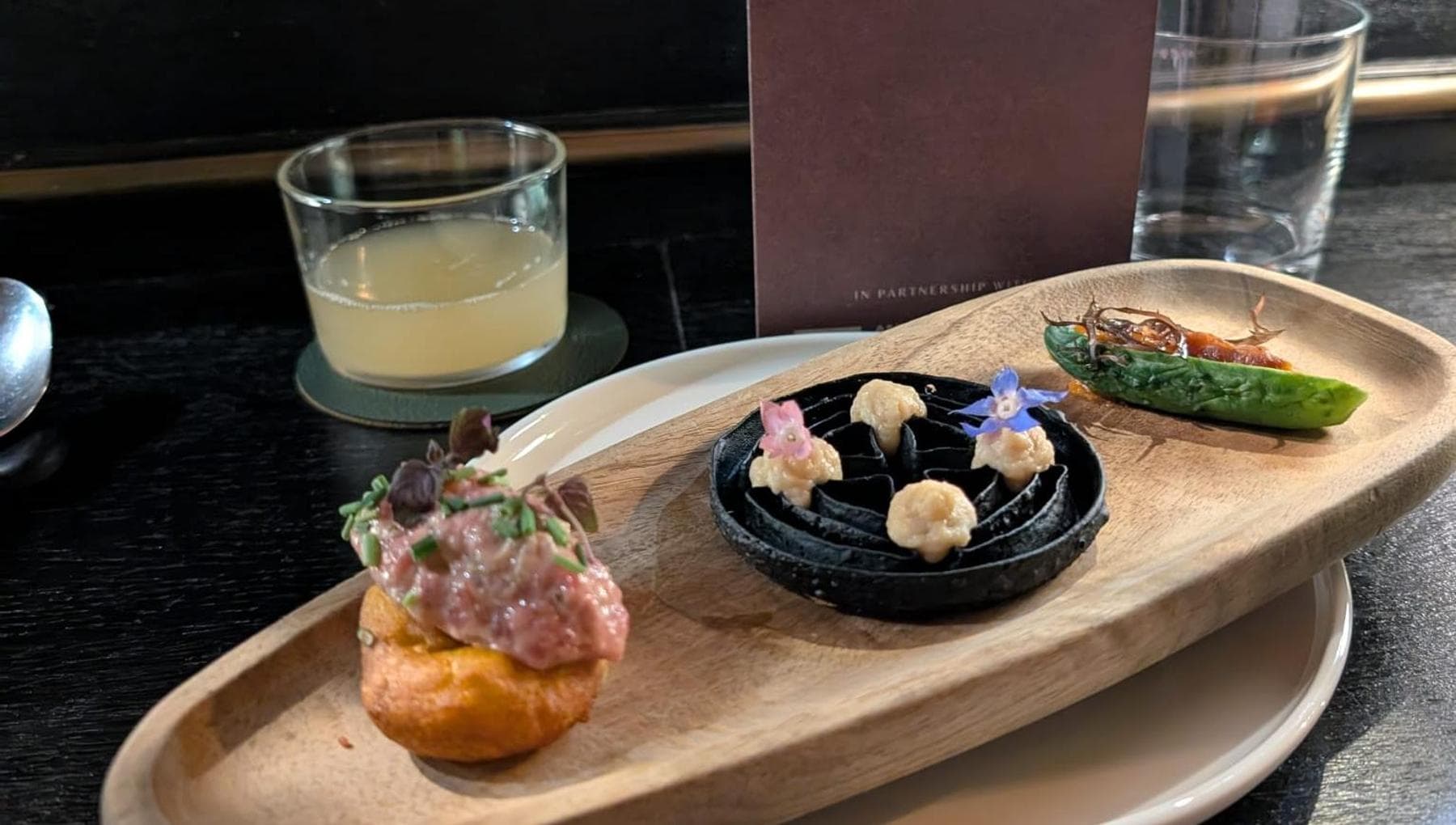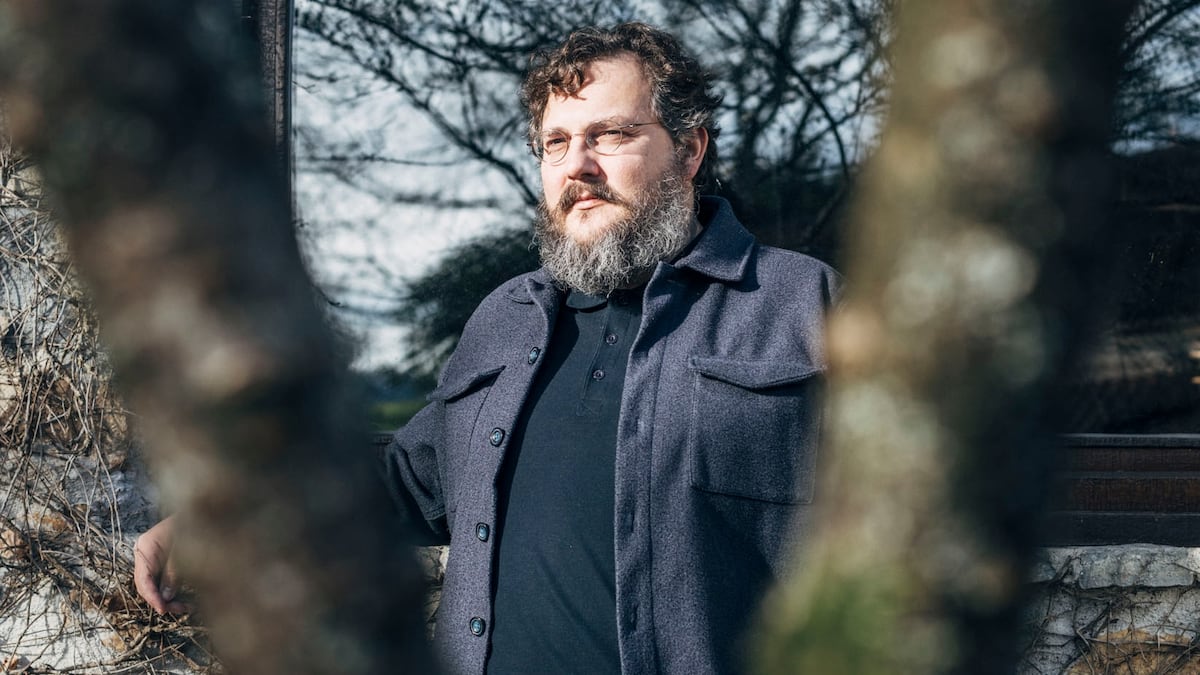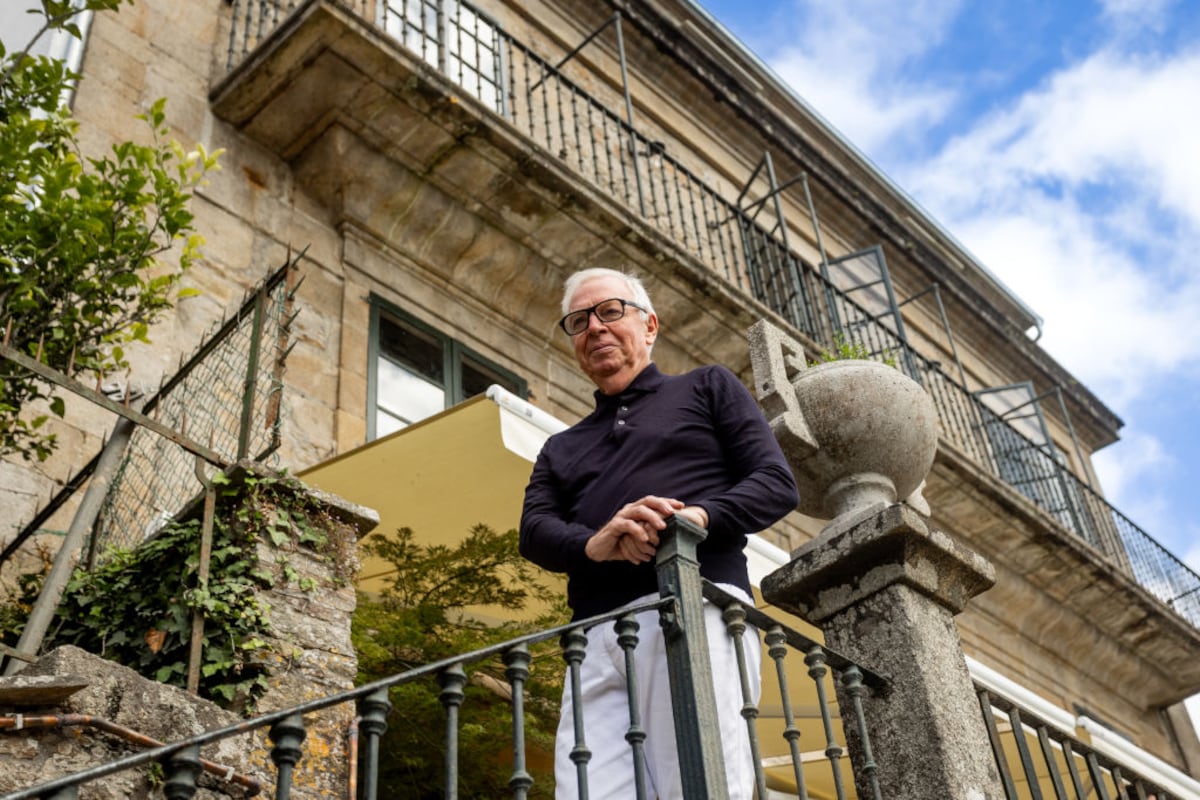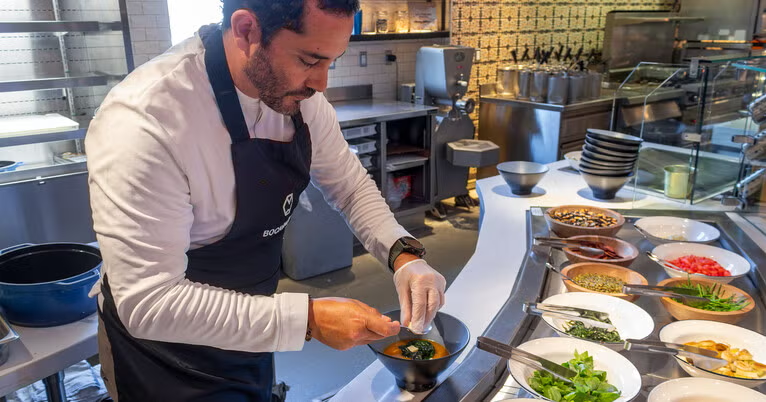
Ecuadorian chef Rodrigo Pacheco says he bears a responsibility that goes beyond preparing delicious food. He aims to use his culinary skills and creativity to promote sustainable cuisine and environmental conservation and generally be a force for positive change.“Cooking is the easy part,” he said. Pacheco, who is also founder of Foresta, a restaurant in Quito that serves dishes made of ingredients from his regenerated forest and prepared with ancestral cooking techniques, recently spent a weeklong residency at Yale, where he shared his unique culinary craft and philosophy with the local community and the staff of Yale Hospitality. “Yale is a remarkable institution that provides a great platform for people from across many fields to share their visions,” he said. “In my case, coming here to discuss my vision of sustainable gastronomy and the preservation of the ecosystems has connected me with scholars, students, and others who have a shared mission to protect nature.”
Pacheco visited a session of “What We Eat,” an undergraduate writing seminar on food studies that meets weekly at the Yale Farm.
Photo courtesy of the Yale MacMillan Center
Pacheco came to Yale through a program known as Global Table — a cross-campus collaboration between the MacMillan Center for International and Area Studies at Yale, Yale Hospitality, and the Yale Schwarzman Center – which explores how cuisine can be used to connect people across borders, promote cultural awareness, appreciate diverse perspectives, and create a shared sense of responsibility for the natural world.A nature-based chef, Pacheco directs Bocavaldivia Research and Development Restaurant, an enterprise he founded in Puerto Cayo on Ecuador’s Pacific coast that approaches food and hospitality as a means to connect people and protect the planet. He offers guests innovative tasting menus and immersive experiences, including angling with local fishermen and hiking through a cloud forest, to teach them about the region’s Indigenous cultures, biodiversity, and ecosystems. “I built an open-fire kitchen in the middle of the forest,” he said “The pantry is alive. All the ingredients are there. We’re almost 100% sustainable. If you come for a meal, we will go fishing for you, we will forage for you, and we will harvest for you. We create our own plates out of ceramics.”Through Bocavaldivia, Pacheco has transformed 150 hectares of previously deteriorated land into a thriving “biodiverse edible forest” — a corridor of regenerated wilderness that produces edible native species of fruits, vegetables, and herbs, and protects howler monkeys, red-faced parakeets, and other endangered animal species.