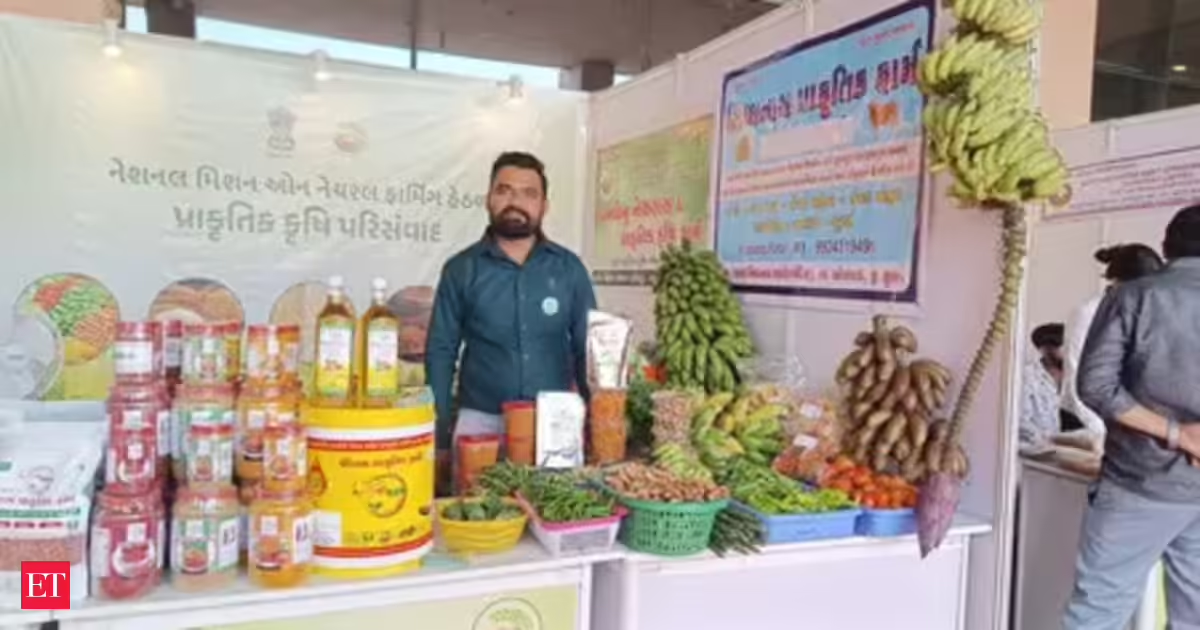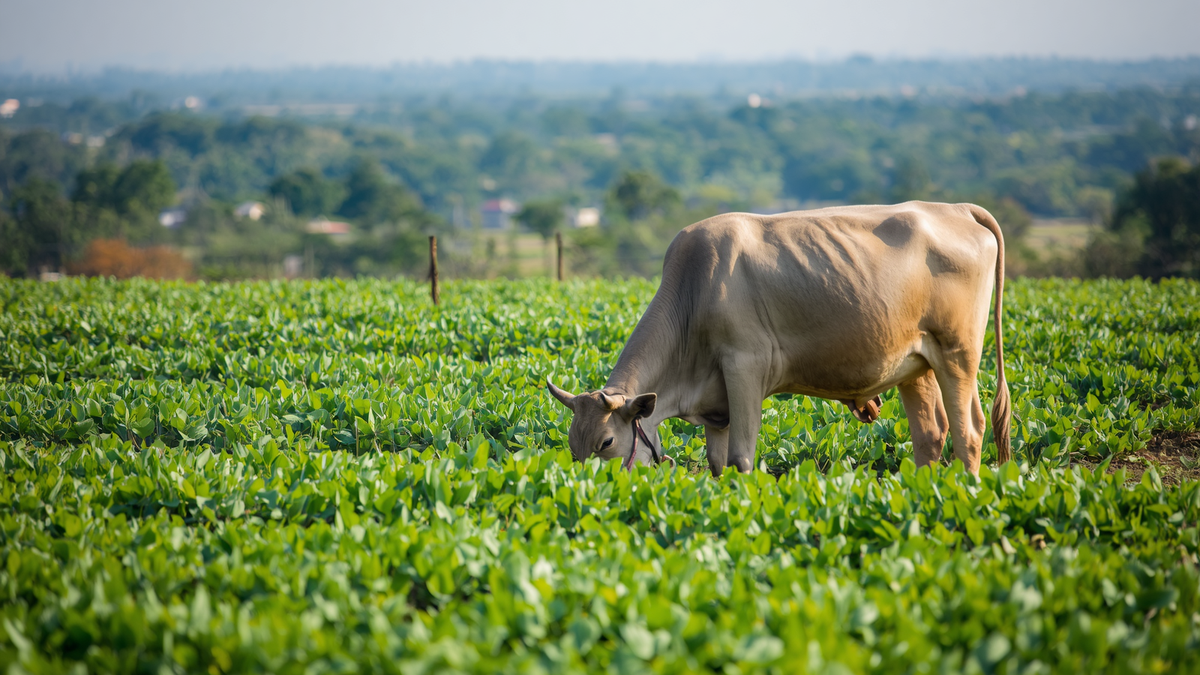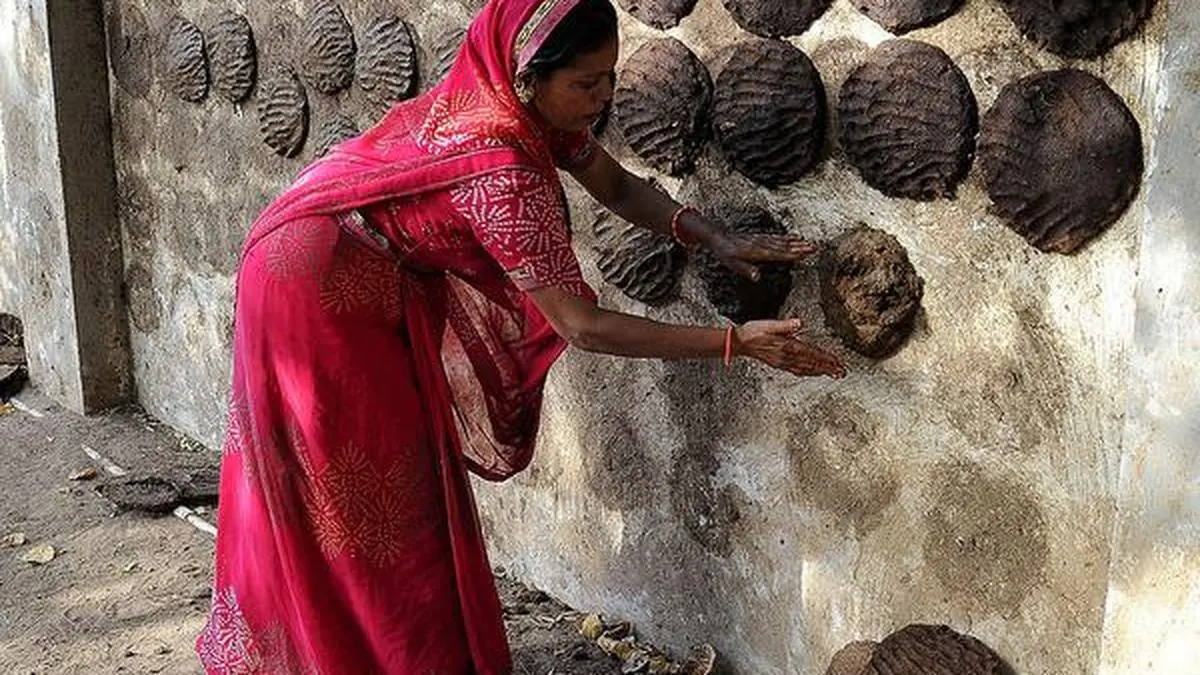
Surat may be synonymous with diamonds and textiles, but a farmer producer organisation (FPO) based in Bardoli in the district is attempting to build a parallel identity for the district, as a hub for natural farming inputs.The PBM Surat SPNF Producer Company has quietly built a ₹2-crore business around ‘Ghanjeevamrut’, a microbial-rich bio-input increasingly being adopted by farmers shifting away from chemical fertilisers.The FPO, led by Kamlesh Patel, now plans to expand operations into Patan and Surendranagar districts after demand surged over the past two years.Speaking to businessline, Patel said the FPO sold 90,000 bags of Ghanjeevamrut last year and is targeting sales of 1.3 lakh bags this year. Each bag weighs 40 kg. Though the company also markets liquid Jeevamrut in 20-litre packs, volumes remain relatively small.For farmers adopting natural farming practices, Ghanjeevamrut and Jeevamrut have emerged as key substitutes for chemical fertilisers. Beyond nutrient supply, the formulations are also seen as soil restorers because of their high microbial content.Ghanjeevamrut is prepared by fermenting and drying a mixture of dung and urine from indigenous cattle breeds along with jaggery, gram flour and mahua flowers. The formulation is rich in microbes that help unlock nutrients such as nitrogen, phosphorus, calcium and micronutrients in the soil.Jeevamrut, the liquid variant, uses the same ingredients mixed with water and is known to improve earthworm activity and soil biology.Patel said maintaining production quality remains labour-intensive. “Though the FPO has got a capacity to produce 800-1,000 bags, sometimes it got hampered when labour do not turn up. Everything has to be manually done with proper care so that mixure of exact quantity of each ingredient is ensured,” he said.The FPO, started in 2021, saw business traction only from 2024 onwards as awareness around chemical-free farming improved. Patel said the company first surveyed farmers in Surat district before persuading them to adopt the bio-inputs. The Centre’s continued push for non-chemical agriculture has also helped build acceptance among both farmers and consumers.Despite having around 750 farmer-members, the FPO sources most of its raw material requirements from a single gaushala housing more than 4,000 cows. Patel said cow dung is procured at ₹1.50 per kg, while Jeevamrut is sold at ₹100 for a 20-litre pack and Ghanjeevamrut at ₹240 for a 40-kg bag.Among the adopters is Patel Fenilkumar Jayesh, who cultivated sugarcane and vegetables across 30 acres last year, including seven acres owned by him. Of the total area, 20 acres were under fully natural farming while limited fertiliser use continued on the remaining land.“Though the sugar mills are not paying higher even for the chemical-free sugarcane, the cost of cultivation is much cheaper when we apply Ghanjeevamrut. For the vegetables that I grow, the rates are marginally higher from he produce grown with chemical fertilisers as consumers are ready to pay more,” said Jayesh.Farmers practising natural farming often acknowledge that yields may initially be marginally lower than conventional cultivation. But lower input costs and premium pricing for residue-free produce are increasingly improving farm economics.The growing demand for such bio-inputs comes as the government sharpens its focus on natural farming. Till August 2025, 5.45 lakh hectares had been brought under the National Mission on Natural Farming, including 19,162 hectares in Gujarat.Published on May 20, 2026
Surat FPO turns cow-dung based bio-inputs into natural farming business
The PBM Surat SPNF Producer Company has quietly built a ₹2-crore business around ‘Ghanjeevamrut’, a microbial-rich bio-input increasingly being adopted by farmers shifting away from chemical fertilisers.
537 words~2 min read