Google's latest announcements for agentic AI are more than just a new model. The release of Gemini 3.5 Flash and the Antigravity 2.0 development platform signals a shift from prompt-driven exploration to a more grounded, local-first engineering workflow for building agents. This matters because it changes the development loop from a slow, cloud-based iteration cycle to a faster, more tangible one on your own machine.
what changed: a fast model and a local orchestrator
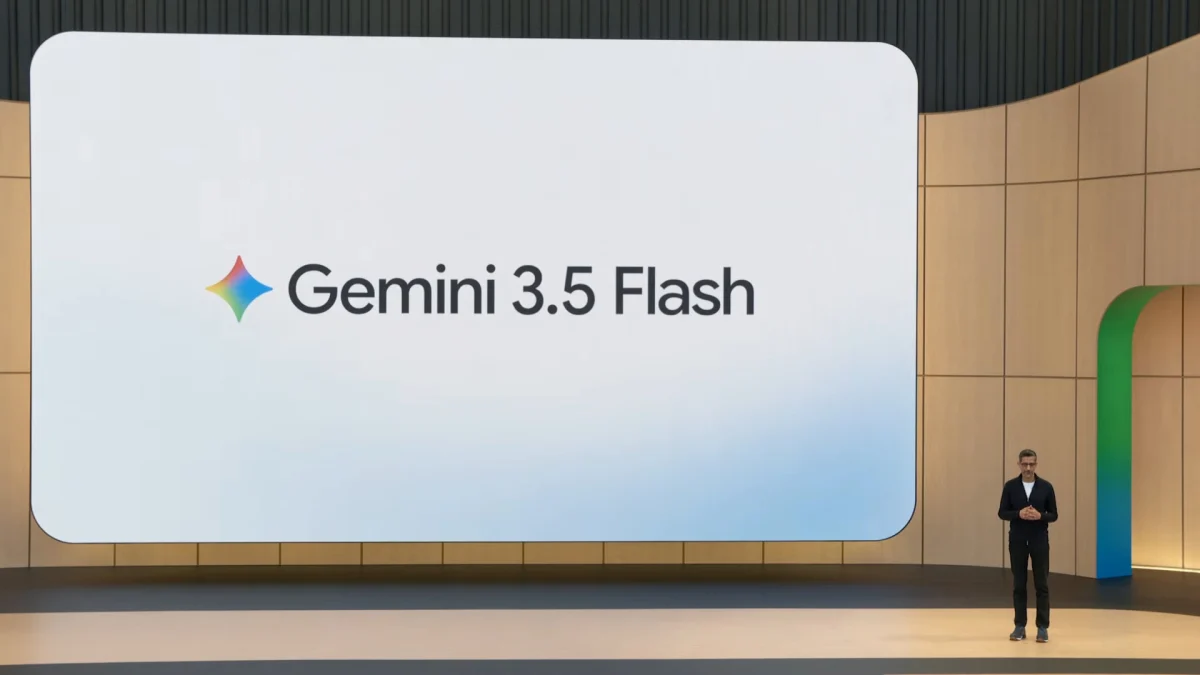
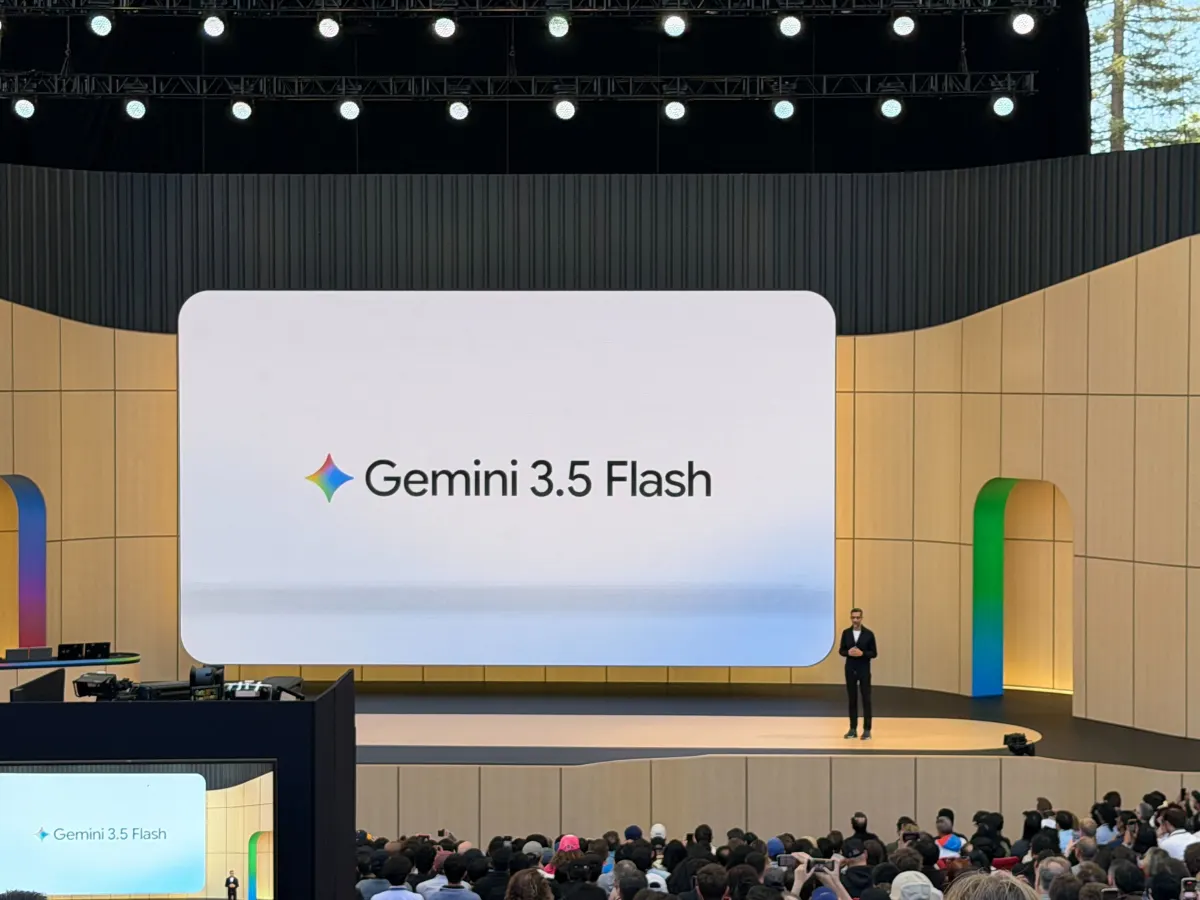
Two main components define this shift. First is Gemini 3.5 Flash, a new model engineered for speed and efficiency in agentic workflows. It reportedly outperforms Gemini 3.1 Pro on most benchmarks while running significantly faster. This model is positioned as the high-speed engine needed for agents that must perform complex, long-horizon tasks with low latency.
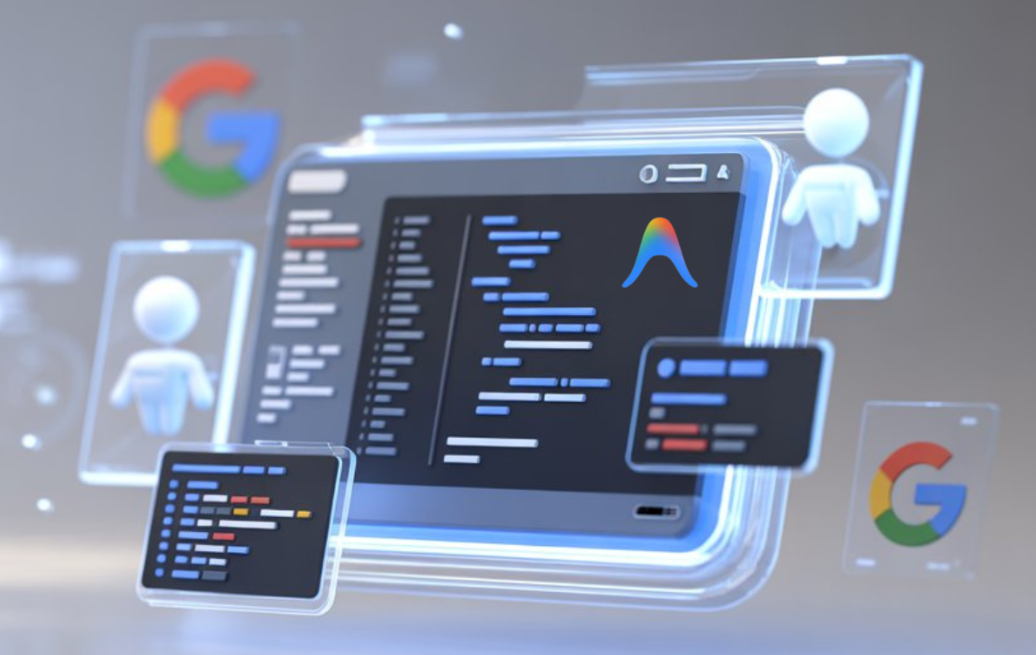
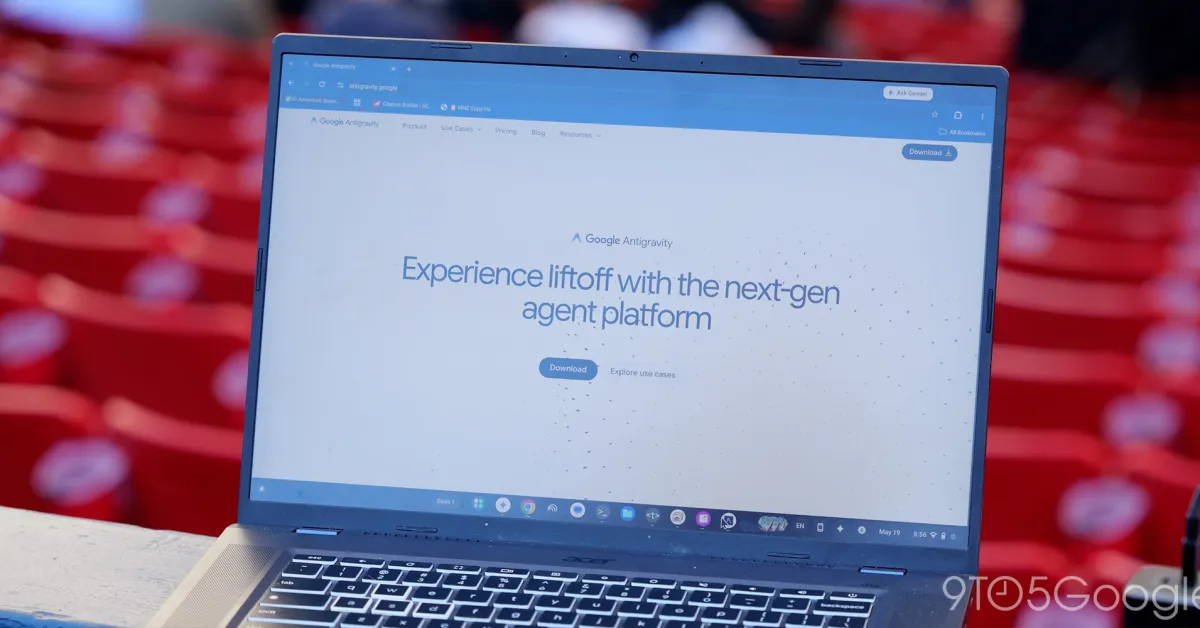
The second, and more significant, piece is Antigravity 2.0. This is not just an API update; it's a standalone desktop application designed to be a central hub for agent interaction and orchestration. The platform is designed for developers to take an idea and build a production-ready application. This local-first approach allows for managing multiple agents in parallel, scheduling background tasks, and integrating directly with tools like Google AI Studio, Android, and Firebase.