With expanded Antigravity platform, Google accelerates agent-native software development
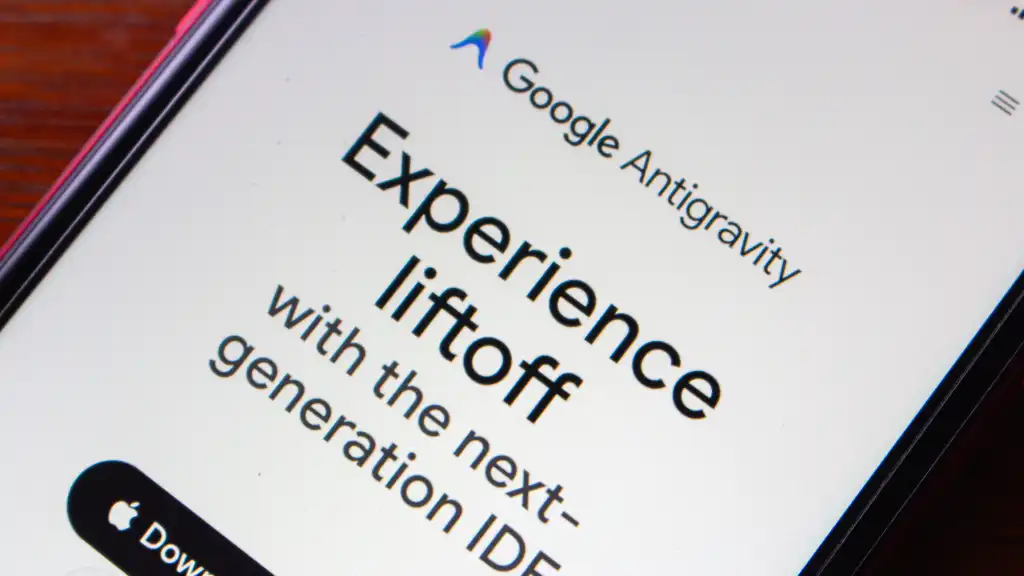
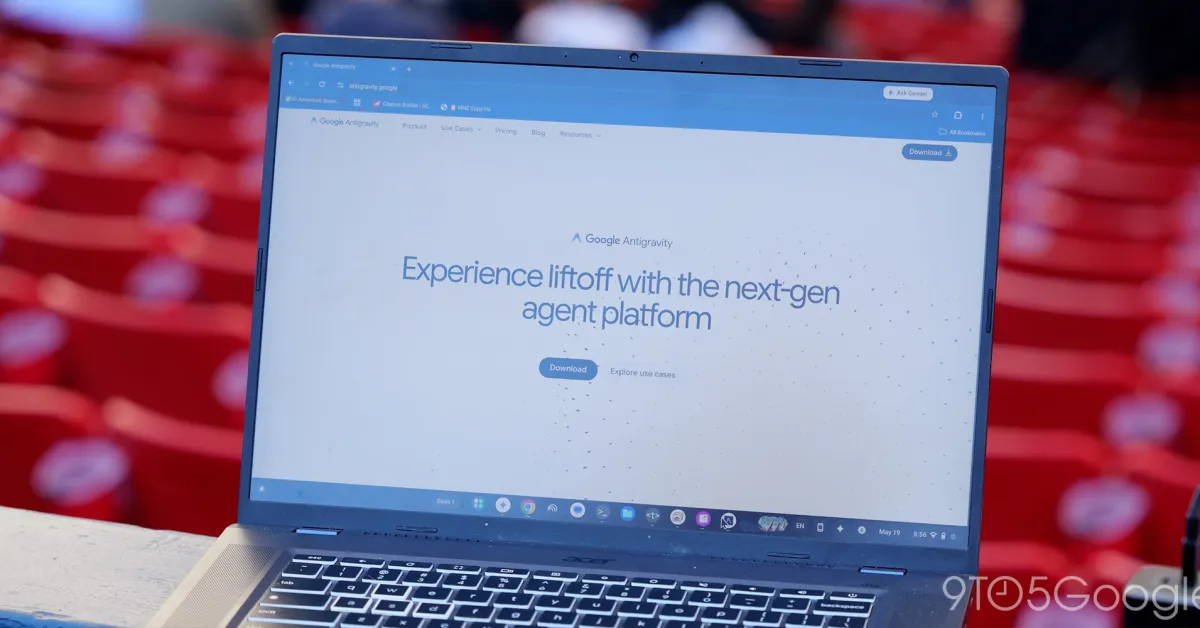
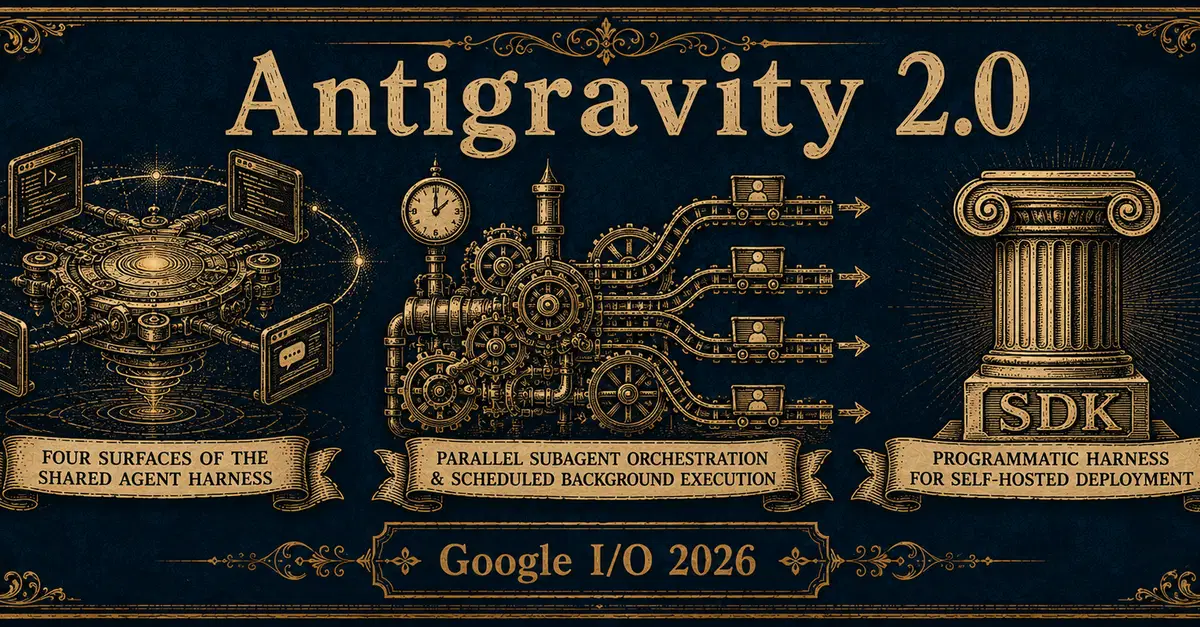
Google Cloud is enhancing its “agent-first” coding platform for developers with the launch of Antigravity 2.0, a new standalone desktop application that enables a full “agent-optimized” user experience.
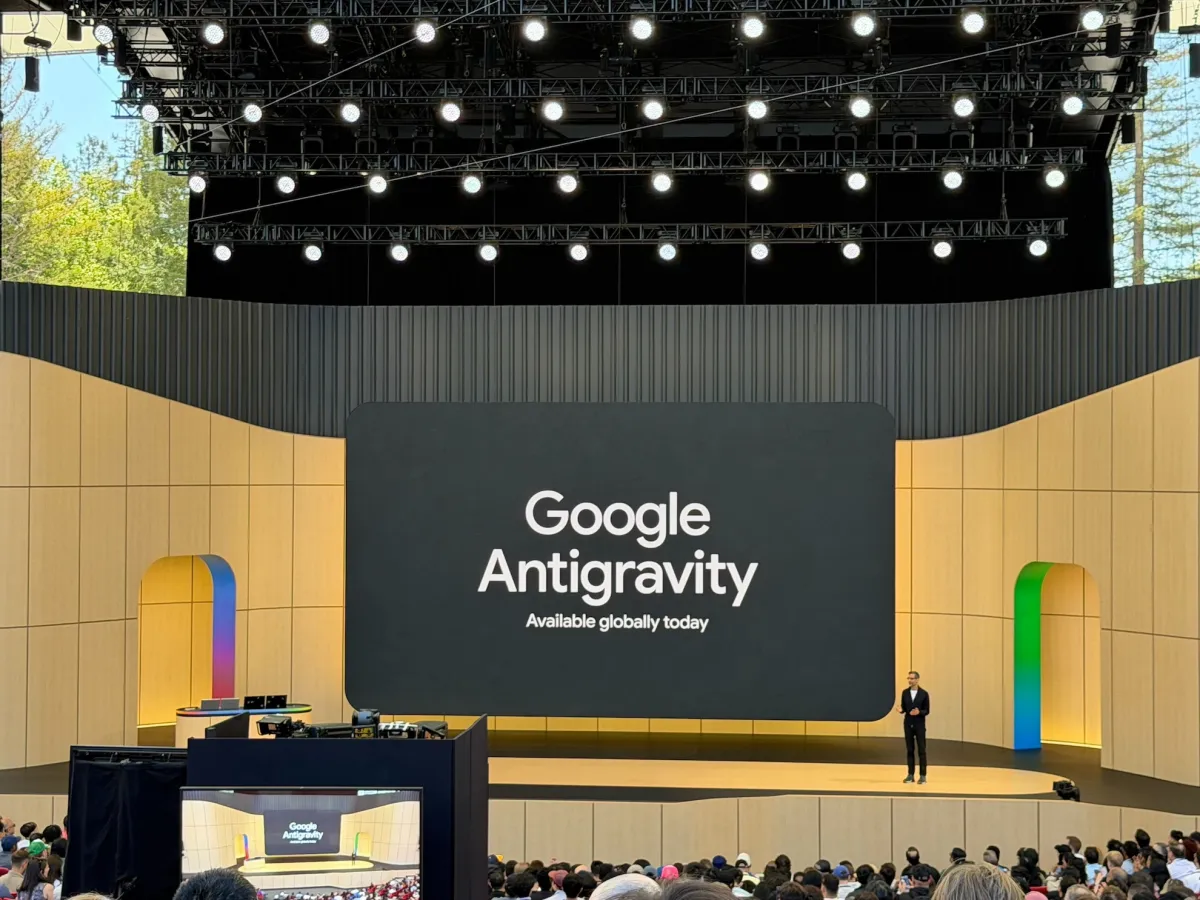
It comes alongside the debut of Managed Agents in the Gemini application programming interface and native Android vibe coding in Google AI Studio, which were also announced today. The updates arrived during Google I/O today, building upon November’s launch of the original Antigravity platform that’s designed to support artificial intelligence automation at a higher, task-oriented level.
With Antigravity, AI evolves from an assistant to a true collaborator that’s able to work on its own initiative and with minimal supervision. The platform takes the appearance of a standard coding environment, but it’s peppered with AI agents that can access everything from the editor to the terminal and even an integrated web browser. This means they have all of the tools required to autonomously plan and execute complex programming tasks.
The original Antigravity was powered primarily by Gemini 3 Pro, later upgraded to Gemini 3.1 Pro, and from today, users will now have access to Google’s most advanced Gemini 3.5 Flash model. In a blog post, Google DeepMind Director of Software Engineering Varun Mohan noted that 3.5 Flash outperforms Gemini 3.1 Pro on almost all coding benchmarks while running four times faster than any other frontier model, giving developers the “high-speed engine needed for real-world agentic workflows.”