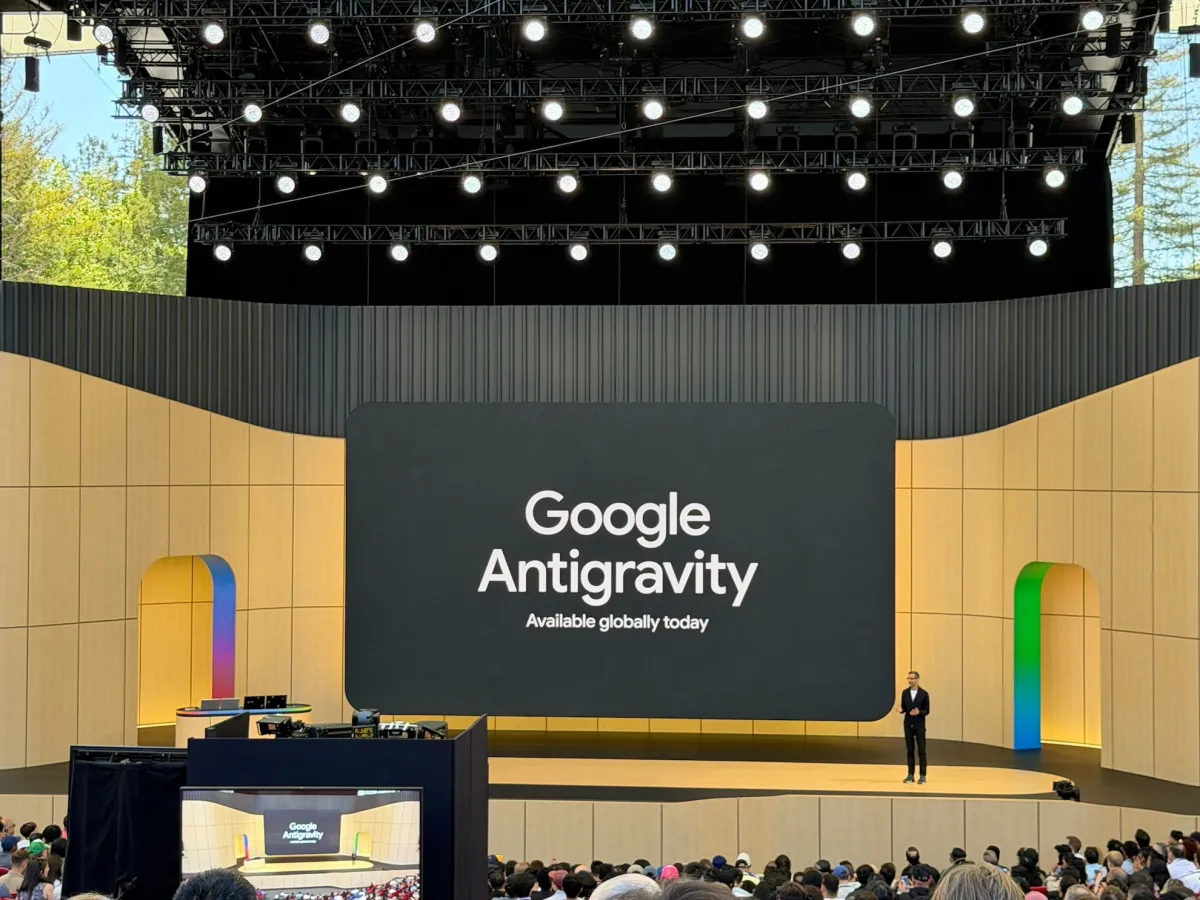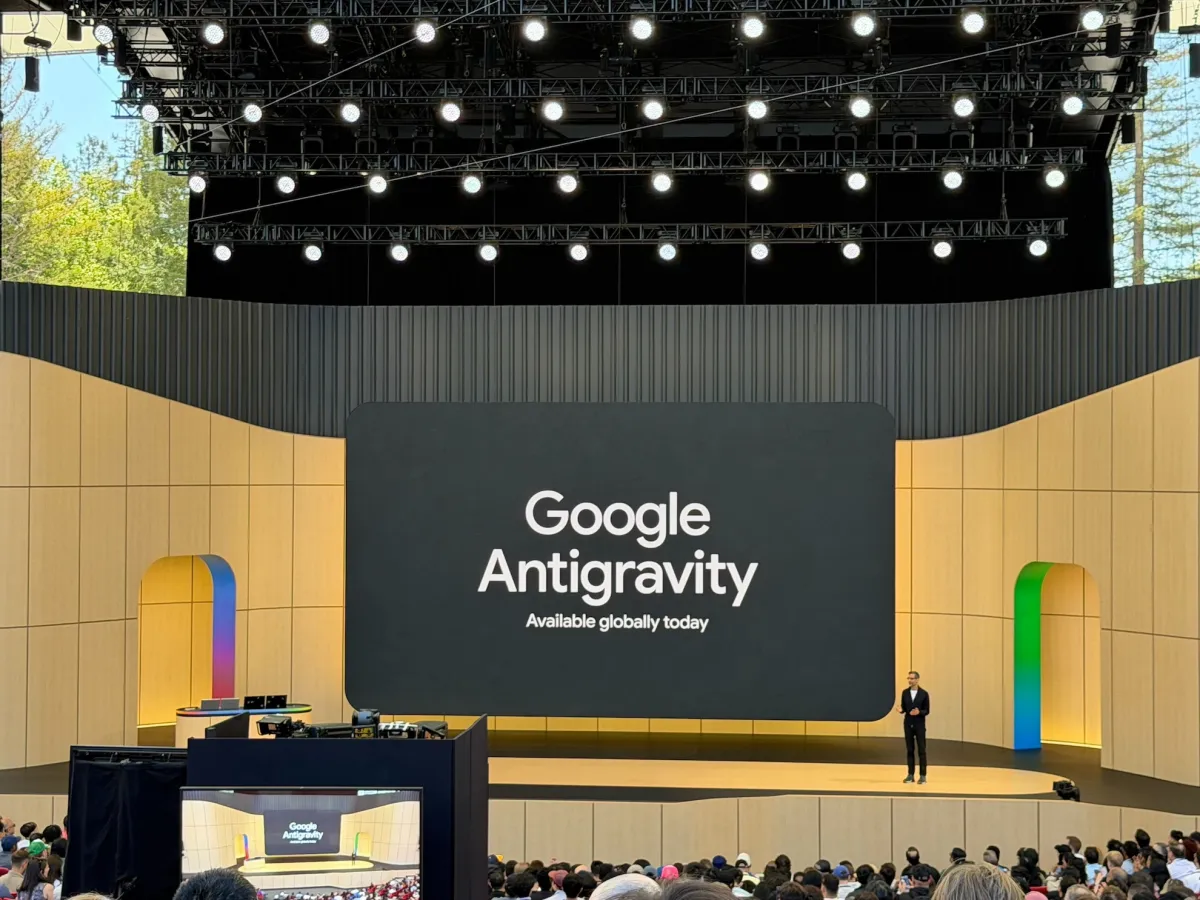
Google used its I/O 2026 developer keynote to ship a meaningful architectural shift in how it packages AI-assisted development. The company announced Google Antigravity 2.0 — a standalone desktop application built entirely around agent orchestration alongside an Antigravity CLI, an Antigravity SDK, Managed Agents in the Gemini API, and enterprise support through the Gemini Enterprise Agent Platform. So, basically Google is moving its developer tooling away from IDE-centric assistance and toward multi-agent workflow management as the primary abstraction.
What is Antigravity 2.0
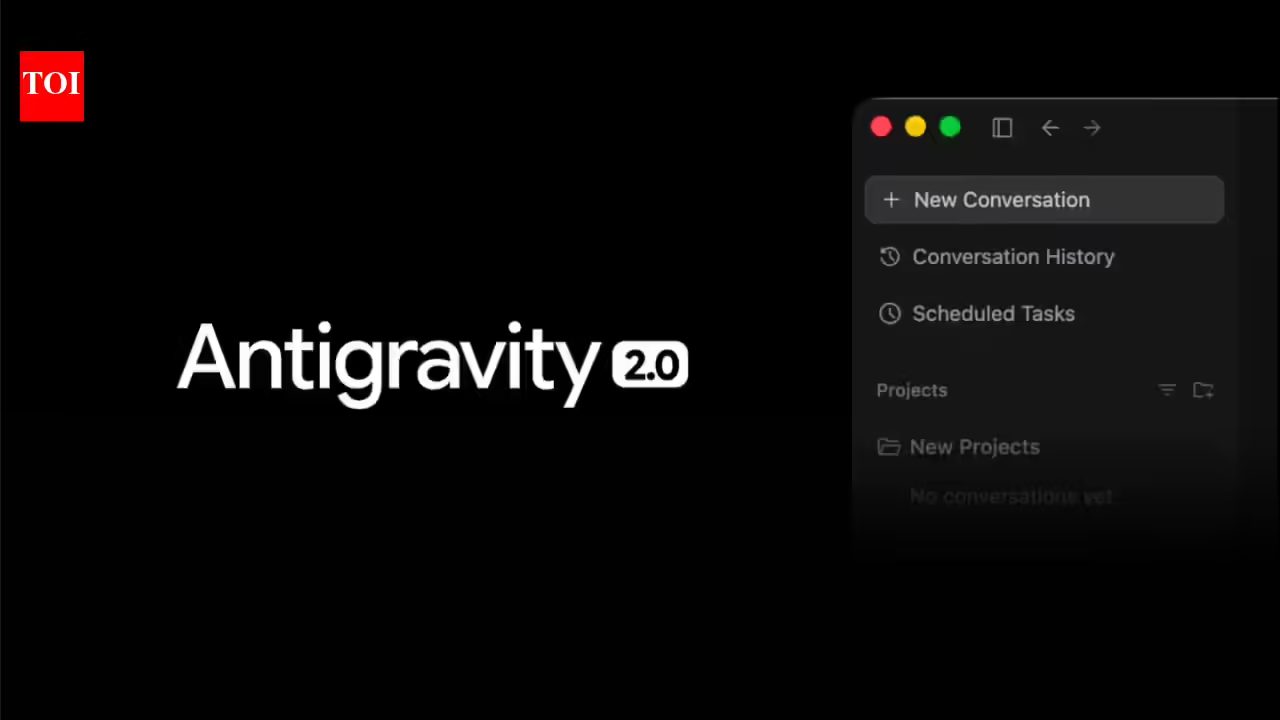
Google Antigravity is the agent-first development platform for taking an idea and turning it into a production-ready app. Version 2.0 is a new standalone desktop application, separate from the existing Antigravity IDE, designed fully around an agent-optimized experience. It acts as a base for agent interaction, allowing developers to orchestrate multiple agents and execute tasks in parallel. The application also features dynamic subagents for parallelized workflows, scheduled tasks for background automation, and ecosystem integrations across Google AI Studio, Android, and Firebase.
The scheduled tasks capability is practically significant: rather than manually prompting an agent each time, developers can define tasks that invoke agents automatically in the background — converting the agent from a single-turn tool into something closer to a persistent automation pipeline. Google also added native voice command support to Antigravity, consistent with similar additions to consumer products like Gmail and Docs.