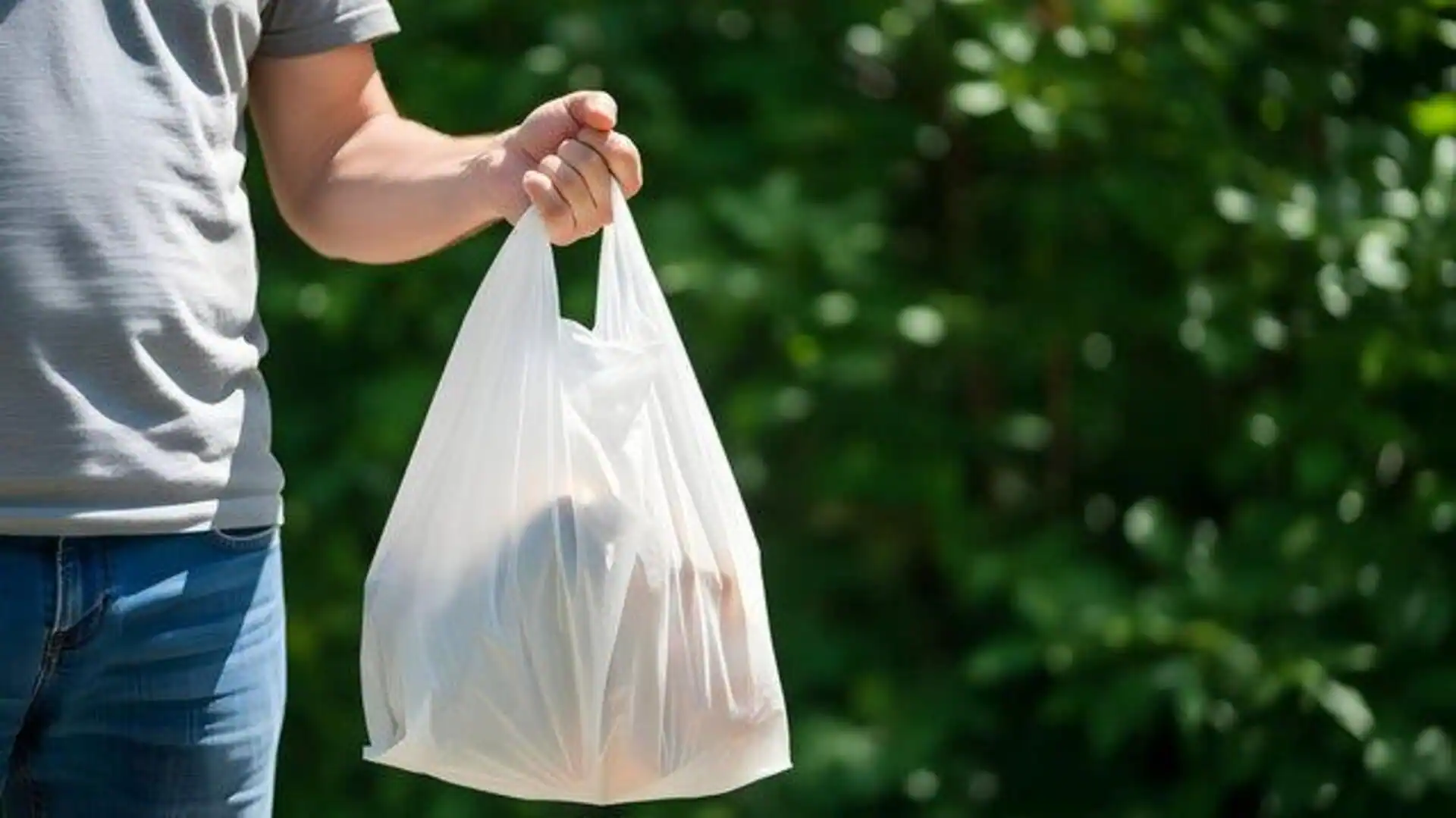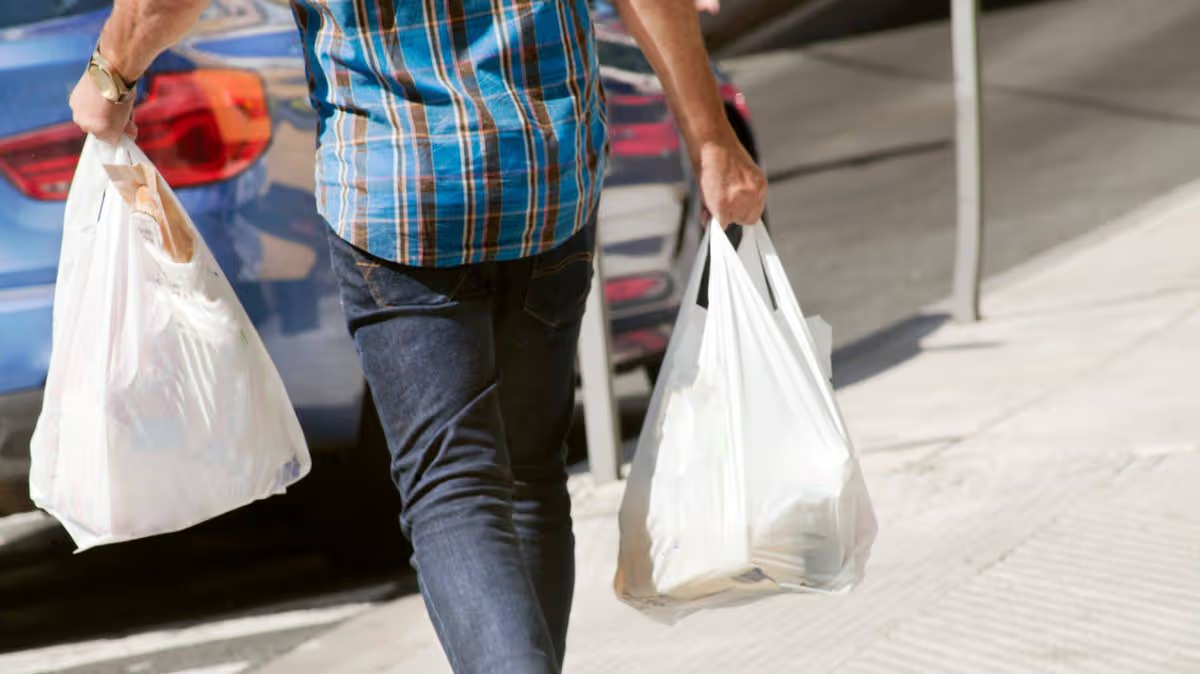
NEW YORK (AP) — Soft, stretchy plastics can make up grocery bags, bubble wrap and more. They’re impossible to avoid and harder still to properly dispose of.If thrown in the trash, they can take up to hundreds of years to degrade in landfills and release harmful microplastics into the environment. Over 3 million tons (2.7 metric tons) of plastic bags, sacks and wraps in the United States went to landfills in 2018, according to the Environmental Protection Agency.
Recycling plastic grocery bags can jam up machinery, but there are other ways to get rid of them.
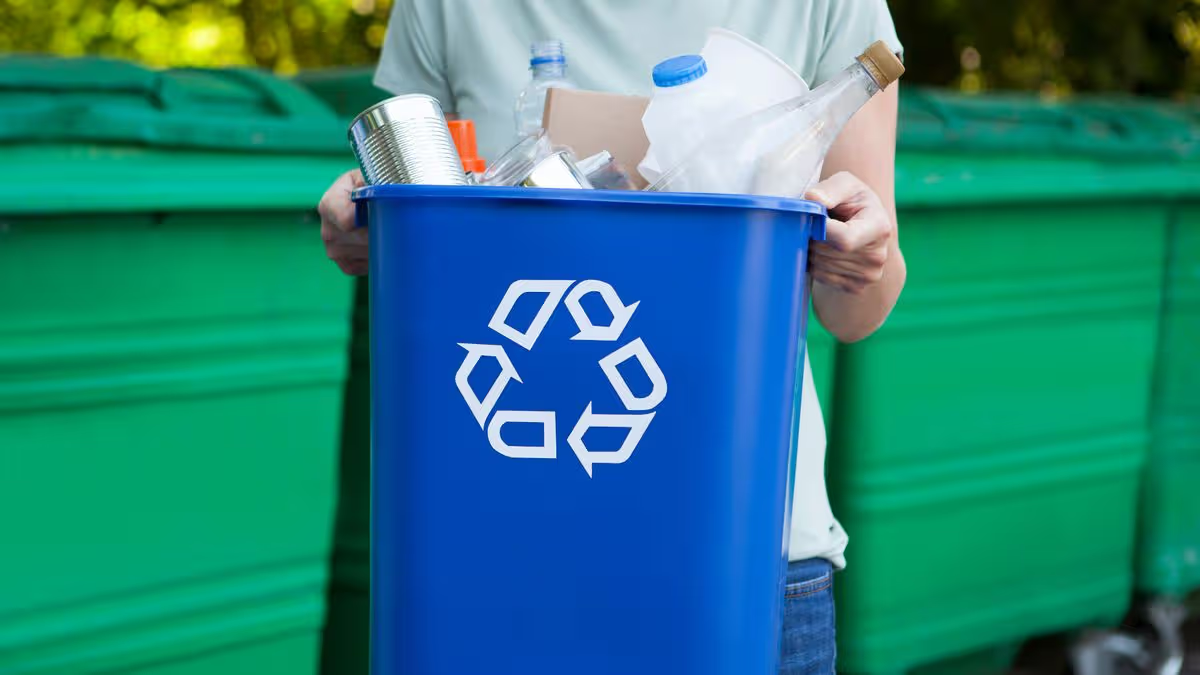
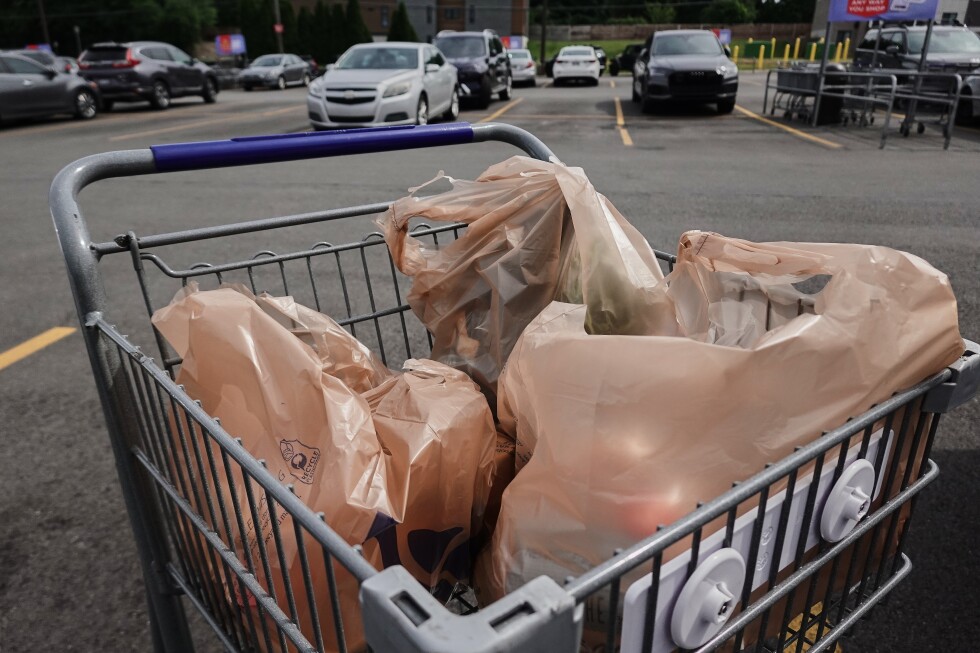
Grocery bags dumped in curbside recycling bins, on the other hand, can create problems for recycling.“Once they get shredded or even before, a lot of times they just clog recycling equipment,” said Delaware-based chemical engineering expert and science communicator Erha Andini.Learning how to manage such plastics is worthwhile, as there likely won’t be a slowdown in production anytime soon: negotiations for a global plastic treaty have stalled in recent years, with the U.S. and other oil-producing countries resisting any limits on the production of plastics, which are made predominantly from oil.
Disposing of these flexible products, known as plastic films, can differ based on which ones you have and where you’re located.While it’s difficult to live a plastic-free life, there are simple ways to get rid of the most common culprits, as well as other ways you can make a difference.“It’s a problem of volume,” said Gary Dusek, founder of Precious Plastic NYC. “So literally the tiniest thing definitely moves the needle.”