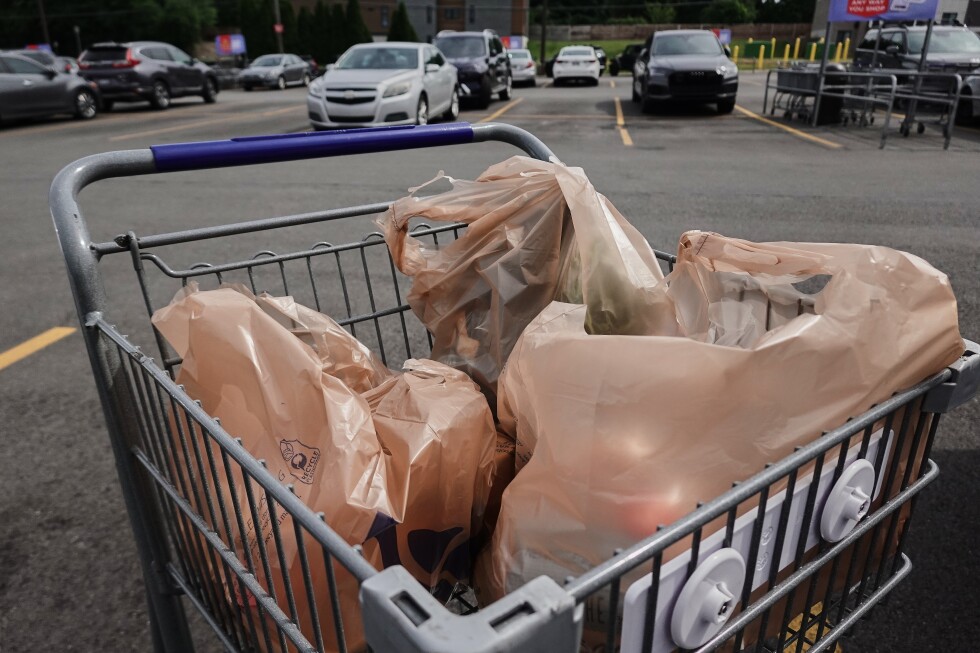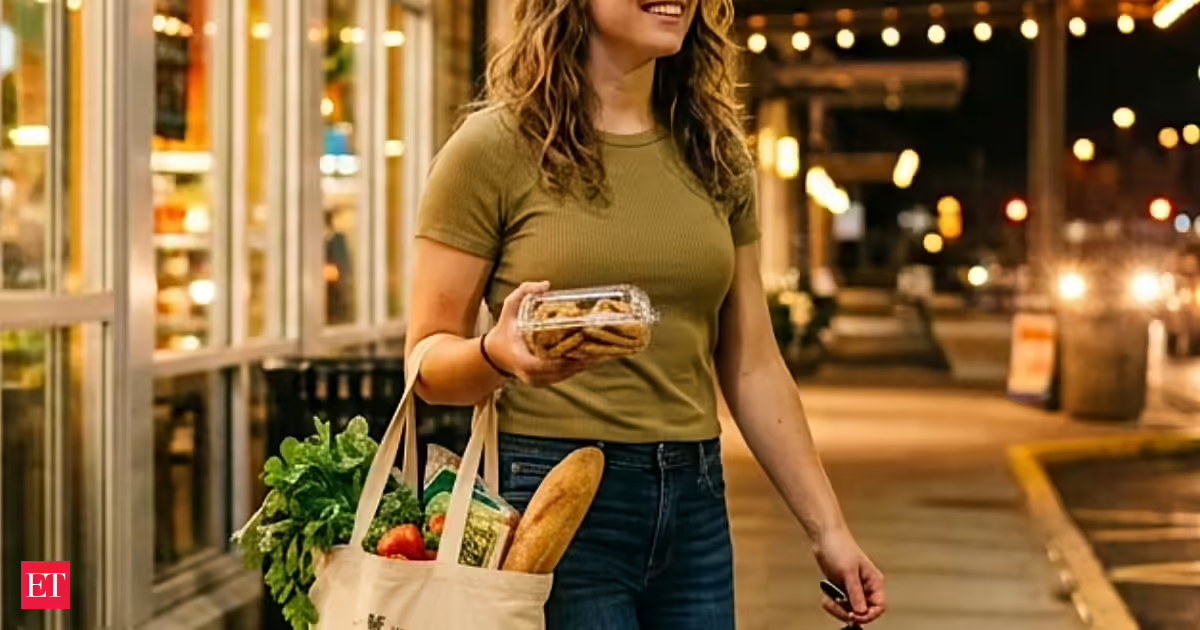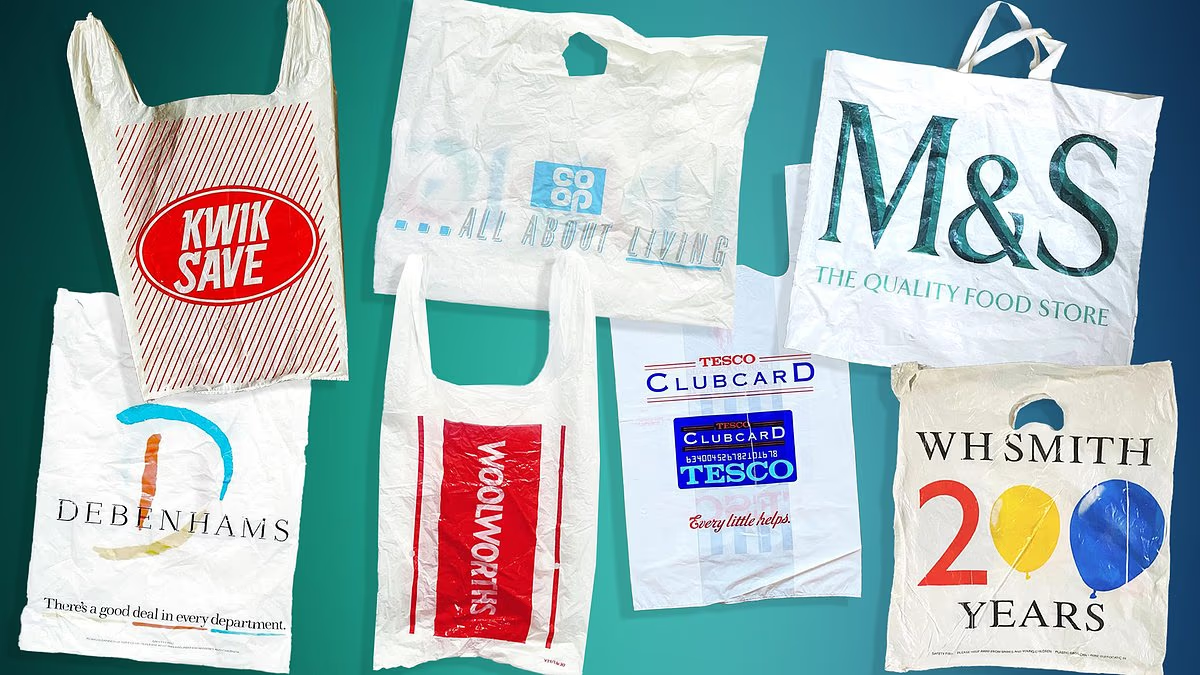
A trip to the grocery store often feels mechanical: you go in, grab your usual list of necessities, pack them up, then head home to unload. But the truth is, each decision we make inside the store impacts both our own lives and the planet. From the types of fruits, vegetables and other foods we choose to buy to how far we travel to get our groceries, every choice carries an ecological footprint. Even the bags we use to pack our items matter.
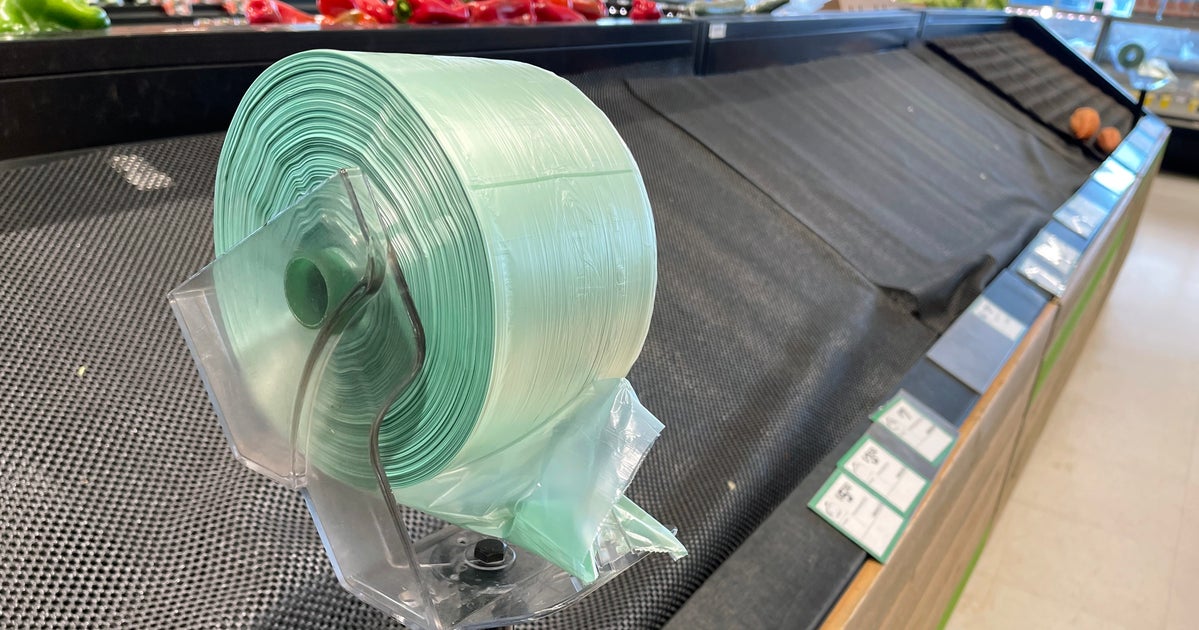
Speaking of the latter, while much has been said about bans on plastic checkout bags, few people discuss the potential impact of produce sacks — the ones on a roll used for fruits and vegetables inside the store. These bags come in two main varieties, each with its own implications.
Standard plastic produce bags are completely clear, shiny and very thin, while compostable or biodegradable versions feel slightly crinkly, are a bit thicker and often appear opaque with a faint green or beige tint. They are usually labeled “compostable” or “biodegradable.”
It turns out that the bag you choose can have an impact on your shopping experience, the life of your groceries and the environment. That’s why we asked grocery store experts to break down everything you need to know about produce bags on a roll, from how to use them to the subtle differences that matter for both you and the planet. Here’s what we learned.