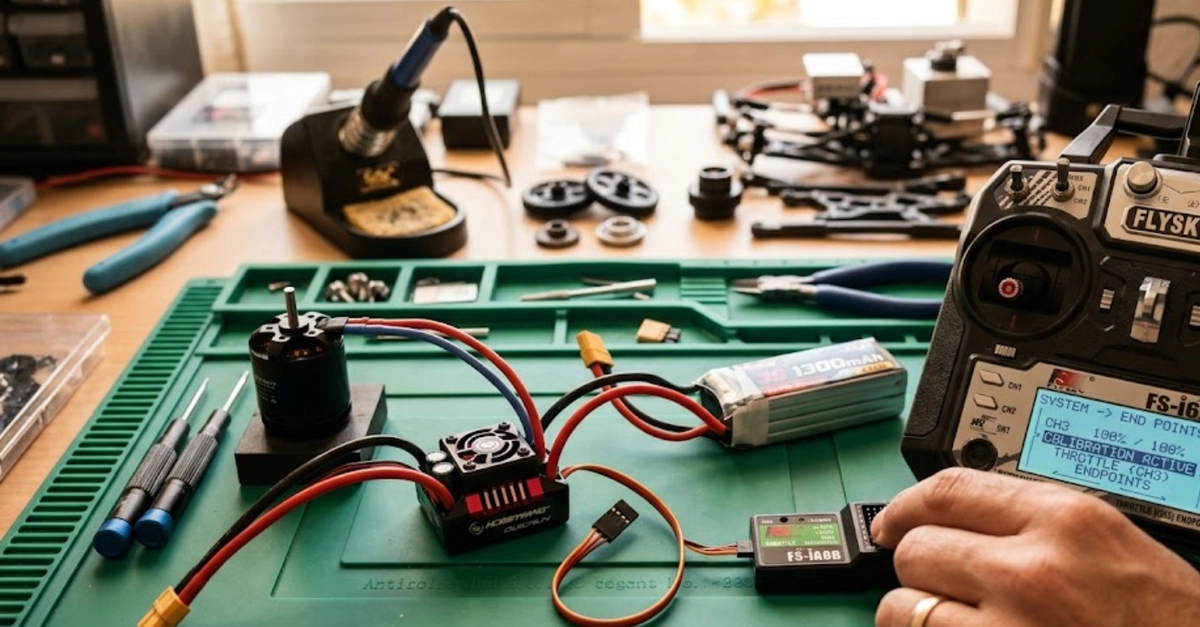
When building automated kinetic maintenance hardware for delicate micro-mechanical systems (like luxury watch calibers), most engineers stop at the basic motor loop. They spin up a generic permanent magnet DC motor or a cheap stepper running on a continuous digitalWrite() delay toggle.
However, when you audit the physical implementation under an oscilloscope and a thermal imaging camera, two critical systemic failures emerge: low-frequency step-pulse resonance and localized thermal dissipation (Joule heating).
If your micro-controller is outputting un-calibrated, jagged square waves, you aren’t just rotating a mechanical weight; you are inducing micro-vibrations that travel directly up the balance pivots, potentially magnifying mainspring bridle friction and accelerating component fatigue.
Here is how we can resolve these electromagnetic and mechanical bottlenecks at the firmware and driver level.
The Bottleneck: Harmonic Resonance & Chopper Noise