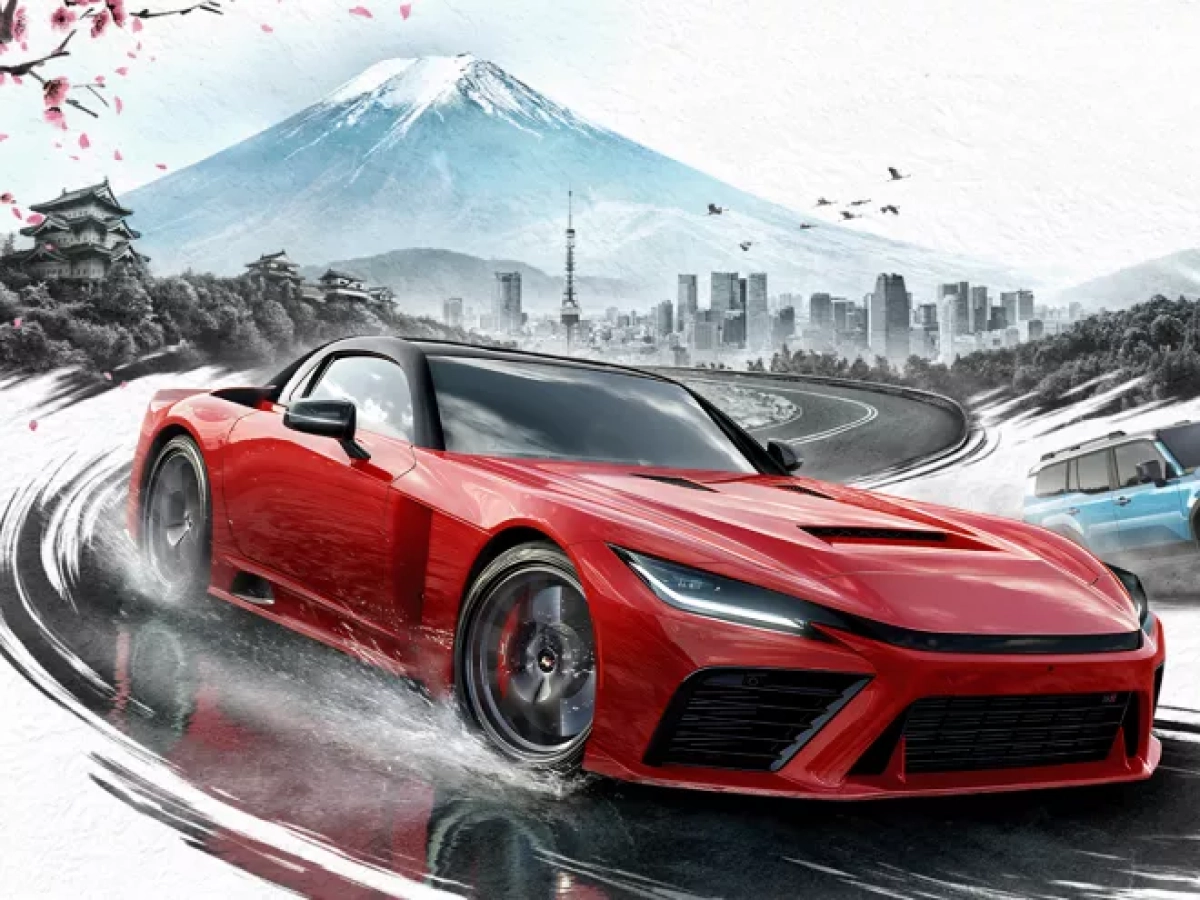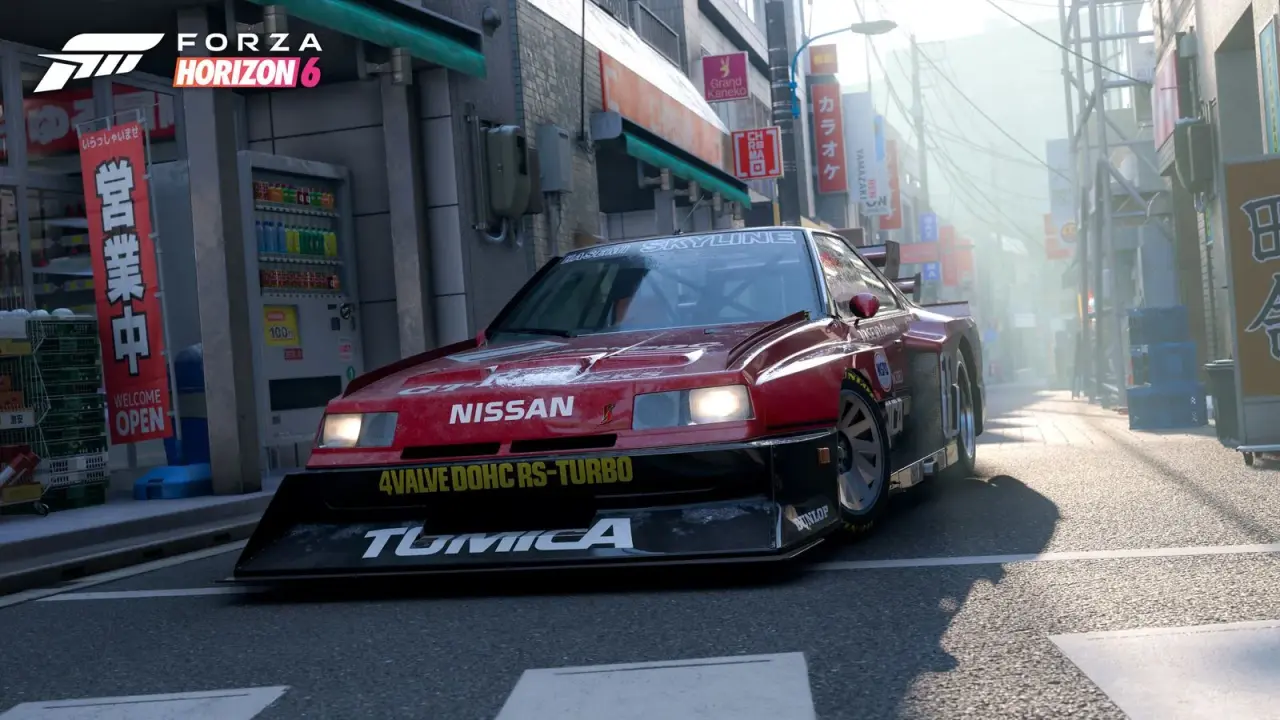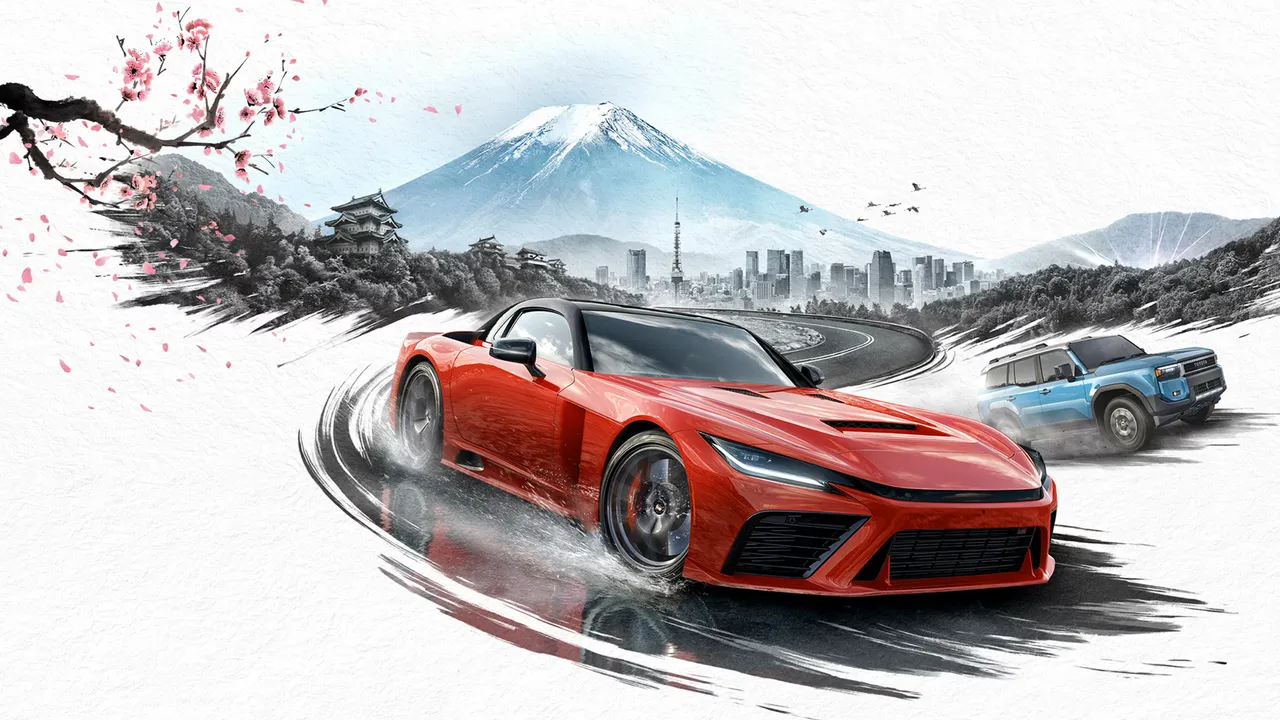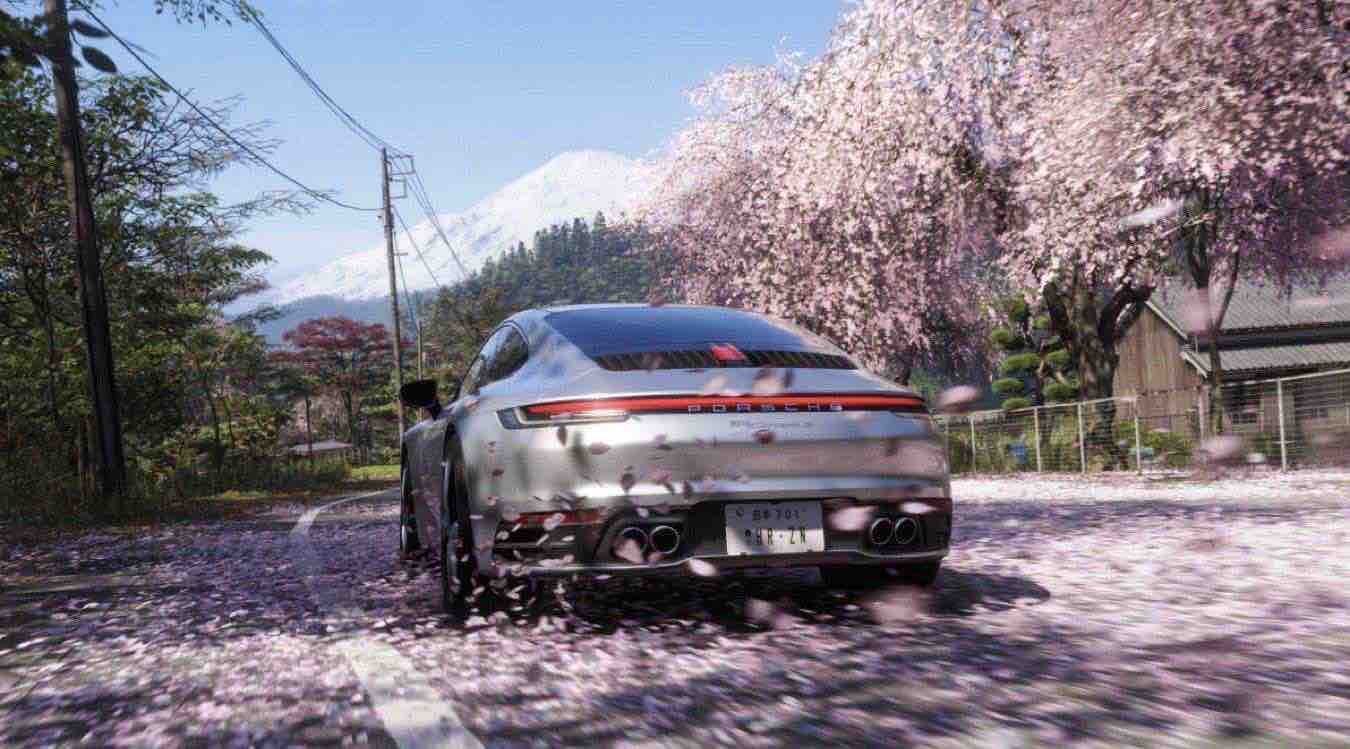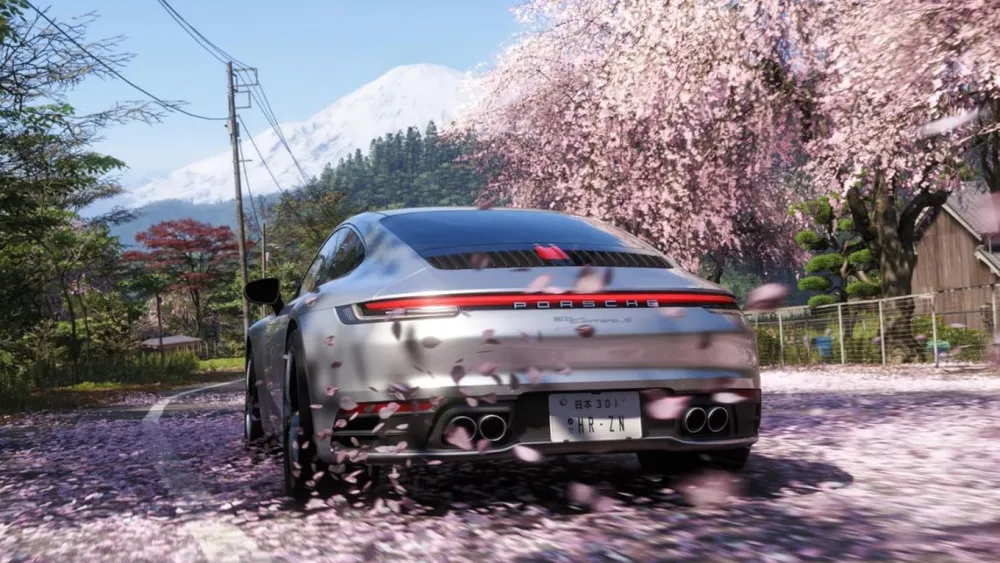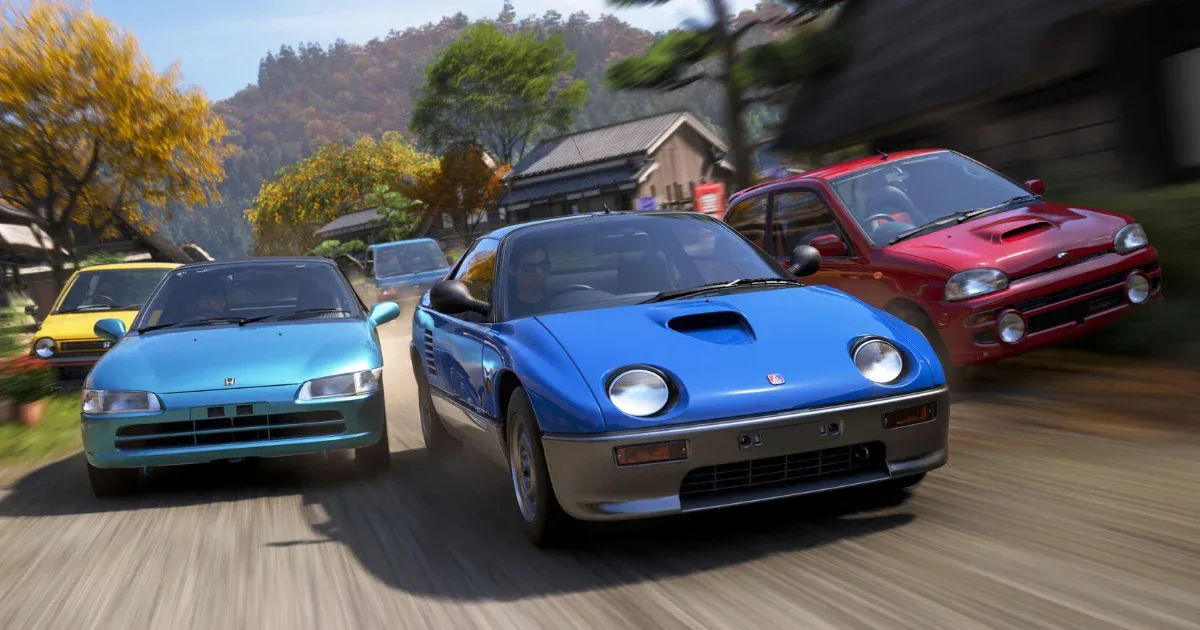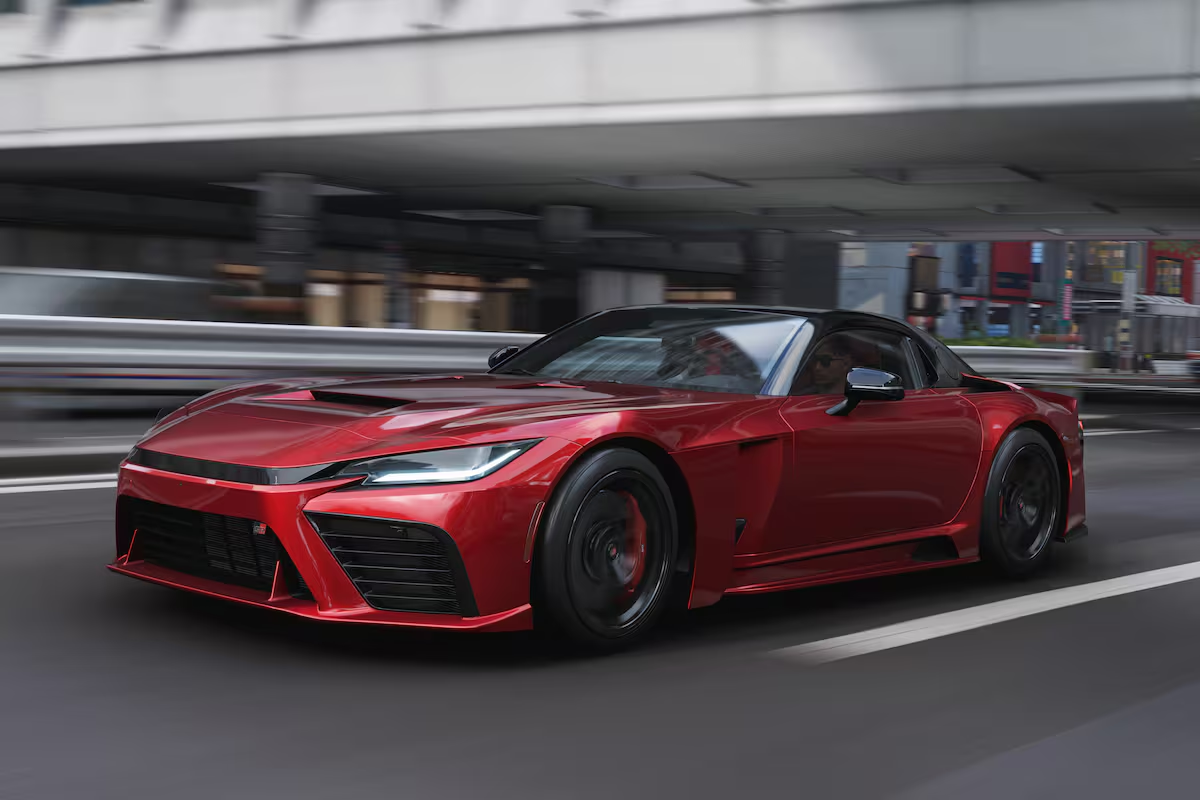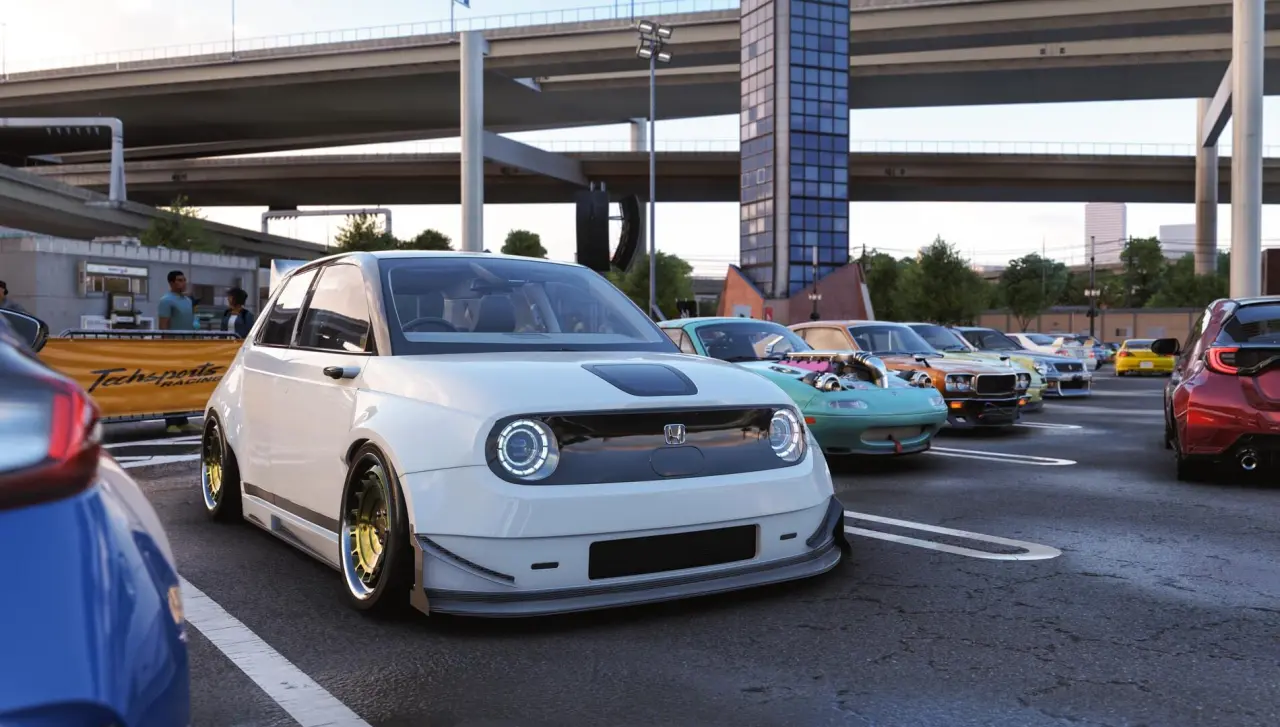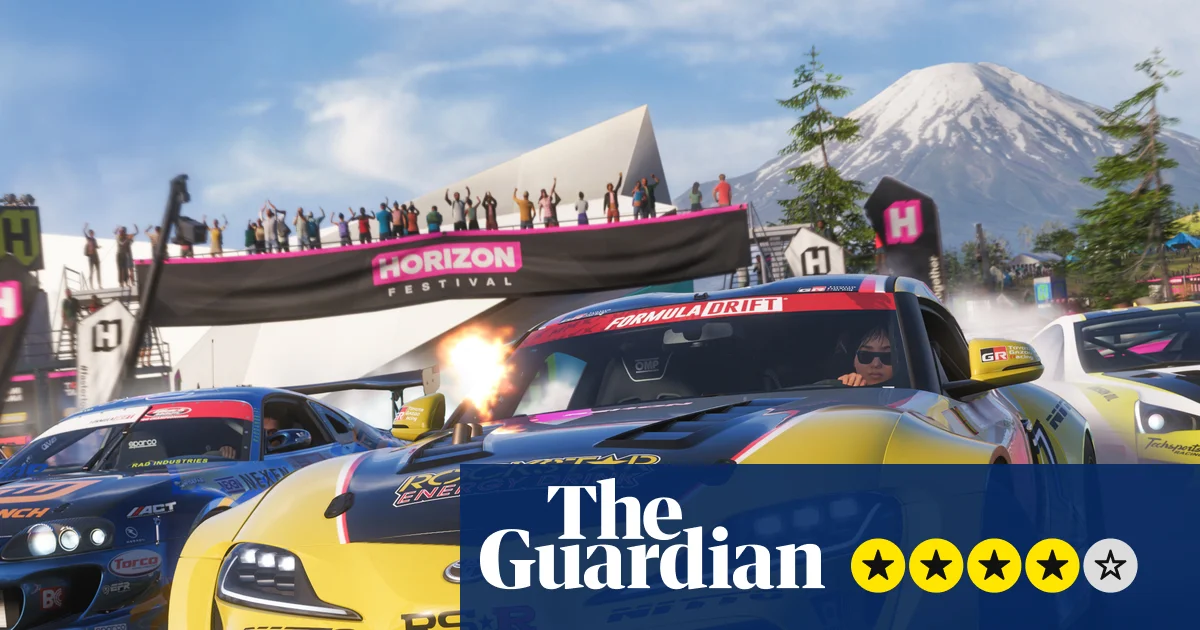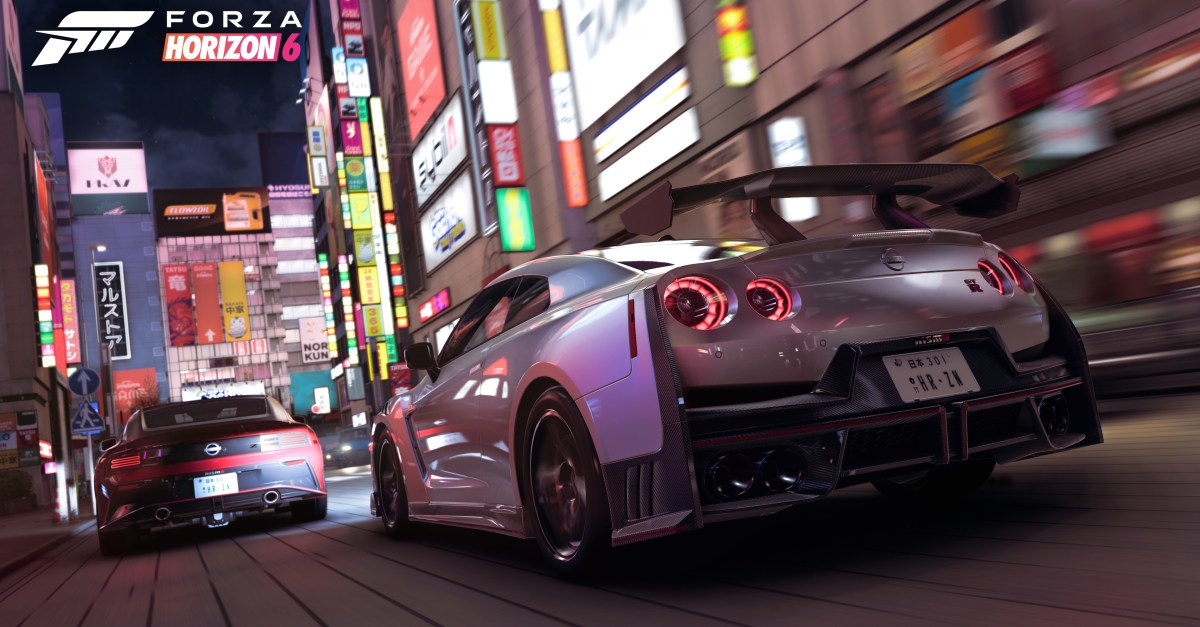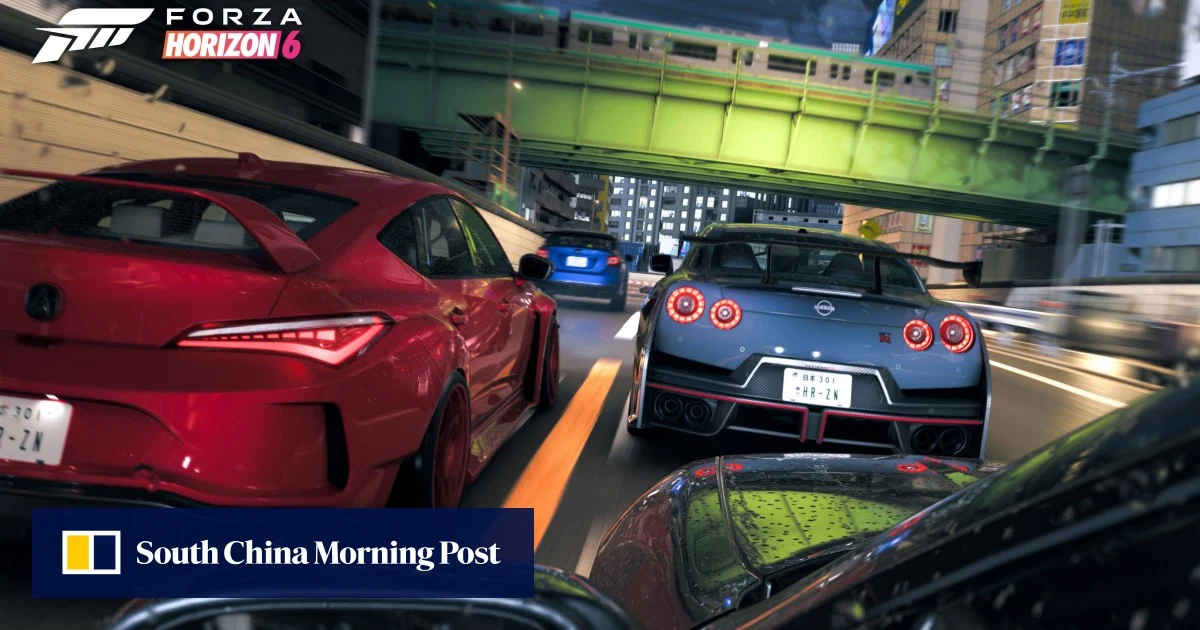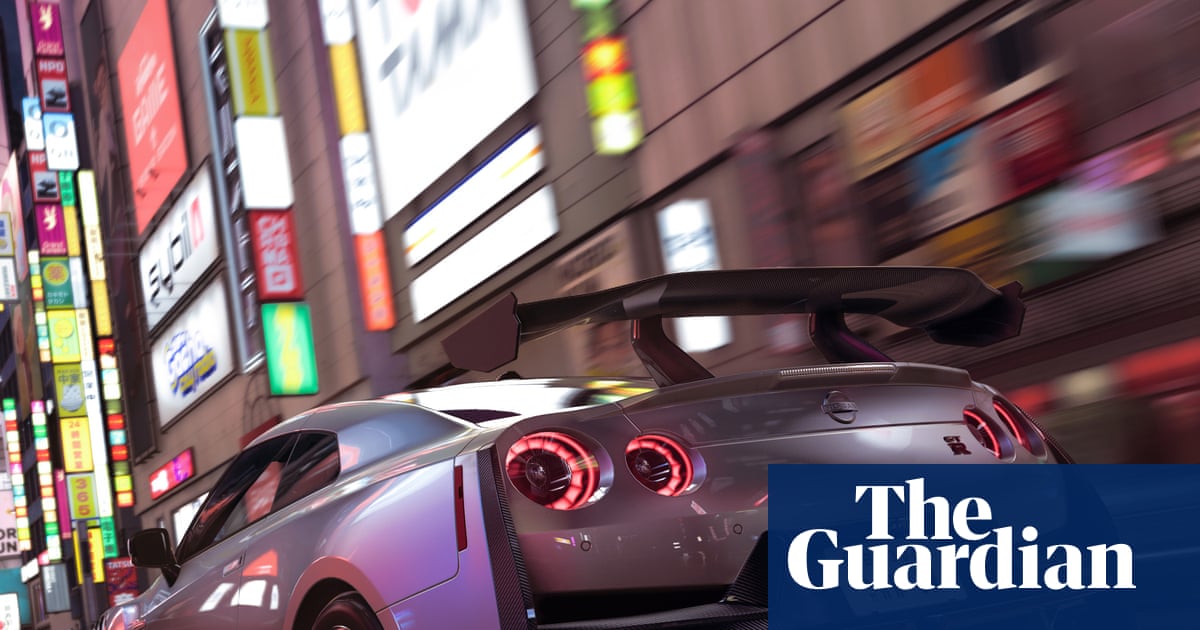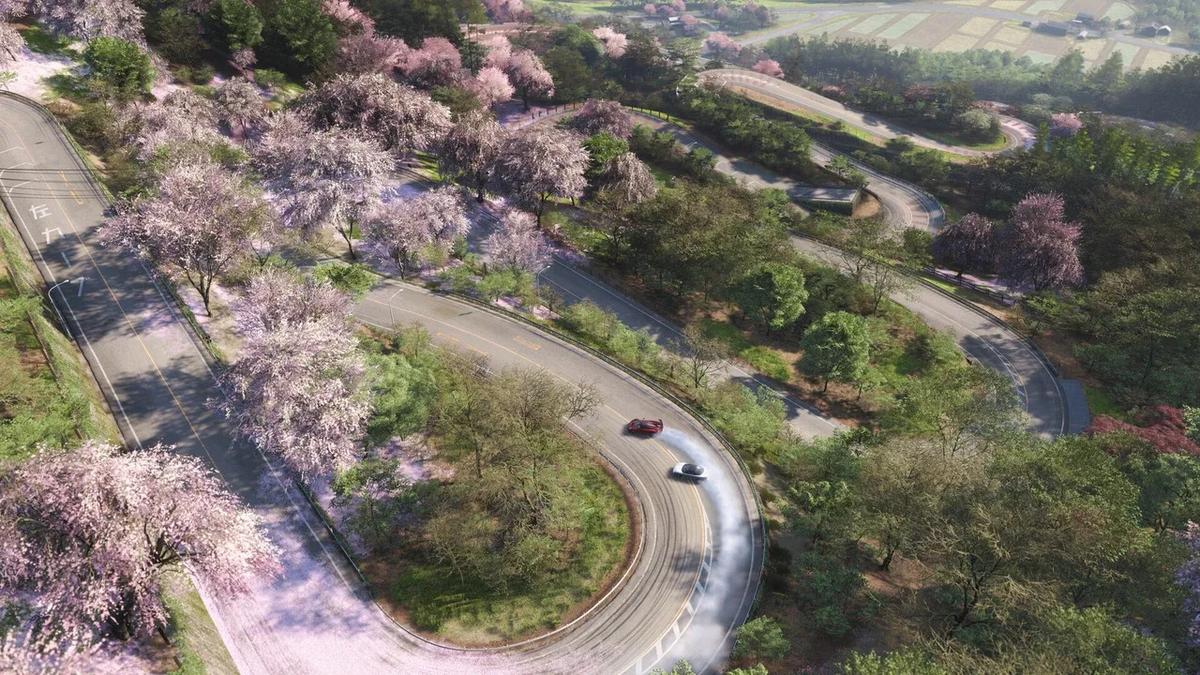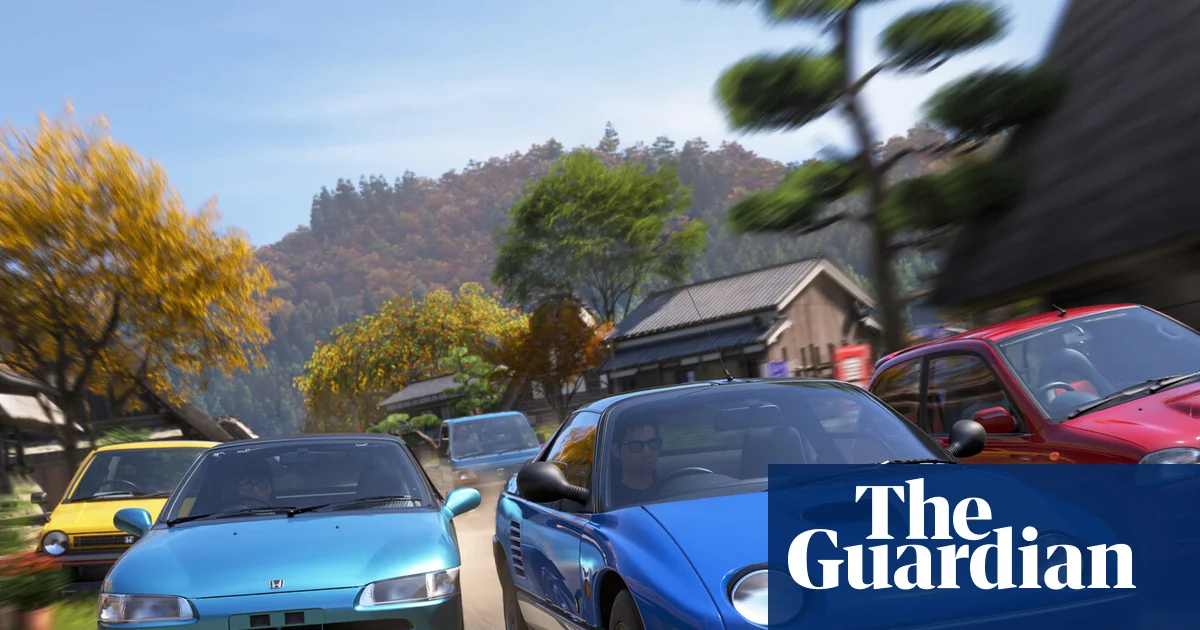
I have spent the last week careening around Japan in a Porsche 911, seeing the sights, racing other cars and occasionally veering off the road to plummet through an ancient bamboo forest. You all know what’s coming next … this wasn’t in real life, folks – it was in Forza Horizon 6, the latest instalment in Microsoft’s series of open world driving games set in authentic-looking, real-world locations.Reviewing this game (which is out now on Xbox and PC, and coming to PS5 later in the year) has reminded me of the sheer fun and exhilaration that driving games can provide. It’s easy to forget, but this was the biggest genre in town from the 1990s to the early 2000s. Consoles were sold on how good their racing games were: the original PlayStation had Ridge Racer, the Sega Saturn had Daytona USA. Later came the dirt-track thrills of Colin McRae Rally, the chaotic destruction of Burnout, the sophisticated realism of Gran Turismo. They were the bestsellers of the era, showcasing the future of real-time 3D visuals.But then came time-sucking open-world fantasy adventures, mega-hit first-person shooters and the live-service behemoths Fortnite and Minecraft. The mainstream drifted away. Mario Kart hung about, of course, and there are still annual F1 and MotoGP titles, as well as hardcore sims such as Assetto Corsa Competizione and iRacing. But big-budget blockbuster racers have largely driven off into the, well, horizon.There’s a chance to see the sights within a compacted version of Japan, when you’re not too busy racing other cars. Photograph: MicrosoftIt’s a shame because, as Forza Horizon 6 shows, there is so much joy in this genre. Driving sims are rare because they are, at their best, aspirational and relatable. Most adults who play games have driven a real car, so the experience is familiar – this is why from the late 1960s on, driving games were a staple feature of amusement arcades. At first that meant electromechanical oddities such as Kasco’s 1968 classic Indy 500, which used a rear projection system to display a simple road on the screen, but later came video games from Atari’s minimalist classic Night Driver to the 1980s legend OutRun. You put a machine with a steering wheel, a gear stick and an accelerator pedal in a seaside arcade and almost everyone would have a go.Yet, racing games also provide a fantasy element. All drivers hold in our heads an idealised vision – an open-road, a glorious sunset, a fast convertible – that is often beyond reach. When Sega game designer Yu Suzuki designed OutRun, this is exactly what he set out to capture: you’re driving a Ferrari along coastal roads, listening to cool music on the radio, a beautiful girl by your side. It’s not about racing, it’s about living.Guardian journalist Martin Belam beating his son, James, at a racing simulator at London’s Four Quarters Arcade Bar – before getting a drubbing on the PlayStation at home.It’s tempting to say that gamers moved on because the technology allowed it. Circuit racing games became open world racing games (Test Drive Unlimited, Burnout Paradise), which became open world adventures such as Grand Theft Auto, where you could drive and shoot people. But I wonder if there were also deeper cultural, and even sociopolitical, elements at play. Driving in real life these days is about rapidly inflating fuel costs, traffic jams, pot holes and the growing sense that a car is like a white good: you should get something as functional, economical and environmentally responsible as possible. Perhaps driving games are like road movies – they spoke to a generation which saw the car as a source of freedom and excitement rather than expense, drudgery and environmental collapse.All I know is that Forza Horizon 6 is incredible fun, and the chance to explore a compacted version of Japan has been wonderful. Perhaps it will spark a mainstream revival of the non-specialist driving game. Grand Theft Auto VI is also on the way later this year, and it will surely feature races and driving quests as part of its campaign and multiplayer offerings. I’m also hoping that the independent developer scene, currently drawing a lot of inspiration from the 1990s era of low-polygon 3D visuals, will come up with some crossover hit that exhumes the spirit of Ridge Racer and Daytona USA. Earlier this year, the Italian developer Milestone revived its Screamer title, a neon-drenched retro arcade racer, with some success. I think there will be more.The escapist fast-car game is not dead – it’s just in a layby, revving up.What to playUrban planning is a chance-filled endeavour in Amberspire. Photograph: Lunar Division/Bithell GamesI am very into the trend of games that remix one or more genres into weird new experiences – à la Mythmatch, Titanium Court and Forbidden Solitaire – so I had to download Amberspire, by Lunar Division. It’s a sort of city building game, except you’re building the city on top of a giant mausoleum dedicated to a long-dead civilisation, and also, you get resources by rolling giant dice across the landscape and seeing what comes up.In this way, urban planning becomes a chance-filled endeavour, rather than a purely intellectual task, and this sense of precariousness is amplified by the fact that in each turn, there is also an event dice roll that may suddenly inflict some ruinous storm on your brittle community. It’s an intriguing concept with an eerie mythology and ecological elements. If you enjoyed SimCity, but were frustrated by your inability to roll dice in order to decide the fate of your population like some sort of crazed deity, this one is for you.Available on: PC
Driving sims were once all the rage – will Forza Horizon 6 get them back on track?
Driving sims were overtaken by open world fantasy adventures, but new upgrades show how much joy there is in the genre
1,473 words~7 min read