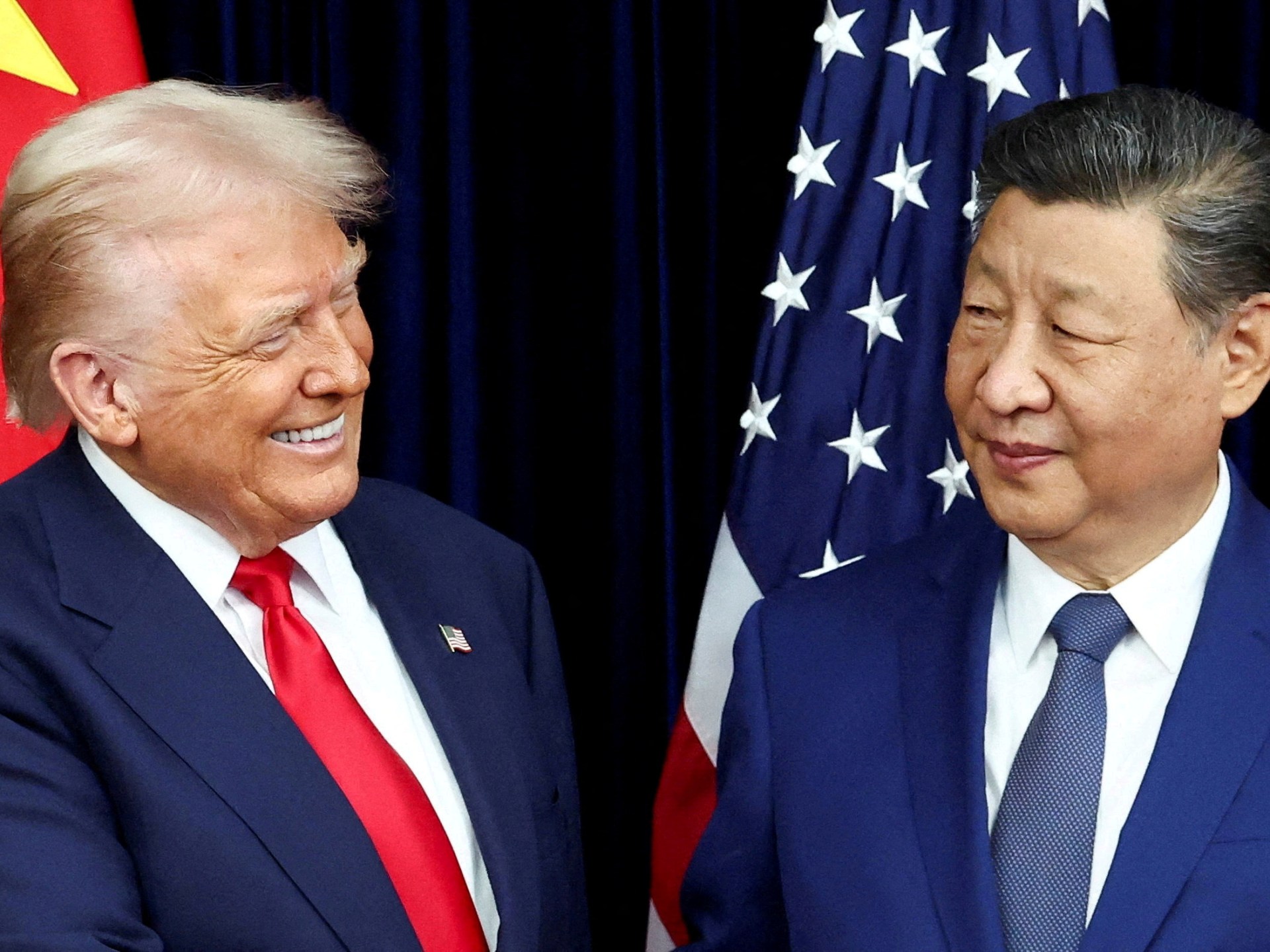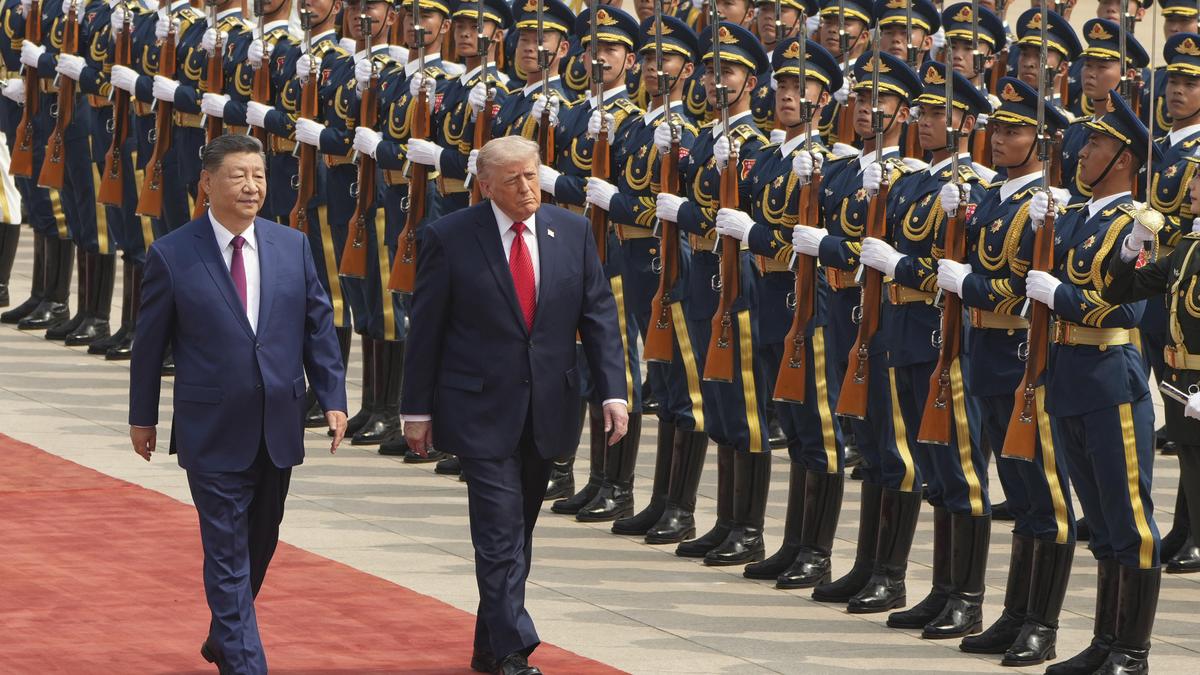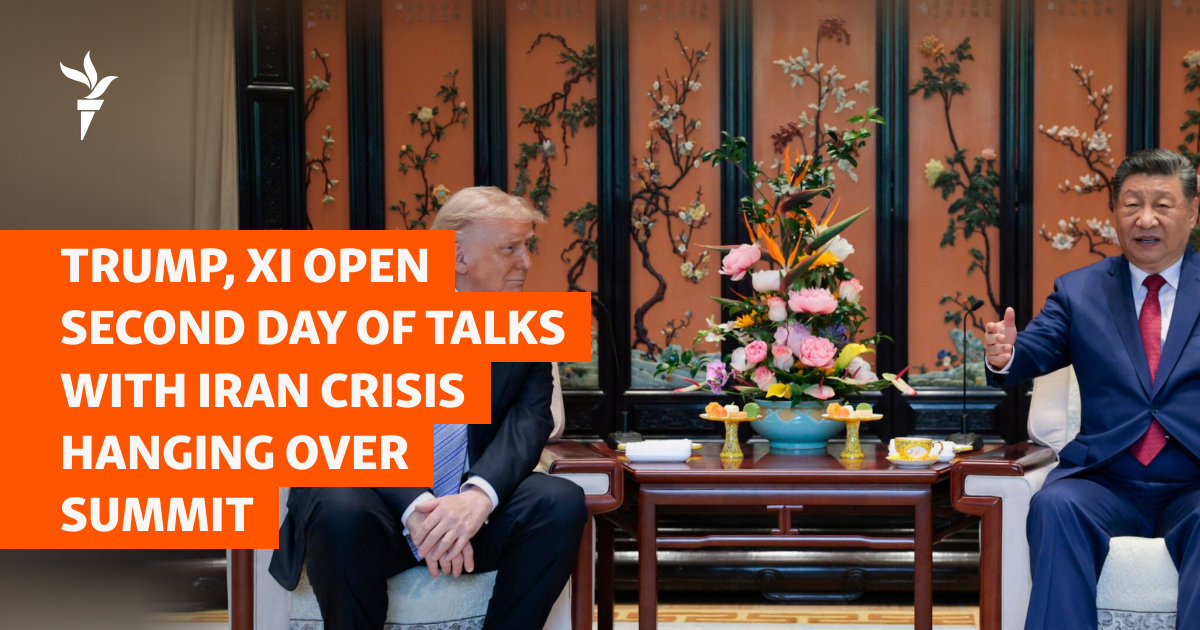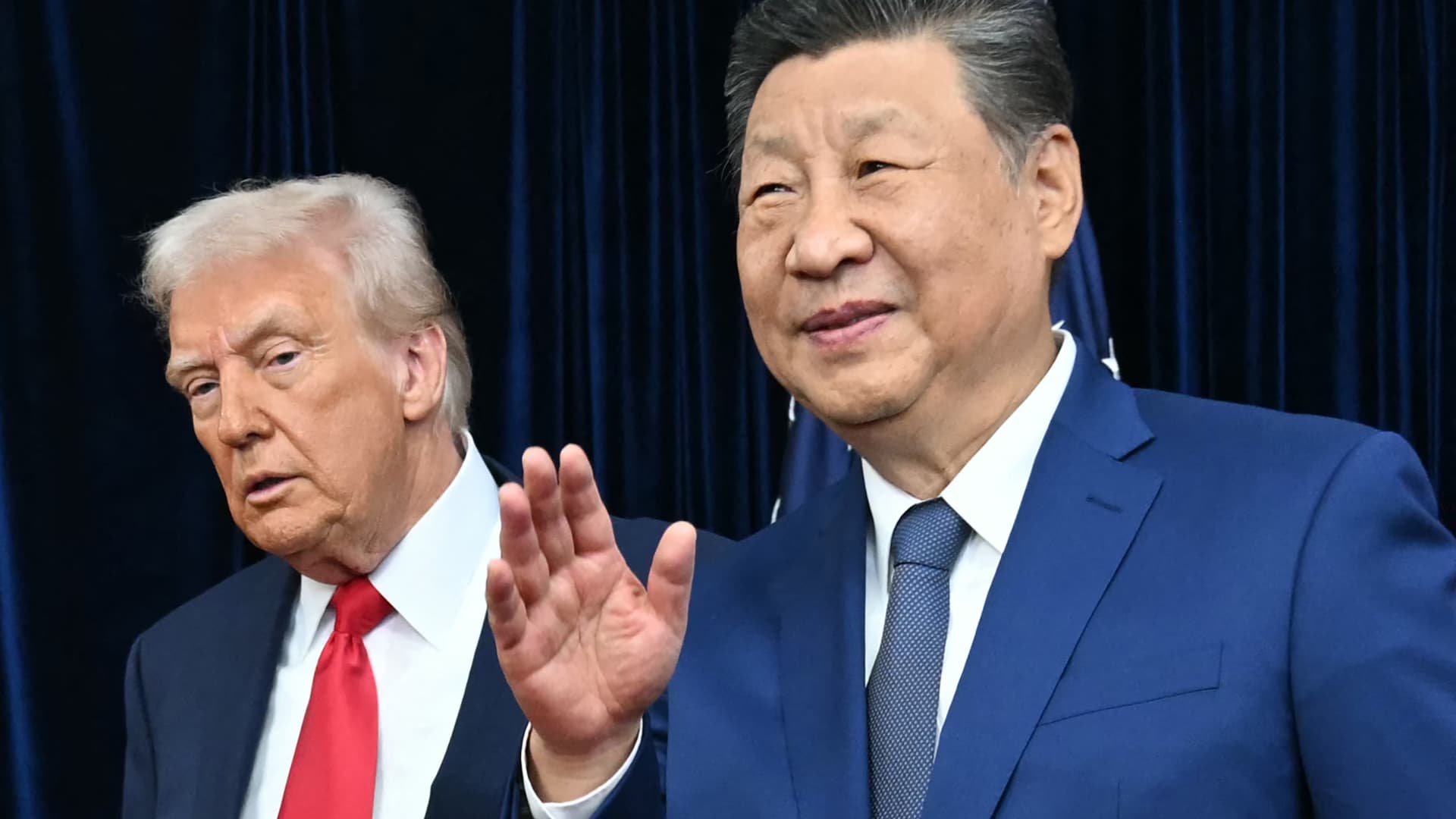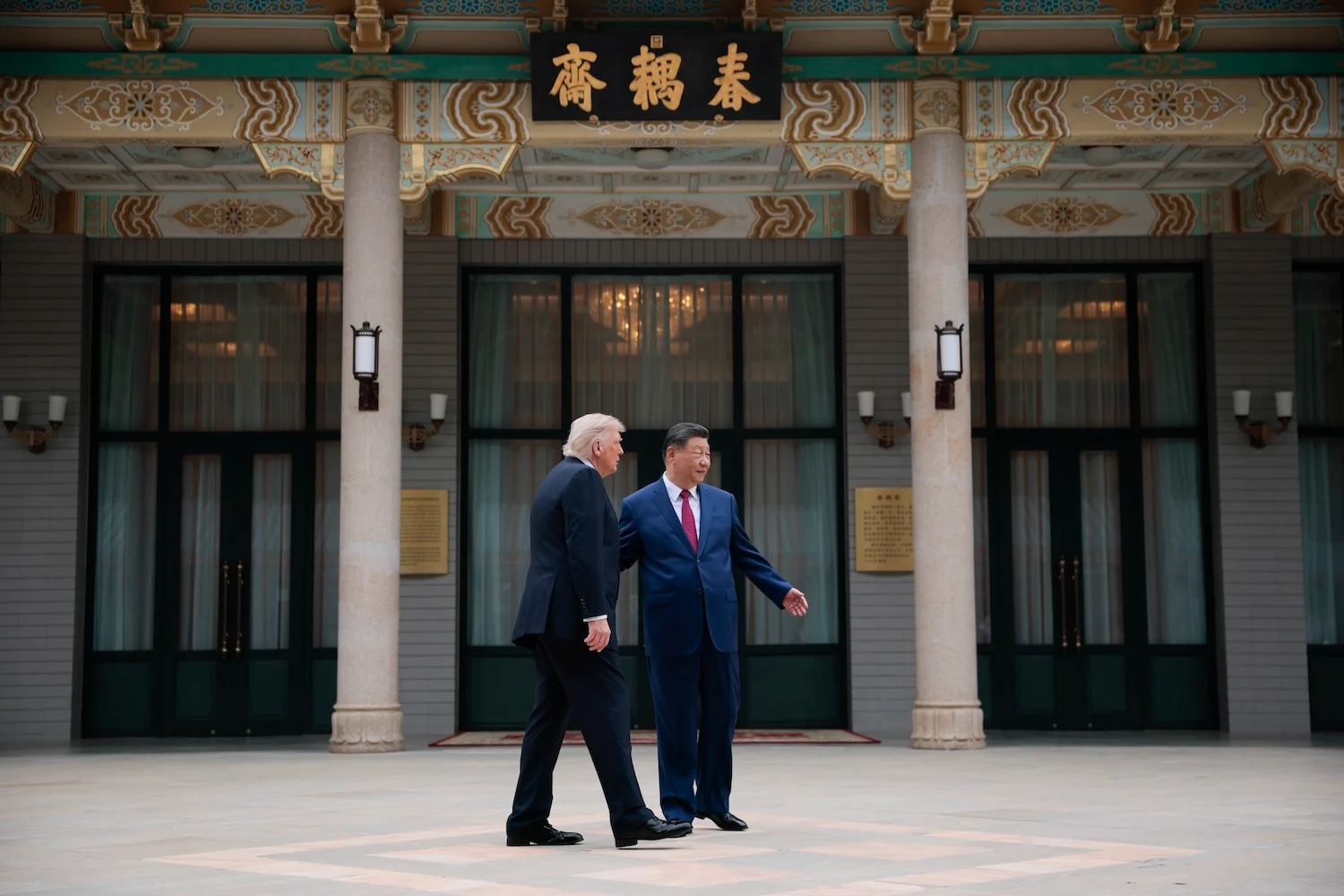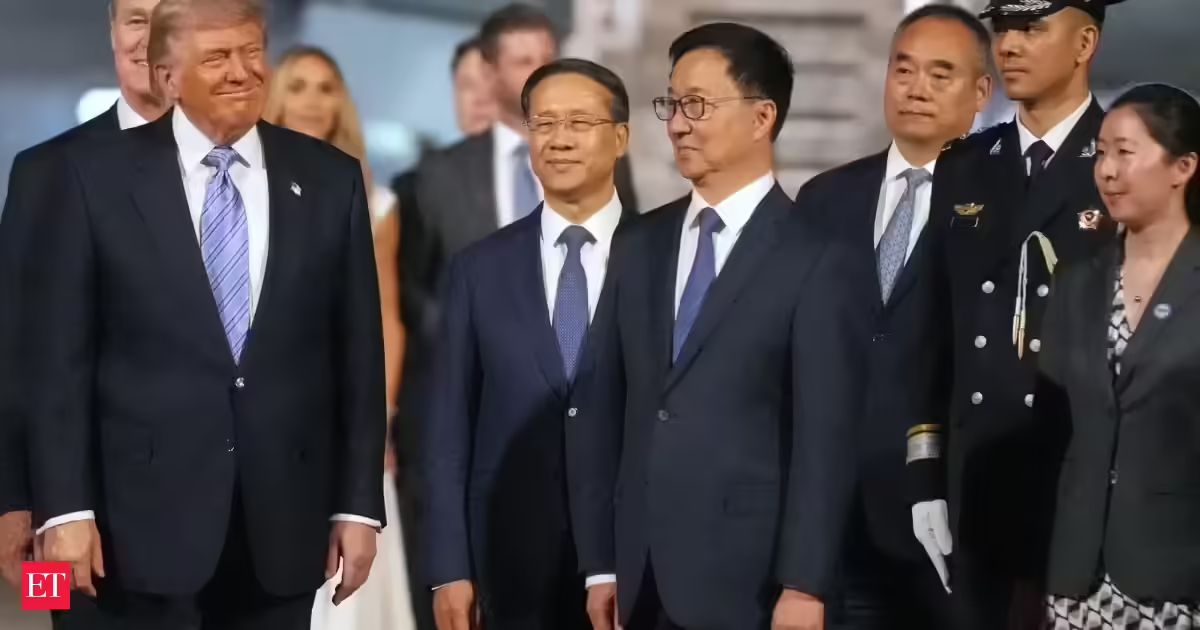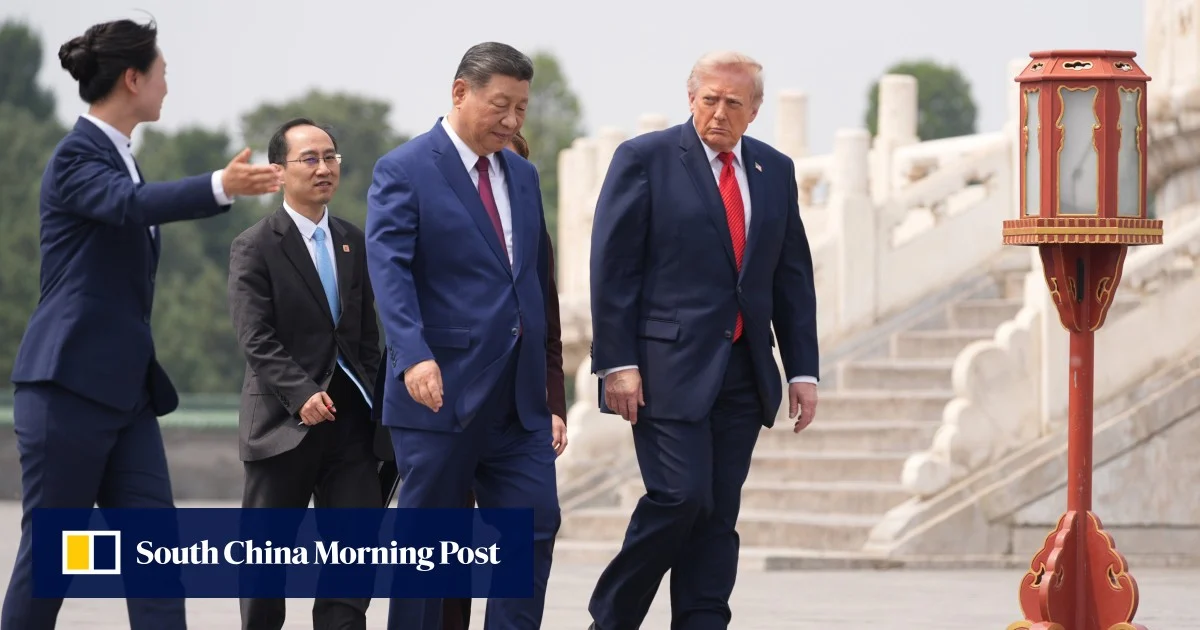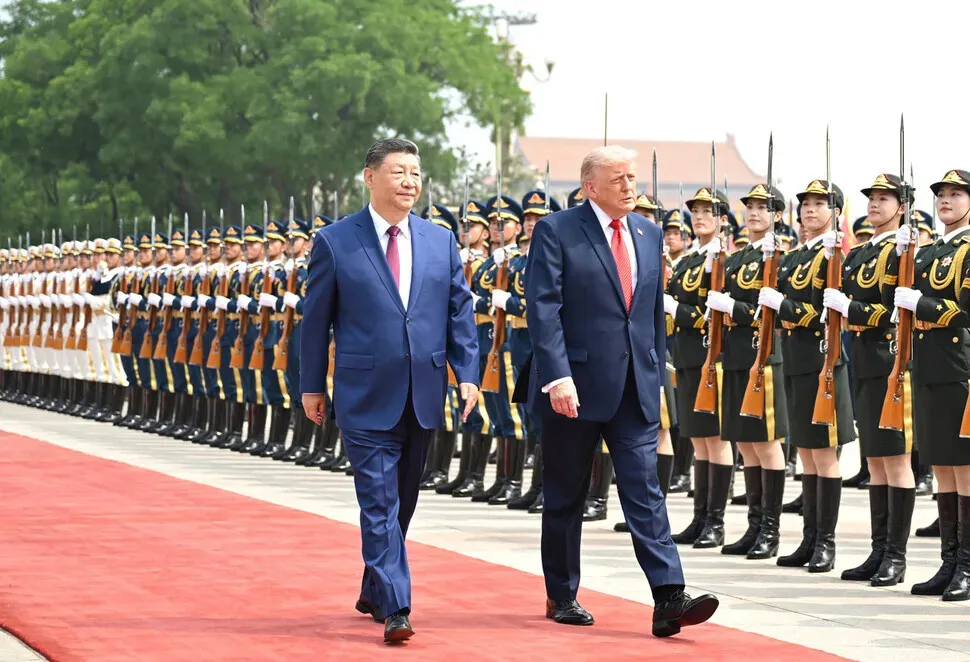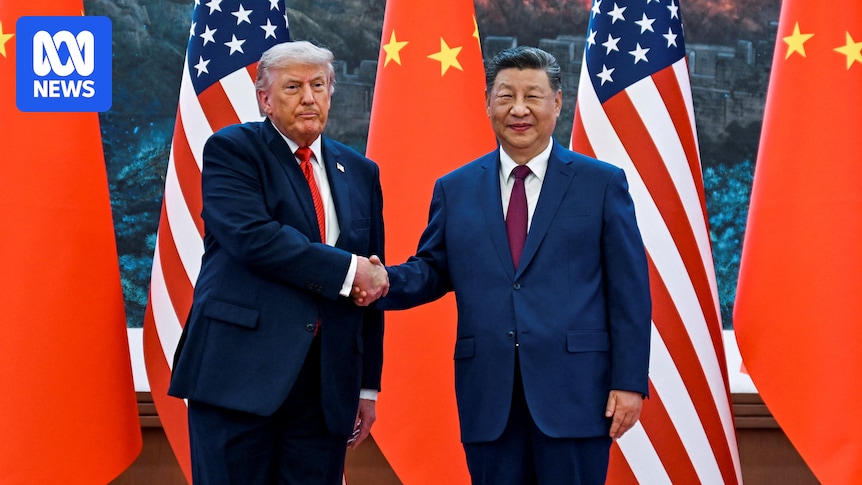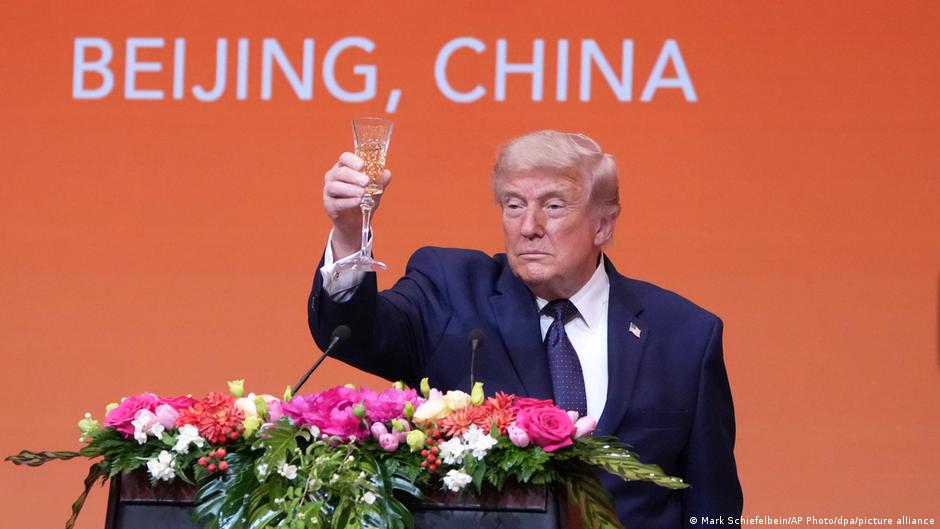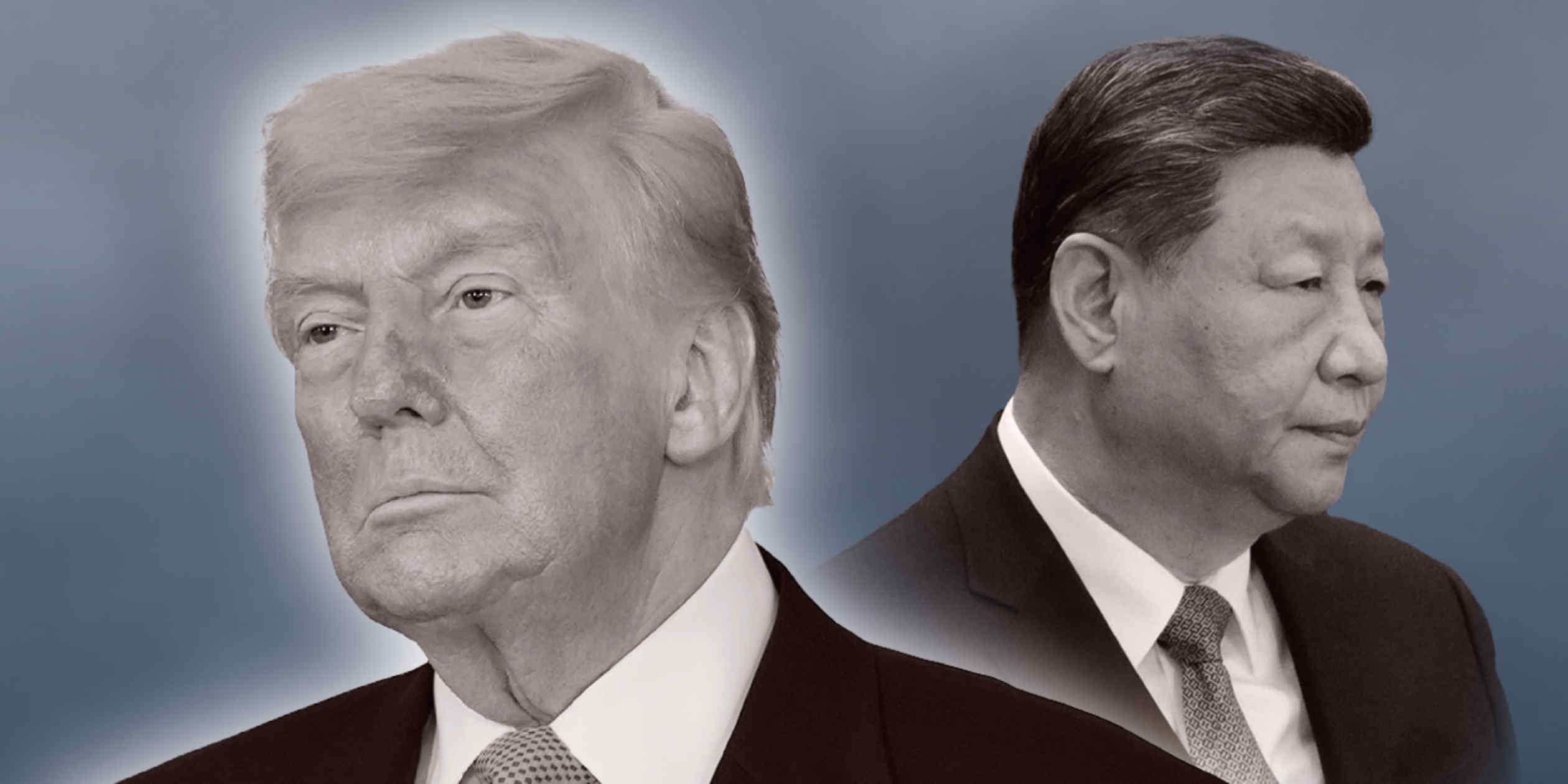
U.S. President Donald Trump and Chinese President Xi Jinping met in Beijing. Statements made after the highly anticipated talks suggested that neither side left the negotiations fully satisfied. While Trump described bilateral ties as "the world's most important economic relationship," the Chinese side warned that mishandling tensions over Taiwan could drag both countries into conflict.
Some analysts said after the visit that, for the first time in decades, the U.S. finds itself in a position of deep vulnerability and increasingly dependent on China's cooperation to escape a crisis of its own making. It may still be too early to agree with these assessments fully, but if the U.S. continues to be governed in this manner, no one can say such a scenario is impossible. Inevitably, one question comes to mind: Does the U.S. now need China more than China needs the U.S.?
In fact, the source of Washington's predicament has been its latest military adventure in the Middle East. For the first time, the U.S. failed to receive the level of support it expected from its allies. Trump even threatened to sever ties with NATO. Together with Israel, the U.S. launched a war against Iran without clearly explaining its justification, and the U.S. military has become trapped in a costly and prolonged deadlock.